Clarity in Hazardous Environments: Embracing Anti-Fog Safety Glasses

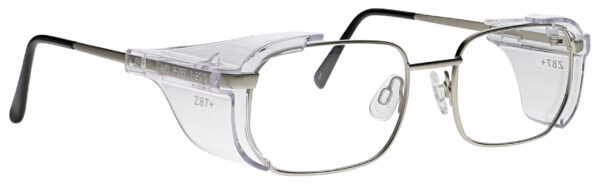
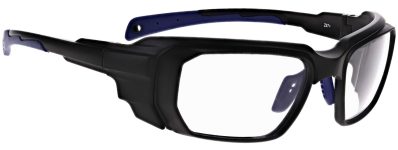
If you are in search of safety glasses that maintain clarity in varying temperatures and humid conditions, non-fogging options are highly beneficial. These safety glasses prove particularly advantageous when you require eye protection in environments where temperature shifts occur (such as transitioning between air-conditioned and outdoor spaces) or when working in high-pressure situations that induce perspiration.

Wearing safety glasses indicates the need for eye protection, suggesting that you are likely operating in an environment that poses potential hazards to your eyes and overall well-being. In such cases, the occurrence of fog, leading to a blinding “whiteout” effect, can present significant dangers. However, by opting for safety glasses that do not fog, you can effectively prevent this hazardous situation from materializing. To make an informed choice about non-fogging safety glasses, consider the following information.

DISCOVER PHILLIPS SAFETY’S ANTI-FOG SAFETY GLASSES

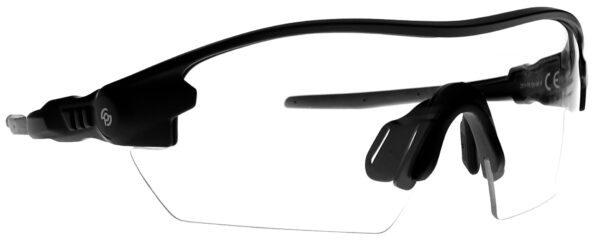
Phillips Safety’s selection of anti-fog safety glasses features a durable coating designed to prevent fogging. This permanent coating ensures that your safety glasses remain clear and free from fog, even in challenging and volatile situations. When it comes to safeguarding your eyes, fogging poses a significant risk and can potentially lead to accidents and injuries – precisely the outcomes you aim to avoid by wearing safety glasses.

Opting for safety glasses that don’t fog is particularly beneficial for individuals who frequently encounter varying temperatures, such as transitioning between air-conditioned environments and areas with higher heat levels. The presence of fog can cause temporary blindness or necessitate the removal of your safety glasses, both of which are unacceptable scenarios when your eyes are potentially exposed to hazards. To prioritize your safety and well-being, it is advisable to equip yourself with safety glasses that offer reliable fog resistance.

BENEFITS OF ANTI-FOG PRODUCTS

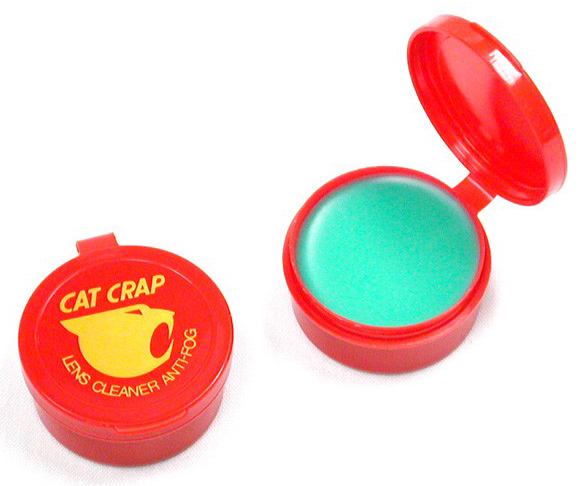
As an alternative to safety glasses with permanent anti-fog coating, anti-fog products are a practical and cost-effective option. These innovative solutions are designed to prevent the buildup of condensation and fogging, ensuring clear visibility even in challenging environments. By applying anti-fog products to safety glasses, users can maintain optimal vision without compromising safety.

Phillips Safety offers many possibilities in that regard. One popular option is anti-fog sprays, which create a thin, invisible film on the lens surface. These sprays typically contain a special formula that reduces surface tension, preventing water droplets from forming and causing fog. They are easy to apply and provide long-lasting fog resistance.

Another effective choice is anti-fog wipes or towelettes, which are pre-moistened with a specialized anti-fog solution. These wipes are convenient and portable, making them ideal for on-the-go applications. Simply wipe the lens with the towelette to create a fog-resistant barrier. With anti-fog products, safety glasses can remain clear and fog-free, ensuring enhanced visibility and safety in various settings.

THE ADVANTAGES OF ANTI-FOG SAFETY GLASSES

Investing in anti-fog safety glasses is a crucial step towards ensuring your own safety as well as the safety of those in your vicinity. If you have any inquiries regarding combating fog, choosing safety glasses that offer reliable fog resistance, the benefits of anti-fog coatings, or determining the most suitable option for your needs, don’t hesitate to contact us.

Phillips Safety prioritizes your safety and well-being, and we are pleased to provide anti-fog safety glasses for individuals who require clear vision in potentially hazardous situations.

If you still aren’t sure which safety glasses are right for you, it’s a good idea to give us a call at 1-866-575-1307 or talk to us through our chat or e-mail us at service@phillips-safety.com

Our experts will be able to tell you what you need for your application.

SHOP SAFETY GLASSES

What PPE to Wear During Fluoroscopy

When it comes to fluoroscopy, safeguarding yourself from harmful x-ray radiation is paramount. Fluoroscopes, while invaluable in medical procedures, emit x-rays that can accumulate in your body over time, leading to significant health risks if proper protection isn’t used. Here’s a comprehensive guide on the personal protective equipment (PPE) you need to wear during fluoroscopy to ensure your safety.

Why Protection is Crucial

Fluoroscopes expose operating doctors to continuous x-ray radiation, which can be detrimental without adequate protection. This exposure not only increases the risk of cancer but has also been linked to cataracts and other severe health issues. Therefore, covering as much of your body as possible with leaded apparel is essential.

Key PPE for Fluoroscopy

A leaded apron is the cornerstone of your protective gear. It effectively shields most of your body from radiation. Ensure that your apron fits well and provides comprehensive coverage.

The thyroid gland is particularly sensitive to radiation. A radiation thyroid shield protects this vulnerable area, reducing the risk of thyroid cancer and other radiation-induced conditions.

Leaded Gloves

Your hands are often closest to the source of radiation during procedures. Leaded gloves protect them from direct exposure, safeguarding your skin and bones from potential damage.

Eye protection is critical, as x-ray exposure has been correlated with the development of cataracts among fluoroscopy surgeons. Leaded glasses should have a minimum of 0.75mm Pb equivalency to ensure sufficient attenuation of x-rays. If you wear prescription glasses, look for leaded eyewear made to your prescription for optimal protection and clarity.

Disposable Radiation Hats

Disposable radiation hats offer an additional layer of protection for your head, especially important for procedures that involve prolonged exposure. These hats are designed to shield your scalp and brain from scattered radiation, adding another vital safeguard to your protective ensemble.

Radiation face masks protect the delicate tissues of your face from scattered x-rays. These masks are particularly important for procedures that involve high levels of exposure and close proximity to the radiation source. Ensure your face mask fits well and provides comprehensive coverage.

Selecting the Right Leaded Eyewear

Choosing leaded eyewear can be tricky. Unlike other leaded apparel, which is relatively straightforward to size and fit, leaded glasses need to meet specific standards. Ensure that your safety glasses have at least 0.75mm Pb equivalency to provide adequate protection against x-ray radiation.

Our Line of Leaded Apparel

At our store, we offer a full range of leaded apparel, including lead aprons, disposable radiation hats, and radiation thyroid shields. Our products are designed to provide maximum protection, ensuring that you stay safe during every procedure. We understand the importance of quality and reliability in protective gear, which is why our leaded apparel meets the highest standards.

Selecting the Right Leaded Eyewear

Choosing leaded eyewear can be tricky. Unlike other leaded apparel, which is relatively straightforward to size and fit, leaded glasses need to meet specific standards. Ensure that your safety glasses have at least 0.75mm Pb equivalency to provide adequate protection against x-ray radiation.

Our Line of Leaded Apparel

At our store, we offer a full range of leaded apparel, including lead aprons, disposable radiation hats, and radiation thyroid shields. Our products are designed to provide maximum protection, ensuring that you stay safe during every procedure. We understand the importance of quality and reliability in protective gear, which is why our leaded apparel meets the highest standards.

Conclusion

If you’re a doctor working in fluoroscopy, investing in the right PPE is not just a precaution—it’s a necessity. Proper protective gear, including leaded aprons, thyroid collars, gloves, glasses, disposable radiation hats, and thyroid shields, will help mitigate the risks associated with x-ray exposure, ensuring your long-term health and safety.

Now that you’re informed about the essential PPE for fluoroscopy, explore our selection online! Our store has everything you need to protect yourself from harmful x-rays as you work. Stay protected, stay healthy, and focus on what you do best—caring for your patients.

If you still aren’t sure which radiation safety products are right for you, it’s a good idea to give us a call at 1-866-575-1307 or talk to us through our chat or e-mail us at service@phillips-safety.com

Our experts will be able to tell you what you need for your application.

SHOP RADIATION SAFETY PRODUCTS

Laser Safety Glasses for a Holmium Laser

When working with Holmium lasers, ensuring you have the right eye protection is paramount. Holmium lasers are widely used in both medical and industrial applications due to their precise cutting and coagulating abilities. However, their powerful beams can pose serious risks to your eyes if not properly protected. This is where Phillips Safety comes in with their advanced KG5 and KG5+ laser safety glasses. Let’s delve into why these glasses are essential and how they can protect you.

Understanding
Holmium Lasers

Holmium lasers emit light at a wavelength of around 2.1 micrometers (2100 nm). They are particularly effective in medical procedures, such as lithotripsy for kidney stones and arthroscopic surgery, as well as in various industrial applications. The intense energy produced by Holmium lasers can cause severe eye injuries if adequate protective measures are not taken. Therefore, specialized laser safety glasses are necessary to safeguard your vision.

Phillips Safety's KG5 and KG5+ Filters

Phillips Safety offers two superior filters for laser safety glasses designed to protect against the harmful effects of Holmium lasers: the KG5 and KG5+ filters. Both filters offer high visible light transmission (VLT) and are clear, ensuring comfortable and precise vision while providing excellent protection.

The KG5 laser safety glasses are renowned for their exceptional clarity and protection. These glasses feature a clear lens filter with a VLT of 75%, making them almost completely clear and very comfortable to work in. The KG5 lenses are made from optical-quality German glass, ensuring precise vision. They meet ANSI Z87.1 and ANSI Z136.1 safety standards and are CE certified.

In addition, most KG5 glasses can be made in prescription form, eliminating the need for fitovers.

For even greater protection, Phillips Safety offers the KG5+ laser safety glasses. Like the KG5, the KG5+ glasses feature a clear lens filter with a VLT of 75%, ensuring both comfort and visibility. These glasses also meet ANSI Z87.1 and ANSI Z136.1 safety standards.

The KG5+ offers enhanced protection compared to the KG5, making it ideal for situations where higher levels of safety are required.

Why Choose KG5 and KG5+?

The popularity of the KG5 and KG5+ filters is due to their exceptional protection against common medical and industrial lasers, including YAG, Holmium, and CO2 lasers. The high VLT of 75% ensures that these glasses are not only protective but also comfortable to wear for extended periods. The KG5 and KG5+ filters provide comprehensive coverage across a wide range of wavelengths, ensuring that your eyes are safeguarded from the specific dangers posed by Holmium lasers.

Conclusion

When working with Holmium lasers, it is crucial to wear the appropriate eyewear to prevent serious eye injuries. Phillips Safety’s KG5 and KG5+ laser safety glasses offer superior protection with their high VLT, clear lenses, and stringent safety certifications. Whether you need standard or prescription laser safety glasses, the KG5 and KG5+ provide the perfect solution to keep your eyes safe while you work. Choose the right filter for your needs and ensure that your vision is protected in all laser applications.

If you still aren’t sure which laser safety glasses are right for you, it’s a good idea to give us a call at 1-866-575-1307 or talk to us through our chat or e-mail us at service@phillips-safety.com

Our experts will be able to tell you what you need for your application.

SHOP LASER SAFETY GLASSES

Transition Lenses in Safety Glasses: Seamless Adaptation for Uninterrupted Safety

Transition safety glasses, equipped with cutting-edge Transition lenses, offer unparalleled eye protection and adaptability for individuals who frequently move between indoor and outdoor environments during their workday. These innovative lenses seamlessly transition from clear to dark when exposed to direct sunlight, ensuring optimal visual comfort and safety. 

In this article, we will explore the numerous benefits of Transition safety glasses and why they are a must-have for professionals in a range of industries.

Key Advantages of Transition Lenses in Safety Glasses

Transition lenses have become increasingly popular in safety glasses due to their versatile nature and inherent benefits. Here are some key advantages:

Enhanced Safety: Transition lenses are designed to provide superior eye protection, effectively shielding the wearer from potential impacts, projectiles, and hazardous substances. Their impact-resistant polycarbonate construction ensures durability and reliability in demanding work environments.

Light Adaptability: Transition lenses excel at adapting to changing light conditions. When exposed to bright sunlight, they darken, reducing glare and preventing eye strain. This seamless transition ensures optimal vision and visual comfort, eliminating the need for multiple pairs of glasses when moving between indoor and outdoor spaces.

Transition safety glasses sunlight

UV Protection: Transition safety glasses offer 100% UVA and UVB protection, safeguarding the wearer’s eyes from harmful ultraviolet radiation. This is crucial, as prolonged exposure to UV rays can lead to eye conditions such as cataracts and macular degeneration.

ANSI Z87 Certification: Our range of Transition safety glasses is ANSI Z87 certified, meeting the stringent standards for eye protection in the workplace. This certification ensures that the glasses provide reliable defense against potential hazards and meet industry regulations.

Applications and Versatility

Transition safety glasses find application in a wide range of industries and professions, thanks to their versatility and adaptability. They are particularly beneficial for:

Construction Workers: Transition safety glasses are invaluable to construction workers who frequently transition between indoor and outdoor environments. These glasses provide uninterrupted eye protection and clear vision throughout their tasks.

Motorcycle Riders: Transition lenses offer optimal visual comfort for motorcycle riders, ensuring clear vision in various lighting conditions while protecting the eyes from debris and wind.

Inspectors: Whether performing building inspections or examining machinery, inspectors often move between indoor and outdoor spaces. Transition safety glasses eliminate the need to switch between regular glasses and sunglasses, offering continuous eye protection and visual clarity.

Outdoor Workers: Landscapers, utility workers, and other professionals who spend significant time outdoors benefit from the adaptability of Transition safety glasses. These glasses seamlessly adjust to changing light conditions, providing comfort and safety throughout the workday.

DIY Enthusiasts: Transition safety glasses are also suitable for individuals engaged in DIY projects, offering a convenient all-in-one eyewear solution that adjusts to their environment.

In Conclusion

Safety glasses featuring transition lenses, offer unmatched eye protection, seamless adaptability, and optimal comfort for professionals who frequently transition between indoor and outdoor environments. With their enhanced safety features, light adaptability, UV protection, and ANSI Z87 certification, these glasses are a reliable choice for a variety of industries. By investing in Transition safety glasses, you ensure that your eyes remain protected in any work environment, without compromising on vision quality or convenience.

If you’re looking for reliable eye protection that seamlessly adapts to your work environment, our collection of Transition safety glasses is just what you need. Explore our wide range of styles and frame choices, all featuring cutting-edge Transition lenses that provide optimal comfort, safety, and visual clarity. Whether you’re a construction worker, motorcycle rider, inspector, or outdoor enthusiast, our Transition safety glasses offer the perfect combination of functionality and style. 

If you have any questions or need assistance, our knowledgeable team is here to help. Contact us now and experience the superior quality and performance of Transition safety glasses.

If you still aren’t sure which transition safety glasses are right for you, it’s a good idea to give us a call at 1-866-575-1307 or talk to us through our chat or e-mail us at service@phillips-safety.com

Our safety glasses experts will be able to tell you what you need for your application.

SHOP TRANSITION SAFETY GLASSES

Innovative Welding Lenses: Phillips Safety’s Wide Range of Colors

Welding is a highly skilled and demanding profession that requires the right equipment to perform the job safely and effectively. One of the most important pieces of equipment a welder can have is the right welding lens

When it comes to welding lenses, there is no “one size fits all” solution. Different welding jobs require different welding lenses, and it’s crucial to have access to a variety of options. 

At Phillips Safety, there are several types of welding lenses available, each with its unique characteristics and benefits. In this blog post, we’ll take a closer look at each welding lens available at Phillips Safety and how it can enhance your welding experience while keeping you safe.

WELDING LENSES COLORS:

Athermal Green Welding Lenses

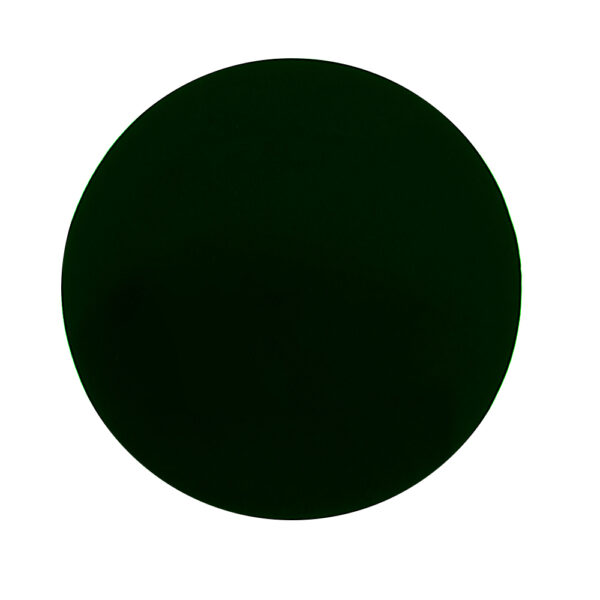
Our Green welding lenses, also known as Athermal Green, are designed to provide excellent visibility while also offering protection against harmful UV and infrared radiation. Imported from Europe and constructed with the finest optical quality material available, this high-quality welding lens is made of glass. With extreme durability, it provides true HD optics, excellent clarity, and maximum protection.

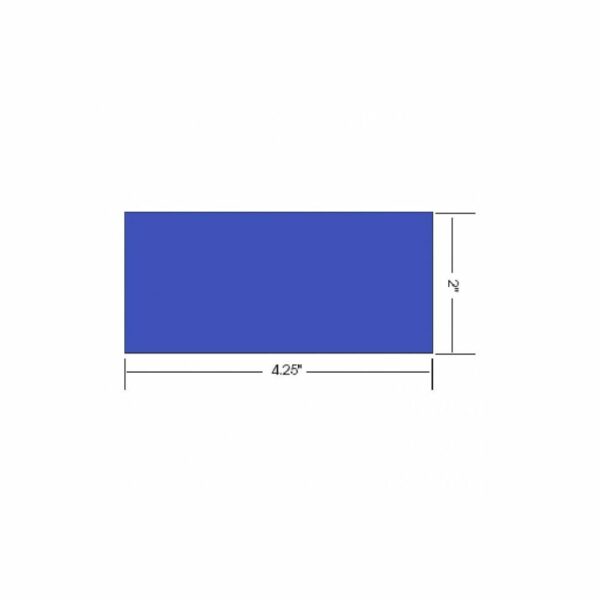
These lenses are available in shades 4, 5, 6, 8, 9, 10, 11, 12, and 14, and are available in circular 50mm lenses as well as small (2 x 4.25) and large (4.5 x 5.25) sizes. In addition, all of our Green Welding lenses meet ANSI Z87.1 and CSA Z94.3 safety standards.

Gold Welding Lenses

Our Gold welding lenses are designed to reflect most of the heat from welding, providing added physical comfort while you work. In other words, these Gold welding lenses offer the best benefits that the Green provides, including protection from all three types of radiation present in welding, but also add 90% Infrared Reflection, reducing the heat exposure to the welder’s eyes. This also reduces eye strain, thanks to the same reflective surface.

Made in Europe, and scratch resistant, these lenses are available in shades 9, 10, 11, 12, and 14, and are available in small (2 x 4.25) and large (4.5 x 5.25) sizes.

AlloWeld Glass Welding Lenses

Our AlloWeld Glass welding lenses are specially designed to combine infrared and ultraviolet protection with flare-reducing and contrast-enhancing earth metals. Available both in green and with gold coating, it is composed of optical-quality glass and will improve your vision by reducing the harsh yellow flare that comes from most welding procedures. The AlloWeld practically eliminates the arc during welding, allowing you to see the weld puddle and your work.

These Phillips Safety AlloWeld glass lenses have small (2 x 4.25) and large (4.5 x 5.25) rectangular shapes and are available in shades 4, 5, 6, 8, 9, 10, 11, 12, and 14 for the Green filter, and shades 9, 10, 11, 12, and 14 for the Gold. Please note that this lens is used instead of your current welding lens, so purchase the shade that you normally work with.

Super Blue Drop-In Lens

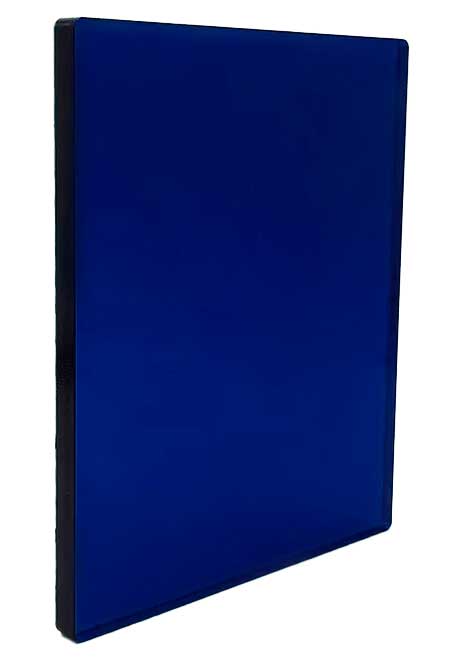
Our Super Blue drop-in lens is made of blue polycarbonate that blocks the yellow/orange line of the visible spectrum (589-600nm), improving your clarity of vision by greatly reducing the brightness of the arc and eliminating yellow flare. 

Two out of the three kinds of wave energies that you must protect against when welding are blocked by standard green lenses: the invisible yet harmful Ultraviolet (UV) and Infrared (IR). However, the bright and painful Visible Light wave spectrum is not fully eliminated by standard green welding filters, and that’s where the Super Blue Drop-In works great, providing a safe and improved resulting view.

Designed to be used in addition to your standard green welding lens, this lens is available in a small (2 x 4.25) size.

Super Magenta Drop-In Lens

Our Super Magenta drop-in lens is designed to reduce glare and enhance the color and visual clarity of your work. Like our Super Blue lens, this lens is designed to be used in addition to your standard green welding lens. This lens is available in both small (2 x 4.25) and large (4.5 x 5.25) sizes.

Clear Glass Cover Plate

Our Clear Glass Cover Plate is made of a high-quality material that offers superior protection from dust, weld spatter, and impact. They are designed to fit into your welding helmet to provide added protection for your welding lenses. 

Phillips Safety’s Clear Glass Cover lenses have a small (2 x 4.25) rectangular shape and fit most brand name helmets.

Neotherm Cobalt Blue Lens

Our Cobalt Blue welding lenses, also known as Neotherm, were designed specifically for use in furnace and molten metal observation. Neotherm is commonly used in foundries, steelworks, glassworks, and in fiberglass and ceramics plants. They can also be used for brazing and torching or anywhere eye protection is required while observing high temperature processes. 

These lenses are available in shades 4, 5, 6, and 8, and are available in circular 50mm lenses as well as small (2 x 4.25) and large (4.5 x 5.25) sizes.

Welding Magnifier Lens

Our Welding Magnifier is a high-quality magnifier lens for welding made of clear polycarbonate. They are durable and designed to fit into your welding helmet to provide added magnification for precision welding work. Plus, they feature an anti-scratch coating. Available in a small (2 x 4.25) rectangular shape, these magnifiers are available in magnifications of 0.75, 1.00, 1.25, 1.50, 1.75, 2.00, 2.25, and 2.50.

At Phillips-Safety, we understand that every welding job is different, and that’s why we offer a wide range of welding lenses in different colors and sizes to meet your specific needs. Whether you’re looking for added comfort, enhanced clarity, or improved protection, we have the welding lenses you need to get the job done right. Contact us today to learn more about our welding lenses and find the perfect fit for your welding needs.

If you still aren’t sure which welding lenses are right for you, it’s a good idea to give us a call at 1-866-575-1307 or talk to us through our chat or e-mail us at service@phillips-safety.com

Our welding experts will be able to tell you what you need for your application.

SHOP WELDING LENSES

Optimized Vision, Maximum Safety: Exploring Fitover Safety Glasses with Yellow Lenses

Fitover safety glasses with yellow lenses are a valuable addition to any workplace or personal protective equipment (PPE) arsenal. These specialized safety glasses offer a unique combination of eye protection and visual enhancement, making them ideal for a variety of tasks and environments.

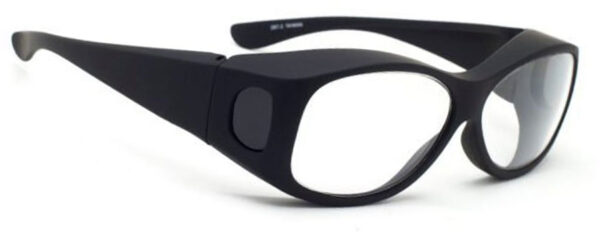
One of the key features of fitover safety glasses is their ability to be worn over regular prescription eyeglasses. This makes them highly convenient for individuals who require vision correction while working in hazardous conditions. The fitover design ensures a secure fit, allowing the safety glasses to comfortably rest on top of existing eyewear without compromising safety or obstructing vision.

DISCOVERING THE PURPOSES OF YELLOW LENSES

The yellow lenses of fitover safety glasses serve multiple purposes. Yellow lenses are known for their ability to enhance contrast and depth perception, making them particularly beneficial in low-light conditions or environments with poor visibility. This makes them popular among professionals working in industries such as construction, manufacturing, and outdoor sports.

The yellow tint of the lenses also helps to reduce eye strain and fatigue. By filtering out harmful blue light and minimizing glare, yellow lenses can enhance visual clarity and comfort, especially in situations involving prolonged exposure to bright lights or screens. This can be particularly advantageous for individuals who spend long hours working in front of computers or under artificial lighting.

Additionally, fitover safety glasses with yellow lenses provide excellent protection against potential eye hazards. At Phillips Safety their lenses are made from durable polycarbonate material, which is impact-resistant and capable of withstanding high-velocity projectiles and debris. They also offer full coverage, shielding the eyes from all angles and minimizing the risk of injury from flying objects, dust particles, or chemical splashes.

PRIORITIZING SAFETY AND COMFORT

These safety glasses prioritize both functionality and comfort. The fitover style ensures a snug fit without causing discomfort or pressure on the temples or nose bridge. Some models, like the Safety Glasses Geardo, feature rubberized nose pads and rubberized temple bars, allowing for a superior fit for different face shapes and sizes.

In conclusion, fitover safety glasses with yellow lenses are a versatile and practical choice for individuals seeking reliable eye protection and enhanced visual performance. Whether working in challenging lighting conditions or requiring vision correction, these glasses offer the perfect combination of safety, comfort, and improved visibility. By investing in fitover safety glasses with yellow lenses, individuals can confidently tackle their tasks while keeping their eyes safeguarded.

If you still aren’t sure which safety glasses to get, it’s a good idea to give us a call at 1-866-575-1307 or talk to us through our chat or e-mail us at service@phillips-safety.com

Our experts will be able to tell you what you need for your application.

SHOP SAFETY GLASSES

An Introduction to Welding: Exploring its History and Eye Safety Practices

Phillips Safety aims to provide you with insights into the world of welding, encompassing its historical background and emphasizing the importance of eye safety during welding operations. Let us commence by examining the dictionary definition of the term “weld”.

According to the dictionary, “weld” is defined as a verb, denoting the act of uniting or fusing pieces of metal together through techniques such as hammering, compressing, or similar methods. This process often involves rendering the metal soft or pasty by applying heat and occasionally incorporating fusible materials to facilitate the joining process. The origin of the term can be traced back to the years 1590-1600, originating from the variant of the archaic word “well”, which connotes “to boil” or “weld”. Therefore, welding refers to the process of joining two or more objects. Although plastic welding and glass welding exist, our focus will primarily be on the welding of metals in this discussion.

The origins of welding can be traced back approximately 5000 years to the Bronze Age, around 3000 BC. Historical evidence points to the Sumerians in what is now Iraq, who crafted swords using welding techniques. Furthermore, archaeologists have unearthed a double-walled gold goblet and a gold bowl, both created using a brazing technique. Another significant discovery relates to the Egyptians, who heated iron ore in a fire to soften it and subsequently hammered the pieces together. This early practice demonstrated the first recorded use of pressure, known as solid state welding.

In modern times, numerous welding processes have emerged, which can be broadly categorized into two major groups: Fusion Welding and Solid State Welding.

WELDING TECHNIQUES: FUSION WELDING EXPLORED

Fusion Welding, the most prevalent welding process, involves melting the base metals using heat to facilitate their joining. Once the metals cool and solidify, the two pieces become permanently fused. Filler metals are often utilized to enhance the strength and improve the joining process.

One prominent type of fusion welding is Arc welding, where an electric arc provides the necessary heat, and a filler metal, usually incorporated into the electrode, assists in the welding process. This electrode, commonly known as a “stick”, is used by welders to establish the connection between the welding apparatus and the metal being joined.

Resistance welding, on the other hand, involves clamping two metals together and passing an electric current through them. The resulting electrical resistance generates substantial heat, causing the two pieces to merge. Oxyfuel gas welding employs a torch head to pump a mixture of oxygen and acetylene gas, which is then burned to produce intense heat, capable of melting the metals to be joined. This technique is frequently employed for metal cutting purposes as well.

Additionally, fusion welding encompasses other techniques such as electron beam welding and laser welding. In essence, any welding process that employs heat or energy to transform the metal from a solid to a liquid state falls under the category of fusion welding.

EXPLORING THE SOLID STATE WELDING TECHNIQUE

Contrasting fusion welding, Solid State Welding encompasses the joining of metals through the application of pressure, either alone or in combination with heat. This welding technique has a historical significance, as it represents the earliest form of welding and includes methods such as forging, hammering, and pressing. In contemporary times, Solid State Welding has evolved to include advanced processes like Diffusion Welding, Friction Welding, and Ultrasonic Welding.

Among these methods, Friction Welding stands as a prevalent technique in the realm of metal welding. It involves the stationary placement of one metal piece while the other is moved against it, generating heat in the process. This unique approach enables the joining of dissimilar metals, such as Aluminum and Steel, making it highly sought after in industries like aerospace engineering.

Ultrasonic Welding, on the other hand, achieves fusion by clamping two pieces together and introducing ultrasonic waves in parallel to their surfaces. This meticulously orchestrated procedure eliminates surface films and initiates atomic-level bonding between the two materials. Widely employed in the plastics industry, Ultrasonic Welding plays an instrumental role in the production of various items, including the beloved pool floats that provide endless summer fun.

ENSURING SAFETY IN THE WELDING ZONE

The discussion on welding techniques underscores the critical importance of wearing appropriate safety products, such as welding glasses, during welding operations. The intense heat and bright light generated in the welding process pose significant risks to the eyes. Welding glasses provide essential protection by shielding the eyes from harmful radiation, sparks, and flying debris.

At Phillips Safety, we understand the paramount significance of eye safety in welding. We offer a wide range of high-quality welding glasses specifically designed to provide optimal protection without compromising visibility. Our welding glasses are engineered with advanced features, including specialized lenses that filter out harmful ultraviolet (UV) and infrared (IR) radiation, while maintaining clarity and color perception.

By wearing welding glasses, welders can safeguard their eyes against potential injuries, such as flash burns, arc eye, and long-term damage caused by prolonged exposure to UV and IR radiation. Our commitment to ensuring the highest level of safety is reflected in the quality and reliability of our welding eye protection products.

To explore Phillips Safety’s comprehensive range of welding safety products, including welding glasses, and to find the perfect solution for your specific welding needs, visit our Welding Safety collection. We prioritize your safety and strive to provide the finest welding eye protection available in the market.

If you still aren’t sure which welding products to get, it’s a good idea to give us a call at 1-866-575-1307 or talk to us through our chat or e-mail us at service@phillips-safety.com

Our welding experts will be able to tell you what you need for your application.

SHOP WELDING PRODUCTS

Brazing and Torching: Understanding the Fundamentals and Applications

Exploring the subject of brazing and torching, this article aims to provide an in-depth understanding of these processes. Let us commence by defining brazing, a metallurgical technique involving the joining of metal objects through the application of nonferrous solders at elevated temperatures. The origin of the term can be traced back to the French word “braser”, which denotes both soldering in the context of metallurgy and burning in the realm of Old French. This technique, developed in the late 16th to early 17th century, has since played a vital role in various industries, facilitating the creation of durable metal bonds.

Similar to welding, brazing involves the process of joining two distinct metal pieces together. However, what sets brazing apart is the utilization of a filler material. One prominent example of brazing is soldering, which is often witnessed when observing plumbers installing new water lines. Brazing finds application in numerous other scenarios as well, particularly when greater tolerances are demanded. The components to be joined can be precisely fitted together, accounting for shape, size, and angle of joining, ensuring that the desired outcomes are achieved with accuracy and precision.

Brazing serves as a fundamental technique across various industries that demand precise and accurate assembly of joined components. The specific techniques employed in brazing vary depending on the materials involved and the intended application. Factors such as material properties and environmental conditions come into play. Certain brazing processes necessitate the use of a chamber filled with an inert gas, such as Nitrogen, to create a controlled atmosphere.

During the brazing process, distinct alloys of filler metals, often comprising metals with low melting points like gold, copper, or silver, are employed to effectively join the assembled parts. Among the different techniques available, torching emerges as the predominant method for brazing. Other methods include furnace brazing, vacuum brazing, and dip brazing. In each of these techniques, precise control of temperature and duration of application is of paramount importance to achieve successful brazed joints.

The precision of fit required in brazing renders it a favorable technique for both industrial and artistic applications. However, it is important to note that the strength of brazed joints may not be as robust as that achieved through welding. To ensure successful brazing, the parts to be joined must exhibit a high degree of closeness in fit. Additionally, they should be meticulously cleaned and smoothed, enabling the filler material to flow through the joints via capillary action, thus establishing a solid connection. Observing water trickling down the sides and beneath the bottom of a flat-bottomed glass on a summer day provides a visual representation of capillary action in action.

UNDERSTANDING FLUX IN BRAZING

The realm of flux in brazing encompasses a vast array of types and applications, so here we will provide a brief overview. Flux serves as an assisting material, typically available in paste form, which facilitates the melting and flow of the filler material between the parts to be joined. Additionally, it plays a crucial role in maintaining an anaerobic environment during the brazing process, effectively preventing oxygen from coming into contact with the heated metals. Oxidation, a natural consequence of heating metals (as evident in the rusting of iron), can weaken the bond between the joined components. Therefore, the presence of flux helps counteract this phenomenon, contributing to the formation of a robust and durable bond.

Flux materials encompass a variety of options, each serving specific purposes. Among the commonly used fluxes are rosin, acids, and phosphors. Rosin, derived from pine tar, stands as one of the oldest and familiar fluxes. It undergoes purification and refinement processes before use. Furthermore, different combinations of acidic or phosphoric chemicals are employed based on the specific metals being joined and the prevailing conditions.

APPLICATIONS OF TORCHING

As mentioned previously, torching is the prevailing method for heating the brazing joint. The term “torch” finds its origins in the Old French word “torche”, which translates to “a twisted thing”. This etymology alludes to the practice of creating burnable sticks, known as torches, in early times, which were utilized for illumination, cooking, and providing warmth throughout ancient history.

In contemporary times, torching finds diverse applications in various processes. One such application involves the cutting of metal plates. When dealing with exceptionally thick metal plates, traditional methods such as sawing can be time-consuming and require multiple saw blades. To address this, Oxy-Acetylene cutting torches have become a popular choice. These torches utilize a combination of oxygen and flammable acetylene gas, which are fed into a wand capable of directing a focused and intensely hot flame, allowing for precise and efficient metal plate cutting.

Torching serves as a crucial technique in the heat treatment of metals, aiming to enhance their strength and shape. Furthermore, the glass industry extensively relies on torches for a diverse range of purposes. These include drawing glass fibers, molding, cutting, and shaping glass. Beyond metal and glassworking, torching finds utility in various processes where a concentrated heat source is essential. Examples of such processes include hot tar roofing, blacktop installation, and firefighting. The versatility of torching makes it a valuable tool across numerous industries and applications requiring the controlled application of intense heat.

PROTECTING GEAR FOR TORCHING AND BRAZING

Throughout the history of mankind, the discovery and understanding of fire have led us to develop techniques for harnessing its power and utilizing it to enhance our lives. Fire has provided us with warmth, illumination, and tools that have greatly contributed to our existence. Torching and brazing serve as exemplary instances of our utilization of fire for practical purposes. By exploring these techniques, we hope you have gained valuable insights into their significance and application in various domains.

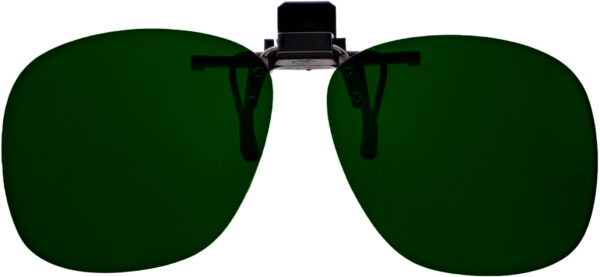
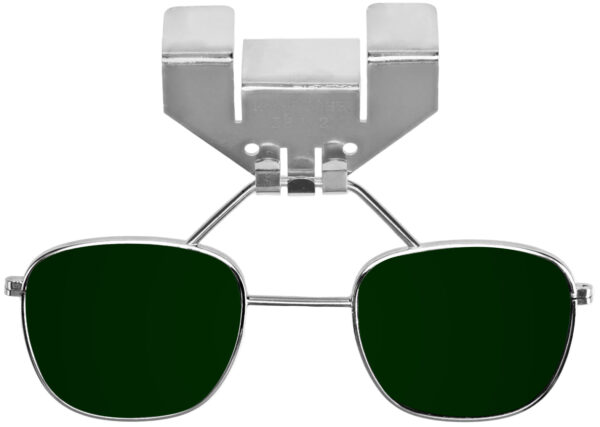
To ensure safety during brazing and torching operations, it is essential to consider the offerings from Phillips Safety. Our extensive collection comprises a wide range of safety products specifically designed for these activities. We provide welding glasses and clip-ons with diverse lens colors and shades, along with an assortment of welding lenses and welding windows. Additionally, our selection includes welding screens to further enhance protection. Prioritizing safety is paramount, and Phillips Safety is committed to providing reliable solutions for a secure working environment during brazing and torching endeavors.

If you still aren’t sure which safety products are right for you, it’s a good idea to give us a call at 1-866-575-1307 or talk to us through our chat or e-mail us at service@phillips-safety.com

Our experts will be able to tell you what you need for your application.

SHOP BRAZING AND TORCHING SAFETY PRODUCTS

Why use radiation protection glasses for fluoroscopy room

Fluoroscopy, a type of continuous X-ray imaging used to monitor moving body parts, is crucial for many medical procedures. However, it poses significant risks to the eyes of operating technicians due to radiation exposure. Using radiation protection glasses is essential to safeguard these medical professionals.

WHAT IS FLUOROSCOPY

Fluoroscopy involves longer and more complex procedures than standard X-rays, increasing the risk of skin burns and long-term effects like cancer. Therefore, controlling radiation doses is critical.

RISKS OF FLUOROSCOPY

Fluoroscopy involves longer and more complex procedures than standard X-rays, increasing the risk of skin burns and long-term effects like cancer. Therefore, controlling radiation doses is critical.

While patients may undergo fluoroscopy only a few times, technicians face repeated exposure. The FDA mandates regular maintenance of fluoroscopy equipment to prevent radiation leaks. The imaging team, including technicians and surgeons, must follow strict safety protocols and wear protective gear.

Impact of X-Rays on Eyes

Long-term exposure to X-rays can lead to cataracts, a condition where the eye lens becomes clouded, impairing vision. The National Eye Institute notes that cataracts can result from aging, trauma, or radiation exposure, often manifesting years later.

Radiation Exposure During Fluoroscopy

During fluoroscopy, X-rays can scatter off the patient’s body, creating “back scatter” radiation that may hit the technician. The level of exposure depends on safety measures in place, including the use of protective eyewear and the technician’s position relative to the patient.

The International Commission on Radiological Protection states that the threshold for radiation-induced eye damage from a single dose is 500 REMs, and 800 REMs for cumulative exposure. Technicians performing frequent fluoroscopy procedures are at risk of nearing these thresholds.

Using Protective Eyewear

Protective eyewear significantly reduces the risk of eye damage, decreasing radiation exposure by 70% to 98%. Combining protective glasses with proper safety protocols and situational awareness can greatly mitigate risks, preventing long-term health issues.

CONCLUSION

Radiation protection glasses are crucial for protecting the eyes of medical personnel working with fluoroscopy. They help minimize the risk of cataracts and other radiation-induced eye conditions, ensuring a safer working environment in medical imaging. For more information, please contact us.

If you still aren’t sure which radiation glasses are right for you, it’s a good idea to give us a call at 1-866-575-1307 or talk to us through our chat or e-mail us at service@phillips-safety.com

Our experts will be able to tell you what you need for your application.

SHOP RADIATION GLASSES

Protective Eyewear for Visible Lasers: Dangers of Industrial Laser Beams

Visible laser lights are concentrated beams of energy. If aimed at a person’s eye from a close proximity, then most of the energy will go through the eye’s pupil. The energy from the laser will actually become more concentrated and focused due to diffraction. Diffraction is when there is a slight bending of light as it passes through the eyes. The concentrated light from the laser becomes hyper focused and turned into a sharp dot in the eye’s retina.

Most laser pointers and laser pens have a laser diode that emits a visible light. Most laser pointers that are available to consumers do not exceed 5 milliwatts of power output. Commercial lasers or the type of lasers that are utilized in a medical setting tend to be much more powerful. However, even a laser pointer fixed with one milliwatts of power output can cause damage and injury. Medical and professional grade lasers can cause instant damage that can lead to potential blindness.

Even though our blinking reflex protects us from the power output of a weak laser, professional grade laser can cause instantaneous injury even if our blinking reflexes kick in. As the output energy from a laser increases also does the chance of injury. A laser that has a 10 to 20 milliwatts output can accidentally blind someone if it directly hits the retina at a close range. The FDA issued a note stating that lasers that emit more than 5 milliwatts of power can cause irreversible eye damage.

The Hazards of Visible Lasers and at Risk People

Green laser lights also pose a danger. Green laser light emits invisible infrared light that can have several milliwatts of power. Many cheap green laser lights that aren’t fixed with an IR filter can emit a green light with an output that can potentially surpass 20 milliwatts of power.

Many lasers that can pop balloons tend to be a common trend in parties and social gatherings. These higher power laser pointers won’t only pop balloons, but they can also cause burns. At close range, some of these higher power balloons can omit more than 250 milliwatts of power.

Even though most people are cognizant about the potential hazards of lasers, there are still certain demographics that can be subjected to this potential danger. Young adults who want to impress with a laser can potentially blind themselves if they aim the laser into their eyes. Sometimes the laser pointer or pen is modified, increasing its chance of causing injury.

Many pilots and medical professionals who work with machinery are also at a risk of high-power lasers. Since 2004, more than 2,800 incidents relating to lasers has occurred in the United States alone. Many pedestrians point lasers at pilots, which can confuse pilots.

Many doctors, including dermatologists, work with lasers to deodorize and resurface the skin. Laser equipment that is mishandled can pose a threat to patients and medical professionals.

Staying safe with Protective Eyewear for Visible Lasers protective eyewear for lasers come in different form factors including goggles and glasses. They are all suitable for military, research, education, and occupational purposes.

The Hazards of Visible Lasers and at Risk People

Green laser lights also pose a danger. Green laser light emits invisible infrared light that can have several milliwatts of power. Many cheap green laser lights that aren’t fixed with an IR filter can emit a green light with an output that can potentially surpass 20 milliwatts of power.

Many lasers that can pop balloons tend to be a common trend in parties and social gatherings. These higher power laser pointers won’t only pop balloons, but they can also cause burns. At close range, some of these higher power balloons can omit more than 250 milliwatts of power.

Even though most people are cognizant about the potential hazards of lasers, there are still certain demographics that can be subjected to this potential danger. Young adults who want to impress with a laser can potentially blind themselves if they aim the laser into their eyes. Sometimes the laser pointer or pen is modified, increasing its chance of causing injury.

Many pilots and medical professionals who work with machinery are also at a risk of high-power lasers. Since 2004, more than 2,800 incidents relating to lasers has occurred in the United States alone. Many pedestrians point lasers at pilots, which can confuse pilots.

Many doctors, including dermatologists, work with lasers to deodorize and resurface the skin. Laser equipment that is mishandled can pose a threat to patients and medical professionals.

Staying safe with Protective Eyewear for Visible Lasers protective eyewear for lasers come in different form factors including goggles and glasses. They are all suitable for military, research, education, and occupational purposes.

For many occupations, The United States Occupational Safety and Health Administration requires the use of protective eyewear when dealing with lasers.

Protective eyewear are fixed with filtering optics that can protect the eyes from the wavelengths of light coming from the lasers. Protective eyewear needs to be fixed with the specific filter optics to filter out specific lasers. Filter optics works by scattering the energy from the laser.

When selecting protective eyewear for visible lasers, it is important that you select one of that is made with quality in mind. Inferior products may not be effective against lasers that emit more than one wavelength of light.

Protective eyewear is rated against the optical density. Optical density absorbs certain wavelengths of power, quickly absorbing it. You want to select eyewear with the right optical density for the lasers used in your industry.

Your laser safety officer would know what type of eyewear is required as well as set forth safety parameters to protect employees.

Selecting the Right Protective Eyewear

It’s important to understand that there is an ever-expanding number of laser types and sophisticated laser systems in the medical, cosmetic, and material processing industry. It is important to work closely with your laser safety officer when it comes to selecting high-performance eyewear with the right optical density. But generally speaking, you want to select protective eyewear that:

Ensure Comfort for Extended Wear

For some industries, many workers and employees will be wearing laser safety goggles for several hours at a time. Make sure that the glasses and goggles provide comfort even during extensive wear.

Handle Maximum Permissible Exposure (M.P.E.)

The maximum permissible exposure is the highest power output that is considered safe or has an extremely small chance of damaging the eyes of the wearer. You want protective eyewear that can manage this M.P.E. level at a benchmark significantly below the probability of damage. This will not only protect your employees, but also from lawsuits due to negligence.

If you do not have a laser officer in staff, then we will work with you to make sure that you are equipped with the right protective eyewear. Please contact us and learn about our free consultation. We will help conceptualize an optical density calculation that is safe to use with your laser systems. For branding opportunities, we also offer custom pad printing on all of our laser glasses.

If you still aren’t sure which laser safety glasses are right for you, it’s a good idea to give us a call at 1-866-575-1307 or talk to us through our chat or e-mail us at service@phillips-safety.com

Our experts will be able to tell you what you need for your application.

SHOP LASER SAFETY GLASSES

Ten benefits of Passive Welding filters

Welding, while crucial, presents inherent risks to the welder, particularly concerning the intense heat generated. Protective gear is paramount, with protective lenses being a vital component. In the realm of protective lenses, two main types exist: passive and auto-darkening. Passive lenses maintain a constant level of shade to protect the welder’s eyes from harmful light, providing consistent protection without the need for batteries or adjustments. While auto-darkening lenses have gained popularity, there remain compelling reasons to opt for passive filters.

TEN ADVANTAGES OF PHILLIPS SAFETY PASSIVE WELDING FILTERS

1. OPTICAL CLARITY

Passive filters offer superior optical clarity compared to auto-darkening counterparts. This clarity enhances detail visibility, crucial for welding precision and quality. With passive filters, welders can achieve better performance, resulting in heightened customer satisfaction.

2. VERSATILITY

Unlike auto-darkening filters with limited shade options, passive filters offer the ability to swap between different shades. This versatility ensures welders can adapt to various light conditions effortlessly, optimizing their performance.

3. COST-EFFECTIVENESS

Welding can be harsh on equipment, with filters often needing replacement. Passive welding filters, being cost-effective, allow for easy replacement without breaking the bank. This affordability ensures welders can maintain a ready supply of filters without financial strain.

4. LIGHTWEIGHT DESIGN

Traditional helmets housing passive welding filters are notably lightweight, offering increased comfort and agility to welders. The reduced weight facilitates quick adjustments, enhancing overall work efficiency.

5. BATTERY-FREE

Unlike auto-darkening lenses reliant on batteries, passive welding filters operate without the need for power sources. This eliminates interruptions caused by battery changes, enabling welders to maintain focus and workflow consistency.

6. SIMPLIFIED OPERATION

Passive filters eliminate the need for sensitivity controls, streamlining the welding process. With preset sensitivity levels, welders can seamlessly engage in their work without the hassle of adjustments, saving valuable time and effort.

7. ENHANCED COMFORT

Comfort is paramount in safety equipment, as discomfort can lead to distractions and potential hazards. Passive welding filters are designed with wearer comfort in mind, reducing the need for frequent helmet readjustments and ensuring uninterrupted focus on the task at hand.

8. ENHANCED SAFETY

Welding filters are indispensable for eye protection, and passive filters excel in ensuring welder safety. Investing in quality welding filters is essential for preventing eye injuries and maintaining long-term ocular health.

9. EXTREMELY DURABLE

Phillips Safety passive welding filters boast exceptional durability, capable of withstanding prolonged use without compromising performance. Unlike fragile auto-darkening filters, passive filters offer robust construction, minimizing the need for frequent replacements.

10. SIMPLICITY

 Simplified installation and operation make passive welding filters ideal for both novice and experienced welders alike. The straightforward design enhances user convenience, making it a preferred choice among welding professionals.

In conclusion, welding filters are indispensable for ensuring worker safety and optimizing welding performance. For premium-quality passive welding filters tailored to your specific needs, contact Phillips Safety today. We’re dedicated to providing the best passive welding filter solutions for your welding endeavors.

If you still aren’t sure which welding lenses are right for you, it’s a good idea to give us a call at 1-866-575-1307 or talk to us through our chat or e-mail us at service@phillips-safety.com

Our experts will be able to tell you what you need for your application.

SHOP PASSIVE WELDING FILTER LENSES

Enhancing Worksite Safety: The Crucial Role of Occupational Safety Eyewear

Occupational safety eyewear holds immense importance in every workplace, just like the quality of the eyewear materials themselves. Whether your employees work in industrial or medical fields, safeguarding their eyes is crucial for accident prevention. Unfortunately, many workers find safety glasses uncomfortable, which leads to reluctance in wearing them. Additionally, finding specialized safety glasses for specific situations, such as reading or prescription needs, can be challenging.

At Phillips Safety Products, we have developed a range of safety glasses that address these issues. Our safety glasses not only tackle comfort concerns but also offer durability and quality. Plus, we believe that safety glasses should never compromise on quality, so our glasses are designed to fit easily over the face, eliminating the discomfort associated with forcing them on during physical labor.

THE BENEFITS OF BIFOCAL AND READING SAFETY GLASSES

For employees who need to read while performing hazardous tasks, our safety reading glasses provide the perfect solution, offering both comfort and convenience. These glasses are not ordinary over-the-counter reading glasses; they feature polycarbonate impact-resistant lenses that are ten times more resistant to impact than standard glass lenses. Moreover, they are lightweight and durable, ensuring they won’t break if accidentally dropped.

With various frame styles available, our safety reading glasses provide employees with improved ease in their work. Similarly, our bifocal safety glasses function like regular bifocal eyewear, but with the added benefit of polycarbonate lenses that offer shatter resistance against flying objects. These glasses also incorporate a reading area at the bottom of the lens, eliminating the need for frequent glasses changes while on the job.

It’s not uncommon for some of your staff to express dissatisfaction with the comfort of the bifocals they wear at home. They may find the frames uncomfortable, but they have to stick with them due to nearsightedness. One might wonder why wraparound bifocals weren’t invented years ago to provide enhanced comfort. Fortunately, now your employees can have the best of both worlds with wraparound bifocal safety glasses. These glasses offer a snug fit, ensuring they feel comfortable on the face. The rubber nose bridge prevents red marks or sores, and you can even choose from different lens colors to add a touch of style while employees wear them throughout the day. Plus, customization options include various magnification levels for added convenience.

ADAPTIVE EYE PROTECTION

Thanks to advancements in technology, safety glasses lenses can now adapt to changing lighting conditions. Your employees may work in industrial settings where lighting frequently shifts as they move between indoor and outdoor environments. If your workplace is sunny, safety glasses with photochromic lenses can quickly darken within seconds and then revert back to clear in less than a minute.

These glasses respond to UV light, providing crucial eyesight protection for your employees when working outdoors. Essentially, they offer UV protection shades integrated into durable safety glasses suitable for any work environment. With spring-hinge temples and adjustable nose bridges, these glasses provide a secure and comfortable fit, allowing your entire team to wear them for hours without fatigue.

EXPLORING THE DIVERSITY OF SAFETY GLASSES

If you’ve previously invested in lower-quality medical safety glasses, you understand the importance of providing adequate protection for your employees. When working with patients or handling sensitive medical materials, preventing debris from entering workers’ eyes is crucial. Medical safety glasses are designed with a wraparound structure to ensure no foreign objects or liquids can cause harm. These glasses also feature anti-fog coating, commonly used in the military, to ensure clear visibility. Comfort is prioritized in medical safety glasses, with durable rubber materials used for enhanced wearability.

When your employees require prescription glasses to effectively use safety eyewear, you can provide them with the necessary solution. Prescription safety glasses offer protection against hazards while providing the same level of customization as regular glasses. This includes access to designer eyewear brands and specialized glasses for specific industries such as glassworking or radiation-related work. To explore these safety glasses options, including those available on our sister site, RX Safety, please contact us at Phillips Safety Products.

In conclusion, the significance of occupational safety eyewear cannot be overstated in any workplace. It is essential to prioritize the quality and comfort of the eyewear materials to ensure employee compliance and overall safety. At Phillips Safety Products, we have developed a comprehensive range of safety glasses that address common concerns and challenges faced by workers. Our commitment to excellence is reflected in the design of our safety glasses, which provide superior comfort and durability with polycarbonate impact-resistant lenses.

If you still aren’t sure which safety glasses to get, it’s a good idea to give us a call at 1-866-575-1307 or talk to us through our chat or e-mail us at service@phillips-safety.com

Our experts will be able to tell you what you need for your application.

SHOP SAFETY GLASSES

Occupation Safety Eyewear: the Importance of Goggles on the Job

Eye protection is a critical part of any job. This is because your eyes are a crucial part of your body and are incredibly sensitive. It isn’t just about people avoiding paint or leaves from irritating their eyes; it is about protecting them against everyday hazards. Eye injuries cost companies millions of dollars each year, and the majority of these injuries could have been prevented. Here are just some of the reasons why having the right safety goggles are a crucial part of your job.

Staggering Statistics

One of the biggest reasons why companies focus on eye protection and safety is because of the large number of workers injured each year. According to the U.S. Department of Labor, there are an estimated 1,000 eye injuries in the workplace every day. While the majority of these injuries occur in craftwork and industrial equipment operation, there are potential hazards present in almost every industry.

Over 40 percent of the eye injuries that occurred happened to mechanics, plumbers, carpenters, sanders, assemblers, and other operatives. Of those injured workers, only two in five were wearing proper eye protection. That means out of 1,000 workers, about 600 got more severe injuries than if they had been wearing goggles or could have avoided the injury entirely – a large number that is costing companies millions.

What Causes Eye Injuries in the Workplace?

While each industry is a little different, the majority of eye-related injuries are caused by small particles cutting the eye. These small strikes are caused by dust, wood chips, metal slivers and other small objects. Sparks from working with industrial equipment also strike the eyes, causing a variety of issues. In most cases, the object that hurt the worker was smaller than a pinhead.

Large injuries can still occur, as it isn’t uncommon to see nails or staples in the workplace. Chemical burns can also have a great effect on the eyes, although these types of injuries are much less common. Other industrial workers, such as welders, can also be affected by thermal burns or other workplace hazards that affect the eyes over time.

How Safety Goggles Make a Difference

Goggles are designed to shield the eyes and prevent small and large objects from reaching the eyes and surrounding area. They seal off the area with a hard plastic, which helps to reduce the amount of blunt force that affects the eyes from a flying object. Depending on the materials being used, the goggles can also help protect against chemical burns and sparks.

Eye protection is also designed to help in situations where head-to-toe protection is required. While most people don’t envision industrial workers needing full-body PPE, there are several unique situations when it is required. Employees working with chemicals in production, for example, often need to be covered to protect their entire bodies from burns. Why would you ignore the eyes and protect the rest of the body?

What Causes Eye Injuries in the Workplace?

While each industry is a little different, the majority of eye-related injuries are caused by small particles cutting the eye. These small strikes are caused by dust, wood chips, metal slivers and other small objects. Sparks from working with industrial equipment also strike the eyes, causing a variety of issues. In most cases, the object that hurt the worker was smaller than a pinhead.

Large injuries can still occur, as it isn’t uncommon to see nails or staples in the workplace. Chemical burns can also have a great effect on the eyes, although these types of injuries are much less common. Other industrial workers, such as welders, can also be affected by thermal burns or other workplace hazards that affect the eyes over time.

How Safety Goggles Make a Difference

Goggles are designed to shield the eyes and prevent small and large objects from reaching the eyes and surrounding area. They seal off the area with a hard plastic, which helps to reduce the amount of blunt force that affects the eyes from a flying object. Depending on the materials being used, the goggles can also help protect against chemical burns and sparks.

Eye protection is also designed to help in situations where head-to-toe protection is required. While most people don’t envision industrial workers needing full-body PPE, there are several unique situations when it is required. Employees working with chemicals in production, for example, often need to be covered to protect their entire bodies from burns. Why would you ignore the eyes and protect the rest of the body?

Avoiding Long Term Problems with Goggles

While the amount of injuries in the United States is an important number to focus on, the main reason you should be wearing goggles is to help you prevent long-term injuries. Permanent vision damage, for example, can develop over time as an employee is exposed to bright lights or chemicals. These slow-developing problems are not thought about every day and can be difficult to treat.

By selecting the right kind of protective goggles and ensuring they fit properly, you are protecting yourself from a wide variety of injuries. No one should ever have to risk a lifetime of disability just to perform their job correctly.

Simple, Easy to Use PPE

One of the biggest reasons why eye injury statistics are upsetting is that they were preventable. Due to constant innovation in PPE, goggles are becoming more comfortable and easy to wear. While some industries may require more elaborate eye protection, the majority of industrial workers can get full protection simply by securing the goggles to their head with a simple strap.

The issue is that not every business has PPE available or educates its workers about the importance of eyewear. One of the easiest ways to combat this is to develop a formal PPE policy and include it in every employee’s training. That way, every employee knows where to find eye protection, when they should be wearing it, how to get a replacement, and what to do if they cannot find their goggles.

If you are in an industrial workplace, then you need to ensure that you are always wearing personal protection equipment or PPE. Occupation safety eyewear is important to every workplace and should never be overlooked for convenience’s sake.

Get Safety Goggles for Your Workplace

While OSHA standards require businesses to provide their workers with proper eye protection, not every company has effective eyewear available. Either they do not understand the job hazards, are concerned about affordability, or just aren’t sure what is available. Luckily, training and education are available for both employees and employers.Safety experts are available to help you understand the importance of proper eye protection. They can also explain how to maintain equipment and help you determine if your employees should be wearing goggles.

Safety goggles play a much bigger role in the workplace than most people think. With a large number of eye injuries being easily preventable, why put you or your employees at risk? To learn more about the role of PPE and protective eyewear, please contact us today.

If you still aren’t sure which safety goggles are right for you, it’s a good idea to give us a call at 1-866-575-1307 or talk to us through our chat or e-mail us at service@phillips-safety.com

Our experts will be able to tell you what you need for your application.

SHOP SAFETY GLASSES

What should you look for in Laser Safety Glasses?

Laser therapy has changed the medical profession. The ability to efficiently eliminate cancerous tissues or make more precise cuts has enabled doctors to save thousands of lives. While lasers are an excellent tool, they present a significant risk to the user. Your eyes are especially at risk. Laser safety glasses allow medical professionals to keep their eyes safe throughout every procedure. While laser safety glasses are important, there are key components to look for in your glasses.

1. Comfort: It seems frivolous to worry about comfort when choosing laser safety glasses, but it is still critical. If your glasses are uncomfortable, then you may readjust them. One moment of readjustment can cause significant damage to your eyes. Keeping your glasses on throughout the procedure is critical. Before you pick your glasses, be sure that they are comfortable.

2. High-quality lenses: Your glasses will endure years of use, and they must remain effective throughout each use. To save money, you might consider buying a cheaper pair of glasses that feature a low-quality lens, but this is not ideal. A low-quality lens may get damaged or become less effective over time. Quality lenses come in both plastic and glass varieties. Be sure you can trust the lens manufacturer when purchasing your laser safety glasses.

3. Field of view: All eyewear inhibits your peripheral vision to an extent. Usually, you will point your face towards the operation, but in more complicated procedures losing peripheral vision can change the outcome. A reduced field of view may disorient you throughout the procedure. When purchasing your laser safety glasses be sure to find a field of view that makes you comfortable. Those that wear glasses on a daily basis; might prefer the field of view from the glasses. People that do not regularly wear glasses will prefer a more expansive field of view. Gauge your need to have a large field of view when purchasing laser safety glasses.

4. What wavelengths are protected? Lasers come in a broad range of wavelengths, from 180 all the way to 11500. Each wavelength impacts materials differently. Unfortunately, laser safety glasses cannot cover every wavelength of light. What type of light will you be using? Check the lasers you use for your procedures. Usually, safety glasses offer protection from a range of wavelengths. Read the descriptions carefully when purchasing your glasses.

1. Comfort: It seems frivolous to worry about comfort when choosing laser safety glasses, but it is still critical. If your glasses are uncomfortable, then you may readjust them. One moment of readjustment can cause significant damage to your eyes. Keeping your glasses on throughout the procedure is critical. Before you pick your glasses, be sure that they are comfortable.

2. High-quality lenses: Your glasses will endure years of use, and they must remain effective throughout each use. To save money, you might consider buying a cheaper pair of glasses that feature a low-quality lens, but this is not ideal. A low-quality lens may get damaged or become less effective over time. Quality lenses come in both plastic and glass varieties. Be sure you can trust the lens manufacturer when purchasing your laser safety glasses.

3. Field of view: All eyewear inhibits your peripheral vision to an extent. Usually, you will point your face towards the operation, but in more complicated procedures losing peripheral vision can change the outcome. A reduced field of view may disorient you throughout the procedure. When purchasing your laser safety glasses be sure to find a field of view that makes you comfortable. Those that wear glasses on a daily basis; might prefer the field of view from the glasses. People that do not regularly wear glasses will prefer a more expansive field of view. Gauge your need to have a large field of view when purchasing laser safety glasses.

4. What wavelengths are protected? Lasers come in a broad range of wavelengths, from 180 all the way to 11500. Each wavelength impacts materials differently. Unfortunately, laser safety glasses cannot cover every wavelength of light. What type of light will you be using? Check the lasers you use for your procedures. Usually, safety glasses offer protection from a range of wavelengths. Read the descriptions carefully when purchasing your glasses.

5. Optical Density: Glasses are rated for a particular wavelength, but they also receive an optical density rating. Optical density is the factor by which the lens reduces beam power. Optical density is set-up on a logarithmic scale. A lens with an optical density of 2 will reduce beam power by 100. Usually, lenses with higher optical density are safer. Lenses with an optical density of 5 are used for powerful lasers while lenses with an optical density of 2 or 3 are meant for laser alignment. If you are working with high-intensity lasers, then you definitely will need a higher optical density. When reading the description, the initials OD will be used. Be sure to check the optical density on your next set of laser safety glasses.

6. Ability to work with prescription eyewear: Many medical professionals wear prescription glasses to work on a daily basis. Some may choose to wear contacts with their safety glasses, but for some that just is not an option. If you wear prescription glasses, then you should look carefully for safety wear that works with your prescription eyewear. Many protective eyewear companies are sensitive to this need. Some companies offer fit over, which simply go over your normal glasses. These work well, but some feel they are too bulky. Some companies put prescription lenses into your laser safety glasses. This offers a more streamlined option. Look carefully through the catalog of options to find the perfect eyewear for you.

7. Style: Style matters, especially in the professional setting. You want your clients to find your appearance reassuring, and you deserve to like the way you look. For years, there were few style choices. Fortunately, safety wear manufacturers now provide different styles. There should be several frame options. From the sleek styles to more goggle based designs. Some companies have started offering a range of frames as well. There will Shop around to ensure that you find the style that works for you.

8. Visible Light Transmission: When performing medical procedures being able to see is critical. Missing a crucial detail can be the difference between life and death. All laser safety glasses inhibit your vision to some extent. Safety glasses are designed to block laser light from entering your eyes, but while blocking the laser, they also block visible light. The higher the optical density, the less visible light that gets through. You must decide how much visible light you will need to perform your procedures. When shopping for laser safety glasses, each pair will feature visible light transmission percentage. This number might be high or relatively low depending on the wavelength that is blocked. When comparing similar glasses, you should always choose one with a higher visible light transmission.

Lasers are changing medicine. These lasers have saved numerous lives, but they also require the proper equipment. Laser safety glasses are essential for many medical procedures. When choosing your next pair of safety glasses make sure you know which features you need. If you need help finding your next pair of laser safety glasses, then contact us. We will happily guide you towards the right pair of glasses.

If you still aren’t sure which laser safety glasses are right for you, it’s a good idea to give us a call at 1-866-575-1307 or talk to us through our chat or e-mail us at service@phillips-safety.com

Our experts will be able to tell you what you need for your application.

SHOP LASER SAFETY GLASSES

Enhancing Welder Safety: The Role of Correct Safety Eyewear

Worker safety is a fundamental component of sound business strategies. Personal protective equipment encompasses a wide range of tools, barriers, signs, and various other measures. Among these safety precautions, the significance of occupational safety eyewear cannot be overstated. Numerous individuals, including doctors, glass workers, and construction workers, engage in daily tasks that jeopardize the well-being of their eyes. Welders, in particular, confront substantial hazards such as eye injuries or ailments resulting from exposure to airborne particles, fumes, or radiation.

Welding emits both visible light, which can be harmful, and invisible rays such as ultraviolet (UV) and infrared (IR) radiation. Although invisible radiation is not immediately noticeable to workers, it can cause damage that may only become apparent years later. Radiation exposure is a daily occurrence for people, from sources like sunlight, light bulbs, and microwaves. However, welding presents a heightened risk due to the concentrated light intensity and frequent exposure associated with the job.

THE IMPORTANCE OF ADEQUATE EYE PROTECTION IN WELDING ENVIRONMENTS

The hazards of welding extend beyond welders themselves; employees working in the surrounding area can also be exposed to potentially harmful light. While protecting workers from hazardous light exposure is crucial, welding lenses and goggles offer multiple layers of eye protection. They safeguard the eyes against risks such as heat, sparks, and debris. However, not all types of welding can be adequately protected with lenses and goggles alone.

In the case of arc welding, a full face mask may be necessary. To ensure the safety of welders, the U.S. Occupational Safety and Health Administration (OSHA) has set forth the requirement OSHA 1910.133(a)(5). It states that “The employer shall ensure that each affected employee uses equipment with filter lenses that have a shade number appropriate for the work being performed for protection from injurious light radiation”. This regulation aims to protect welders from potential harm caused by excessive light radiation.

Moreover, shielded metal arc welding, gas metal arc welding, and flux cored arc welding necessitate filter lenses with a minimum protective shade of 7, with the highest required minimum being 11. For carbon arc welding, a minimum shade of 14 is required, while gas welding calls for a minimum shade of 4.

OSHA advises a specific approach for selecting lenses. Initially, opt for a shade that is darker than necessary to view the weld zone. Then, gradually transition to a lighter shade that provides an adequate view while still meeting the minimum requirement. This recommendation ensures proper protection while maintaining sufficient visibility for the welding task at hand.

ENSURING EYE WELL-BEING IN WELDING: RISKS AND PREVENTION

Failure to wear proper protection during welding can lead to various conditions, including a painful eye ailment known as photokeratitis. This condition, also referred to as snow blindness and arc eye, is described by the American Academy of Ophthalmology (AAO) as akin to having a sunburned eye. It affects both the cornea, the clear front part covering the iris and pupil, and the conjunctiva, which lines the inner eyelids and covers the white portion of the eye. While the damage caused by photokeratitis is typically not permanent, it can cause significant pain, discomfort, and irritation. Treatment may involve avoiding bright lights for a certain period, which may require temporary absence from work. The severity of symptoms varies based on the duration of exposure and may include sensitivity to bright light, halos around objects, pain, blurred vision, redness, teary eyes, headaches, swelling, and a sensation of grittiness or the feeling of having sand in the eye.

Insufficient protection for workers’ eyes also poses the risk of developing cataracts, a condition in which the normally clear lens of the eye becomes cloudy. Symptoms of cataracts include cloudy vision, frequent changes in eyewear prescription, double vision, and sensitivity to light. Currently, the only effective treatment for cataracts is surgery. It is far preferable to prevent this condition, if possible, by wearing appropriate eye safety protection while engaging in welding activities.

As mentioned earlier, welders are not the only individuals potentially exposed to welding hazards. There is a risk to others who may enter the area temporarily. Some companies utilize shield curtains to safeguard non-welders from welding-specific hazards. However, depending on the circumstances, this may not always be the most optimal or feasible solution. Additionally, certain welding tasks may require consultation or review by others, necessitating close proximity. In such cases, clear polycarbonate lenses that meet the American National Standards Institute (ANSI) Z87.1-2003 standard could be the preferred choice for protection. These lenses can temporarily shield workers in the vicinity from flying particles and a significant amount of UV light.

To ensure adequate protection from light, fumes, flying particles, and slag, there are numerous options available for welders and others. However, the most optimal protection is typically achieved by combining UV blocking lenses or goggles with a face shield or helmet. While the face shield itself should have shading, it is important to note that welders often lift up the face shield during work. Therefore, the spectacles worn should possess the necessary filtering capabilities to safeguard the eyes from intense UV and IR light.

In terms of Personal Protective Equipment (PPE), OSHA has established comprehensive requirements. These requirements encompass various aspects such as ensuring the equipment is in a sanitary and reliable condition, as well as outlining the employer’s responsibilities when employees provide their own equipment. OSHA also provides guidance on effective communication with employees regarding potential hazards and mandates proper training for the correct use of equipment. Furthermore, if an employee typically wears prescription glasses, OSHA stipulates that the PPE either incorporates the prescription or fits appropriately over the existing glasses.

In conclusion, protecting the eyes of welders and workers in welding environments is of utmost importance to ensure their safety and well-being. By utilizing proper eye safety measures, such as UV blocking lenses or goggles along with a shaded face shield or helmet, the risks associated with intense light, fumes, flying particles, and slag can be effectively mitigated. Compliance with OSHA regulations, including the use of filter lenses with appropriate shade numbers for different welding processes, is essential to safeguard against injurious light radiation. For a comprehensive range of welding safety products, make sure to check out Phillips Safety’s collection to ensure the highest level of eye protection in welding environments.

If you still aren’t sure which welding eyewear is right for you, it’s a good idea to give us a call at 1-866-575-1307 or talk to us through our chat or e-mail us at service@phillips-safety.com

Our welding experts will be able to tell you what you need for your application.

SHOP WELDING SAFETY EYEWEAR

The Importance of Eyewear in Occupational Safety

Many occupations involve activities that present hazards to the eyes. The most obvious one is likely welding – it is well-known that the light created from arc welding can cause blindness. Other occupations that require eye protection aren’t as easy to spot. Glassworkers need protection from both brightness and airborne debris, those who work with lasers need to keep the concentrated light out of their eyes, and medical workers need eyewear to block x-rays and other radiation. Here are some of the ways these and other workers protect their eyes:WeldersWelding presents a variety of hazards to vision. It creates IR (infrared) energy, UV (ultraviolet) light, and extreme levels of visible light. Eye protection for welders must block all of these forms of light-based radiation in order to be sufficient.There are several types of eyewear that can be used for welding jobs. The most minimal is a pair of flip-up shields that fit directly onto regular glasses. These are useful for people who usually don’t have to weld, and when they do, will spend only a short time at the task. People who do more welding are better off with welding goggles, which provide coverage all around the sides of the unit as well as in front.

People who weld all day long typically want a more robust form of coverage – the welder’s helmet.This headgear protects the eyes from light damage, but that’s just the start. It also covers the entire face so that sparks and debris can’t fly up and cause burns.

Even though green is the standard color for the glass used in welding eyewear, it isn’t the only one available. Welders can choose from gold mirrored and cobalt blue as well as the green. Specialty welding filters are also available.GlassworkersWorking with glass presents some unique challenges when it comes to protecting the eyes. This is because the color of the light generated changes according to the chemical composition of the hot glass. For this reason, lenses made to protect a glassworker’s eyes come in a variety of colors. Each lens color protects from exposure to certain parts of the light spectrum while ensuring that the worker can still clearly see the pieces being worked.The type of protection can also be customized with this eyewear. Lenses protect from IR, UV, and sodium flare. Multiple types of protection can exist in one lens type. Lenses can also be ground to the user’s prescription to eliminate the need to wear a double set of glasses.Medical PersonnelAs people trained in the health fields, medical personnel surely know a lot about the importance of eyewear to occupational safety. This isn’t just because of their medical schooling, but because many aspects of health diagnostics require the use of specialized glasses or goggles. The dangers that must be dealt with in this industry are often invisible, but are hazardous just the same.

One of the most well-known invisible hazards in health care is radiation. This radiation comes in many forms, from the x-rays most people are familiar with to the radiation therapy used to treat cancer. Personnel must protect their entire bodies from exposure since they work with these invisible rays all day long. This includes the eyes, which would normally be some of the body’s most exposed parts. Eyewear used for this purpose doesn’t have to protect against impacts, but depending on the level and source of radiation, may still need to provide full coverage for the eyes. Therefore, it is available in many styles, ranging from glasses that look like standard prescription ones all the way to goggles with thick plastic frames. Facility operating standards will typically guide personnel on the technical requirements of their eyewear.

Laser AttenuationLasers are also hazards to medical personnel. In the health care field, lasers can be powerful enough to perform surgery, so they’re nothing to be trifled with. Laser-proof eyewear is a must for anyone working with or near surgical lasers. It’s also needed for protection against being hit in the eyes by lasers used for diagnostics and other such tasks.Choosing anti-laser glasses requires knowing which wavelengths are used by the lasers in question. This is because the lenses are made to attenuate specific ones rather than providing broad protection. The optical density of the laser must also be taken into consideration.Laser-resistant glasses come in a variety of types and styles, so they can be customized to meet the challenges presented. Typically, the frames will wrap around to prevent the light from entering through the sides. Goggle versions can have solid sides too, but some have wraparound lenses so peripheral vision is only minimally affected. All styles should be stamped with which wavelengths they protect against so that the right pair can easily be chosen by personnel even if multiple choices are present.These are just some of the many occupations that need safety glasses with unique protective properties. Many others rely on glasses, goggles, and even windowed helmets to protect themselves from light and heat. Radiation and laser glasses are also needed more and more often. Even those who use powerful, modern laser pointers on a regular basis can find that eye protection is needed.To learn about which types of eyewear are needed to protect your eyes on the job, just contact us or visit our site. We’ll be glad to provide suggestions to keep your eyes safe from any sort of work-related hazard.

From Flames to Frames: Selecting the Perfect Safety Glasses for Lampworking

The art of lampworking has gained significant popularity in recent years, emerging as an enjoyable hobby. It offers a remarkable avenue for self-expression, resulting in exquisite creations that are often captivating in their beauty. The masterpieces crafted through lampworking serve as delightful gifts, captivating conversation starters, and potentially lucrative ventures for those who have honed their artistic skills. This engaging pursuit is particularly suited for individuals who relish the satisfaction of diligently working towards a magnificent final product and cherish moments of solitude dedicated to their personal creative endeavors.

Like any hobby, lampworking carries its share of hazards, and it is essential to be aware of them. One of the inherent risks associated with lampworking is the potential for eye damage. This can occur due to various factors, including the shattering of glass, exposure to harmful ultraviolet (UV) and infrared (IR) light, as well as irritation caused by sodium flare. Being mindful of these risks and taking appropriate precautions is crucial to ensure the safety and well-being of your eyes during the lampworking process.

Ensuring proper education and awareness before engaging in lampworking is crucial to avoid potential risks. Unfortunately, many individuals dive into this hobby without adequate knowledge about eye safety and the importance of appropriate eyewear. It is a common misconception that wearing clear safety goggles or regular sunglasses provides sufficient eye protection. However, in reality, neither of these options offers comprehensive safeguarding during torch work. In fact, relying on regular sunglasses can be counterproductive as they can cause the pupils to dilate, allowing significant amounts of infrared light to enter the eyes. To effectively protect your eyes during lampworking, it is essential to invest in specialized eyewear designed specifically for this purpose.

SELECTING THE BEST EYEWEAR FOR LAMPWORKING

While the process of selecting appropriate eyewear may initially appear daunting, and the cost of high-quality options may be a consideration, it is imperative and worthwhile to invest in a reliable pair of glasses that can adequately safeguard your eyes. After all, without healthy vision, appreciating the beauty of the art you create would be challenging. When determining the suitable safety glasses to purchase, the key factor to consider is the type of glass you will be working with. Artists using “soft glass” like soda lime glass or lead glass will require different protection compared to those working with borosilicate glass, commonly referred to as “hard glass”.

It is essential to conduct thorough research and weigh the pros and cons of different types of glass before settling on a specific one for your lampworking endeavors. For instance, “soft glass” exhibits lower melting temperatures but is less tolerant of temperature changes compared to borosilicate glass. Conversely, borosilicate glass comes at a higher cost than soda lime glass or lead glass. You might find it desirable to have the flexibility of working with various glass types based on your creative inspiration. In such cases, it is crucial to ensure you have the appropriate safety eyewear for each type of glass. Consider exploring clip-on lenses, as they can offer a more affordable and convenient solution for owning multiple sets of safety eyewear.

Once you have determined the type of glass you will be working with, it is time to explore the available options for safety glasses. For lampworking with “soft glass”, the preferred lens is typically the Phillips 202, commonly known as “rose glass” or “didymium”. This lens effectively blocks UV light and sodium flare. Alternatively, we offer the Sodium Flare Poly lens as an alternative. Made of lightweight plastic rather than glass, this lens provides the same level of protection as the Phillips 202 but may have a shorter lifespan. It is a suitable choice, particularly for beginners, due to its affordability and lighter weight.

If you are interested in working with borosilicate glass alongside or instead of soda lime glass or lead glass, it is essential to choose a lens that provides protection from infrared, UV light, and sodium flare. For this purpose, we recommend two options: the BoroView 3.0 and the BoroView 5.0. The BoroView 3.0 lens is ideal for individuals working on smaller torch-work projects like beads and marbles, as well as those using clear borosilicate glass. On the other hand, the BoroView 5.0 lens is well-suited for those working with colored borosilicate glass or undertaking larger projects such as large vessels. Additionally, the BoroView 5.0 is a suitable choice for individuals working with thick rods.

These lenses are available in various frame types to accommodate your preferences and needs. In addition to standard safety glasses, we offer goggles and frames with side shields for added protection. Our collection also includes stylish frames that not only prioritize safety but also provide a fashionable aesthetic for your work environment. Moreover, clip-on lenses offer a practical solution for individuals who wear prescription glasses regularly. They are also convenient for those requiring multiple types of protection, as discussed earlier.

LAMPWORKING EYE PROTECTION BY PHILLIPS SAFETY

In conclusion, while pursuing the art of lampworking can be a fulfilling and captivating hobby, it is essential to prioritize eye safety to avoid potential hazards. Understanding the type of glass you will be working with is crucial in selecting the right lenses, whether it is soft glass or borosilicate glass. Considering factors such as UV and infrared light protection, sodium flare prevention, and lens durability will guide you towards the most suitable eyewear choice.

At Phillips Safety, we understand the importance of protecting your eyes during your lampworking journey. That’s why we offer a wide range of safety glasses designed specifically for lampworking. Whether you’re working with “soft glass” or borosilicate glass, we have the perfect lens filters to meet your needs. Browse through our extensive collection of frames and explore the six different lampworking lens filters we offer. For those engaged in glass blowing, our Light Green lens filter is an excellent choice. With our high-quality safety glasses, you can work confidently, knowing that your eyes are well-protected.

If you still aren’t sure which lampworking glasses are right for you, it’s a good idea to give us a call at 1-866-575-1307 or talk to us through our chat or e-mail us at service@phillips-safety.com

Our lampworking experts will be able to tell you what you need for your application.

SHOP LAMPWORKING GLASSES

Seven Essential Features to Look for in Occupational Safety Eyewear

Numerous professions pose hazards to workers’ eyes, including construction, welding, and certain medical fields. To safeguard against such risks, it is crucial to wear occupational safety eyewear. However, selecting the wrong type of eyewear can prove detrimental. Therefore, it is imperative to identify specific critical features when choosing occupational safety eyewear.

In this article, we will delve deeper into the seven key features that are critical to ensure the effectiveness of occupational safety eyewear. These features include high impact rating, proper fit, necessary filters, ability to accommodate prescription lenses, design, customer feedback, and durability. By understanding each of these features, you can make informed decisions when purchasing occupational safety eyewear and ensure maximum protection against eye injuries.

THE KEY FEATURES OF OCCUPATIONAL SAFETY EYEWEAR

  1. High impact rating: High impact resistance is an important feature of occupational safety eyewear, particularly in jobs where high-velocity materials are common. These hazardous particles can severely damage the eyes on impact, leading to permanent injury. Hence, safety eyewear undergoes rigorous testing for high mass impact, requiring the lens to withstand a one-inch diameter projectile weighing about a pound dropped from a height of fifty inches. This test provides critical insights into the lens’s ability to withstand collisions with significant objects. Additionally, safety eyewear must undergo high-velocity impact testing, where a quarter-inch steel ball is fired at 150 feet per second at the lens. These tests may seem extreme, but they are necessary to ensure optimal safety for the wearer. A plus mark rating is assigned to safety glasses that pass these tests, indicating their high level of protection. If your occupation involves a substantial amount of airborne particles, it is essential to invest in safety glasses with a plus mark rating for optimal protection.
  1. Proper fit: Selecting safety eyewear with the correct fit is necessary for multiple reasons. Firstly, in certain professions, a loose-fitting pair of glasses can leave your eyes vulnerable to potential hazards. For instance, in laser-related work, it is imperative to avoid any laser contact with the eyes, as exposure to lasers can cause permanent eye damage. By choosing a perfectly fitting lens, you can protect your eyes from harm and ensure optimal comfort. Comfortable eyewear can help you remain focused on your tasks without the need for frequent adjustments that can expose your eyes to unnecessary risks and distract you from your work.
  2. Necessary filters: In numerous occupations, safety glasses are necessary to shield you from heat or radiation exposure. Welding filters, for instance, must provide protection against the intensity of the welding torch, while laser safety glasses must block laser beams. To safeguard against radiation, these safety glasses are fitted with a specific filter. As such, when buying safety glasses it is vital to carefully read the product description and ensure that the filter aligns with your requirements. With a wide range of filters available for safety glasses, each serving a distinct purpose, it is essential to assess the equipment you will be working with to determine the appropriate filter for your safety glasses.
  3. Ability to accommodate prescription lenses: Seventy-five percent of the US population wears corrective lenses, and many of them work in professions that mandate safety equipment. While it is possible to work without your prescription eyewear, your performance will undoubtedly suffer. Fortunately, some safety glasses are designed to accommodate your glasses under the protective gear. Alternatively, some occupational safety eyewear can be made with your prescription. You only need to provide your prescription information, and your glasses will be tailored to your needs. When purchasing safety eyewear, make sure to consider your prescription eyewear requirements.
  1. Design: While it may seem superficial, the design of your safety glasses is actually a relevant factor to consider. It’s important to look professional and put-together in the workplace, whether you’re dealing with clients or colleagues. If you’re self-conscious about your unflattering safety glasses, you may find yourself constantly adjusting them, which can be a distraction from your work. Fortunately, many safety gear manufacturers like Phillips Safety understand the importance of style and offer a variety of designs to choose from. Select a style that complements your features and makes you feel confident. Feeling and looking your best can boost your performance, so don’t overlook style when choosing your safety gear.
  2. Customer feedback: Thousands of professionals use safety gear in your industry on a daily basis. Their experiences and feedback can help you find the best safety eyewear for your needs. It’s recommended to read multiple user reviews before purchasing safety eyewear. Most safety gear stores provide online reviews, and there are also review sites dedicated to safety gear. By carefully reviewing user feedback, you can gain valuable insight into the advantages and disadvantages of different safety eyewear options, which can help you make an informed decision about the best safety gear for your job.
  3. Durability: Occupational eyewear is an investment that should last a long time, especially since it needs to withstand tough conditions in hazardous workplaces. As such, durability is a critical factor to consider when choosing safety glasses. If the eyewear wears out easily, then it’s not worth the investment. Opt for safety gear that is built to withstand the rigors of your job. Choosing durable safety eyewear will not only keep your eyes protected but also save you money in the long run. Remember, your eyesight is invaluable, and wearing durable occupational safety eyewear is essential to ensure its protection.

WHY YOU NEED TO CHOOSE THE RIGHT OCCUPATIONAL SAFETY EYEWEAR

Selecting the right occupational safety eyewear is critical to ensure maximum protection against eye injuries. It is important to identify and understand the seven essential features, including high impact rating, proper fit, necessary filters, ability to accommodate prescription lenses, design, customer feedback, and durability. By considering these features, you can make informed decisions when purchasing safety eyewear and avoid any potential risks.

Safety eyewear manufacturers like Phillips Safety offer a wide range of options that prioritize comfort, style, and functionality. Ultimately, prioritizing safety should be the number one goal when choosing occupational safety eyewear, and by considering the seven essential features and browsing through Phillips Safety’s collection, you can ensure optimal protection for your eyes.

If you still aren’t sure which safety glasses are right for you, it’s a good idea to give us a call at 1-866-575-1307 or talk to us through our chat or e-mail us at service@phillips-safety.com

Our experts will be able to tell you what you need for your application.

SHOP SAFETY GLASSES

Glass Blowing Safety Glasses: Everything you need to know about keeping safe!

Glass blowing is one of those tradespeople think very little about in modern-day society. Something that fell out of favor sometime between the Renaissance and the Industrial Revolution. After all, anything on display at a historical reenactment must have been replaced by technology at some point, right? That’s wrong. Glass blowing is still alive and vital as an industrial and artistic trade.

On the one hand, the tools and processes of Glass blowing are more advanced than they were in the days when artisans heated Glass on the end of a clay rod and then blew down that rod to shape the molten Glass. On the other hand, the trade is still something an old-world glassblower would recognize if he saw how Glass blowing works. Something we have today that old-time glassblowers didn’t have in the past, though, is a full grasp of the dangers of working with molten Glass. Fortunately, we have developed safety equipment to protect us from those dangers. Even now, it has taken us years to realize the risks associated with Glass blowing to your eyes.

THE IMPORTANCE OF PROTECTIVE EYEWEAR IN GLASS BLOWING

Glass Blowing Safety Glasses have improved over the years to help fully protect the worker. The immediate dangers that come to mind when you think about Glass blowing are Molten Glass dripping onto unprotected skin, high temperatures causing contact burns, or hot air searing the glassblower’s lips and lungs are just a start. However, even if someone can avoid all of those hazards, there’s still the danger of exposing your eyes to molten Glass.

The melting of the Glass process creates ultraviolet and infrared light, damaging one’s eyesight over time. That’s why glassblowers need protective gear that blocks UV and IR light but doesn’t reduce their visibility in the shop to see the Glass they’re working on or where they are walking. It’s also why most glass workers tend to have a variety of safety glasses on hand, so they always have something appropriate for the type of Glass blowing they’re doing.

LENS VARIETIES IN GLASS BLOWING SAFETY: MATCHING PROTECTION TO PRACTICE

The lenses are the most important part of Glass blowing safety glasses, and the specific lenses will vary depending on the type of Glass blowing. The most common Glassblowing lenses are the Light Green IR Lenses that protect your eyes from infrared and ultraviolet light but do not filter out sodium flare or yellow light. This makes them ideal for workers who are doing strictly offhand Glass blowing or who are simply doing general kiln work.

Consider a combination lens if you do other types of hot glass work. If you do Glass blowing and some torch work or lampworking, consider the borotruview lenses. These lenses offer UV and IR protection to a 3.0 Shade Equivlancy and filter out 99.99% of the Yellowish sodium flare that comes off the torch. They are an excellent choice for people who want to use the lenses for Lampworking and glassblowing all in one filter.

STYLE AND PROTECTION: NAVIGATING FRAME CHOICES IN GLASSBLOWING SAFETY GLASSES

The second part of picking out the correct glassblowing safety glasses is the frame style you choose to wear. While this might seem simple on the surface, there are many options. For example, glass-blowing safety glasses can look like any other pair. They can also come in fitovers, wraparounds, retro frames, hole face shields, and clip-ons for glassblowers who already wear prescription glasses.

The types of frames a glassblower needs, like the kinds of lenses in those frames, will vary based on your needs and style. For a glassblower to still have steady hands and keen eyes, it’s essential to use the proper safety gear every time you fire up the kiln. Phillips Safety Products is here to make your job as safe as possible so you can keep working safely on your trade.

If you still aren’t sure which glass blowing safety glasses are right for you, it’s a good idea to give us a call at 1-866-575-1307 or talk to us through our chat or e-mail us at service@phillips-safety.com

Our experts will be able to tell you what you need for your application.

SHOP GLASS BLOWING SAFETY GLASSES

Do You Need Special Glasses to Protect Against Laser Pointers?

In some places, laser pointers are used so commonly that they’re taken for granted. Common use, however, does not mean that the pointers are entirely safe. In fact, it’s the people who use them the most that have the biggest need for glasses that protect against laser pointers. This is because heavy users are the ones who get the most exposure to the laser light and are more likely to end up accidentally looking at it directly. Compounding this issue is the fact that the pointers are more powerful now than they were at the time they were first introduced to the market.
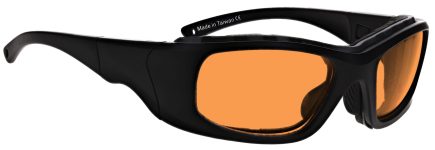
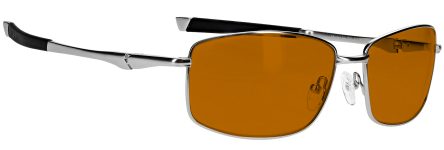
Laser Pointers Aren't All the Toys They Once Were

When laser pointers first came about, the consumer versions were little more than toys. This is still true of the inexpensive ones sold in places like convenience stores. Now, however, the ones sold for professional use are much stronger – strong enough to cause temporary blindness. If eye exposure happens repeatedly, it can even cause further problems with vision. It’s clear that in some cases, it’s worth it to wear special glasses that protect against exposure to laser light.

Eye problems aren’t the only dangers associated with laser pointers. Some modern pointers are strong enough to pop balloons or even light cigarettes. These can easily cause burns to the skin much like those that would be produced by exposure to hot wax. Of course, lasers this strong can cause even more eye damage than normal ones, so it’s very important to be careful with them.

Flash Blindness

This type of blindness results from sudden exposure to bright light. Many people experience it after looking at the flash of a camera. Bright lasers cause the same effect. When this type of blindness is experienced, the biggest problem is usually the increased chance of accidents during the time vision is affected. Because of this fact, pilots should always wear glasses that protect against the effects of having a laser beam hit the eyes. Although the FAA has warned against pointing lasers at planes and even has put fines in place to punish those who do this, some people – especially children – don’t realize the danger and don’t know about the fines. This means that there is still a chance that a pilot will be blinded by ground-based laser pointers.

Flash blindness is also a problem in other professions. Anyone who operates moving equipment in an environment where laser pointers are in use should wear protective glasses. The same is true of people who are subject to frequent exposure to laser light and simply don’t like not being able to see every time it happens.

Laser Pointers Aren't All the Toys They Once Were

When laser pointers first came about, the consumer versions were little more than toys. This is still true of the inexpensive ones sold in places like convenience stores. Now, however, the ones sold for professional use are much stronger – strong enough to cause temporary blindness. If eye exposure happens repeatedly, it can even cause further problems with vision. It’s clear that in some cases, it’s worth it to wear special glasses that protect against exposure to laser light.

Eye problems aren’t the only dangers associated with laser pointers. Some modern pointers are strong enough to pop balloons or even light cigarettes. These can easily cause burns to the skin much like those that would be produced by exposure to hot wax. Of course, lasers this strong can cause even more eye damage than normal ones, so it’s very important to be careful with them.

Flash Blindness

This type of blindness results from sudden exposure to bright light. Many people experience it after looking at the flash of a camera. Bright lasers cause the same effect. When this type of blindness is experienced, the biggest problem is usually the increased chance of accidents during the time vision is affected. Because of this fact, pilots should always wear glasses that protect against the effects of having a laser beam hit the eyes. Although the FAA has warned against pointing lasers at planes and even has put fines in place to punish those who do this, some people – especially children – don’t realize the danger and don’t know about the fines. This means that there is still a chance that a pilot will be blinded by ground-based laser pointers.

Flash blindness is also a problem in other professions. Anyone who operates moving equipment in an environment where laser pointers are in use should wear protective glasses. The same is true of people who are subject to frequent exposure to laser light and simply don’t like not being able to see every time it happens.

Preventing Eye Damage and Flash Blindness from Laser Pointers

In some cases, common sense isn’t enough to control exposure to laser light. If many people in a meeting are using lasers, the chance of someone accidentally pointing their light in the wrong place increases. Another situation that commonly leads to unwanted exposure is when children get their hands on a pointer. Kids are far more prone to think of them as toys even when told otherwise, and they’ll likely have some fun by putting red (or green) dots on everyone within range. In the latter case, the best thing to do is take the pointers away from the kids and give them extra drills on safe use.

One situation that can catch people by surprise arises when lasers are pointed at mirrored surfaces or objects with a similar shine. The light will reflect off of the surface and can hit people who the user thought was out of the way of the beam.

Using Anti-Laser Glasses or Goggles

When the decision is made to use glasses or goggles to block laser light, it’s important to choose the right kind. This is because laser pointers are commonly made in one of two colors: red or green. Some glasses are made to block both sets of wavelengths, but others can only provide protection from one or the other. Glasses that offer protection from light in the 615nm-700nm wavelengths, for example, protect against red laser light. Usually, the glasses will note their active bands in plain English, so there won’t be a need to memorize the specific wavelengths of each type of laser pointer.

Even though red and green are the most common colors for laser pointers, there are a few that produce light on more unique wavelengths. Blue is one that is becoming more popular lately, but other colors are also possible. If exposure to these colors is expected, choose glasses that include those wavelength bands in their spectra of protection. Some glasses are made to block multiple colors of laser light. These are most useful for people who face exposure from a variety of pointers, but they also make it easy for anyone to just grab a pair and be all set.

Preventing Eye Damage and Flash Blindness from Laser Pointers

In some cases, common sense isn’t enough to control exposure to laser light. If many people in a meeting are using lasers, the chance of someone accidentally pointing their light in the wrong place increases. Another situation that commonly leads to unwanted exposure is when children get their hands on a pointer. Kids are far more prone to think of them as toys even when told otherwise, and they’ll likely have some fun by putting red (or green) dots on everyone within range. In the latter case, the best thing to do is take the pointers away from the kids and give them extra drills on safe use.

One situation that can catch people by surprise arises when lasers are pointed at mirrored surfaces or objects with a similar shine. The light will reflect off of the surface and can hit people who the user thought was out of the way of the beam.

Using Anti-Laser Glasses or Goggles

When the decision is made to use glasses or goggles to block laser light, it’s important to choose the right kind. This is because laser pointers are commonly made in one of two colors: red or green. Some glasses are made to block both sets of wavelengths, but others can only provide protection from one or the other. Glasses that offer protection from light in the 615nm-700nm wavelengths, for example, protect against red laser light. Usually, the glasses will note their active bands in plain English, so there won’t be a need to memorize the specific wavelengths of each type of laser pointer.

Even though red and green are the most common colors for laser pointers, there are a few that produce light on more unique wavelengths. Blue is one that is becoming more popular lately, but other colors are also possible. If exposure to these colors is expected, choose glasses that include those wavelength bands in their spectra of protection. Some glasses are made to block multiple colors of laser light. These are most useful for people who face exposure from a variety of pointers, but they also make it easy for anyone to just grab a pair and be all set.

To learn more about lasers and how to mitigate the dangers associated with them, just contact us. We’ll be glad to help you choose the right glasses and implement other safety measures.

If you still aren’t sure which laser pointer safety glasses are right for you, it’s a good idea to give us a call at 1-866-575-1307 or talk to us through our chat or e-mail us at service@phillips-safety.com

Our experts will be able to tell you what you need for your application.

SHOP LASER POINTER SAFETY GLASSES

Become a Distributor

Volume Discount