Investing in Protection: More Key Reasons to Replenish Your Stock of Radiation Safety Glasses

Medical and scientific organizations operate within a complex framework of responsibilities. Safeguarding patient data in accordance with increasingly stringent standards, ensuring employee safety, and maintaining business sustainability are perpetual requirements that exist alongside the core mission of providing quality healthcare and conducting reliable analyses. In this context, radiation safety glasses play a crucial role in addressing these underlying concerns.

While their primary function is to protect the eyes of healthcare professionals and staff from radiation-related harm, these glasses offer additional benefits that extend beyond individual well-being. By incorporating radiation safety glasses into your operations, you actively safeguard your business, foster its growth, and enhance its reputation. The following points illustrate how this is achieved.

SMART RISK MANAGEMENT: ENSURING LOW RISK VALUATION AND REDUCED PROFESSIONAL LIABILITY

Insurance stands as a substantial financial burden for businesses, particularly those operating in the medical services or medical technology sectors. In addition to general commercial liability coverage, the necessity for professional liability insurance (commonly known as errors and omissions insurance) is heightened, given the heightened potential for exceedingly costly claims. While obtaining this coverage is imperative for your business, insurance companies may perceive it as a risky undertaking. However, through the implementation of appropriate safety equipment and internal policies, you can effectively alter their perception and mitigate their concerns.

By surpassing the bare minimum safety standards, your business becomes inherently safer to insure. Insurance companies undertake a comprehensive evaluation process that takes numerous factors into account. These factors may include the history of liability claims against your business or employees, as well as the frequency of equipment updates. Insurance agencies specialized in your industry are typically well-versed in the safety requirements specific to your field, and maintaining a higher standard can significantly diminish the perceived risk associated with your company.

While the United States does not currently mandate the use of radiation safety glasses in professional settings where employees are exposed to concentrated radiation levels, implementing this requirement within your organization showcases your commitment to employee safety. Moreover, such a measure reduces the likelihood of costly eye examinations, surgeries, and treatments resulting from potential eye damage caused by radiation exposure. The inclusion of radiation safety glasses, alongside other mandated safety equipment, can foster greater trust from insurance companies, particularly when they provide medical insurance coverage for your company.

Ensuring the utmost safety for your employees goes beyond implementing a policy; it hinges on the quality and efficacy of the radiation glasses used. It is imperative to possess detailed specifications for your inventory of radiation glasses to confirm that their protective capabilities surpass or at least match the level of radiation they are designed to safeguard against. Ideally, your company’s lead glasses should provide protection equivalent to a 0.75 mm thick lead sheet. If the glasses fall short of this standard, or if their frames are outdated and bulky, deterring employees from their usage, it is essential to acquire new glasses. This investment serves as tangible proof of your unwavering commitment to employee safety and significantly increases the likelihood of employee compliance with the policy.

Mitigating the risk of claims arising from unsafe advice or actions is paramount for your company. While the absence of a government requirement for radiation safety glasses may create a perception of safety, it does not guarantee immunity from potential claims. A single instance of an employee incorrectly asserting that it is safe to be near fluoroscopy and x-ray equipment with radiation safety glasses can have severe consequences, despite the absence of federally mandated safety protocols. Given that your business operates within a technical or professional domain, it can be held liable for negative outcomes resulting from advice or actions.

Attempting to regulate informal explanations or slip-ups in speech, even under the best circumstances, can prove challenging and prone to misunderstandings. Thus, implementing a requirement for eye protection serves as a robust solution. By mandating the use of safety equipment, you minimize the possibility of misunderstandings and reduce the likelihood of long-term eye complications. Even if your company is not at fault, settling a claim entails legal expenses that can have enduring implications on your insurance rates and insurability. In such instances, concrete policies that enforce the use of safety equipment prove to be the most effective in protecting everyone involved.

SUSTAINABLE EMPLOYEE DEVELOPMENT: THE ROLE OF HEALTH PROTECTION

Maintaining a stable workforce through employee retention offers significant advantages to businesses compared to a cycle of hiring and firing. Your employees are highly skilled professionals who possess a deep understanding of your business operations, fostering a valuable sense of trust that allows you to concentrate on growth and innovation. While acquiring new employees can be beneficial, particularly during business expansion, it is crucial to avoid employee attrition due to health issues or negative experiences. By prioritizing employee well-being and ensuring a positive work environment, businesses can cultivate a loyal and productive workforce, driving long-term success.

Positioning yourself as an exemplary employer can significantly impact your ability to attract top talent. Prospective candidates can quickly assess whether a company prioritizes its employees during the early stages of the application process. Regardless of the size or recognition of your company’s brand, its reputation as an employer carries substantial weight. The most esteemed reputation is not solely built on offering the highest salaries; it stems from an organization’s commitment to fostering a positive culture, providing excellent benefits, and implementing effective management practices. By cultivating a professional workforce that emphasizes safety and provides comfortable, high-quality safety equipment, you demonstrate to job seekers that you are a desirable employer. Establishing a reputation as a commendable employer expands your pool of highly skilled applicants, allowing you to choose from a wider range of talent.

Safeguarding the well-being of your employees is essential in maintaining a stable and productive workforce. Neglecting to prioritize their safety can lead to vision impairments and hinder their performance both professionally and personally, which ultimately affects their longevity in the field. Employees who diligently adhere to wearing appropriate safety glasses and other protective gear while working with concentrated radiation are more likely to remain in their careers for an extended period. They exhibit higher levels of efficiency, accuracy, and job satisfaction, which contribute to improved productivity and enhanced work outcomes. Additionally, their prolonged tenure increases the likelihood of specialization within your company, enabling the pursuit of more specialized projects and expanding your organization’s capabilities. Prioritizing the protection of your employees fosters a supportive work environment that facilitates professional growth and overall success.

Prioritizing the preservation of your employees’ health is a wise investment that can have a positive impact on various aspects of your business, including health insurance rates. By emphasizing proactive measures to protect their eyes from the outset of their employment, the likelihood of eye-related issues significantly decreases. This not only benefits the overall well-being of your workforce but also contributes to maintaining affordable health insurance rates for your company. The detrimental effects of early-onset cataracts and other eye problems not only burden the company’s health insurance expenses but may also translate into increased insurance premiums for individual employees. Consequently, this financial strain could potentially lead to employee attrition or the abandonment of individual vision coverage. Implementing a comprehensive eye safety policy, even at a later stage, can mitigate these risks.

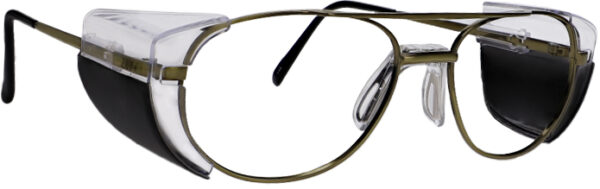
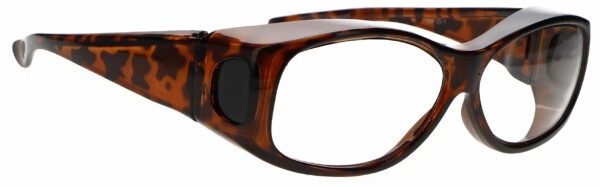
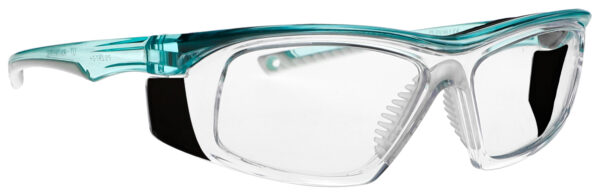
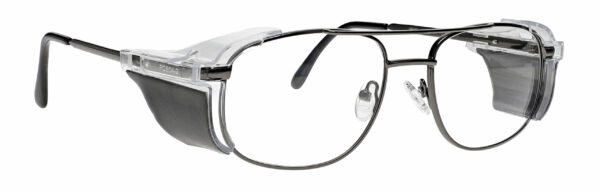
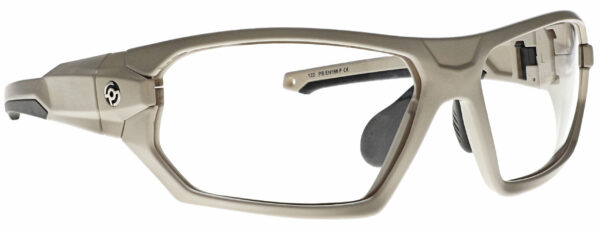
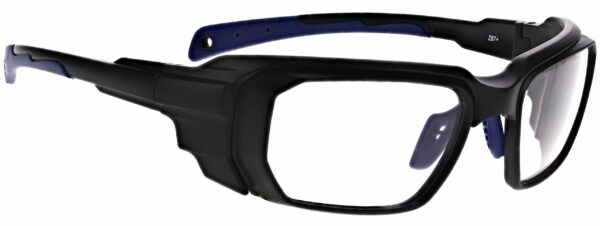
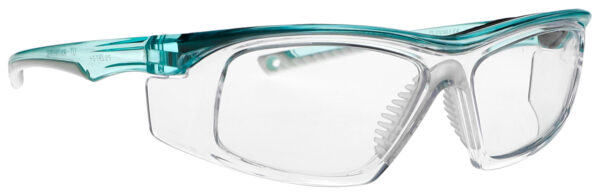
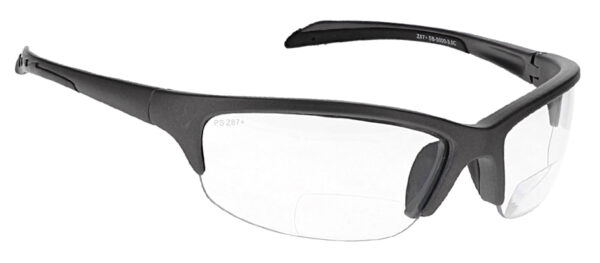
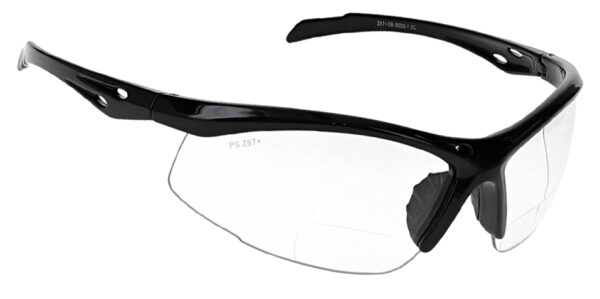
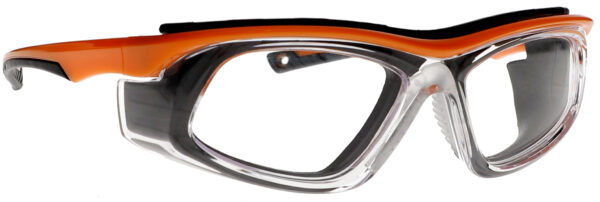
At Phillips Safety, you can find a wide range of radiation safety glasses that provide exceptional ocular protection. Our collection includes a variety of frames and wrap-around glasses, ensuring that each employee receives the necessary safeguarding for their eyes.

Make sure to click here to read the first part of this article, with other key reasons to replenish your stock of radiation safety glasses.

If you still aren’t sure which radiation glasses are right for you, it’s a good idea to give us a call at 1-866-575-1307 or talk to us through our chat or e-mail us at service@phillips-safety.com

Our radiation experts will be able to tell you what you need for your application.

SHOP RADIATION GLASSES

Ensuring Employee Protection: The Vital Role of Safety Glasses in Fluoroscopy Labs and Hospitals

Extend your commitment to safety beyond lead aprons and protective collars in your fluoroscopy practices. It’s crucial to recognize that every exposed area of skin and tissue is susceptible to radiation. While modern fluoroscopy machines incorporate improved safety features, it remains essential to provide your technicians with comprehensive protective barriers for their hands, face, and eyes, not just their torso. Make radiation safety glasses a mandatory part of your required safety equipment, enabling your employees to safeguard their vision and skin effectively.

Ensuring the safety of nurses, technicians, and physicians in your lab requires a combination of well-defined policies and proper safety equipment. While practices such as careful handling of fluoroscopy tools and limiting radiation exposure time are crucial, they alone are not sufficient to prevent potential harm. It is imperative to provide a comprehensive range of protective gear, including lead aprons, protective collars, and safety glasses.

THE DANGERS OF INSUFFICIENT EYE PROTECTION IN A FLUOROSCOPY LAB

The primary risk for medical staff lies in scattered radiation. Although they do not directly encounter the primary x-ray beam, x-rays scatter off every surface, including the patient. Numerous uncontrollable factors can influence the extent of scatter, making it essential to prioritize the defense of vulnerable targets rather than solely focusing on containing the x-rays. By recognizing the significance of this scattered radiation risk, you can take the necessary steps to safeguard your staff effectively.

In the context of exposure to radiation, traditional x-ray labs necessitate a significant level of protection. When it comes to fluoroscopy, which involves continuous x-ray imaging rather than isolated bursts of radiation, the associated risks become even more pronounced. It becomes crucial to safeguard any organs that may potentially be exposed, particularly for patients undergoing repeated sessions and technicians working in these environments.

Among the various organs, the eyes are particularly vulnerable due to their delicate nature. Unlike other body parts, eyes cannot be adequately shielded using conventional lead aprons or coverings, which has resulted in a slower adoption of radiation safety glasses. Therefore, it is important to address the unique health concerns related to eye protection in radiation environments.

Prolonged exposure to ionizing radiation, particularly in the context of long-term work in a fluoroscopy lab, significantly increases the risk of developing cataracts. Cataracts occur when proteins in the lens of the eye accumulate, leading to the obstruction of light and subsequent cloudiness in vision. Over time, untreated cataracts can progressively worsen, causing partial or complete blindness. While the development of cataracts is a gradual process and a single incident of unprotected exposure may not have immediate harmful effects, labs that do not prioritize eye protection are more prone to recurrent incidents over time or lack the necessary equipment to safeguard technicians effectively. Therefore, proactive measures must be taken to mitigate these risks and ensure the well-being of individuals working in radiation environments.

The skin surrounding the eyes is particularly sensitive and prone to erythema, or skin inflammation. In addition to safeguarding the eyes, radiation safety glasses serve an important role in blocking scattered x-rays from reaching the eyelids and the surrounding skin. Erythema can result from exposure to various irritants, including radiation. While exposure to ionizing radiation doses exceeding 2 Gy can cause redness and hair loss, higher doses above 10 Gy, although less likely, have the potential to permanently damage the skin by causing dermal hardening or thinning. It is crucial to prioritize the use of safety glasses to mitigate these risks and protect the delicate skin around the eyes from the harmful effects of radiation.

Radiation exposure also poses an increased risk of cancer, emphasizing the need to restrict whole-body exposure, particularly in the context of fluoroscopy labs where constant exposure is likely. The International Commission on Radiological Protection (ICRP) and the National Council on Radiation Protection & Measurements (NCRP) establish limits for overall radiation exposure. While safety glasses are just one component of this comprehensive approach, they play a crucial role in protecting against both general stochastic risks and specific ocular cancers. To ensure safety, the NCRP has set the radiation dose limit for eye lenses at 15,000 millirems per year. By adhering to these guidelines and incorporating radiation safety glasses, individuals can mitigate the potential hazards associated with radiation exposure.

FURTHER MEASURES TO PROTECT LAB EMPLOYEES

By implementing a multi-layered approach to physical protection and updating safety procedures in accordance with international standards, you can significantly enhance the safety of your fluoroscopy lab. It is crucial to align your laboratory protocols with the International Basic Safety Standards for Protection Against Ionizing Radiation and the Safety of Radiation Sources.

Regularly consulting with your hospital administrator and radiation safety officer is essential to ensure that your established procedures align with the latest safety guidelines and dose limits. Consider advocating for the mandatory use of lead safety glasses as a standard safety measure for all individuals exposed to radiation within your lab or hospital. Each institution may have its own policies and guidelines, so it is important to evaluate and implement the appropriate measures to safeguard your employees’ health.

It is crucial to assess and evaluate the radiation risks faced by different subgroups of your staff in the lab or hospital. Doctors, nurses, and technicians may experience varying levels of radiation exposure based on factors such as their specific roles and responsibilities, as well as variations in work schedules and shifts. By analyzing the workload patterns within your facility, including peak hours, days, and seasonal variations, you can gain insights to effectively manage and regulate exposure. This information can be used to implement strategies such as scheduling adjustments or workload redistribution, ensuring that all employees are protected and kept safe from excessive radiation exposure.

Maintaining exposure levels below the established dose limit is crucial for ensuring the safety of employees in your lab. The ICRP has set a limit of 20 mSv for occupational exposure, although additional restrictions may apply depending on the specific requirements of your lab or different roles within the facility. Utilizing thermoluminescent dosimetry allows for accurate measurement of radiation exposure, providing valuable data to drive policy changes if necessary. Regular audits of exposure information play a vital role in employee safety, as they enable you to analyze the effectiveness of older or damaged safety glasses that may need replacement. Furthermore, these audits help assess whether older fluoroscopy tools are exposing patients and staff to radiation doses that exceed acceptable limits, prompting the need for appropriate actions to mitigate such risks.

Identifying outliers is essential in mitigating the risks associated with radiation exposure. While rearranging workloads and adjusting exposure intervals are straightforward strategies, there may be other less apparent factors at play. By leveraging data, you can gain valuable insights to refine your operations and further enhance safety measures. Analyzing data allows you to uncover hidden patterns, identify areas of improvement, and implement targeted interventions to minimize radiation risks effectively.

Ensuring lab safety encompasses the vital inclusion of radiation safety glasses. These essential protective gear not only safeguard your technicians and staff from potential accidents and short-term radiation exposure, but they also play a significant role in mitigating the long-term risks, such as cataract development. Prioritizing the well-being of your employees not only reduces expenses but also enhances employee retention. If you are in need of new safety glasses for your fluoroscopy lab, make sure to check Phillips Safety’s radiation collection, where you can find a wide range of safety glasses designed with appropriate protective thresholds and high-quality materials.

If you still aren’t sure which radiation glasses are right for you, it’s a good idea to give us a call at 1-866-575-1307 or talk to us through our chat or e-mail us at service@phillips-safety.com

Our radiation experts will be able to tell you what you need for your application.

SHOP RADIATION GLASSES

Sun Gazing Protective Glasses

As the warm days of summer beckon us outdoors, many eagerly embrace the sunshine after months of wintry weather. However, amidst the beauty of the bright sun lies a hidden danger – the risk of eye damage from gazing directly at its rays. In this blog post, we’ll delve into why wearing protective glasses during sun gazing is essential for safeguarding your vision, and how Phillips Safety Products offers a variety of eyewear options to ensure your eyes stay safe while enjoying the great outdoors.

The Importance of Sun Gazing Protective Glasses

The Need for Protection

Whether you’re admiring a breathtaking sunset or witnessing the awe-inspiring sight of a solar eclipse, it’s crucial to prioritize eye safety. Sun gazing protective glasses from Phillips Safety Products are designed to shield your eyes from harmful solar radiation, preventing potential damage to your retinas and preserving your ability to see clearly.

Expert Advice

According to experts like Dr. Joseph Chacko from the University of Arkansas for Medical Sciences, prolonged exposure to the sun’s rays can lead to irreversible eye damage, including retinal burns and vision loss. Even a brief glance at the sun without proper protection can have detrimental effects on your eyesight. Therefore, it’s paramount to wear protective glasses whenever you plan to look directly at the sun, especially during events like solar eclipses.

Specialized Eyewear

Phillips Safety Products offers a range of protective glasses tailored specifically for sun gazing, including solar eclipse viewing glasses with dark lenses that block out over 99% of ultraviolet light and 97% of infrared radiation. These glasses provide the necessary protection to enjoy phenomena like solar eclipses safely, ensuring that you can witness the wonders of the sky without putting your vision at risk.

Preventing Eye Damage

The consequences of sun gazing without protective glasses can be severe, ranging from blurred vision to permanent retina damage. As NASA experts caution, the retina lacks pain receptors, meaning damage can occur before you even realize it. Therefore, adhering to safety guidelines and wearing ISO-certified protective glasses whenever you gaze towards the sun is essential for preserving your eye health.

Introduction to Our Collection for Eye Protection

At Phillips Safety Products, we are dedicated to safeguarding your vision in various environments and activities. Our extensive collection of protective eyewear is designed to meet the highest standards of safety and comfort, ensuring that your eyes are shielded from potential hazards. Whether you’re gazing at the sun during a solar eclipse, engaged in specialized industrial tasks, or enjoying outdoor adventures, our range of protective glasses has you covered. Explore our carefully curated selection to find the perfect eyewear solution for your needs.

Conclusion

In conclusion, don’t let the allure of the sun’s beauty overshadow the importance of eye safety. Whether you’re captivated by a stunning sunset or enthralled by the spectacle of a solar eclipse, remember to wear protective glasses from Phillips Safety Products to safeguard your vision. By prioritizing eye protection, you can fully immerse yourself in the wonders of the sky while ensuring a lifetime of clear and healthy vision.

If you still aren’t sure which safety glasses are right for you, it’s a good idea to give us a call at 1-866-575-1307 or talk to us through our chat or e-mail us at service@phillips-safety.com

Our experts will be able to tell you what you need for your application.

SHOP SOLAR ECLIPSE GLASSES

Radiation Safety Glasses That Offer Practical and Consistent Protection

Radiation safety glasses emerge as a critical safety equipment in specific scenarios, especially for professionals working in radiology. Recognizing the associated risks in their line of work, these individuals understand the importance of mitigating these dangers effectively. Utilizing lead glasses can dramatically reduce such risks.

The eye’s vulnerability to radiation is noteworthy, particularly the delicate lens. Even minor radiation levels can inflict irreversible harm to the lens, leading to cellular damage, unhealthy cell reproduction, cell death, and mutations. Therefore, safeguarding the eyes with radiation safety glasses becomes essential in shielding against potential harm to these vulnerable eye structures.

Radiation safety glasses are essential for professionals across various fields to safeguard against radiation exposure. This includes radiologists, radiographers, medical professionals, and technicians working in interventional radiology, as well as those handling radiation-releasing tools and spending time in cath labs. Hospital workers, nurses, and lab technicians may also require these glasses according to their specific roles. Moreover, medical radiation scientists, their assistants, and radiation protection advisers must prioritize their safety while assisting others. Given the prevalence of contagious illnesses and hazardous diagnostic procedures, especially in radiology, proper eye protection becomes crucial in ensuring their well-being amidst challenging work environments.

THE NEED FOR RADIATION SAFETY GLASSES

When assessing the risk level involved in specific radiology procedures, it’s important to consider the nature of radiation exposure involved. Professionals working in fluoroscopy, in particular, experience continuous and direct levels of radiation exposure, surpassing that of many other fields. Adding to the concern, technicians and other professionals are in close proximity to the radiation emitted by the C-arm fluoroscopy machine. This functional proximity intensifies their radiation exposure even further.

Radiology professionals are well-acquainted with wearing extensive protective gear, including thyroid shields, specialized leaded gloves, and leaded aprons offering ample coverage. While these safety measures are crucial, it is essential to acknowledge that certain tissues in the human body are more susceptible to radiation than others. Among them, the eyes stand out as significantly more sensitive to radiation than most other organs. Therefore, prioritizing the use of sufficiently strong radiation safety glasses becomes of utmost importance to protect this vulnerable area effectively.

Working with devices like fluoroscopes poses a major challenge due to the frequent exposure to radiation. The levels of occupational radiation exposure for the eyes are a subject of debate, but all experts concur that they must be kept extremely low. Hence, having the right lead safety glasses and eye protection becomes essential for professionals in radiology. Without these precautions, it would be impractical to work in this field, as the risk of developing cataracts from radiation exposure would be too significant.

While cataracts are commonly associated with old age, individuals working in radiology face higher risk factors than the general population. Symptoms of cataracts can manifest at an accelerated rate for professionals in this field, occurring decades earlier than their peers. Those with additional risk factors, such as a family history of cataracts, may experience these issues even more rapidly. Prolonged work hours can further compound the risk, potentially leading to complete vision loss for some individuals. The significance of radiation safety glasses cannot be underestimated, as they play a crucial role in protecting against such risks.

MODERN LEAD GLASSES: PRACTICAL SOLUTIONS FOR ENHANCED EYE PROTECTION

In the past, some professionals didn’t consistently wear radiation safety glasses despite working in radiation-exposed fields. This was partly due to limited understanding of radiation’s risk factors at that time. Additionally, the bulky and unwieldy design of older glasses made regular use impractical for many. However, times have changed, and modern advancements have resolved these issues. Today, professionals in radiology can confidently safeguard their sight as improved radiation safety glasses offer practical and manageable solutions for regular wear.

Contrary to some beliefs, modern lead glasses are far from cumbersome. In fact, their design has undergone significant improvements, making them much more advanced and practical to wear. Compared to their historical counterparts, today’s radiation safety glasses are remarkably lighter, ensuring professionals can comfortably wear them regularly without hindrance while effectively performing their duties.

At Phillips Safety, a diverse selection of radiation safety glasses is available, catering to various preferences. Gone are the days of struggling with ill-fitting glasses, as modern options provide practical and comfortable eye protection throughout one’s career. Some models even boast a fashionable design, making them visually appealing. Others may not immediately appear as lead glasses, offering a discrete level of protection. Our modern radiation safety glasses are highly effective, ensuring the safety of professionals exposed to radiation regularly across various fields.

If you still aren’t sure which radiation glasses are right for you, it’s a good idea to give us a call at 1-866-575-1307 or talk to us through our chat or e-mail us at service@phillips-safety.com

Our radiation experts will be able to tell you what you need for your application.

SHOP RADIATION GLASSES

Audit Your Company’s Safety Equipment: Break Down Your ANSI Standards for Easy Compliance

Conducting an internal audit of your company’s safety equipment is crucial for compliance and safety. This task involves sorting through files, old equipment, and records to ensure everything meets the necessary standards. For eye protection, adherence to ANSI/ISEA Z87 standards is essential.

Understand ANSI/ISEA Standard Codes

To ensure compliance, your equipment logs should detail the ANSI/ISEA standard codes for each item. The ANSI Z87 code, found on safety eyewear, confirms that the equipment meets the required safety standards. Maintaining up-to-date records helps in managing future updates and verifying that all equipment is compliant with current regulations.

Decoding ANSI Codes

For eyewear, the ANSI code starts with “Z87” and may include additional markings. These codes are often accompanied by the manufacturer’s logo and impact resistance symbols. Here’s what to look for:

Frames

[Manufacturer’s logo] [Z87 standard] [Impact marking ‘+’]

Lenses

[Manufacturer’s logo] [Impact marking ‘+’] [Special lens type marks]

For example, eyewear marked as ‘XYZ Z87+’ indicates compliance with ANSI standards and impact resistance.

Lens Markings and Functions

Lenses may feature additional markings that indicate their specific functions:

No mark: Clear lenses

W[#]: Welding protection, with the number indicating the level of protection

U[#]: UV filtration, with 6 being the highest protection level

L[#]: Visible light filtration

R[#]: IR (infrared) filtration

V: Variable tint

S: Special purpose

+: The ‘+’ symbol denotes impact resistance.

Streamline Your Audit Process

To simplify audits, create a detailed checklist in your inventory system. Include the full ANSI code and its associated features for each piece of equipment. This approach helps ensure ongoing compliance and assists in managing equipment needs as your company grows or updates its technology.

Additional Standards for Laser Safety

In addition to ANSI Z87 for protective eyewear, lasers are governed by ANSI Z136.1 (U.S.) and EN207, EN208, or EC60825 (Europe). Laser safety standards classify lasers into categories that dictate required eye protection levels:

Class 1, 1M, 2

Protective eyewear is not usually required unless magnifying optics are used.

Class 2M, 3R, 3B

Eyewear is recommended for protection.

Class 4

Eye protection is mandatory due to high risk.

Maintaining detailed records of ANSI codes and their meanings ensures your equipment remains compliant and helps with future procurement and updates.

Conclusion

Ensuring your company’s safety equipment meets ANSI standards is vital for compliance and protection. By understanding ANSI codes, lens markings, and laser safety classifications, you can maintain a secure work environment and manage your equipment effectively. Phillips Safety Products is your trusted partner in navigating these standards. Explore our extensive range of ANSI-compliant safety eyewear and technical resources to keep your workplace safe and up-to-date. For more information, visit Phillips Safety website and ensure your equipment meets the highest safety standards.

If you still aren’t sure which safety products are right for you, it’s a good idea to give us a call at 1-866-575-1307 or talk to us through our chat or e-mail us at service@phillips-safety.com

Our experts will be able to tell you what you need for your application.

SHOP PHILLIPS SAFETY GLASSES

Protect Your Eyes from Cataracts with Proper Radiation Safety Glasses

Radiation exposure can cause cataracts, making it a significant concern for technologists. Recent studies have shown how sensitive our eyes are to radiation, highlighting the importance of proper eye protection when working with X-rays. 

Unfortunately, some workers neglect to take the time to ensure they have the right eyewear, especially due to busy schedules. However, today’s radiation safety glasses are designed to provide maximum comfort and protection without distracting workers from their tasks. 

The Risk of Cataracts from Radiation Exposure

Over the years, we have become more aware of the risks associated with radiation exposure to our eyes. Workers who are not wearing proper eye protection are at risk of developing cataracts, which can occur at a younger age. As a result, it is crucial for technologists to be diligent in their use of radiation eye protection to prevent cataracts from developing.

Promoting Workplace Safety with Proper Eye Protection

One of the most important things you can do as a workplace manager is stepping up and take the lead in providing proper eye protection. As a workplace manager or safety officer, you have a crucial role in ensuring that your employees are equipped with the necessary safety gear. Radiation safety glasses should be a top priority, as the eyes are particularly sensitive to radiation and require proper protection. By providing radiation safety glasses, you not only prioritize the safety of your employees but also ensure they are comfortable and can perform their duties effectively.

At Phillips Safety, we understand the importance of safety in the workplace, particularly when it comes to radiation exposure. That’s why we offer a wide selection of radiation safety glasses designed to provide superior eye protection to workers in various industries. With our range of safety glasses, workers can ensure they are protected against radiation exposure and reduce the risk of developing eye diseases such as cataracts.

A Wide Selection of Radiation Safety Glasses

When it comes to protecting your eyes, there isn’t a one-size-fits-all solution. Every technologist has unique needs, preferences, and situations. Therefore, it’s crucial to offer each employee the right pair of radiation safety glasses that provide the necessary protection, comfort, and functionality. 

At Phillips Safety, we recognize the significance of equipping employees with top-quality radiation safety glasses. If you have some employees who want to add a little style to their safety glasses, they will be able to find a pair that fits their personality. There are so many types of radiation safety glasses available to be purchased. Regardless if you have technologists who wear prescription glasses or those who wear contacts, there are radiation safety glasses that will fit everyone’s needs. 

When You Should Consider Using a Face Shield

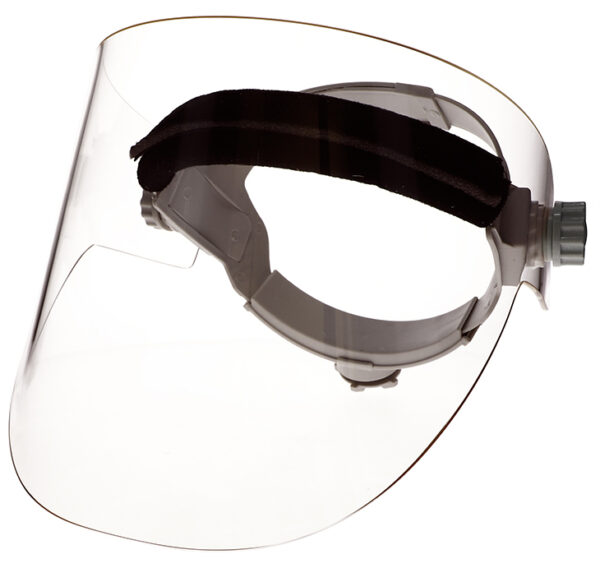
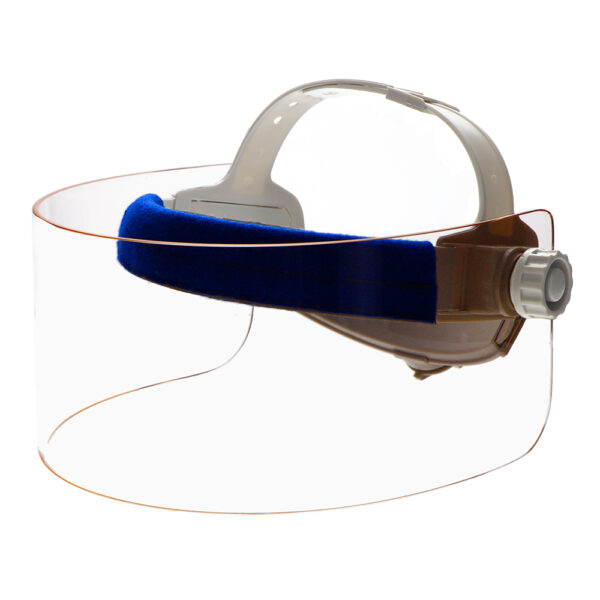
If you work in an environment where spills or splatters are a risk, it’s crucial to consider using radiation face masks to provide extra protection. Radiation masks are an effective solution that can help protect you from any potential hazards or concerns you may have. They won’t obstruct your field of vision, and you can wear them with your own eyewear. There radiation face masks are a practical option when dealing with concerns about splatters and spills.

So if you’re looking for an additional layer of protection while working, Radiation face masks may be the right solution for you. They offer a level of protection that can help keep you safe in potentially hazardous situations. 

Get Started Today: Make Workplace Safety a Priority

Are you ready to start helping your employees find glasses that can protect them from eye injuries, cataracts, and other eye diseases? You will also be doing your part in helping your workplace become a better and safer environment. Contact Phillips Safety today to learn more about our extensive selection of radiation eye protection gear and other safety equipment. Our team of experts is ready to assist you in finding the right products to meet your needs and ensure that your workplace is as safe as possible.

If you still aren’t sure which radiation glasses are right for you, it’s a good idea to give us a call at 1-866-575-1307 or talk to us through our chat or e-mail us at service@phillips-safety.com

Our radiation experts will be able to tell you what you need for your application.

SHOP RADIATION GLASSES

Three Unexpected Dangers of Working with Lasers

Lasers are dangerous, and most people know better than to stare directly into a beam of light. But that’s not the only risk of working with lasers in scientific, industrial, or military settings. Sometimes the light is redirected outside of your control, and other times lasers can be used against you to cause temporary vision problems. Here are three unexpected dangers of lasers and how you can protect yourself and your employees against them.

1. How can you protect against laser strikes?

Pilots can be startled or temporarily blinded by even short exposure to flashes of laser light. Even handheld lasers can cause flash blindness from a long-distance away. While the risk of an incident is relatively low, flash blindness can be extremely, especially at key moments of operating equipment.

The FAA has been collecting standardized data on the number of laser strike incidents since 2005, and the number has steadily been climbing through the thousands of annual incidents. While local, state, and federal governments have been making the penalties for flashing lasers at an aircraft more severe, the risk of laser strikes is still too high. According to the FAA, the increasing statistics may just be due to increased pilot awareness and the easier process for reporting. However, the problem is also the growing availability of green handheld lasers, which are far more visible and impactful.

The risk of laser strikes is even greater in military settings. Many piloting SOPs are starting to include guidelines about wearing laser strike safety eyewear during low flight times and while an aircraft is taking off and descending. Look for lenses that protect against green laser light, which is the most common and most dangerous visible laser beam.

2. Visible, ultraviolet, and infrared light's energy absorption will damage ocular cells, even without direct viewing?

Lasers can produce heat. When the laser’s light is in the visible spectrum, the retina absorbs the energy. This energy can damage or destroy cells in the retina, which is sensitive to even minor degrees of damage. When the laser is outside of the visible light spectrum, such as infrared or ultraviolet light, that damaging energy is instead concentrated in the cornea and lens.

The energy that is concentrated in the retinas can hurt photoreceptor cells nearly instantaneously, whereas corneal and lens damage can increase the risk of cataract development. If the lasers operate outside of the visible light spectrum, they won’t trigger a protective blink reflex and many people won’t notice the risk until some damage has already occurred.

Last safety glasses block the absorption of that light and energy. While the glasses’ primary goal is to protect the eyes themselves, bigger lenses also protect the sensitive skin around the eyes. Bigger lenses also protect the eyes from diffuse light and angled reflections rather than protecting against direct laser light transmissions.

Even light that is transmitted through clear substances with little to no reflection can be dangerous. Some window coverings have additional layers of protection that try to limit diffusion and keep laser beams contained within a small area of work. While these safety measures can help protect people adjacent to an ongoing task, they are no substitute for direct protective eyewear.

2. Visible, ultraviolet, and infrared light's energy absorption will damage ocular cells, even without direct viewing?

Lasers can produce heat. When the laser’s light is in the visible spectrum, the retina absorbs the energy. This energy can damage or destroy cells in the retina, which is sensitive to even minor degrees of damage. When the laser is outside of the visible light spectrum, such as infrared or ultraviolet light, that damaging energy is instead concentrated in the cornea and lens.

The energy that is concentrated in the retinas can hurt photoreceptor cells nearly instantaneously, whereas corneal and lens damage can increase the risk of cataract development. If the lasers operate outside of the visible light spectrum, they won’t trigger a protective blink reflex and many people won’t notice the risk until some damage has already occurred.

Last safety glasses block the absorption of that light and energy. While the glasses’ primary goal is to protect the eyes themselves, bigger lenses also protect the sensitive skin around the eyes. Bigger lenses also protect the eyes from diffuse light and angled reflections rather than protecting against direct laser light transmissions.

Even light that is transmitted through clear substances with little to no reflection can be dangerous. Some window coverings have additional layers of protection that try to limit diffusion and keep laser beams contained within a small area of work. While these safety measures can help protect people adjacent to an ongoing task, they are no substitute for direct protective eyewear.

3. Laser beam reflections can hurt observers' eyes?

Controlled environments are designed to control laser reflection and to minimize any dangers of redirected laser radiation. However, even laboratories could have unexpected hazards that reflect the light back towards your employees or any observers. In the military, the environments in which lasers are being used are far less controlled.

Lasers can reflect off of any surface, even atmospheric particulates. This is why, even when there is little chance of people crossing the laser’s initial path, you need protective eyewear. Once the beam of light is reflected back, it’s hard to fully control or redirect the light. Safety glasses keep the radiation away from people’s eyes with minimal reduction in their field of view. The two main types of radiation are direct and diffused reflection.

When can direct, or specular, reflection occur?

Specular reflection happens when the concentrated beam of light bounces off a smooth surface. There is little to no loss in intensity, and the power of the laser is just as concentrated as before. This can happen when the laser strikes glass, a calm body of water, or smooth metal. Specular reflection bounces the light back at the angle of impact, like a mirror.

Even curved surfaces can produce a specular reflection. While it is far more common for a curved material to diffuse, or scatter, the laser light, striking a manmade, concave surface at the right angle can concentrate the laser and make its reflection even more dangerous. This doesn’t happen often, but it can be a concern in unprotected testing environments and during military action in urban or industrial areas.

Is diffuse reflection dangerous?

Most laser reflections are diffuse. When the beam of light reflects off of a rough surface, the single beam of light is divided and scattered. While that means each individual beam of redirected light is less concentrated, the effect is much less predictable. Sometimes, the laser light is safe enough to view unprotected. With a Class IV laser system, it can still hurt the observer’s eyes and cause short- to long-term vision impairment.

Even diffuse laser light can be made more dangerous when using an optical aid. Binoculars and scopes increase the beam’s intensity and direct the focus right at the user’s eyes. Protective eyewear that can be used in conjunction with optical aids and viewing equipment is absolutely essential. This is even more essential in environments with lasers outside of the visible light spectrum. Without a cue to trigger a blink reflex or telling the observer to look away, the laser might be intensified until the damage is caused without warning.Direct intra-beam laser light isn’t the only danger to your eyes and skin. Any time there is a risk of uncontrolled laser beams and reflection, you need to have measures in place that protect the surrounding observers.

Make wearing safety glasses part of your regular safety procedures. Go to Philips Safety Products here to find a wide selection of protective eyewear. You can choose the right safety equipment based on the types of lasers in use, the environment, and the hazardous conditions you want to mitigate.

If you still aren’t sure which laser glasses are right for you, it’s a good idea to give us a call at 1-866-575-1307 or talk to us through our chat or e-mail us at service@phillips-safety.com

Our experts will be able to tell you what you need for your application.

SHOP LASER SAFETY GLASSES

Can I Use Welding Glasses to Look at the Sun?

Looking directly at the sun can cause severe vision impairment and partial blindness, which is why people usually avoid doing so. However, during a solar eclipse, viewing the sun can be a desirable experience. Unfortunately, solar eclipse glasses can quickly sell out when an eclipse occurs, leaving people to search for alternatives such as welding glasses. It is noteworthy that most welding glasses are not suitable for looking at the sun, and using them can be risky for your eyesight. Only welding glasses with the darkest shade level of 14 can protect your eyes properly, but these are uncommon and may not be available in many hardware stores.

If you’re looking for solar eclipse glasses, Phillips Safety offers glasses with lens material certified to be shade 14, and compliant with all ISO 12312-2:2015 transmission requirements for direct solar observation. These glasses can be safely reused for viewing the sun indefinitely, as long as they are kept in good condition.

It’s important to beware of welding glasses without a marking that designates the shading level, as using them can be a risky gamble for viewing the sun. Shade level 14 is only used for heavy-duty welding, which is uncommon. Even many welding operations in shipyards require shade levels less than 14. In summary, you can use welding glasses to look at the sun, but only when they have shade level 14 lenses.

WHY ORDINARY SUNGLASSES AREN’T SAFE FOR LOOKING AT THE SUN

It is commonly known that the sun’s ultraviolet (UV) rays can be harmful to the eyes, which is why a good pair of sunglasses should be able to block UVA and UVB rays. However, these types of sunglasses are only intended for indirect sunlight exposure, such as sunlight reflected off everyday objects like trees and rocks, and scattered blue light from the sky. It’s crucial to understand that sunglasses are not designed for direct sun viewing, as this can cause severe damage to the eyes.

The reason why sunglasses are inadequate for this purpose is that direct viewing of the sun exposes the eyes to extreme levels of UV, visible light, and infrared radiation. For comparison, solar eclipse glasses can reduce light intensity by 10,000, while ordinary sunglasses only provide a reduction factor of ten. This intense ultraviolet light can damage the cornea and lens of the eye, while intense visible light and infrared radiation can damage the retina. The lens of the eye acts as a magnifying glass, focusing the intense light onto a concentrated area on the retina, causing thermal burns and photochemical damage.

Since sunglasses block little infrared and do not block enough visible light to prevent retinal damage, they are not suitable for viewing the sun during a solar eclipse. If sunglasses did block sufficient visible light for eclipse viewing, they would be too dark for other activities such as driving or walking, making it difficult to see anything other than the sun or bright welding arc flashes.

HOW TO SAFELY VIEW A SOLAR ECLIPSE

Protect Your Eyes: It cannot be emphasized enough: do not view a partially eclipsed sun with unprotected eyes. Use solar eclipse glasses that meet ISO 12312-2:2015 requirements or welding glasses with a shade level of 14.

Avoid Optical Devices: Optical devices such as cameras, telescopes, or binoculars can greatly magnify sunlight’s intensity, making them unsafe for viewing the eclipse. So, do not use them with unprotected eyes.

Research and Prepare: Know whether you’ll be within the path of totality or outside it. If you’re outside, always wear eye protection throughout the entire phenomenon, as the sun is never entirely blocked. If you’re inside, know how long the eclipse totality will last and remove your protection only when the moon completely covers the sun. Protect your eyes when the sun begins to reappear.

Inspect Your Protection: Ensure that your solar eclipse glasses or welding glasses are not damaged and follow the manufacturer’s instructions.

Follow Proper Technique: Always look away from the sun while putting on and taking off your protection. Never remove your protection while looking at the sun.

ALTERNATIVE USES FOR YOUR SOLAR ECLIPSE GLASSES

There are other exciting uses for solar eclipse glasses. One that can be mentioned is the unique experience to see the planet as a black dot against the bright surface of the sun, unlike the usual white spot in the dark sky. Moreover, solar eclipse glasses are also helpful in observing large solar sunspots that periodically occur on the sun’s surface. These sunspots are responsible for the magnificent Aurora Borealis in the northern hemisphere and the Aurora Australis in the southern hemisphere.

Apart from these events, solar eclipse glasses provide a fascinating way to view sunbursts through clouds, trees, and buildings, inspiring artists and photographers with its beauty and spiritual significance.

In conclusion, protecting your eyes during a solar eclipse is essential to avoid permanent eye damage. Whether you’re planning to witness the upcoming solar eclipses or interested in observing other solar phenomena, Phillips Safety offers a wide range of high-quality glasses that meet the necessary safety standards. With our durable and comfortable designs, you can enjoy the wonders of the sun without putting your eyes at risk.

If you still aren’t sure which welding glasses are right for you, it’s a good idea to give us a call at 1-866-575-1307 or talk to us through our chat or e-mail us at service@phillips-safety.com

Our welding experts will be able to tell you what you need for your application.

SHOP WELDING SOLAR ECLIPSE GLASSES

Laser Safety Glasses: Why Laser Accidents Happen

Laser safety protocol and technology have improved considerably since the operation of the first working laser in 1960. Despite this, serious eye injury from laser accidents continues to this day. One explanation for this is the expanded use of lasers in research, education, industry, health care, medicine, and consumers. That is, more laser accidents occur as more people are exposed to its potential dangers. While some of these accidents are caused by equipment failure, human behavior is by far the main culprit. Safety is especially crucial when using class 3 and class 4 lasers.

Here are five common reasons why laser accidents happen:

1. Poor Safety Culture

Accidents are inevitable in dangerous environments when little thought is given to safety. Businesses, laboratories, and universities can’t rely on workers or researchers to exercise adequate safety on their own when working with lasers. Safety should be prioritized and mandated by upper management. A poor safety culture occurs when other priorities supersede safety.

For example, the pressure to meet production deadlines may cause workers to omit safety procedures while their managers look the other way. The informality of small business startups combined with the pressure to become profitable can displace safety concerns. In academic and high-tech research and development environments, safety often takes a backseat to creativity, innovation, and ingenuity. But regardless of the particular circumstances, when safety ceases to be a primary concern, laser accidents and eye injuries will follow.

2. Inadequate Training

Operators with extensive experience with laser equipment and procedures are better able to anticipate and avoid situations that expose themselves and others to laser hazards. In addition to equipment proficiency, operators and other personnel must also be thoroughly trained in laser safety protocol.

3. Complacency

Complacency may occur when repetitive action causes boredom. This leads to disengaged, unthinking, and distracted workers who do their work on autopilot. Such people are more likely to make mistakes when the unusual happens. Sheer boredom or a distraction may even cause improper execution of their usual repetitive routine.

Complacency isn’t limited to those with repetitive work. It can also affect highly skilled people engaged in demanding work such as researchers and scientists. This comes about when overconfidence or a feeling of invincibility makes them lose touch with the true dangers of their situation. A lack of accidents in their work history further reinforces this overconfidence until the inevitable accident or near accident snaps them out of it. A poor safety culture, which is common to research environments, sets the stage for this problem.

4. Equipment Failure

Laser equipment failure can injure even the best trained and safety-conscious people. Malfunctioning class 1 laser equipment can be especially insidious. The laser is completely enclosed during normal operation. Various safeties and interlocks further prevent user exposure to laser light. Because of this, no safety equipment, such as laser safety glasses, or laser safety training is required. This leaves the typical user vulnerable to possible injury should equipment failure occur.

Class 1 laser equipment failure can happen in a number of ways, such as buying equipment from disreputable sources, accidental equipment damage, and poor maintenance practices. Safeties and interlocks might be left off, bypassed, or tampered with by the owners or employees. Modified equipment can be rendered unsafe. Maintenance and repair people who bypass these safeties to do their jobs also face possible exposure to laser light.

Laser fiber optic cables are normally safe because the laser beam is completely confined. However, laser light may leak from damaged or disconnected cables. Although the exiting laser beam rapidly diverges, eye damage occurs when a person’s face is next to the cable or when the cable is viewed through an optical device. Damaged cables that transmit high powered infrared laser light are especially dangerous because the light is invisible.

Equipment failure is especially acute in laboratory environments because the equipment arrangements are often changed. Each new arrangement or modification can potentially introduce new and unexpected hazards. A lapse in attention, worker fatigue, distraction, or poor communication between lab workers about recent changes can cause serious accidents.

5. Failure to Use Laser Safety Glasses

Some of the previously discussed causes of laser accidents such as inadequate training, some forms of complacency, and equipment failure need not cause eye injury if laser safety glasses are always used. On the other hand, accidents involving high powered infrared and visible light can still cause skin burns, but these injuries have fewer serious long term consequences than damaged vision. Given the complexity of many work environments and the human tendency to make mistakes, the simple act of wearing laser safety glasses is the only foolproof way of avoiding laser contact with the eyes. Reasons people forgo or inconsistently use laser safety glasses include:

  • Poor safety culture. It follows from the above treatment of safety culture, that an organization that doesn’t value safety, won’t encourage or enforce the use of laser safety glasses.
  • Poor-fitting safety glasses. Poor-fitting glasses may fall off or slide down the nose at the wrong moment when they’re needed to protect the eyes from a stray laser beam or when someone mistakenly believes a laser is off when it isn’t. Accidental laser-eye contact is often momentary but is still sufficient to damage vision or cause blindness. A good fit ensures eye protection 100% of the time. Discomfort from a poor fit may induce the wearer to momentarily take their glasses off or forgo them altogether.
  • Expediency. If laser safety glasses aren’t conveniently on hand, some people may feel that a brief instance of laser use doesn’t warrant the time or effort needed to get them. However, unprotected eyes in the wrong place at the wrong time will still get injured. In fact, workers have been injured while momentarily lifting their glasses to rub their eyes.
  • Poor access control to the work area. When a laser is in use, unprotected personnel or the public should not be able to wander inside the work area.
  • Incorrect laser safety glasses. You must only wear laser safety glasses rated for the frequency and beam energy intensity of the laser you’re using. Otherwise, wearing them is pointless because they won’t provide protection.

If you have questions about laser safety glasses or require assistance in choosing from our large selection of products, our experts will gladly help you. For more information or technical assistance, don’t hesitate to contact us.

If you still aren’t sure which laser safety glasses are right for you, it’s a good idea to give us a call at 1-866-575-1307 or talk to us through our chat or e-mail us at service@phillips-safety.com

Our experts will be able to tell you what you need for your application.

SHOP LASER SAFETY GLASSES

Solar Eclipse Safety: What Shade Should Your Welding Mask Be?

Although a total solar eclipse is not a once-in-a-lifetime phenomenon, it is still relatively uncommon, and rarer still for it to occur precisely in your region. However, even if you are fortunate enough to witness such an event, you may not necessarily want to watch it. The reason is simple: solar eclipses can be hazardous to your eyes, especially if you don’t take adequate precautions.

Regular sunglasses or even many specialized lenses may not provide sufficient protection, leaving you vulnerable to eye damage. It’s essential to purchase the proper safety equipment well in advance of the event. During the lead-up to the 2017 solar eclipse that traversed the United States, supplies of specialized eclipse glasses ran out at many stores, including big-box retailers and eyeglass shops, leaving some people scrambling for less-effective alternatives. These included faulty solar eclipse glasses, unverified solar viewers, and even welding helmets.

If you’re planning to observe the next significant solar event in your region, be sure to order your safety equipment early and don’t settle for partial protection. This article will provide guidance on how to select the appropriate glasses and explain why getting it right is crucial for safeguarding your vision.

UNDERSTANDING THE RISKS OF SOLAR ECLIPSE VIEWING

Looking directly at the sun is harmful to your eyes, and fortunately, our bodies instinctively react to the danger. The blink reflex or corneal reflex makes our eyes blink when exposed to bright light, which helps protect them from damage. However, during a solar eclipse, the visible light from the sun is much dimmer, and the lack of a cue to the corneal reflex may make it tempting to look at the event without proper protection.

This can be extremely dangerous as even a single unprotected glance at the eclipse can put your eyes at risk of developing retinopathy, a type of eye damage that destroys photoreceptors and can cause permanent or temporary sensitivity to light, and even blind spots. While the likelihood of severe eye damage is relatively low, eye experts caution that there is no safe amount of unprotected sun-watching. Additionally, symptoms of vision damage may not appear until approximately 12 hours after the incident, long after you can take action to mitigate the risks.

WHAT TO DO IF YOU CAN’T GET SOLAR ECLIPSE GLASSES FROM A TRUSTED SOURCE IN TIME

If you’re unable to find solar eclipse glasses from a reliable source, don’t worry – you still have options. However, it’s important to do your research and carefully consider any alternatives you come across. Be wary of cheap lenses or those available in large quantities at the last minute, as they may not meet the necessary safety standards.

The 2017 solar eclipse saw a significant number of individuals using unsafe and counterfeit solar eclipse glasses. These included unauthorized glasses that had not been approved by national or international bodies, glasses that were scratched or improperly maintained, and people using insufficiently shaded eye protection. These posed a significant risk to vision, and many suffered from damaged eyesight as a result. If you’re unable to find reliable solar eclipse glasses, a welding mask is a viable alternative to consider.

FROM WELDING TO SOLAR ECLIPSES: HOW TO PICK THE RIGHT SHADE FOR YOUR HELMET

To safely view a solar eclipse, it’s crucial to use the right protective gear. NASA, news channels, and online store reviews all emphasize that low to medium shade ratings are not sufficient to protect your eyes. For welding masks, shade ratings of 12 or 13 may be adequate in certain situations, but shade 14 is the darkest and most recommended rating for solar eclipses. This rating is specifically designed for extreme welding conditions and provides complete protection to your eyes, limiting visibility only to the area surrounding the sun itself.

However, even with a shade 14 rating, you should not stare at the sun for too long, and the helmet is only safe when viewing the sun in its totally eclipsed state. A partially eclipsed sun is still too bright for the helmet to protect you, and the damage to your eyes might not be immediate or noticeable. Therefore, it’s important to use lenses with solar filters that meet internationally set safety standards to view the eclipse safely without any worry of damage to your eyes. Make sure to research and order the appropriate gear well in advance.

Comprehensive coverage is one of the main advantages of using a welding helmet as it protects the entire surface area of your eyes and the skin surrounding them. This reduces the risk of indirect radiation exposure and prevents you from inadvertently glancing above the lenses. When considering alternatives to a full welding mask, it’s important to choose lenses that are wide enough to cover not only your eyes but also your peripheral vision. For the best viewing experience, experts recommend standing still while looking at total solar eclipses.

Although shade 14 welding masks are a viable alternative, solar sunglasses specifically designed for solar events provide better protection. To order your pair of solar sunglasses in advance of North America’s next total solar eclipse in 2024, check out Phillips Safety’s collection of solar eclipse glasses.

If you still aren’t sure which solar eclipse glasses or welding shade for solar eclipse watching are right for you, it’s a good idea to give us a call at 1-866-575-1307 or talk to us through our chat or e-mail us at service@phillips-safety.com

Our welding experts will be able to tell you what you need for your application.

SHOP SOLAR ECLIPSE GLASSES

7 Steps to Find the Right Radiation Safety Glasses

Radiation safety is no joke. It’s a real concern with significant consequences for your long-term health and well-being if not properly addressed. For those working with radiation daily, this is a well-known fact often emphasized by employers from day one. But do you know what type of equipment ensures the protection you need?

Protecting your eyes is particularly crucial. They are among the most sensitive parts of your body and can be the most exposed to radiation at work. Finding the right eyewear is essential to prevent permanent damage to your sight. Fortunately, achieving this goal is easier than you might think. Follow these seven steps to find the right radiation safety glasses and work confidently, knowing your eyes are well protected.

1. Understand Your Exact Needs

Before you start looking for glasses, understand your specific requirements. Consider the environment where you’ll use the radiation safety glasses. The type and direction of radiation exposure matter. For instance, different glasses may be needed if radiation comes from multiple angles rather than just straight ahead. Consult with your supervisor or a safety expert to determine the level of protection you need.

2. Know the Terminology and Materials

Familiarize yourself with the technical terms and materials related to radiation safety gear. Traditional protection often involves lead, but modern alternatives with lead equivalency ratings offer similar protection without the hazards. Understanding these technical aspects helps you make an informed choice.

3. Browse Through Potential Solutions

Start with a broad search of radiation safety glasses. Explore various options online to get a sense of what’s available and the price range. Credible vendors will provide honest specifications because they understand the critical nature of radiation protection.

4. Narrow Your Search to Your Needs

Use the criteria from step one to narrow your options. Eliminate any glasses that don’t meet your specific needs. For example, if radiation hazards come from all around, consider face shields and goggles. For light radiation from the front, less intense protection might suffice.

5. Choose the Most Credible Merchant

Compare the remaining options based on the credibility of the merchants. In radiation safety, vendor reliability is crucial. Look for client reviews and testimonials on third-party websites to ensure the merchant’s claims are trustworthy.

6. Understand Customizations and Add-Ons

Once you’ve found glasses that fit your needs, consider any necessary customizations. This might include prescription lenses. Ensure that customizations do not compromise the glasses’ quality. Choose a merchant specializing in prescription glasses if needed.

7. Test and Move Forward

After placing your order, test the glasses as soon as they arrive. A reputable merchant will offer a generous return policy, allowing you to ensure the glasses are comfortable and effective. Proper testing ensures you’ll wear them consistently, preventing any lapses in protection.

5. Choose the Most Credible Merchant

Compare the remaining options based on the credibility of the merchants. In radiation safety, vendor reliability is crucial. Look for client reviews and testimonials on third-party websites to ensure the merchant’s claims are trustworthy.

6. Understand Customizations and Add-Ons

Once you’ve found glasses that fit your needs, consider any necessary customizations. This might include prescription lenses. Ensure that customizations do not compromise the glasses’ quality. Choose a merchant specializing in prescription glasses if needed.

7. Test and Move Forward

After placing your order, test the glasses as soon as they arrive. A reputable merchant will offer a generous return policy, allowing you to ensure the glasses are comfortable and effective. Proper testing ensures you’ll wear them consistently, preventing any lapses in protection.

By following these seven steps, you can find radiation safety glasses specifically designed to protect your eyes. This ensures you can work confidently, knowing your eyes are safeguarded against potential hazards. If you have further questions or need assistance, contact us today to start the conversation and maximize your safety.

If you still aren’t sure which radiation glasses are right for you, it’s a good idea to give us a call at 1-866-575-1307 or talk to us through our chat or e-mail us at service@phillips-safety.com

Our experts will be able to tell you what you need for your application.

SHOP RADIATION GLASSES

Why Are Radiation Safety Glasses Needed In Fluoroscope?

If you are a radiologist, you are aware of how vital your vision is to your work. Over the course of the last decade, the risks and damages of ionizing radiation have been brought to the forefront. Any medical procedure that involves radiation,including X-rays, will involve a variety of hazards to the technician who is operating. One of the X-ray imaging that involves the tracking of moving body parts has a variety of safety challenges and hurdles, especially when it comes to the eyes. During this imaging, eye protection glasses is highly recommended during the duration of its use.

Fluoroscopy

According to Hopkins Medicine, fluoroscopy is the study of moving body parts. An uninterrupted X-ray beam will be passed through the body structure that needs to be examined. After the X-ray beam is passed through the body structure, the beam will be transmitted to a monitor so the body structure and its movements can be seen in greater detail. Fluoroscopy will give physicians the ability to view several body parts and body systems. Fluoroscopy can be used to assess specific parts of the body, including organs, muscles, and bones.

The traditional X-rays take pictures of the inside of a person’s body, but fluoroscopy is different. Fluoroscopy can be like watching an X-ray on television. The imaging device and technology is generally used to help direct a surgeon during various procedures, such as replacing a joint during foot surgery. Fluoroscopy can also be used for ascertaining what is going on in the heart system.

What Are The Challenges Surrounding Fluoroscopy?

Any technology that involves radiation, fluoroscopy will involve a variety of risks and challenges. We understand the risk to each patient has to be balanced against the advantages of using the imaging. Fluoroscopy has more risks than the traditional or standard X-rays because of the challenges and how long the procedure will take. The issues and risks involving damages may not be major, in the form of skin issues, they can occur and will need to be accounted for at all times.

X-rays and Vision

One of the main risks involving the use of X-ray equipment is damage to the eyes of everyone in the room. One of the major hazards is the development of cataracts in the eyes due to being exposed to the radiation that has been released from the machine. Cataracts are defined as a clouding of the eye lens that is usually a clear lens. Most people who have developed cataracts do so because of aging. However, cataracts can also be developed as a result of damage to the eyes. If there has been damage to the eyes caused by surgery, trauma, or radiation exposure, cataracts can take several years to manifest.

Reduce The Risks Of Cataracts

Protective eyewear is an essential piece of radiology procedures where there will be constant exposure to X-ray radiation. When eyes are constantly being exposed to X-rays and you are not wearing radiation safety glasses, you will place yourself at risk of being diagnosed with cataracts or another eye disease in your earlier years.

As a medical professional being exposed to radiation on a constant basis will generally wear gloves and other accessories to protect their bodies from being exposed to X-rays. Your eyes should also be protected at all times as well. Before radiation safety glasses were used, so many fluoroscopists and radiologists were being diagnosed with cataracts and other eye diseases because their eyes were not being protected.

There are various factors that will go into what will be considered a “safe” amount of exposure during a fluoroscopy. There are some procedures, like a spinal cord procedure, that may involve a significant dose of radiation. There are other factors that will include what position the technician is in, the height of the technician, and the person’s tendency for developing cataracts.

Reduce The Risks Of Cataracts

Protective eyewear is an essential piece of radiology procedures where there will be constant exposure to X-ray radiation. When eyes are constantly being exposed to X-rays and you are not wearing radiation safety glasses, you will place yourself at risk of being diagnosed with cataracts or another eye disease in your earlier years.

As a medical professional being exposed to radiation on a constant basis will generally wear gloves and other accessories to protect their bodies from being exposed to X-rays. Your eyes should also be protected at all times as well. Before radiation safety glasses were used, so many fluoroscopists and radiologists were being diagnosed with cataracts and other eye diseases because their eyes were not being protected.

There are various factors that will go into what will be considered a “safe” amount of exposure during a fluoroscopy. There are some procedures, like a spinal cord procedure, that may involve a significant dose of radiation. There are other factors that will include what position the technician is in, the height of the technician, and the person’s tendency for developing cataracts.

Do You Need To Wear Radiation Safety Glasses?

There are several things you will need to know about radiation safety glasses when you are trying to determine if you need to wear them:

Shielding Eyes from Harmful X-rays

Radiation safety glasses reduce the force of X-ray radiation that can pass through the lens. This reduction prevents a significant amount of harmful X-rays that you may be exposed to during fluoroscopy from hitting your eyes.

Risks of Continuous Radiation Exposure

When any body part is being constantly exposed to radiation, this can lead to harmful side effects that can be permanent and damaging.

Why Radiation Safety Glasses Are Essential

If you are wearing radiation protection during any type of procedure, you should make sure you are wearing radiation safety glasses at all times. Radiation safety glasses will protect one of your most important assets, your eyes. When you are thinking about protecting the rest of your body, you should not forget to provide protection for your eyes.

Radiation safety glasses are vital for those who are working in environments that will constantly expose them to X-ray radiation, especially the medical professionals who are performing procedures in fluoroscopy. Without proper protection, the work that is done can be damaging to your health. Radiation safety glasses can be used to protect your overall health and well-being.Using protective eyewear in the fluoroscopy room will certainly go a long way in protecting the eyes of the technicians and the imaging staff. Radiation safety glasses will also go a long way in preventing the development or formation of cataracts now or later in life.

There is no replacement or substitution for proper care and protection. We should all be informed on the dangers of radiation and wearing safety glasses should be mandatory whenever there is a fluoroscopy procedure. You do not want to take the risk of damaging your career, your health, or the health of the patient and others in the room.Today’s radiation safety glasses come in a variety of sizes, styles, colors, etc. You will be sure to find the perfect pair of radiation safety glasses that will fit your needs. Please do not hesitate to contact Phillips Safety Products if you have a question about radiation safety glasses or fluoroscopes.

If you still aren’t sure which radiation glasses are right for you, it’s a good idea to give us a call at 1-866-575-1307 or talk to us through our chat or e-mail us at service@phillips-safety.com

Our laser experts will be able to tell you what you need for your application.

SHOP RADIATION GLASSES

Anti Laser Glasses: How the Military and Police Use Laser Safety Glasses

The laser protection eyewear market has a projected compound annual growth rate (CAGR) of 4.9% from 2018-2025, according to the 2017 Global Laser Safety Glasses Industry Research Report. Much of this growth and the industry’s production revenue of $233.56 million in 2015 has been a result of the U.S. government’s need for laser safety glasses. Let’s discuss this more by examining how the military and police use laser safety glasses.

Military Uses of Laser Safety Glasses

Lasers are widely used in the military for various purposes, such as direct energy weapons, medical applications, missile guidance systems, firearm sights, and holographic weapons. Additionally, they are employed in industrial tasks and research and development, including projects handled by contractors.

Laser safety glasses are needed in the military for defensive purposes against enemy laser attacks and for protective purposes with internal usage. Internal usage includes non-combat applications, such as: medical, industrial, weapons training, logistics, and research and development. Pilots (incl. civilians) and ground troops in the military are increasingly being attacked by laser weapons as laser technology advances and becomes more readily accessible to private citizens and governments around the world.

For instance, an article on Hackaday called: “Chinese Laser AK-47: Myth or Reality?”, written on July 9th, 2018 by Steven Dufresne, highlights an innovative laser weapon, the likes of which the military or police might have to contend with in combat or on the streets:” Chinese company ZKZM Laser has produced the ZKZM-500 laser assault rifle which people are calling AK-47 because of its similar size, weighing in at three kilos (6.6 lbs). …powered by a rechargeable lithium battery… …a range of 800 meters (0.5 miles)… …a beam that is invisible to the eye… …able to burn human flesh if held in place long enough…”

While this laser weapon is more of a novelty compared to military laser weapons, its capabilities show how destructive lasers can be. This is especially true when it comes to damaging the eye’s retina. Hence, the importance of the military stocking up and using the most innovative and protective laser safety glasses in combat and base operations.

The proliferation of laser technology used in the military has led the U.S. Air Force, Army, Navy, Coast Guard, and Marines to seek out contracts for innovative Next Generation Eye Protection (NGEP) laser safety glasses, as an article found on Defense Systems called: “Services look for eyewear to protect against lasers”, written on July 21, 2016 by Kevin McCaney, explains:

“The Air Force has awarded a $30 million contract to Teledyne Scientific & Imaging for the company’s Aircrew Laser Eye Protection (ALEP) spectacles, essentially glasses that protect against hazards and the potential threats from laser devices, whether in combat or in training. The Army, meanwhile, has issued a presolicitation for goggles that can protect against traditional threats such as ballistic fragments while adding protection against laser eye protection in a variety of light conditions.”

Whether used to shield a pilot’s eyes from a direct laser weapon attack or for a military dentist’s patient to wear while getting their teeth worked on, laser safety glasses are an important piece of safety equipment in the military. And, in addition to protecting eyes from the bright damaging light emitted from lasers, the military increasingly needs laser safety glasses to protect against other damaging environmental threats and provide prescription functionality as well.

Police Uses of Laser Safety Glasses

The government also requires laser safety glasses for its police forces. When people think of police and lasers, the most common application that comes to mind is the radar or laser gun used to catch speeding vehicles. Lidar devices, which are laser-based, are more accurate than radar guns due to their narrower beam. Beyond speed detection, lasers are also utilized by police for crowd control, drug detection, weapon sights, and tasers.

An article found on DrugFree.org called: “New Small Device Uses Laser to Help Police Quickly Identify Drugs”, written on February 1, 2012, explains how lasers are used for drug detection purposes: “The device can be used to scan small bags of drugs and gives police almost instant identification… …Police traditionally have needed to use chemical test kits to identify drugs. …The officer holds the sample bag against the device and presses a scan button. The device does a quick analysis and provides a result.” Another article found on The Blaze called: “

‘Laser Dazzler’ Unveiled for Use by Law Enforcement – So How Does It Work?”, written on February 14th, 2012 by Liz Klimas, describes another way police use laser technology: “Last month, a non-lethal weapon – once reserved only for the military – was unveiled as a new tool for local law enforcement and the U.S. Coast Guard. …Laser dazzlers work by temporarily blinding a subject using a green laser with no risk of killing the person, unlike the risk associated with tasers and guns outfitted with rubber bullets. …At 40 meters, the laser can cause permanent damage.”

This is the type of non-lethal laser weapon police use for crowd control; the taser is another laser weapon police often use in their day-to-day duties. The problem police have with lasers is when crowds or individuals aim lasers at them. So, not only do police need laser safety glasses for protection when using lasers themselves, but also for protection from people aiming lasers at them.

An article found on USA Today called: “Man gets 14 years for pointing laser at helicopter”, written on March 12, 2014, by Bart Jansen, is a good example of this type of threat to police, as the article explains: “Sergio Rodriguez, 26, of Clovis, was sentenced Monday for pointing a laser at a Fresno police helicopter… Laser strikes are a concern for airliners because they can temporarily blind a pilot while landing or taking off. The number of laser strikes against aircraft has climbed sharply in the last decade, reaching 3,960 last year.”

An article found on DrugFree.org called: “New Small Device Uses Laser to Help Police Quickly Identify Drugs”, written on February 1, 2012, explains how lasers are used for drug detection purposes: “The device can be used to scan small bags of drugs and gives police almost instant identification… …Police traditionally have needed to use chemical test kits to identify drugs. …The officer holds the sample bag against the device and presses a scan button. The device does a quick analysis and provides a result.” Another article found on The Blaze called: “

‘Laser Dazzler’ Unveiled for Use by Law Enforcement – So How Does It Work?”, written on February 14th, 2012 by Liz Klimas, describes another way police use laser technology: “Last month, a non-lethal weapon – once reserved only for the military – was unveiled as a new tool for local law enforcement and the U.S. Coast Guard. …Laser dazzlers work by temporarily blinding a subject using a green laser with no risk of killing the person, unlike the risk associated with tasers and guns outfitted with rubber bullets. …At 40 meters, the laser can cause permanent damage.”

This is the type of non-lethal laser weapon police use for crowd control; the taser is another laser weapon police often use in their day-to-day duties. The problem police have with lasers is when crowds or individuals aim lasers at them. So, not only do police need laser safety glasses for protection when using lasers themselves, but also for protection from people aiming lasers at them.

An article found on USA Today called: “Man gets 14 years for pointing laser at helicopter”, written on March 12, 2014, by Bart Jansen, is a good example of this type of threat to police, as the article explains: “Sergio Rodriguez, 26, of Clovis, was sentenced Monday for pointing a laser at a Fresno police helicopter… Laser strikes are a concern for airliners because they can temporarily blind a pilot while landing or taking off. The number of laser strikes against aircraft has climbed sharply in the last decade, reaching 3,960 last year.”

Conclusion

The military and police use laser technology in many different ways; their need for laser safety glasses is for both defensive and offensive reasons. They also have a need for laser safety glasses to be durable, multi-functional (protection from other harmful elements, prescription lenses, transition lenses), and practical for combat and field uses.

As lasers technology grows and integrates with refined and new applications throughout all industries, having quality laser safety glasses will become even more vital for protection, defense, and productivity. Understanding this vital need, Phillips Safety Products has worked hard to design and manufacture one of the best-quality laser safety glasses on the market. Please contact us today to learn more.

If you still aren’t sure which laser glasses are right for you, it’s a good idea to give us a call at 1-866-575-1307 or talk to us through our chat or e-mail us at service@phillips-safety.com

Our experts will be able to tell you what you need for your application.

SHOP LASER SAFETY GLASSES

Don’t Take The Risk: Wear The Proper Laser Safety Glasses

Safety glasses and safety goggles are vital pieces in any workplace environment that include any risks of potential eye injuries. Wearing proper eye protection is essential in these work environments because of the ability to protect the eyes against injuries and to meet the requirements that have been set by OSHA. When work practices or administrative controls are not practical or if they are not able to provide enough protection, OSHA will require the workplace to provide their employees with PPE(personal protective equipment) to ensure it is being used properly.

Eye protection and face protection should be provided when necessary to protect everyone’s eyes against lasers, chemical hazards, and other irritants and hazards.The medical industry has some of the more common occupations that have an increased level of eye injuries. It may seem very obvious, but we will never get tired of repeating it. Protecting everyone’s eyes from lasers and other elements that can cause injuries and complete blindness is highly important. Considering that the majority of workplace injuries can be avoided, a comfortable pair of laser safety glasses can save many people from a life of disabilities and struggles.

Features Of Laser Safety Glasses

All of the benefits of laser safety glasses make perfect sense, but many employees are still hesitant or resistant to wear glasses. They may also claim that they simply forget to put them on. We encourage you to remind all your employees of the reasons why wearing these glasses are so important. It can be even more beneficial if you establish a safety program and add extra precautions to ensure that everyone will use their safety glasses properly. Some of the features of safety glasses include the following:

ANSI-logo-icon

Impact-resistant construction

safety-glasses-icon

Some are designed to fit comfortably over prescription glasses

comfort-icon.png

Form-fitting for enhanced comfort and security

laser-icon

Provide comprehensive protection against hazards from all directions

Why Are Laser Safety Glasses Needed?

A quick online search will give you a very good idea of the type of things that can happen to every part of your eyes if laser safety glasses are not worn during the time a laser is used. Laser safety glasses will give your eyes the protection they need from any type of radiation that comes from a laser, regardless of the radiation being direct or indirect. Radiation from a laser is so powerful that it can result in serious eye damage, including blindness. Someone can lose vision in an eye in a matter of seconds due to the power of a laser. This type of danger should be a very good reason to avoid any type of eye contact with laser radiation.

More Reasons Why You Need To Use
Eye Protection In The Workplace

■ The risks of not wearing laser safety glasses outweigh the uncomfortable feeling you may get when wearing them.

■ If a worker fails to wear laser safety glasses, blindness can occur in a split second.

■ If anyone fails to wear laser safety glasses, your workplace may face serious consequences for not following the protocols that have been set. If your laser safety program requires the use of laser safety glasses whenever a laser is being used, this means the protocol should be followed at all times.

■ Failing to wear laser safety glasses may make it impossible to see the laser beam you are working with. If you cannot see the laser beam, this could result in major consequences for your eyes and anything or anyone else who may be in the room.

Why Are Laser Safety Glasses Needed?

A quick online search will give you a very good idea of the type of things that can happen to every part of your eyes if laser safety glasses are not worn during the time a laser is used. Laser safety glasses will give your eyes the protection they need from any type of radiation that comes from a laser, regardless of the radiation being direct or indirect. Radiation from a laser is so powerful that it can result in serious eye damage, including blindness. Someone can lose vision in an eye in a matter of seconds due to the power of a laser. This type of danger should be a very good reason to avoid any type of eye contact with laser radiation.

More Reasons Why You Need To Use
Eye Protection In The Workplace

■ The risks of not wearing laser safety glasses outweigh the uncomfortable feeling you may get when wearing them.

■ If a worker fails to wear laser safety glasses, blindness can occur in a split second.

■ If anyone fails to wear laser safety glasses, your workplace may face serious consequences for not following the protocols that have been set. If your laser safety program requires the use of laser safety glasses whenever a laser is being used, this means the protocol should be followed at all times.

■ Failing to wear laser safety glasses may make it impossible to see the laser beam you are working with. If you cannot see the laser beam, this could result in major consequences for your eyes and anything or anyone else who may be in the room.

Choosing The Right Laser Safety Glasses

You can make guesses about a variety of things, but you should not take a guess when it comes to laser safety. You should know for certain that you are wearing the right laser safety glasses that will provide full protection from your laser. When you are not sure about what type of laser safety glasses are appropriate, there are various things you can do, including the following:

■ If the laser you are using came with laser safety glasses, you should be able to see the wavelength and optical ratings on the lens of the glasses or the frame of the glasses. If this is the situation you are in, you should feel confident in purchasing additional laser safety glasses that have the same wavelength and ratings.

■ If your workplace has a department that is dedicated to laser safety, you should feel confident that members of the department will carefully determine the right type of laser safety glasses. If there is no LSO, you can refer to the guidelines and instructions on your laser to find out what the wavelength is.

■ If you are having trouble determining the right type of laser safety glasses, you can always reach out to a laser safety glasses provider. A laser safety glasses provider will have the skills and experience that are needed to recommend laser safety glasses.

You do not want to take laser protection lightly and you do not want to make guesses when it comes to eye protection. It can be very easy to obtain an injury to the eye if the right eye protection is not being worn. Everyone should always pay attention to the guidelines that have been outlined by the laser safety program. When multiple lasers are being used, it can only take a split second of exposure for someone to obtain a serious eye injury or permanent blindness by indirect or direct laser radiation.

Personal protective equipment should always be worn when anyone is in the vicinity of a laser. You should never take any risks or make any guesses when it comes to lasers and PPE. One mistake that may seem small now could result in permanent eye damage.Laser safety glasses exist for each laser that is being used. When a new laser comes out, the laser manufacturer will make sure there are new lenses that will protect you from the laser, especially if the current lenses will not offer protection from the new lasers.

Always be safe and wear the proper laser safety glasses when a laser is being operated. For more information on laser safety glasses, please do not hesitate to contact us today.

If you still aren’t sure which laser safety glasses are right for you, it’s a good idea to give us a call at 1-866-575-1307 or talk to us through our chat or e-mail us at service@phillips-safety.com

Our experts will be able to tell you what you need for your application.

SHOP LASER SAFETY GLASSES

Honeywell/Uvex Glendale GTP Laser Safety Glasses Cross Reference Chart

Honeywell/Uvex/Glendale has discontinued their laser safety eyewear as of April 4th 2019. For your convenience, we have provided the equivalent Phillips Safety Filter codes for most Honeywell Filters. Honeywell offered a wide range of specialty filters, including those with narrowly defined alignment and high-power capabilities. While we may not have exact matches for some of their filters, we do offer alternatives that provide similar protection ranges. The key is to match the correct filter to the specific laser used in your application. The following guide will help you make the right choice.

Use the chart below as a quick reference to find suitable replacement glasses from Phillips Safety, featuring Honeywell filter numbers alongside corresponding Phillips Safety filter codes linked to the best-matching products for eye protection.

Wavelength
Laser Type
Honeywell
Phillips Safety
200-380
Excimer
113
CR39
190-532
UV, Argon, 532nm
13
AKP
405
Alignment (OD 2-3)
179
AA8
440
Alignment (OD 3)
180
AA8
488
Alignment: 488nm
150
AA
488-514
Alignment: Argon
154
AA
532
Alignment: 532nm
151
AA3
200-532
Argon / KTP
103
AKP
488-676
Alignment: Argon / Krypton
156
G15
515
Alignment: Argon
66
AA
532
Laser Pointer: Green
166
AKP
580-590
585nm Ophthalmic
130
S806
567-582
Yellow Diode
147
S806
582-589
Dye
10
S806
591-597
Dye laser
124
S806
592-600
Dye
105
S806
532, 630-670
Laser Pointers: Green, Red
168
DIO
614-666
Red Diode
118
DIO
610-695
PDT
116
DIO
630-670
Alignment (OD 2-3)
178
G15
630-650
Alignment: HeNe (OD 1-2)
152
HENE
670
Alignment: 670nm Diode (OD 1)
153
G15
625-680
Alignment: Red Diodes
135
G15
681-789
Ruby Plus
115
RBY
645-950
Low Level Lasers
181
DIO
655-905
Low Level Lasers
160
DIO
600-1064
Low Level Lasers
128
DFIU
705-810
Alexandrite
106
BG38
745-765
Alexandrite
129
AD
755-855
Alexandrite, Diode Lasers
104
BG38
750-860
Alexandrite, Diode Lasers
119
BG38
800-830 & 2700-3000
Diode 800nm, Erbium, HT Filter
131
D81
755-3000
Alexandrite, Diode, YAG, Ho, Er
40
BGKG
755 & 800-1064
Alexandrite, Diode & YAG
132
BGKG
800-1064
YAG, Diodes
162
BGKG
800-1800
Telecom, Diode
107
D1500
810-1080
YAG, Diodes, HT Filter
137
D680
875-1080
YAG, Diodes, OD 8
170
KG5+
925-1064
YAG, Diodes
42
KG5
755-1064
GaAs, Ti, YAG, CO2
108
YHAD
800-1064 & 630-650
YAG, HeNe
157
BGKG
750-1350
Alexandrite, Ti, YAG, CO2
70
BG42
694-1320
Ruby, Alexandrite, YAG, CO2
45
BG42
950-10600
YAG, Ho, er (expanded range)
96
KG5
980-10600
High powered Nd:YAG lasers
16
KG5
1050-1064
YAG & Harmonics
33
KG5
532 & 1050-164
Alignment: 532nm, YAG/Harmonics
55
CKG5
200-532, 900-1070
YAG & Harmonics, OD 8
171
DYH
200-532, 800-1070
YAG & Harmonics, OD 7
102
DYH
200-532, 850-1070
YAG & Harmonics, Alignment: 532nm
155
YAGA
532 & 1064
YAG & Double Harmonic
200
CKG5
200-532, 735-810, 1064
YAG, Alex, Diode, KTP
159
YHAD
750-1050
Broadband
29
YHAD
200-532, 700-1064
Argon, Ti, Diodes, YAG, CO2
111
YHAD
200-532, 770-1070
Diode 800nm, YAG, Alignment: 532nm
136
YAGA
2700-3000
Erbium
109
CR39
5000-11100
CO2
100
CD2
10600
Co2, High Power
9
KG5

Laser Classes and Their Risks

There are different power levels of lasers with different risk levels. They are broken up into categories called “Classes”. These are Class 1, 2, 3a, 3r, and Class 4. These classes are specified by the power output that is emitted from the laser or the laser device. Class 1 and 2 lasers are typically sold as laser pointers or laser projectors for decoration and have power levels that do not require eye protection. Class 3a and 3r lasers are typically used for surveying and scientific equipment and may or may not require eye protection. Class 4 lasers are all lasers that emit 500mW (½ Watt) and all require eye protection.

It may be fair to say that 90% of all lasers in the world are Class 4 lasers. In fact, just about every Blu-ray or DVD player has at its heart a Class 4 laser. The devices, though, if you look at their warning tag, specify that they are a Class 1 Laser device. That is because the laser is contained within the machinery and has guards designed so none of the laser energy is emitted. So, you can see why you need to know more about the laser than what class it is to determine the eye protection you need.

Laser Classes

Lasers are classified by power output into Class 1, 2, 3a, 3r, and 4, with Class 1 and 2 being low-risk and Class 4 requiring eye protection.

Class 4 Prevalence

Around 90% of all lasers are Class 4 but often labeled Class 1 due to safety containment.

Need for Detailed Info

Knowing a laser’s class isn’t enough; detailed information about the laser’s characteristics and usage is essential for selecting proper eye protection.

Laser Classes and Their Risks

There are different power levels of lasers with different risk levels. They are broken up into categories called “Classes”. These are Class 1, 2, 3a, 3r, and Class 4. These classes are specified by the power output that is emitted from the laser or the laser device. Class 1 and 2 lasers are typically sold as laser pointers or laser projectors for decoration and have power levels that do not require eye protection. Class 3a and 3r lasers are typically used for surveying and scientific equipment and may or may not require eye protection. Class 4 lasers are all lasers that emit 500mW (½ Watt) and all require eye protection.

It may be fair to say that 90% of all lasers in the world are Class 4 lasers. In fact, just about every Blu-ray or DVD player has at its heart a Class 4 laser. The devices, though, if you look at their warning tag, specify that they are a Class 1 Laser device. That is because the laser is contained within the machinery and has guards designed so none of the laser energy is emitted. So, you can see why you need to know more about the laser than what class it is to determine the eye protection you need.

Laser Classes

Lasers are classified by power output into Class 1, 2, 3a, 3r, and 4, with Class 1 and 2 being low-risk and Class 4 requiring eye protection.

Class 4 Prevalence

Around 90% of all lasers are Class 4 but often labeled Class 1 due to safety containment.

Need for Detailed Info

Knowing a laser’s class isn’t enough; detailed information about the laser’s characteristics and usage is essential for selecting proper eye protection.

Considerations for Picking the Correct Eyewear

There are four considerations in picking the correct eyewear you need: Wavelength, Power Level, Beam Visibility, and Visible Light Transmission. Most lasers operate at one discreet wavelength, usually measured in nanometers (nm). Some common values are 532, 1064, or 10,600 nm. If possible, this is the first value you need to find out. It may be on the warning tag, inscribed on the handpiece, or in the operator’s manual. The next value is the power level, usually in Watts (W) or Milliwatts (mW). Look in the same places for this information.

Lasers can operate in the visible spectrum of blue, green, red, etc., or the invisible spectrum, either ultraviolet or infrared. In some applications, you will need to see the beam; in many invisible lasers, a red aiming beam is added so you can see where the invisible laser beam is focused. You must make sure that the glasses you pick protect you from the invisible beam but also do not block out the red beam you need to see. This is especially critical regarding alignment and construction lasers where the beam may injure your eyes, but you still need to be able to see it to do the work. It becomes a balancing act between enough protection and still being able to view the beam.

Visible Light Transmission

The last consideration is how dark the lenses of the glasses are. This is how much visible light you can see while wearing them. As you can imagine, if you have to block a visible beam, you are also going to block all of the rest of that wavelength from your view. So you want to pick the glasses that offer the correct protection and also let the most visible light through them. Protecting you from the laser does not help if you are injured because you can’t see a trip hazard or overhead obstacle because the glasses are so dark.

Need Help?

If you are having difficulty determining the wavelength and/or power level of the laser you are using, you can contact us to help you pick the right glasses. Please try to get as much information as you can, such as what you are doing with the laser, if you are using handpieces or a flexible fiber, and if the laser beam is open or contained. If you have the make and model of the laser or the machine the laser is in, that will be very helpful in determining the correct glasses to choose.

If you still aren’t sure which laser safety glasses are right for you, it’s a good idea to give us a call at 1-866-575-1307 or talk to us through our chat or e-mail us at service@phillips-safety.com

Our experts will be able to tell you what you need for your application.

SHOP LASER SAFETY GLASSES

Phillips Safety New Yellow Tinted Bifocal Safety Glasses

Phillips Safety has unveiled its new line of yellow-tinted bifocal safety glasses, a stylish wraparound safety eyewear that offers full ANSI Z87 protection, enhanced visual acuity, and the convenience of reading without needing to switch glasses.

Bifocal safety glasses allow users to read on the job without changing their eyewear. These glasses are standard ANSI Z87-approved safety glasses featuring bifocals at the bottom of each lens with a standard reading power, similar to over-the-counter readers. This means you can work and read seamlessly, as the reading power is positioned out of the way at the bottom of the lens.

WHY CHOOSE YELLOW-TINTED BIFOCAL SAFETY GLASSES?

If you need reading glasses and require safety glasses for work or home use, the Phillips yellow bifocal safety glasses are an excellent choice for safety, function, and fashion.

1. ENHANCED VISUAL ACUITY

Unlike most tinted safety glasses, yellow-tinted lenses actually make things appear brighter, improving contrast and visual acuity.

2. DUAL FUNCTIONALITY

These glasses provide the impact resistance of standard ANSI Z87-approved safety glasses with the added benefit of reading strength at the bottom.

3. SUPERIOR SIDE PROTECTION

The wraparound style offers excellent impact resistance, side protection, and peripheral vision.

4. STYLISH DESIGN

Phillips’ yellow bifocal safety glasses come in a wraparound, functional yet stylish design.

5. AVAILABLE IN STANDARD READING STRENGTHS

Our bifocal safety glasses come in standard reading strengths to ensure you find the perfect pair. They are available in five magnification strengths, ranging from +1.00 to +3.00.

Shop Yellow-Tinted Bifocal Safety Glasses

Phillips’ bifocal safety glasses line is available in several tints, frame types, and sizes. Explore the full range on our website to find the perfect pair for you. If you have any questions about Phillips bifocal safety glasses, feel free to leave them in the comments below. Thanks for reading!

If you still aren’t sure which safety glasses are right for you, it’s a good idea to give us a call at 1-866-575-1307 or talk to us through our chat or e-mail us at service@phillips-safety.com

Our experts will be able to tell you what you need for your application.

SHOP BIFOCAL SAFETY GLASSES

532nm Argon Laser Safety Glasses

If you’re concerned that a powerful green laser pointer or effects laser could harm your eyesight, Argon laser safety glasses are the solution you need.

Protection Against Green Lasers

Argon laser safety glasses designed for 532nm lasers are commonly used in research labs with high-powered Argon lasers. However, they are just as effective for individuals working with green multiplex lasers or powerful green laser pointers who need protection from stray beams.

These safety glasses feature orange polycarbonate lenses specifically engineered to block green light beams operating at a 532nm wavelength. Since green multiplex lasers and many high-powered green laser pointers operate at or near this wavelength, Argon laser safety glasses double as effective protection for anyone using these types of lasers.

Key Features of Argon Laser Safety Glasses

laser-wavelength-icon
532nm Wavelength Protection

These glasses block beams of light at the 532nm wavelength, which is crucial for protecting your eyes from green lasers.

lab-icon
Laboratory and Practical Use

Originally designed for researchers using Argon lasers, these glasses are also ideal for anyone using green laser pointers or multiplex lasers.

superior-protection-icon
Comprehensive Eye Protection

Whether you’re working with bright green laser pointers or programming light shows with green multiplex lasers, these glasses protect your eyes while allowing you to see what you’re doing.

versatile-icon
Versatility

Argon laser safety glasses can be used with any type of green laser, whether for pointing or entertainment. Many professionals in laser multiplexing rely on these glasses for their safety.

Important
Safety Reminder

Green laser pointers and multiplex lasers are not toys. Many require permits for ownership and operation, and even those that don’t can cause serious injury to your eyes or skin if used improperly. Always handle lasers with care and stay aware of your surroundings.

Shop for 532nm Argon Laser Safety Glasses

For anyone working with Argon lasers, Phillip Safety’s 532nm Argon laser safety glasses provide reliable protection, excellent visible light transmission, and affordable options with stylish frames. If you’re using green lasers for entertainment, these glasses will keep you safe while allowing you to perform your tasks efficiently and look great doing it.

If you still aren’t sure which laser glasses are right for you, it’s a good idea to give us a call at 1-866-575-1307 or talk to us through our chat or e-mail us at service@phillips-safety.com

Our experts will be able to tell you what you need for your application.

SHOP 532NM ARGON LASER SAFETY GLASSES

The Perfect Blend: Combining Vision Correction and Safety with Reading Glasses

Safety reading glasses combine the familiarity of stock power reading glasses commonly found in drug stores with the added assurance of being ANSI Z87-approved safety glasses. This distinction grants you the freedom to utilize them both in your everyday activities at home and in professional environments, all without worrying about OSHA compliance. With safety reading glasses, you can enjoy the convenience and peace of mind knowing that your eye protection meets the necessary safety standards.

Avoid the unnecessary expense of purchasing safety reading glasses at inflated prices when you can find them at Phillips Safety at a reasonable cost. We offer affordable options that provide both the necessary safety features and optimal vision correction. Don’t burden yourself with excessive costs when it comes to protecting your eyes. With our selection, you can obtain high-quality reading glasses without compromising on safety or compromising your budget.

Furthermore, we offer two distinct categories of safety reading glasses within our selection: Bifocal Safety Glasses and Safety Reading Glasses. Our bifocal safety glasses are designed as wraparound safety glasses, akin to standard options typically utilized in work environments. The unique feature of these glasses is the inclusion of a bifocal lens at the bottom, allowing for seamless transition between reading and other tasks without requiring a separate pair of glasses. On the other hand, our safety reading glasses encompass the more conventional version. These glasses resemble regular reading glasses, featuring a full lens for optimal reading clarity. Importantly, both options hold the ANSI Z87 approval, ensuring compliance with safety standards.

DISCOVER THE VERSATILITY OF SAFETY READING GLASSES

For those seeking the convenience of reading glasses that double as safety glasses, we have gathered some valuable information for you. Safety reading glasses offer a comfortable and lightweight option, with a diverse range of styles to cater to your frame preferences. Unlike typical drug store options, Phillips Safety’s safety reading glasses include a broader selection of strengths, accommodating even those with higher reading prescriptions. Rest assured that we have the perfect fit for your specific needs, ensuring optimal clarity and protection.

Moreover, our collection of safety reading glasses features select models that offer the convenience of removable side shields. This allows you to utilize the same pair of reading glasses both at home and in professional settings without the need for side shields, ensuring a seamless transition. Additionally, all our safety reading glasses come equipped with a protective case to ensure their safety and longevity on the job. Plus, both our safety reading glasses and bifocal safety glasses boast polycarbonate lenses, renowned as the most impact-resistant lens material currently available. Rest assured, your eyes are well-protected with this durable and reliable choice of lens material.

THE IDEAL SOLUTION FOR WORKPLACE VISION

If you find yourself in need of reading glasses while adhering to safety regulations at your workplace, our safety reading glasses are an ideal solution. Designed to cater to your needs, they offer affordability, convenient storage, and hold ANSI approval, ensuring compliance with OSHA standards. These safety reading glasses, along with our bifocal safety glasses, have gained widespread recognition and are trusted by professionals nationwide. They have been utilized on prominent construction sites, including the iconic Freedom Tower in New York City.

Ensuring your safety while on the job should be a top priority. Even a brief moment without proper safety glasses can lead to unfortunate accidents. It’s essential to note that wearing non-safety reading glasses during such incidents can pose a greater risk than not wearing any glasses at all. Non-safety reading glasses are typically fragile and prone to breakage, making them potentially hazardous if an object impacts them. In such cases, fragments from the frame or lenses may inadvertently enter your eyes, causing further harm. To mitigate these risks, it is crucial to prioritize the use of appropriate safety glasses designed to provide the necessary protection in hazardous work environments.

In conclusion, safety reading glasses from Phillips Safety offer the perfect combination of vision correction and safety. With the assurance of ANSI Z87 approval, these glasses provide reliable eye protection for both everyday activities and professional environments, ensuring compliance with OSHA standards. Invest in your safety by choosing Phillips Safety’s reliable and comfortable safety reading glasses.

If you still aren’t sure which glasses are right for you, it’s a good idea to give us a call at 1-866-575-1307 or talk to us through our chat or e-mail us at service@phillips-safety.com

Our experts will be able to tell you what you need for your application.

SHOP SAFETY READING GLASSES

How Do I Choose Laser Safety Glasses?

If you are working with and around lasers daily, you will already know and appreciate the importance of protecting your eyes. Whether you are involved in lasers in an industrial, military, or even medical setting, there is no denying, one of the most important safety accessories that you need to invest wisely in, therefore, is laser safety eyewear. This article covers how to choose laser safety glasses.

Although all laser safety eyewear is designed with the same purpose in mind, not all are designed for the same applications and in use in the same environments. You need to understand that lasers operate at different levels, emitting very different levels of radiation that are affected by several different factors, including the power of the laser, its wavelength, and even its operating system.

When faced with the decision of which laser safety glasses to choose, you may feel a little overwhelmed. That’s where this guide will be useful as we discuss the most important things you need to consider when investing in laser safety eyewear. Let’s get startedhere are the steps on how to choose laser safety glasses.

THE NEED TO STAY EDUCATED ABOUT LASER DEVELOPMENTS

Laser technology is always evolving, and with all new research, changes, and improvements are made to the current laser equipment and machinery used. To cope with these improvements and advancements, the corresponding laser safety equipment like glasses and eyewear is also updated. Therefore, when you are investing in laser safety eyewear, you must make sure the products you are looking at have been designed and manufactured according to the latest ANSI Z136.1 Laser Standards and Guidelines.

UNDERSTAND THE LASER

The first thing you need to think about when choosing safety eye gear that’s suitable for lasers it the laser operating system your organization, company or department uses. Find out as much information, if you don’t already know it, about the laser as possible. That includes everything from the beam delivery system and diameter to the power output and wavelength. You will find that the details of the power and output are marked on the laser, and anything else you need to know will normally be published in the laser’s operator’s manual. This data is important as it will help you to choose the safety glasses that will block and protect you from the operating wavelength with the correct optical density.

THE OPTICAL DENSITY AND WAVELENGTH OF THE LASER

You need to know the operational parameters of the laser in question to determine the wavelengths you need to either block or absorb and at what optical density.

Wavelength is used to measure the spatial period of a light wave. In other words, the distance that a wave repeats its shape over. Waves are measured either from the valley to valley or crest to crest and then displayed on what is known as a light spectrum or electromagnetic spectrum starting with the wave that’s the shortest through to the wave that’s the longest. It is measured in meters or nanometers and designated the Greek letter lambda.

Important to note is the fact that some waves are not visible and with regards to lasers, these waves can be especially dangerous for your eyes. Therefore, it is important to understand the output wavelength of the laser you use to understand the wavelengths the protective eyewear you are going to wear needs to block.

WAVELENGTH

OPTICAL
DENSITY

OD, also known simply as absorbance, is in some ways more difficult to understand. However, to put it in simple terms, it is the ratio used to measure the amount of light absorbed at specific wavelengths. It is a crucial aspect of safety eyewear as it denotes how effective or ineffective a pair would be absorbing the laser wavelengths you need protection against.

When referring to laser applications, the optical density of filters will be described as ranges, highlighting their optical density for specific ranges of wavelengths. The higher or bigger the optical density of a pair of glasses, the more light is blocked from that wavelength.

Within a medical environment, the recommended optical density of laser safety glasses is at least 5 or more. There is no harm in opting for a pair with a higher optical density than is suggested in the laser’s operator’s manual, as this simply means you will benefit from even more protection.

THINKING ABOUT VISIBLE LIGHT TRANSMISSION

You will read a lot about visible light transmission about laser safety glasses. One of the biggest downsides of investing in a pair of safety glasses with an exceptionally high optical density is that you sacrifice visibility. As the lenses used are darker, it makes it much harder to see.

To cope with this issue, there have been many advancements made and you will be able to find safety glasses that have lenses made with a higher level of VLT, while still maintaining an effective and safe optical density.

Many companies and suppliers list the VLT along with the wavelength the glasses protect against and the optical density.

VISIBLE
LIGHT
TRANSMISSION

FILTER LENSES

The next consideration you need to make when choosing laser safety eyewear is the filter lenses that will be the safest and most effective at offering the required level of protection and the most affordable and within your budget.

Filter lenses are either made from glass or polycarbonate and are chosen to match the nanometer measurement of the wavelength along with the OD level.

Let’s look at these individually, highlighting their key features and benefits. Knowing this will guide in how you choose laser safety glasses.

Depending on the wavelength and power level of the laser you are using, you may not have a choice over using glass or polycarbonate filter lenses, because for some applications only glass is suitable. Compared to polycarbonate, glass renders a much higher transmission of visual light. It is important to choose a glass filter that is suitable for the widest range of laser applications you are involved in. You can even by tailormade custom glass filters designed to meet your specific specifications.

There is also the option to use combination glass filters for those harder-to-solve laser applications and you may benefit from glass filters that have greater OD levels for the same wavelength. This is done by making the filters thicker.

KEY FEATURES OF GLASS FILTERS

  • The best option for work involving mid to very high-power density lasers.
  • Exceptional color balance
  • Much greater visible light transmission
  • Premium optical properties

KEY FEATURES OF POLYCARBONATE FILTERS

  • Some are available that offer impact resistance and are fully compliant with the ANSI 787 standard
  • Usually available in the widest range of different frame styles
  • They are best used in applications involving low to mid-power density lasers
  • They are made from a more economically sound material
  • Lighter in weight and therefore less likely to cause fatigue or discomfort

Polycarbonate filter lenses, although they are not suited to mid to high power density laser use, offer specific benefits. For one thing, compared to glass filters, they are incredibly affordable. They also offer a greater level of resistance to impact, all the while being far lighter in design. Modern polycarbonate filter lenses offer broadband filtering and a huge variety of wavelength absorption capabilities.

Many improvements have been made to polycarbonate filters over the years and they now offer greater visual light transmission than they have done in the past. When looking for a supplier, it’s wise to consider one that understands the various dyes related to the absorption of specific wavelengths. As well as ensuring, if required, that they can tailor and customize filter lenses to meet your specific preferences and requirements.

Thin-film coating or nano spec filter technology is one of the most cutting-edge developments in eyewear for laser safety. These are reflective coatings that can be applied to either glass lenses or polycarbonate lenses to improve their capabilities for protection. As well as offering superior protection they also offer the highest visible light transmission across all laser applications.

KEY FEATURES OF THIN-FILM-COATED OR NANO SPEC FILTERS

  • Offers protection in applications involving most low to high power density lasers
  • Provides suitable protection against femtosecond and Pico pulse protection
  • Great color balance
  • Premium quality visible light transmission
  • Higher optical density than alternatives

HOW TO CHOOSE LASER SAFETY GLASSES THAT ARE PRESCRIPTION

There are some scenarios where you may need more specialized laser safety glasses. For instance, if you need to wear glasses either for reading or to correct general sight issues. Fortunately, most laser safety glasses available these days can be fitted with lenses for your specific prescription. It should be pointed out though that, not all laser safety glasses available can be equipped with prescription lenses. Therefore, you should be careful to only choose those pairs marked with RX-Able as it means they can be fitted with the prescription lenses that protect against the lasers you use and work with. 

It makes sense if you can invest in prescription laser glasses as it will be a lot more practical and comfortable wearing just one single pair of glasses rather than prescription ones beneath your protective pair. You have two options when it comes to choosing prescription laser safety glasses:

Phillips-Safety-Single-Vision-Lenses

SINGLE VISION
PRESCRIPTION LASER SAFETY GLASSES

Single Vision Prescription glasses provide you with the same prescription throughout the entire lens. This is just for correcting sight issues and does not offer additional assistance if you require reading glasses or bifocals.

Phillips-Safety-Lined-Bifocal-Lenses

LINED BIFOCAL
PRESCRIPTION LASER SAFETY GLASSES

Lined Bifocal Prescription glasses, on the other hand, correct both reading and near-sightedness in the bottom half of the lens and long-sightedness in the top half of the lens. A line is designed to mark these two specific areas. The reading half of the lens has a semicircle shape, while the top half is flat, which is why you will often see the specification describing the lens as FT and a number, FT for flat top and the number is the width in millimeters.

THE FRAMES

The last consideration you need to make when choosing laser safety glasses is the frames. You will find that, depending on which type of lens you are looking to have, the choice of frames will be limited. That’s not to say there are not many options.

While style is not something you should be thinking about when choosing protective eyewear when using lasers, you will still find a few options that hopefully meet your taste and preference.

It can be a bit overwhelming when you first look at the variety of laser safety eyewear available. Given how important having the right protection for your eyes is when working with lasers, it’s vital you are able to overcome it. With the use of our comprehensive and very practical guide, we hope, we have made it a lot easier to understand and that you will find it easy to navigate through the various options and choose the best laser glasses for the industry you work in and the kind of laser you use and how powerful it is.

Hopefully, this article helps you to choose laser safety glasses that are perfect for you. Contact us today if you’re still having trouble.

If you still aren’t sure which laser safety glasses are right for you, it’s a good idea to give us a call at 1-866-575-1307 or talk to us through our chat or e-mail us at service@phillips-safety.com

Our experts will be able to tell you what you need for your application.

SHOP LASER SAFETY GLASSES

How to Safely View the Sun

Throughout our lives, we’ve been warned never to look directly at the sun. This is sound advice since looking at the sun can cause severe eye damage, potentially leading to permanent blindness. Despite these risks, there are rare occasions when people are tempted to gaze at the sun—most notably during a solar eclipse.

The Vital Role of Solar Eclipse Glasses

When preparing to view a solar eclipse, it’s crucial to remember one key safety measure: wearing solar eclipse glasses. These glasses are essential because looking directly at the sun, even during an eclipse, can cause severe eye damage.

Our Commitment to Safety

At Phillips-Safety, we understand the significance of preserving your vision during celestial spectacles. That’s why we offer a premium selection of solar eclipse glasses, meticulously crafted to provide optimal protection. With our glasses, you can confidently experience the wonder of the next solar eclipse without compromising your eye health.

Key Features of Solar Eclipse Glasses

Effective Light Blockage

Solar eclipse glasses are designed to filter out all harmful wavelengths of the sun’s light. Unlike regular sunglasses, which may leave your eyes vulnerable, our glasses provide comprehensive protection against solar radiation.

Our solar eclipse glasses feature high-quality European welding shade 14 glass lenses, ensuring superior protection against harmful solar radiation. These lenses block 99 percent of ultraviolet light and 97 percent of infrared radiation, safeguarding your eyes during solar observation or welding activities.

Robust Construction

n addition to their protective lenses, our solar eclipse glasses boast sturdy frames, ensuring they remain secure and intact throughout your viewing experience. Say goodbye to flimsy cardboard alternatives—opt for reliability and durability with Phillips-Safety.

Certified Quality

All lens materials used in our solar eclipse glasses are certified to be Shade 14 by DIN Certo and Class 1 by notified body 0196 CE. Additionally, they meet all Transmission Requirements specified by ISO 12312-2:2015 for direct solar observation.

Beware of Fake Solar Eclipse Glasses

It’s critical to ensure that your solar eclipse glasses are genuine and comply with the international standard for safe solar viewing, ISO 12312-2. There have been instances of counterfeit glasses on the market that falsely claim to offer adequate protection. These fake glasses can lead to serious eye damage. Always verify that the glasses meet the ISO standard to ensure your safety. If you have any doubts about the legitimacy of your solar eclipse glasses, ask a sales associate for confirmation.

Prepare for the Next Solar Eclipse!

Plan Ahead! While the next solar eclipse may be months or even years away, it’s never too early to prepare. Equip yourself with reliable solar eclipse glasses from Phillips-Safety to ensure a memorable and safe viewing experience.

Discover Our Solar Eclipse Glasses CollectionCrafted with ultra-dark lenses, our Solar Eclipse Glasses Shade 14 Welding Glass Lenses offer unparalleled UV and IR radiation protection. Whether you’re observing a solar eclipse or engaging in welding activities, these glasses guarantee optimal safety.

Discover the full range of our solar eclipse glasses and find the perfect fit for your needs. With various features and specifications available, we’re confident you’ll find exactly what you’re looking for. If you have any inquiries or require assistance, don’t hesitate to reach out to us.

If you still aren’t sure which Solar Eclipse Glasses glasses are right for you, it’s a good idea to give us a call at 1-866-575-1307 or talk to us through our chat or e-mail us at service@phillips-safety.com

Our experts will be able to tell you what you need for your application.

SHOP SOLAR ECLIPSE GLASSES

Become a Distributor

Volume Discount