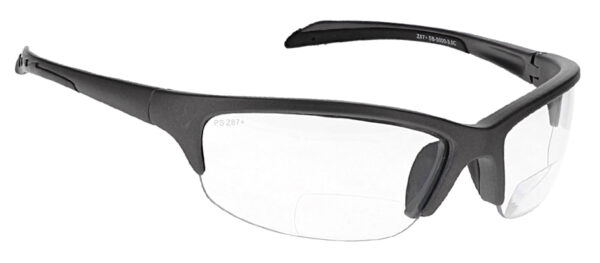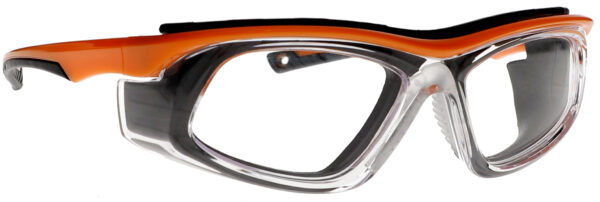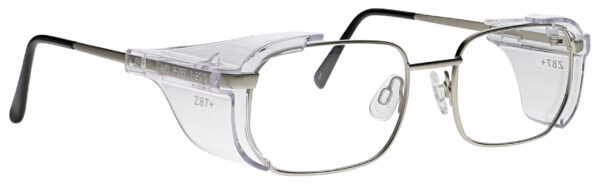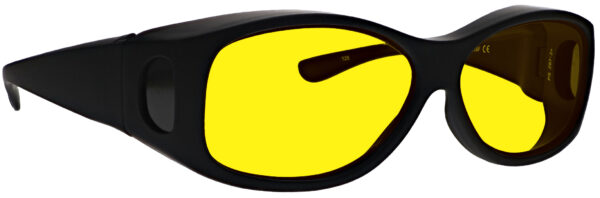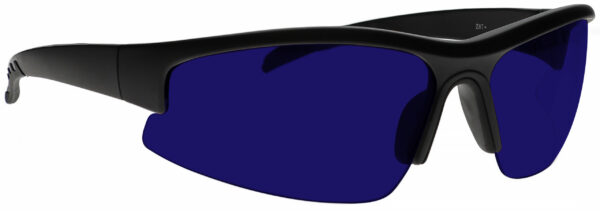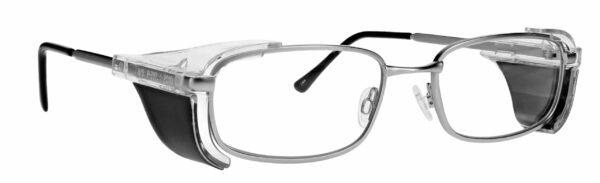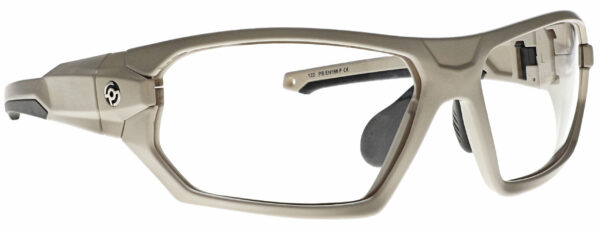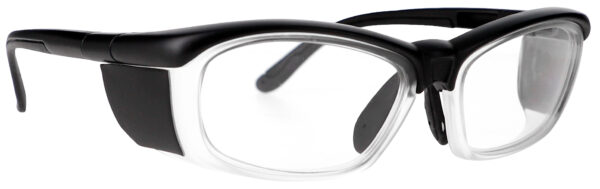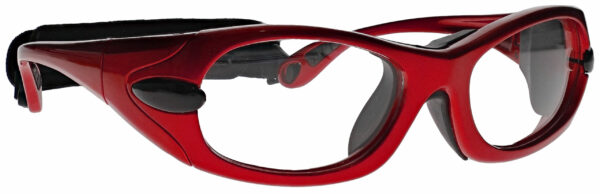
5 Signs It’s Time to Replace Your Safety Glasses

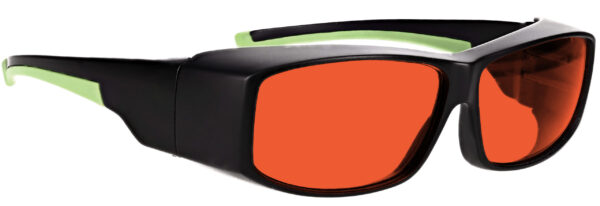
Whether you rely on laser safety glasses, radiation safety glasses, or any other protective eyewear, replacing them is inevitable. Daily use in hazardous environments can lead to wear and tear, compromising their ability to protect your eyes effectively. To ensure your safety, it’s crucial to recognize when it’s time to invest in a new pair of safety glasses.

Here are the top 5 signs that indicate it's time to replace your safety glasses:

1. Noticeable Scratches on the Lenses

Even the highest-quality safety glasses aren’t immune to scratches, especially after years of rigorous use. While many safety glasses come with scratch-resistant coatings, these coatings can wear down over time. Scratches on your lenses can impair your vision, putting your safety at risk. If you spot any scratches, it’s time to start looking for a new pair with guaranteed scratch-resistance to ensure long-lasting protection.

2. Blurry Vision When Worn

If your safety glasses include prescription lenses, maintaining clear vision is essential. Just like your regular prescription glasses, your safety glasses need to be updated when your prescription changes. Annual eye exams are recommended, and if your vision has become blurry or you’ve experienced headaches while wearing your glasses, it’s likely time for an update.

3. Outdated Features and Technology

Safety glasses, like any other equipment, can become outdated. If your glasses are over five years old, they might lack the latest features that enhance both visibility and protection. Advances in lens technology, coatings, and overall design mean that newer models offer better safety and comfort. If your current glasses seem outdated compared to what’s available today, it’s time for an upgrade.

4. Persistent Cleaning Issues

If you find yourself constantly cleaning your safety glasses, only to have them remain cloudy or covered in blotches, it might be a sign to replace them. Over time, older lenses can become harder to clean, and protective coatings like anti-fog or scratch resistance may deteriorate. This can lead to poor visibility and reduced protection. New glasses with fresh coatings will provide clearer vision and better performance.

5. Frequent Squinting

If you catch yourself squinting while wearing your safety glasses, even if they’re non-prescription, it’s a red flag. Squinting can indicate that the lenses are no longer offering clear, sharp vision. As glasses age, lens clarity and coatings can degrade, making it harder to see. If you’re squinting more often, it’s time to replace your safety glasses.

If you have any questions about safety glasses or need assistance selecting the right pair for your needs, feel free to contact us. We offer a wide range of safety glasses, whether you need protection from radiation, lasers, or other hazards. For more resources, explore our other blog posts or visit our website to browse our extensive collection of safety glasses.
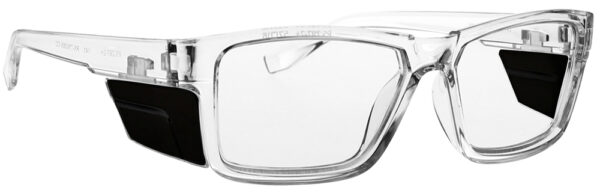
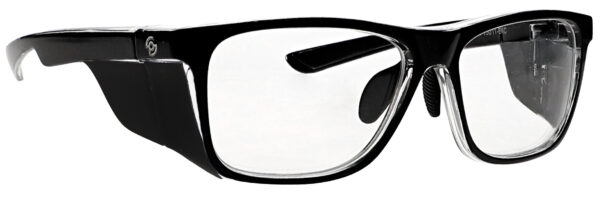
If you still aren’t sure which safety glasses are right for you, it’s a good idea to give us a call at 1-866-575-1307 or talk to us through our chat or e-mail us at service@phillips-safety.com

Our experts will be able to tell you what you need for your application.

SHOP SAFETY GLASSES

Finding the Right Radiation Safety Glasses to Keep Your Eyes Safe

Radiation is an inherent aspect of our environment. While it possesses the potential for beneficial applications, excessive exposure can lead to detrimental effects on the human body. Therefore, whenever there is a possibility of workplace radiation exposure, it becomes crucial to undergo adequate training, gain a thorough understanding of the risks involved, and be equipped with the necessary tools. This ensures that you can perform your job efficiently while minimizing the potential risks to both yourself and others.

Ensuring your safety begins with the simple step of wearing appropriate safety glasses. This is especially critical when dealing with radiation, making it essential to invest in a high-quality and reliable pair of radiation safety glasses. However, we understand that personal preferences, such as style or budget, also play a role in your choice. Therefore, finding the right pair, rather than just any, becomes paramount. The good news is that with the right guidance, locating suitable lead glasses is entirely feasible. Whether you prefer a basic model or a reputable name brand, here are the key factors you should take into consideration.

FINDING YOUR IDEAL PRESCRIPTION RADIATION SAFETY GLASSES

For individuals who frequently engage in work while wearing safety glasses and also require regular prescription glasses, prescription anti radiation glasses present the ideal solution. The convenience is unmatched – simply put them on at home and wear them effortlessly throughout the day at work. This unique pair of glasses ensures the safety of your eyes while providing clear vision, enabling you to perform your job with ease and clarity.

The great news is that at Phillips Safety prescription radiation glasses come in a wide variety of frames. Whether you prefer wraparound, goggles, metal, or plastic frames, it’s effortless to have your prescription seamlessly inserted into your favorite safety eyewear.

This option becomes particularly attractive if you seek to streamline your life or already lead a busy schedule. Merging both pairs of glasses into one, providing safety and comfort, becomes a logical decision. No longer will you need to juggle two sets of glasses, and you can rest assured that your eyes remain protected even when you’re not working or the task is complete.

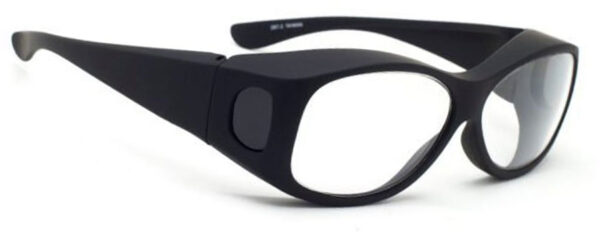
Certainly, if you have a strong attachment to your current regular glasses and prefer not to replace them with the all-in-one solution mentioned earlier, there’s a solution tailored to your needs as well. You can discover radiation safety glasses specifically designed to fit over your regular glasses effectively. So, if you like your existing glasses and wish to maintain uncompromised eye safety, fitover radiation glasses are the perfect choice for you. These glasses can comfortably accommodate most glasses and head sizes, providing a lightweight, comfortable, and highly effective pair of safety glasses.
FINDING YOUR IDEAL NON-PRESCRIPTION LEAD GLASSES

For those who require corrective eyewear but favor contact lenses over glasses, the range of options expands further. When choosing your eyewear, consider the material and overall shape of the frame. Determine whether you prefer regular glasses or require goggles. Additionally, weigh the benefits of a plastic frame against a metal one to determine which better aligns with your needs and preferences.

After deciding on the desired shape and material for your radiation glasses, it’s essential to consider your budget. If you have a tendency to misplace or lose things, exploring economy radiation safety glasses can be a practical choice. These glasses come in various shapes and styles, offering budget-friendly options, and you won’t have to worry about the cost of replacement if they get lost or accidentally broken.

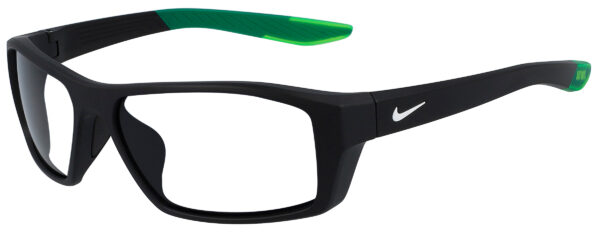
On the other hand, if you prioritize style and desire a particularly fashionable pair of safety glasses, rest assured that we also offer name brands to cater to your preferences. With several reputable brands available, you can enjoy both top-notch radiation safety and a wide array of stylish choices to suit your taste. Whether your preference lies with Nike, Wiley X, or Oakley, you can discover a pair that perfectly aligns with your style and taste. If you have a keen eye for the aesthetics of your eyewear, the extensive selection of shapes, sizes, frames, and colors will cater to even the most discerning individuals, ensuring everyone finds a pair they absolutely adore.

RADIATION SAFETY GLASSES: YOUR KEY TO EYE PROTECTION AT PHILLIPS SAFETY

Given the abundance of frames and options available at Phillips Safety, it’s crucial to identify the specific features and styles that matter most to you. Considering a style that aligns with your preferences or is suitable for your job can be beneficial. Take the purchasing process in a step-by-step manner, enabling you to eventually discover your ideal pair. Determine if a name brand is essential to you, along with your preferred material and budget. With these considerations in mind, you now have the opportunity to select from an extensive array of radiation safety glasses to find the perfect fit for you.

Working with radiation demands strict adherence to safety precautions. Ensuring patients’ safety from exposure is crucial, but equally important is safeguarding yourself. Investing in a pair of radiation safety glasses provides essential eye protection, preserving your vision as you carry out your duties. Explore our radiation glasses collection and don’t hesitate to get in touch with us if you need any help. We’re here to assist you with all your radiation safety needs.

If you still aren’t sure which radiation glasses are right for you, it’s a good idea to give us a call at 1-866-575-1307 or talk to us through our chat or e-mail us at service@phillips-safety.com

Our radiation experts will be able to tell you what you need for your application.

SHOP RADIATION GLASSES

Clear Vision, Longevity Ensured: Expert Tips for Cleaning and Caring for Your Safety Glasses

Whether you rely on safety glasses for your work or recreational activities, such as welding, construction, or exposure to lasers or radiation in a medical lab, it’s vital to ensure they provide optimal vision and eye protection. To guarantee their effectiveness, proper care and maintenance are essential.

In this post, we will explore the do’s and don’ts of caring for your safety glasses, enabling them to fulfill their intended purpose of safeguarding your eyes.

ESSENTIAL DO’S AND DON’TS FOR CLEANING AND MAINTAINING YOUR EYEWEAR

Do Store Your Safety Glasses Properly

Ensuring the longevity and protection of your safety glasses goes beyond their quality; it also involves having the right gear for storing them. When your safety glasses are not in use, it is crucial to store them properly in a protective case. Many people have the habit of casually placing their glasses on workbenches or leaving them exposed on countertops. Unfortunately, this not only exposes the glasses to potential damage but also puts them at risk of theft or loss. To avoid such issues, develop a habit of storing your glasses in a protective hard case or a soft, microfiber drawstring bag.

If you opt for a microfiber drawstring bag, ensure it is made specifically for glasses to prevent lens scratches. Additionally, designate a safe spot for storing the bag, rather than simply tossing it in your backpack, purse, or car. While a microfiber bag offers decent lens protection, leaving it unattended anywhere increases the risk of glasses being sat on, stepped on, or accidentally crushed. By following these do’s and don’ts, you can effectively safeguard your safety glasses and prolong their lifespan.

Don’t Clear Your Safety Glasses Inadequately

Cleaning your safety glasses improperly can lead to scratches and compromise their quality, as well as your vision in hazardous environments. Many individuals resort to wiping their glasses on old rags or their shirts, mistakenly assuming it’s an effective cleaning method. However, this approach is far from ideal. To avoid such issues, it’s crucial to follow the correct method of cleaning your safety glasses.

Start by inspecting the lenses for any dust, dirt, or debris and gently blow them off. Then, rinse your glasses under tepid water to remove any remaining particles. Next, spritz a safe cleaning solution specifically designed for glasses onto the lenses. Proceed by drying the glasses using a soft, microfiber cloth, ensuring a gentle touch. Finally, store your glasses in their protective case or drawstring bag. By adhering to these simple steps, you can effectively clean your safety glasses, maintaining their quality and safeguarding your vision in hazardous environments.

Do Invest in Anti-Fog Solution

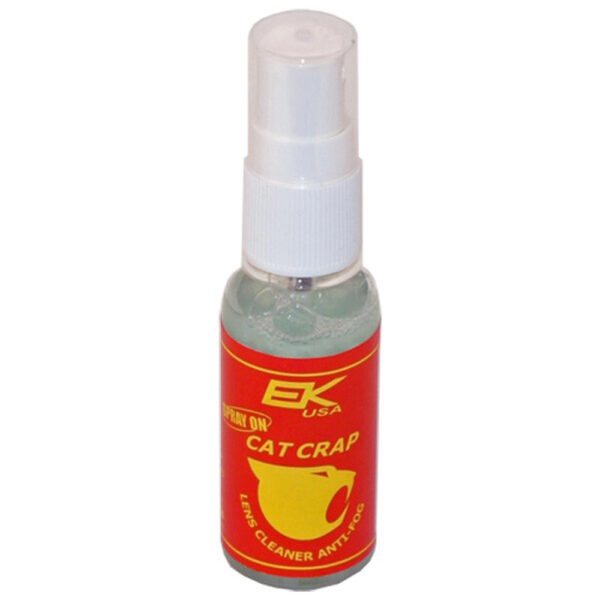
Dealing with safety glasses that fog up while working in a hazardous environment can be incredibly irritating and even dangerous. If your current safety glasses lack built-in anti-fog technology (which is present in most models), it’s essential to invest in an anti-fog solution. This affordable investment will provide you with a quick and effective way to eliminate fog from your glasses during work.

By applying the anti-fog solution to your safety glasses, you can ensure clear vision and optimal safety in challenging conditions. Don’t let fog hinder your productivity or compromise your well-being. Make the smart choice and equip yourself with an anti-fog solution, empowering you to work efficiently and confidently.

Don’t Forget Your Cleaning Kit

Having a reliable cleaning kit on hand is crucial, especially if your workplace lacks a dedicated cleaning station for your safety glasses. It’s essential to be prepared and equipped to maintain the optimal condition of your glasses and ensure clear vision throughout your workday.
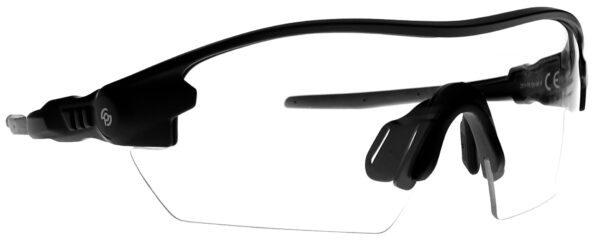
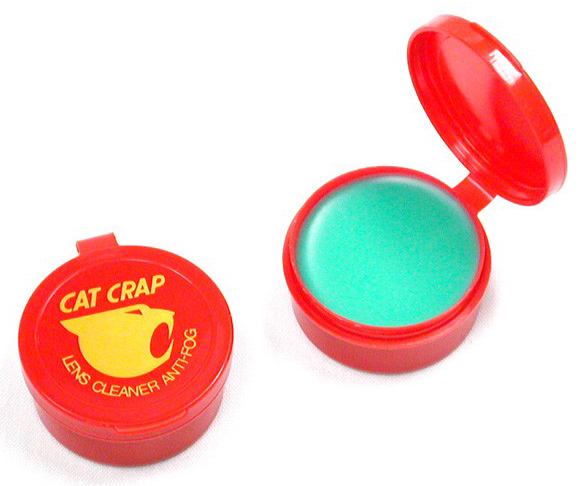
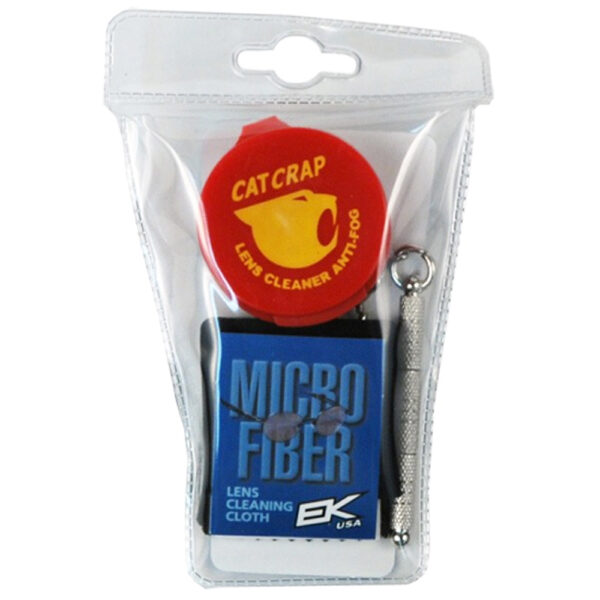
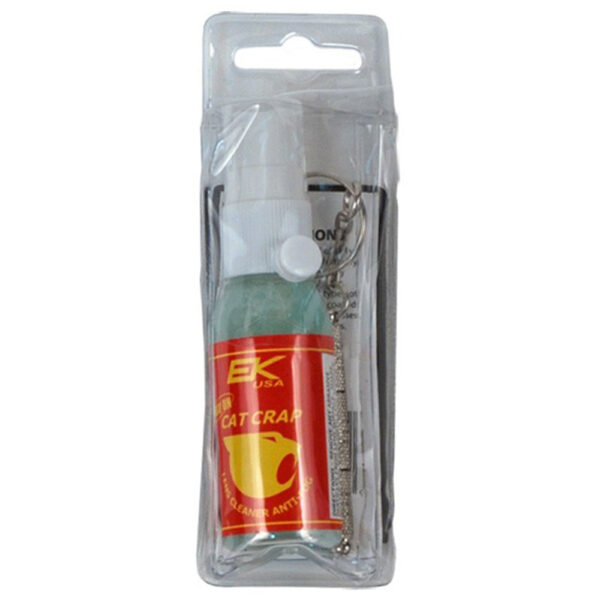
Your cleaning kit should include the following items: a protective hard case or microfiber drawstring bag, a microfiber cleaning cloth (be sure to choose a non-abrasive microfiber cloth to avoid lens scratches), anti-fog solution, and a cleaning solution specifically designed for glasses (avoid using window cleaners or other products that could erode protective coatings on your safety glasses).

Fortunately, you can find all of these items available at Phillips Safety priced under $15. These cleaning products will last you a significant amount of time, providing excellent value for your investment. By assembling a comprehensive cleaning kit, you can swiftly address any issues that arise with your safety glasses, ensuring they remain in top-notch condition and enabling you to maintain clear vision and optimal safety throughout your workday.

CLEANING AND CARING FOR SAFETY GLASSES

In conclusion, caring for your safety glasses is essential to maintain their effectiveness in providing optimal eye protection and clear vision. By following the do’s and don’ts discussed in this post, you can ensure the longevity and reliability of your eyewear.

Proper storage in a protective case or microfiber drawstring bag will safeguard your glasses from damage and prevent loss or theft. Avoid inadequate cleaning methods that may lead to scratches by following the correct cleaning process, including rinsing, using a suitable cleaning solution, and drying with a soft microfiber cloth. Additionally, investing in an anti-fog solution will ensure uninterrupted visibility in hazardous environments. Don’t forget to have a cleaning kit readily available, containing essential items such as a protective case, microfiber cleaning cloth, anti-fog solution, and specialized cleaning solution.

With these precautions in place, you can confidently rely on your safety glasses for reliable eye protection and maintain clear vision throughout your workday.

If you still aren’t sure which safety glasses’ accessories are right for you, it’s a good idea to give us a call at 1-866-575-1307 or talk to us through our chat or e-mail us at service@phillips-safety.com

Our experts will be able to tell you what you need for your application.

SHOP SAFETY GLASSES’ ACCESSORIES

What to Consider Before Buying Safety Glasses: Key Questions to Ask

It’s always wise to gather knowledge before making a purchase, especially when you’re buying something for the first time. This holds true for safety glasses as well. In this article, we’ll discuss five crucial questions that you should ask when purchasing safety glasses for yourself or others to ensure that you get the right product at the right price.

WHAT TO ASK BEFORE YOU BUY SAFETY GLASSES

Will I purchase safety glasses in bulk? If you’re an individual purchasing safety glasses, you likely only need one pair, unless you want a backup. However, if you’re an employer, it’s important to consider whether you need to buy the glasses in bulk for your employees. Providing safety glasses to all workers in a hazardous environment is an essential responsibility, as it protects their eyes and your business from liability issues. Opting to purchase safety glasses in bulk can save you money in the long run.

What is the feedback from other people’s reviews? Before making a purchase, it’s always a good idea to check out the product reviews from other people. Positive feedback from previous buyers is an indication that the product is of high quality and has satisfied many customers. Conversely, if there are negative reviews for safety glasses, it’s best to avoid purchasing them and look for other options.

Are these glasses priced appropriately? When purchasing safety glasses, it’s important to consider your budget. You can find high-quality safety glasses at a reasonable price, ranging from $5 to $20 for basic ones and up to $100 or more for those with advanced features from well-known brands. However, the price should not be the only factor in your decision-making process. Cheaper glasses don’t always mean lower quality, and expensive ones often offer more benefits. You should have a budget in mind before searching for safety glasses.

What specific requirements do I have for safety glasses? Depending on your job or situation, the specifications and safety features you need in your safety glasses may vary. Before you start your search for the perfect pair of safety glasses, it is important to know exactly what you are looking for. For example, if you wear prescription lenses, you will need to decide if you want safety glasses that fit over your regular glasses or safety glasses with built-in prescription lenses. You should also consider whether you need special coatings to protect against fog, shattering, or scratches, and whether accessories like a head strap or protective casing are necessary.

Can I wear these glasses comfortably for extended periods? If you are purchasing safety glasses for work, it is likely that you will be wearing them for extended periods of time. As a result, it is imperative that they are comfortable to wear. To ensure comfort, it is best to review the glasses’ features and read customer reviews. Look for glasses that fit comfortably on your face without being too tight. You might also want to consider glasses with a soft, rubberized nose bridge and temples to provide additional comfort and prevent sweat and debris from getting in.

PHILLIPS SAFETY’S RANGE OF SAFETY GLASSES FOR EVERY NEED

In conclusion, purchasing safety glasses can be a daunting task, especially if you’re doing it for the first time. However, gathering knowledge before making a purchase ensures that you get the right product at the right price. In this article, we discussed five crucial questions that you should ask yourself before purchasing safety glasses.
By considering factors such as whether you need to purchase them in bulk, feedback from other people’s reviews, appropriate pricing, specific requirements you have, and the comfort level, you can make an informed decision and get safety glasses that will adequately protect your eyes while ensuring your comfort.

Regardless of your requirements, Phillips Safety offers a variety of safety glasses options to meet your recreational or professional needs. If you need further advice on selecting the right safety glasses or have questions about the purchasing process, you can reach out to us for assistance. Additionally, you can find more helpful resources on our website.

If you still aren’t sure which safety glasses are right for you, it’s a good idea to give us a call at 1-866-575-1307 or talk to us through our chat or e-mail us at service@phillips-safety.com

Our experts will be able to tell you what you need for your application.

SHOP SAFETY GLASSES

Radiation Safety Glasses: Finding The Best Frame Shape For Your Face

When you work with radiation, a necessary part of your safety gear will always be radiation safety glasses. But if you don’t wear glasses, it might be hard for you to decide what frame shape will work best for your face. Even though you need to wear radiation safety glasses to protect your eyes for your job, you don’t have to make compromises in terms of style. In fact, when you find the right type of frame, you can enhance your look rather than compromise it.

Frames for Every Need at Phillips Safety

Fortunately, at Phillips Safety you have a variety of styles to choose from. That, in turn, means that once you’ve determined what style of the frame would work well with your face, then you’ll be able to easily find a frame that you like. Regardless of your budget, a pair of glasses that are going to work well for you is easily found and purchased. The same truth also holds for your individual situation. Whether you need glasses to fit over regular glasses, or need a prescription pair, or simply need a pair of radiation safety glasses, the right type of frame exists for your individual needs.

And the best part is that any frame you buy will provide your eyes with much-needed protection from harmful radiation, while at the same time giving you a comfortable fit for wearing your safety glasses even an entire day. Of course, to get to that point, you have to make sure that you actually choose glasses that benefit you. That means determining your face shape and finding a frame that is actually designed to be comfortable and stylish for that specific shape.

Moreover, Phillips Safety understands the importance of versatility in eyewear. Whether you’re in a professional setting requiring sleek and understated frames, or you prefer a bold statement piece for your personal style, our range accommodates diverse preferences. Beyond aesthetics, functionality remains paramount. From anti-fog and anti-reflective coatings to prescription lenses, each frame incorporates features to enhance comfort and usability throughout extended wear. Thus, when selecting from our collection, you’re not merely choosing a pair of glasses but investing in reliable eye protection tailored to your unique requirements and lifestyle.

RG-15011-BKC-50SS06
RG-RX-T9559-BL
PS-FO-BL01
PS-VERTICAL_1-blog-banner-radiation-safety-glasses-finding-the-best-frame-shape-for-your-face

Fortunately, at Phillips Safety you have a variety of styles to choose from. That, in turn, means that once you’ve determined what style of the frame would work well with your face, then you’ll be able to easily find a frame that you like. Regardless of your budget, a pair of glasses that are going to work well for you is easily found and purchased. The same truth also holds for your individual situation. Whether you need glasses to fit over regular glasses, or need a prescription pair, or simply need a pair of radiation safety glasses, the right type of frame exists for your individual needs.

And the best part is that any frame you buy will provide your eyes with much-needed protection from harmful radiation, while at the same time giving you a comfortable fit for wearing your safety glasses even an entire day. Of course, to get to that point, you have to make sure that you actually choose glasses that benefit you. That means determining your face shape and finding a frame that is actually designed to be comfortable and stylish for that specific shape.

Moreover, Phillips Safety understands the importance of versatility in eyewear. Whether you’re in a professional setting requiring sleek and understated frames, or you prefer a bold statement piece for your personal style, our range accommodates diverse preferences. Beyond aesthetics, functionality remains paramount. From anti-fog and anti-reflective coatings to prescription lenses, each frame incorporates features to enhance comfort and usability throughout extended wear. Thus, when selecting from our collection, you’re not merely choosing a pair of glasses but investing in reliable eye protection tailored to your unique requirements and lifestyle.

PS-VERTICAL_1-blog-banner-radiation-safety-glasses-finding-the-best-frame-shape-for-your-face

Determine Your Face Shape

Generally speaking, there are five different face shapes; round, oval, square, diamond, and heart-shaped. Of course, you can try to look in a mirror to determine how your face is shaped. One way to help you determine your face shape is to look at the sides of your face and your jawline.

face-shape-heart
Heart

If you have a heart-shaped face, your face will be widest at the forehead and then continue to narrow until the jawline. You may even believe that your chin appears to be pointed when you possess this face shape. If you possess this shape of the head and you are looking for a great pair of radiation safety glasses that will help to balance out your face, while enhancing it at the same time you should consider larger shaped glasses.

individual-face-oval
Oval

One way to find out whether you have an oval-shaped face is to look for hints that it is longer than it is wide. Usually, the face is also slightly wider at the top and tapers ever so slightly down the face to the chin. If your head is this shape, consider yourself lucky. It is generally considered to be the most versatile shape, meaning that almost any style of glasses will fit well. The only type you’ll want to avoid is a wide frame, which could accentuate the relatively narrow width of your face.

individual-face-round
Round

Round faces are relatively common, and they’re easy to spot. Typically, the width of your forehead, jawbone, and cheekbone will be equal, with relatively soft features through your entire face. In other words, the distance from the forehead to the jaw is roughly the same as ear to ear. To account for this common face shape, look to embrace geometric eyeglass frames where you can find them. They tend to elongate the appearance of your facial features, making them look more elegant in the process. Many of our wraparound frames, for instance, offer not just security and a tight fit but also this type of effect.

face-shape-square
Square

In terms of the distance between your jaw, cheekbone, and forehead, a square face tends to be similar to a round face. That said, the difference is the sharpness in facial features, with a less pointy chin and a strong, angular jawline. That jawline, of course, is what makes you a good fit for quite a variety of radiation safety glasses. Round and oval shapes tend to work especially well. Browse our selection of Nike frames for women to get an idea of the types of frames that look good with your face and accentuate your look.

face-shape-diamond
Diamond

A diamond face means that your face is widest at your cheekbones, while your jawline and forehead tend to have the same shape. As a result, the hairline tends to be narrow, the chin slightly pointed, and the cheeks relatively wide. Of the five general types of face shapes mentioned here, a diamond shape is the rarest. However, that doesn’t mean you will necessarily have trouble finding the right eyewear for your needs. Avoid narrow frames, instead opting for top-heavy options.

Make no mistake: when it comes to radiation, safety should absolutely be your first priority. Before you worry about the shape of your glasses, you have to make sure that their quality is good enough to protect your eyes from any danger. But at the same time, it’s difficult to deny that style does play a role. Fortunately, your face shape can play a large role in determining which glasses work well for your individual face and situation. To find your perfect pair of radiation safety glasses for work, please contact us.

If you still aren’t sure which radiation safety glasses are right for you, it’s a good idea to give us a call at 1-866-575-1307 or talk to us through our chat or e-mail us at service@phillips-safety.com

Our experts will be able to tell you what you need for your application.

SHOP RADIATION SAFETY GLASSES

The Power of Protection: Understanding Safety Eyewear for Welding and Torching

Whether you possess extensive experience in welding or are venturing into your initial welding project, it is of utmost importance to give due priority to eye protection during welding or torching activities. Sensibly, safeguarding your eyes is an indispensable aspect of such tasks. Should you find yourself seeking enhanced safety eyewear or a dependable option tailored to your welding requirements, rest assured that this guide is designed to furnish you with a preliminary understanding. It will shed light on the diverse lens options accessible for ensuring effective eye protection throughout the welding process.

When it comes to welding safety eyewear, there are a variety of lenses available to cater to different needs and requirements. Each lens is designed to provide effective protection for the eyes during welding activities. Whether you’re brazing stainless steel, aluminum, or bronze, or working on welding projects involving various materials, there are specific lenses tailored to enhance visibility and minimize hazards. Plus, with different shade options available, welders can select the lens that best suits their specific welding applications and preferences.

At Phillips Safety, we understand the importance of providing a variety of options for welding and torching eye protection. That’s why we offer a wide range of lenses that cater to different needs and requirements, ensuring that welders can find the perfect lens to enhance visibility and minimize hazards during their welding projects. With our extensive selection of lenses and shade options, we are committed to providing effective eye protection for welders of all experience levels.

EXPLORING PHILLIPS SAFETY’S RANGE OF WELDING AND TORCHING LENSES

From standard shades to specialized lenses, the options for welding and torching eye protection are extensive. These lenses offer specific features like blocking harmful radiation, reducing glare, enhancing visual clarity, and providing maximum protection. Additionally, they come in various shapes and sizes, ensuring a comfortable fit for different welding and torching applications. Phillips Safety offers a wide availability of such a diverse range, allowing welders and torch operators to find the perfect lenses that suit their specific requirements, prioritizing both safety and visual performance. Learn below about the different types of lenses available for welding and torching eye protection and their respective characteristics.

The Green Welding lens is a premium glass lens renowned for its exceptional quality. Also known as Athermal, it is crafted with the utmost attention to optical excellence. This lens is a testament to superior craftsmanship, as it boasts remarkable durability, providing not only true HD optics but also unparalleled clarity and maximum protection. At Phillips Safety, the Athermal lens is available in a wide range of shades—from 4 to 14. You can choose from various shapes, including circular, small rectangular, and large rectangular, ensuring a comfortable fit for your specific requirements.

The Cobalt Blue lens, also known as Neotherm, is specifically engineered for optimal use in observing furnace and molten metal operations. It finds widespread application in various industries such as foundries, steelworks, glassworks, fiberglass and ceramics plants, as well as in brazing, torching, and other settings where eye protection is essential during high-temperature processes. At Phillips Safety, Neotherm lenses are available in shades 4, 5, 6, and 8. These lenses effectively absorb UV radiance and harmful infrared emissions within the range of 780 to 2000nm. With a temperature tolerance ranging from 1,290 to 1,800° Celsius, they ensure reliable protection.

Phillips Safety’s Gold Coated welding lenses are renowned as the benchmark for top-quality welding lenses available in the market. These gold lenses not only offer the same exceptional benefits as green lenses, including protection from all three types of radiation encountered in welding, but they also provide an additional advantage—90% infrared reflection. This feature effectively reduces heat exposure to the welder’s eyes, resulting in reduced eye strain.

Furthermore, Phillips Safety also offers Alloweld glass lenses, specifically engineered to provide exceptional eye protection during welding and brazing activities involving stainless steel, aluminum, and bronze. They are well-suited for a wide range of welding applications, including refrigerator units, boats, cars, radiators, and aircraft. Crafted with premium German glass, these lenses offer distortion-free clarity for enhanced visibility. They are designed to minimize sodium flare while maximizing color contrast, enabling welders to accurately gauge the temperature of the welded material and identify any puddling. Available in an emerald green color, they offer four different shade options: 4, 5, 6, and 8, allowing welders to select the ideal shade for their specific requirements.

Moving on, Super Blue Drop-In welding lenses serve a crucial role in safeguarding the eyes against three wave energies: visible light, ultraviolet light (UV), and infrared light (IR). While visible light is easily perceptible and can cause discomfort, UV and IR are invisible yet hazardous. Conventional welding glasses with green filters are insufficient in adequately blocking out the harmful colors associated with visible light, particularly the yellow and orange hues emitted during flares. To effectively protect against these colors, blue polycarbonate lenses are essential additions to standard welding glasses. However, it’s important to note that the blue drop-in filters should be used in conjunction with the green filters, as the blue lenses alone cannot provide adequate protection. When working around yellow and orange colors, simply insert the blue drop-in filters behind the regular lenses. Care should be taken to prevent spattering, as it can erode the polycarbonate material of the blue lenses. By employing this dual-filter approach, welders can ensure comprehensive eye safety during welding operations.

Last but not least, the Super Magenta Drop-in Lenses is a step up in performance, as they offer enhanced eye protection compared to the Blue Drop-in Lenses. While the Blue lenses effectively block harmful yellow and orange colors, they are not as efficient in reducing glare. In contrast, the Super Magenta Drop-in Lenses significantly diminish glare, thanks to their acrylic composition. Not only do these lenses minimize glare, but they also enhance visual clarity and color perception. Similar to the Blue lenses, it’s important to note that the Super Magenta lenses are intended to be used in conjunction with your regular welding shades. When working in high-risk environments like welding areas, optimal vision is crucial, and the Super Magenta Drop-in Lenses ensure exceptional clarity. Therefore, if you anticipate encountering significant glare, these lenses are a must-have addition to your eyewear. Remember, these lenses should never be used alone, as doing so can result in potential permanent eye damage.

OPTIMAL EYE PROTECTION AND CLARITY WITH WELDING GLASSES

Besides the aforementioned welding and torching lenses, Phillips Safety also offers an extensive selection of welding glasses that combine optimal eye protection with enhanced visual clarity. Our welding glasses are meticulously crafted using high-quality materials to ensure durability and reliability in the most demanding welding environments.

Phillips Safety understands the importance of catering to individual preferences and specific welding needs, and that’s why we offer welding glasses with a choice of lens colors. Our welding glasses are available in both green and cobalt blue lenses, allowing welders to select the tint that best suits their visual preferences and provides the desired level of eye protection. Whether you opt for the classic green or the specialized cobalt blue lens, you can trust that our welding glasses will deliver the utmost in safety and visual performance.

Please note that for optimal eye protection, it’s important to choose the appropriate lens shade based on the intensity of the welding process. Additionally, proper usage and maintenance of welding glasses are crucial to ensure long-lasting performance. Explore our collection of welding glasses to find the right pair that meets your safety needs and enhances your welding experience. With Phillips Safety’s welding glasses, you can weld with confidence, knowing that your eyes are well-protected without compromising on clarity and comfort.

If you still aren’t sure which welding products are right for you, it’s a good idea to give us a call at 1-866-575-1307 or talk to us through our chat or e-mail us at service@phillips-safety.com

Our welding experts will be able to tell you what you need for your application.

SHOP WELDING SAFETY PRODUCTS

The Many Faces of Safety Glasses: Finding the Right Fit for Your Needs

When most people think of safety glasses, they likely imagine basic, clear plastic eyewear used for activities like woodworking or tinted sunglasses worn during long motorcycle rides. However, the reality is that safety glasses serve as protective gear for a vast array of activities, from sporting events to medical lab work and everything in between.

Safety glasses are an essential piece of personal protective equipment designed to protect the eyes from hazardous materials and debris. They are commonly used in industries such as construction, manufacturing, and healthcare, but those are not exclusive. Overall, they are a critical tool for safeguarding the eyes and ensuring the well-being of individuals in various settings. Below, we will explore several of the different types of safety glasses that are available.

EXPLORING DIFFERENT TYPES OF SAFETY GLASSES

Medical Safety Glasses: Medical professionals working in labs or examination rooms where they are exposed to harsh and potentially damaging light require adequate eye protection, and medical safety glasses effectively keep harmful rays out while enhancing vision. When shopping for medical safety glasses, prioritizing comfort and security is crucial, as medical professionals may need to wear them for extended periods.

Bifocal Safety Glasses: Bifocal safety glasses have two different prescriptions in one lens, with the upper portion for distance vision and the lower portion having a smaller magnified lens for near vision tasks. They offer practicality and convenience for individuals who need vision correction and require eye protection while working, eliminating the need for switching between two pairs of glasses. They are available in a range of magnification powers, and are a popular choice for workers who require corrective eyewear and superior eye protection.

Transition Safety Glasses: These glasses have lenses that change color automatically, eliminating the need to switch lenses manually. Within eight seconds, the high-quality photochromic lenses will transform from clear to tinted, and in just 35 seconds, they will go from tinted to clear. They are designed to respond to UV light and adjust to the various light conditions. Additionally, these glasses block out 99% of UV rays, and have an anti-scratch coating.

Safety Reading Glasses: Safety reading glasses are designed for workers who require magnifying lenses in their workplace. These glasses provide added protection against eye strain and fatigue, which can occur when workers spend long periods of time focusing on small details. They are available in various frames and magnification powers ranging from +1.00 to +3.00. These glasses are also ANSI Z87-approved and have high-quality polycarbonate impact-resistant lenses, making them ideal for workers in industries that require reading small print, as well as office environments.

Forensic Glasses: Forensic investigators require specialized glasses that are designed for forensic tasks. The use of UV lamps and forensic glasses helps investigators to better see fluorescence traces from a distance. The type of forensic glasses needed depends on several factors, including the material being inspected, the surface the material is on, the substance of the material, and the lighting conditions of the environment. These glasses are necessary to filter out reflected light that can interfere with the investigation. Red, orange, and yellow lenses are the standard options to choose from.

Growers Glasses: Growers glasses are a specialized type of eyewear designed for hydroponic gardening that are engineered to filter out excess light and enable growers to see even the tiniest details of their crop. These glasses are essential for achieving the maximum yield of a crop, particularly in cases where the light source is of a higher intensity than standard room light or sunlight. Each lens is formulated to match the specific frequencies of light emitted by different types of light sources, and the lenses are precisely tuned for optimum color balance and separation to deliver perfect vision.

SAFETY MADE EASY WITH PHILLIPS SAFETY’S SAFETY GLASSES

In conclusion, safety glasses are a crucial piece of personal protective equipment that can be used in a wide variety of industries and settings. They protect the eyes from hazardous materials and debris, ensuring the well-being of individuals. There are many types of safety glasses available to suit different needs and situations, such as medical safety glasses for lab work, bifocal safety glasses for those who need vision correction, and transition safety glasses that change color automatically. Additionally, safety reading glasses and forensic glasses are designed for specific tasks and environments, while growers glasses are engineered to filter out excess light and enable growers to see even the tiniest details of their crops.

Safety glasses play a vital role in safeguarding the eyes of workers and individuals in various settings. Phillips Safety provides a vast array of safety glasses to cater to different industries and activities, from medical to transition safety glasses. Our safety glasses are designed with the latest technology to ensure optimal protection and comfort for the wearer. With Phillips Safety, individuals can find the perfect safety glasses to suit their specific needs and preferences, providing them with peace of mind knowing they have the best eye protection possible.

If you still aren’t sure which safety glasses are right for you, it’s a good idea to give us a call at 1-866-575-1307 or talk to us through our chat or e-mail us at service@phillips-safety.com

Our experts will be able to tell you what you need for your application.

SHOP SAFETY GLASSES

Everything You Should Know About Protecting Yourself From Radiation

At Phillips Safety, providing comprehensive eye protection from radiation exposure is of paramount importance. However, safeguarding your eyes is not the sole concern when working in radiation-prone environments. If you find yourself in a new job that involves exposure to radiation, we urge you to take a few moments to read this article, where you will learn about effectively safeguarding yourself from radiation and understanding the necessary precautions. Your well-being is our priority, and we are here to equip you with the knowledge to protect yourself in such environments.

INVEST IN PROTECTIVE EYEWEAR

Our eyes, being vital and remarkable organs, require utmost protection to preserve their well-being. The consequences of eye damage can lead to permanent vision impairment, making it imperative to avoid such situations at all costs. If you work in an environment with radiation, it is crucial to equip yourself with a reliable pair of lead glasses explicitly designed to shield your eyes from harmful radiation.

Acquiring a high-quality pair of radiation safety glasses may entail an investment ranging from a hundred dollars at the lower end to a couple of thousand dollars at the higher end. For individuals mandated to wear radiation safety glasses as part of their job, it is advisable to engage in a conversation with the employer regarding the possibility of the company procuring the required eye protection (if it hasn’t been discussed already). On the other hand, businesses seeking to provide eyewear for their employees can explore bulk purchase alternatives, which have the potential to yield cost savings on the overall expenses.

ENSURE A SOLID FRAME TO GO WITH YOUR LENSES

The frames of your radiation safety glasses are instrumental in ensuring comprehensive eye protection. Consequently, selecting frames that offer comfort and durability for prolonged use becomes crucial. It is advisable to opt for frames constructed from resilient materials to ensure long-lasting performance, like the ones available at Phillips Safety. Additionally, exploring frames with distinctive features, such as extra side shields for enhanced protection or rubberized nose pads and temple bars for a secure, non-slip grip, can provide added benefits and convenience.

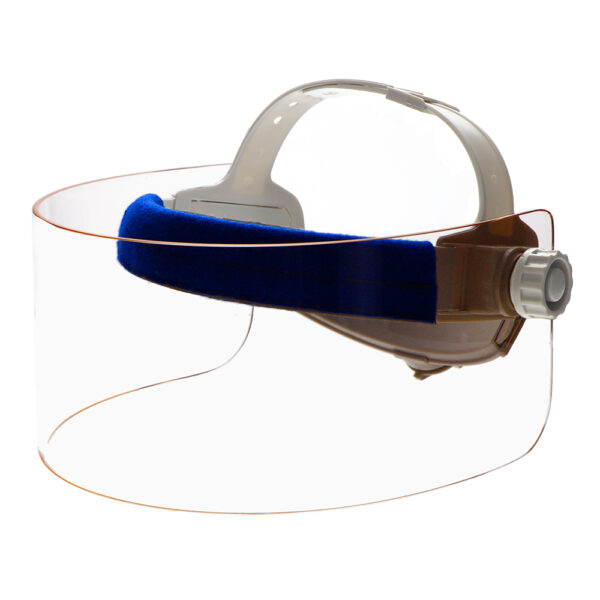
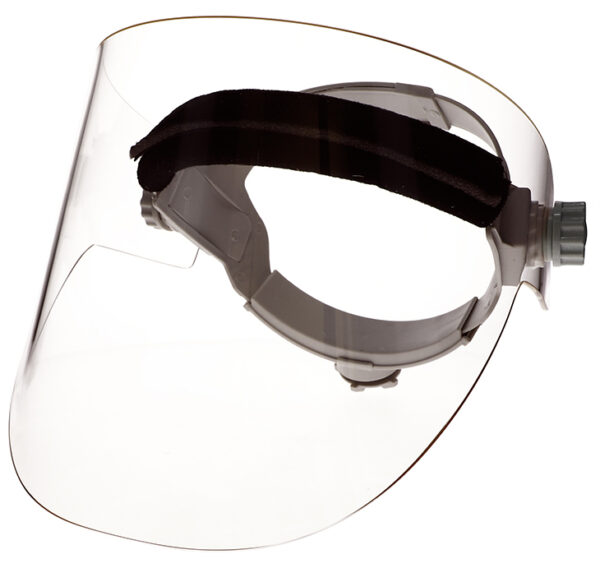
By carefully selecting the appropriate lenses and frames, you can effectively safeguard your eyes from radiation exposure. Make sure to explore our diverse range of frame styles, allowing you to discover the perfect match for your specific needs and preferences. Various options are available, such as plastic, metal, economy, fitover, and wraparound frames, each offering distinctive benefits. Additionally, consider exploring alternatives like face shields, goggles, and customized prescription eyewear to cater to your individual requirements.

CONSIDER THE BENEFITS OF CUSTOM RADIATION SHIELDING GLASS

Certain environments with potential radiation exposure necessitate additional safety precautions, which may include the installation of custom radiation shielding glass, a common feature found in medical examination rooms. For instance, in buildings where radiation is present, it is essential to invest in radiation shielding glass for windows, as regular glass does not provide adequate protection against radiation.

Incorporating the appropriate lead lined glass in your windows plays a crucial role in absorbing harmful rays, safeguarding individuals within the vicinity from their detrimental effects.

RADIATION MOBILE SHIELDS FOR HEALTHCARE PROFESSIONALS

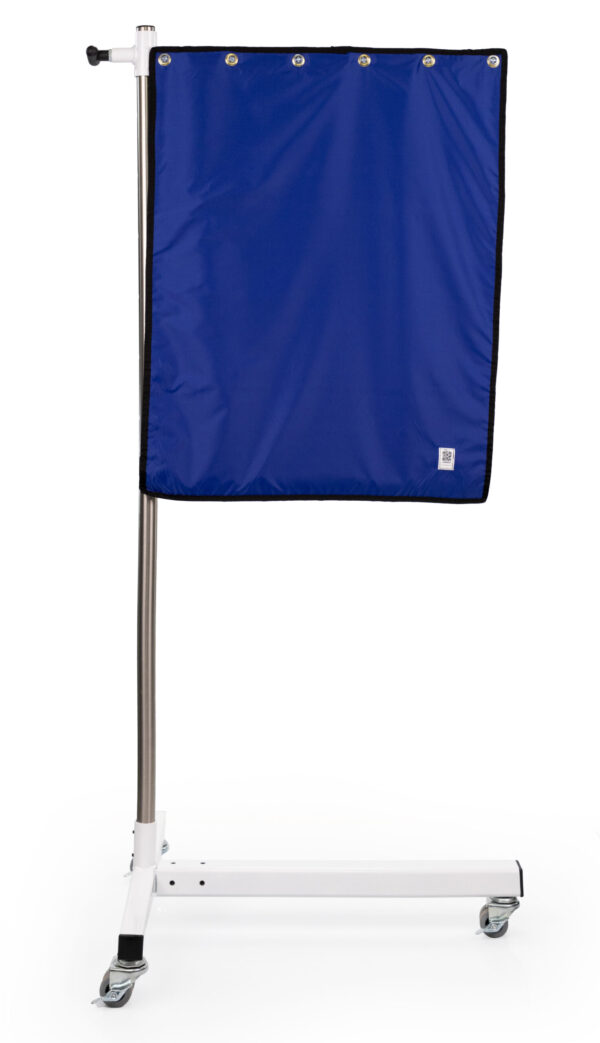
For professionals working in the medical field, especially in examination rooms, considering the acquisition of a radiation mobile shield can prove to be highly advantageous, if not essential for safety. The mobility of this shield adds a significant level of convenience, enabling seamless relocation from one area of the room to another as needed.

The primary objective of a mobile lead shield is to ensure comprehensive protection for medical personnel and patients in environments where radiation exposure is prevalent. Its presence plays a crucial role in safeguarding the well-being of all individuals involved during procedures or treatments involving radiation.

For professionals operating in busy examination rooms where diagnostic procedures are frequently conducted on numerous patients, investing in a mobile radiation shield proves to be an invaluable addition. With a variety of mobile shield styles available at Phillips Safety, it is essential to consider specific fundamental aspects when making a purchase. These crucial factors encompass stability, adjustable features, sufficient dimensions, and a robust, sturdy steel base. Prioritizing these features ensures the acquisition of a radiation mobile shield that not only fulfills its intended purpose effectively but also stands the test of time in a demanding medical environment.

If you seek comprehensive information regarding radiation and the appropriate safety gear to shield yourself from its effects, or if you require safety eyewear for various other environments—such as welding, glassworking, or laser exposure—we encourage you to reach out to us with any inquiries or feedback you may have. Additionally, we offer a variety of valuable resources through our blog posts and on our official website.

Here at Phillips Safety you will find an extensive array of protective gear tailored for laboratories, medical rooms, and other potentially hazardous settings. Feel free to explore our website today to discover a wide range of safety solutions catered to your specific needs.

If you still aren’t sure which products are right for you, it’s a good idea to give us a call at 1-866-575-1307 or talk to us through our chat or e-mail us at service@phillips-safety.com

Our radiation experts will be able to tell you what you need for your application.

SHOP RADIATION SAFETY PRODUCTS

Eye-Opening Situations You Never Knew Demanded Protective Eyewear

It is widely acknowledged that welders require safety glasses during work and that people working with chemicals or lasers need some form of protective eyewear. This common knowledge may lead you to believe that you have a full understanding of when and where safety eyewear is necessary.

However, this assumption is often incorrect and can result in eye injuries, impaired vision, and even blindness. There are a vast number of situations that require the use of safety or specialized goggles or glasses, many of which may be surprising. These circumstances extend far beyond what you might initially assume such eyewear would be necessary for. Read below the top 5 scenarios that may surprise you with their need for safety eyewear.

FIVE SCENARIOS THAT REQUIRE SAFETY EYEWEAR

1. Piloting a Plane

Many people may not be aware that pilots are at risk of eye damage from laser beams. Despite being highly illegal, some individuals have been caught pointing high-powered lasers at passing planes. This poses a serious threat to pilots, as the laser beams can enter the cockpit window and cause eye damage. For this reason, it is advised that pilots wear laser pointer safety glasses during nighttime flights.

Although most professionals are likely aware of this danger, hobbyist pilots may not be. If you fly planes as a hobby, it may be wise to invest in quality laser safety eyewear to use during nighttime flights to ensure the safety of you and your passengers.

2. Prolonged Screen Time

With the prevalence of computers and devices in our daily lives, many people spend hours staring at screens every day. This is especially true for those who work on computers. However, even individuals who only use screens for entertainment may find themselves spending extended periods in front of them.

While a couple of hours of screen time daily is generally not harmful, those who exceed this limit may want to consider computer glasses. These specialized glasses help protect against blue light, which can cause eye strain and fatigue. By investing in these glasses, you can help maintain the health and strength of your eyes for the long term.

3. Car Maintenance

Professional mechanics commonly wear safety eyewear when working on cars, given the risk of flying debris under the hood. However, many vehicle owners who perform their own repairs do so without any eye protection. This is a dangerous practice, as even simple car repairs can result in serious eye injuries from over-pressurized radiators or debris caught in belts. It is therefore essential to invest in a pair of safety glasses or goggles before undertaking any car maintenance tasks, whether minor or major.

4. Laser Shows

While attending laser shows in the US is generally safe, there are exceptions to this rule. If a light show fails to follow the FDA’s safety procedures, it could potentially harm some audience members. It’s therefore a good idea to keep safety glasses on hand when attending laser shows or parties. If you notice lights shining towards the audience or at eye level, put on your glasses and leave the room immediately. It’s also important to wear safety eyewear when working in close proximity to the laser equipment, such as backstage. Protecting your vision is crucial when it comes to laser entertainment.

5. Cooking

It may come as a surprise, but cooking can pose a threat to your eyes. Therefore, it’s wise to have a pair of safety glasses or goggles within reach while working in the kitchen. These should be worn when frying foods, particularly those that tend to produce a lot of grease splatters.

Another instance where safety eyewear is necessary in the kitchen is when using a butane torch for crème brûlée or a smoking gun. Using these tools without proper protection can be extremely hazardous, so it’s crucial to wear safety goggles or glasses when preparing dishes that require them. It is worth mentioning that safety goggles can also be worn when chopping onions or peppers to prevent eye irritation and tears, which can hinder one’s ability to cook effectively.

PROTECT YOUR EYES: INVESTING IN SAFETY EYEWEAR

In conclusion, the need for safety eyewear extends far beyond what many people may initially assume. While welders, chemical workers, and laser operators are well aware of the importance of protective eyewear, there are many surprising scenarios where it is also necessary. Pilots, hobbyist mechanics, individuals who spend prolonged periods in front of screens, those attending laser shows, and even home cooks may be at risk of eye damage without proper eye protection. By being aware of these scenarios and investing in the appropriate eyewear, we can help prevent eye injuries, impaired vision, and blindness, ensuring the long-term health and well-being of our eyes.

If you are looking for a pair of safety glasses or goggles, Phillips Safety offers a wide range of safety glasses or goggles for various tasks, including those mentioned above. Our products are of the highest quality, and we also provide prescription safety glasses for those who need them.

If you still aren’t sure laser safety glasses are right for you, it’s a good idea to give us a call at 1-866-575-1307 or talk to us through our chat or e-mail us at service@phillips-safety.com

Our safety experts will be able to tell you what you need for your application.

SHOP SAFETY GLASSES

4 Signs It’s Time to Replace Your Prescription Safety Glasses

Even the most advanced prescription safety glasses won’t last forever. Over time, wear and tear can compromise their effectiveness, putting your eyes at risk in hazardous environments. To ensure you’re always protected, it’s crucial to recognize when it’s time to upgrade your protective eyewear. Here are four key signs that indicate it’s time to replace your prescription safety glasses:

How to Know When It’s Time to Replace Your Prescription Safety Glasses

blurry-vision-icon
1. Blurry Vision When Wearing Glasses

Prescription safety glasses serve a dual purpose: protecting your eyes and correcting your vision. If you notice that your vision is becoming blurry or your prescription feels off, it’s time for an update. Regularly wearing prescription lenses means that any change in your vision requires an adjustment in all your eyewear, including safety glasses. Schedule an annual eye exam to stay on top of your prescription needs. If your eye doctor advises a change, make sure your safety glasses are updated too.

Foggy-lens-icon
2. Scratched or Foggy Lenses

Scratched, foggy, or streaky lenses can obstruct your vision, making your work more challenging and unsafe. Over time, lenses are prone to scratches, especially if they lack a protective coating. Using the wrong cleaning solution can also lead to permanent fogging or streaks. If your lenses are no longer clear, it’s time to replace them. When shopping for new safety glasses, consider options with anti-fog, scratch-resistant, and shatterproof lenses for better durability and visibility.

Scratch-lens-glasses-Icon
3. Uncomfortable or Damaged Frames

Sometimes, the problem lies not with the lenses but with the frames. If your frames are uncomfortable, loose, or damaged, they may no longer provide the protection and comfort you need. Frames that are prone to slipping off or breaking are a clear sign that it’s time for a new pair. Look for frames made from durable, comfortable materials like polycarbonate plastic. Features like side shields, wraparound styles, and adjustable head straps can enhance both protection and comfort.

5-years-icon
4. Safety Glasses Older Than Five Years

Safety glasses, like most equipment, have a lifespan. If you’ve had your safety glasses for five years or more, it’s likely time for an upgrade. Older glasses may not offer the same level of protection as newer models, and your needs may have changed if you’ve switched jobs or hobbies. Regularly assess your eyewear to ensure it meets your current needs, and consider replacing it every few years for optimal protection.

Need Help Choosing Your Next Pair of Safety Glasses?

Choosing the right safety glasses is crucial for maintaining optimal eye protection and comfort. Phillips Safety’s top-rated safety glasses offer unparalleled protection and comfort, tailored to meet the highest standards of safety. We’ve handpicked these exceptional options to ensure you get the best in clarity, durability, and design. Whether you’re working in demanding environments, participating in outdoor activities, or simply need reliable eye protection for daily use, our curated selection has you covered. Discover the ideal pair of safety glasses that combine advanced features with superior style and functionality, providing you with the confidence and protection you need.

The Safety Glasses 15011 are a square frame made of high-quality plastic. The 15011 model is lightweight, highly durable, and impact resistant. Plus, it features rubberized nose pads, rubberized temple bars, adjustable nose pads and permanent side shields. These Safety Glasses are available in eight color variations. They also meet rigorous industry standards, with ANSI Z87+, CSA Z94.3, and EN 166 certified, offering high impact certification for optimal protection.

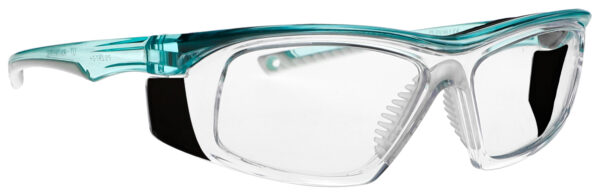
The Safety Glasses 20020 are a rectangular frame made of high-quality plastic. The 20020 model is lightweight, highly durable, and impact resistant. Plus, it features rubberized temple bars and integrated side shields. These Safety Glasses are available in clear blue. They also meet rigorous industry standards, with ANSI Z87+ and EN 166, offering high impact certification for optimal protection.

The Safety Glasses 23109 have a wrap-around frame made of high-quality plastic. The 23109 model is lightweight, highly durable, and impact resistant. Plus, it features rubberized nose pads and adjustable rubberized temple bars. These Safety Glasses are available in black/blue. They also meet rigorous ANSI Z87+ and EN 166 industry standards, offering high impact certification for optimal protection.

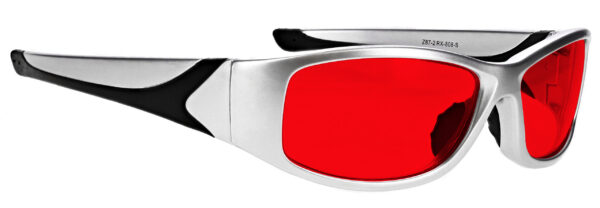
The Safety Glasses 808 are a wrap around frame made of high-quality plastic. The 808 model is lightweight, highly durable, and impact resistant. Plus, it features rubberized nosepads and rubberized temple bars. These Safety Glasses are available in red, black and silver. They also meet rigorous industry standards, with ANSI Z87+ and EN 166, offering high impact certification for optimal protection.

The Safety Glasses T9559 are a rectangular frame made of high-quality plastic. The T9559 model is lightweight, highly durable, and impact resistant. Plus, it features silicone nose pads, rubberized temples, removable foam support, and integrated side shields. These Safety Glasses are available in four color variations. They also meet rigorous industry standards, with ANSI Z87+, CSA Z94.3, and EN 166, offering high impact certification for optimal protection.

The Safety Glasses ST100 are a rectangular frame made of high-quality metal. The ST100 model is lightweight, highly durable, and impact resistant. Plus, it features mesh side shields and adjustable silicone nose pads. These Safety Glasses are available in gunmetal. They also meet rigorous industry standards, with ANSI Z87.1, offering high impact certification for optimal protection.

For more options, check out our Safety Glasses collection. If you have questions about when to replace your safety glasses or need more information about our products, feel free to contact us. Don’t forget to explore our blog for more tips and advice, or visit our website to browse our extensive selection of safety eyewear and other protective gear.

If you still aren’t sure which safety glasses are right for you, it’s a good idea to give us a call at 1-866-575-1307 or talk to us through our chat or e-mail us at service@phillips-safety.com

Our experts will be able to tell you what you need for your application.

SHOP SAFETY GLASSES

Protecting Young Eyes: The Importance of Safety Eyewear in Science Classrooms

As a high school science teacher, you likely have a full semester of exciting material ahead, including hands-on experiments that most students enjoy. However, such activities can pose risks if proper precautions are not taken, making it crucial for you as the instructor to protect both your students and yourself.

Even as a science professional, your understanding of appropriate protective equipment may need updating, as safety standards can evolve over time. Therefore, it is wise to review safety information at the start of every semester. This is where Phillips Safety comes in: while we do not claim to be experts in all aspects of science student safety, we do possess knowledge about eye safety. Our aim is to assist you in safeguarding your students’ vision during the upcoming semester.

UNDERSTANDING THE SITUATIONS THAT CALL FOR SAFETY EYEWEAR

Whenever students are handling materials that may splash, generate floating particles, or become projectiles, safety eyewear is generally advisable. This approach allows you to exercise common sense in determining when your students should don their goggles. However, certain scenarios may leave you uncertain, and in such cases, it is best to err on the side of caution and provide eye protection.

The situations that warrant the use of such eyewear include handling chemicals or potentially hazardous biological materials, working with materials that are under stress, force, or pressure, performing experiments that create projectiles, explosions, or collisions, working with lever systems, participating in activities that generate dust or fumes, using heat sources like hot plates, and working with specimens, whether they are alive or preserved. Choosing the appropriate eyewear for these situations is crucial to ensure maximum safety for all students.

EYEWEAR SELECTION MADE EASY: TIPS FOR TEACHERS

Once you have identified the situations in which your students need to wear eye protection, the next step is to determine the appropriate eyewear to purchase. Goggles are a preferable option over glasses since they offer comprehensive coverage and simplify proper usage. For experiments involving larger solid items that may cause projectiles or collisions, Z87+ D3 safety glasses with side shields are adequate.

For activities that involve smaller hazards such as chemicals, fumes, dust, or particles, you should invest in Z87+ D3 safety goggles that are indirectly vented. These goggles should fit snugly, offering full coverage with soft flanges extending around the eyes. The vents should have small hoods to prevent anything from penetrating the protective eyewear. By selecting the correct type of eyewear, you can ensure the safety of your students during science experiments and activities.

In situations where laser safety is necessary, it is important to note that while most laser beams used in high school classrooms are safe, there may be instances where a higher-class laser is required. If you need to use a class 2M or 3R laser, it is crucial to provide laser-specific safety eyewear. When purchasing safety glasses for your students, make sure they meet the ANSI Z80.1, Z136.1, and Z136.3 standards to ensure the highest level of protection for your students’ vision.

THE ULTIMATE GUIDE TO CLASSROOM SAFETY EYEWEAR: PROPER USAGE, MAINTENANCE, AND REPLACEMENT

Ensuring the safety of your students involves not only providing adequate eye protection but also educating them about the significance of eye safety and the risks associated with not wearing goggles. It is essential to demonstrate how to wear goggles correctly to ensure proper functionality and consistently monitor and rectify any improper usage during every class period. By instilling a culture of eye safety in your students, you can help prevent accidents and promote a safer learning environment.

Maintaining safety goggles is essential, especially when teaching a large number of students. Given that teachers have busy schedules, we suggest assigning students to carry out eyewear maintenance tasks to keep the goggles in good condition. The tasks that these students will be responsible for include spraying the goggles with a lens cleaning spray, wiping each lens with a soft, microfiber cloth, and storing each pair of goggles in an individual hard case to prevent any scratching or breakage.

It is important to take care of your classroom set of safety goggles to ensure they last for many years. However, even with proper cleaning and maintenance, there will come a time when you need to replace your eyewear. There are a few signs that indicate it’s time for a replacement, such as scratches on the goggle lenses, loose or stretched-out bands, or ill-fitting flanges on chemical safety goggles. By recognizing these signs and promptly replacing worn-out goggles, you can help ensure your students’ safety in the classroom.

By following these simple guidelines, you can ensure a safe and injury-free school year. Don’t hesitate any longer and order your new safety eyewear today to have them ready in time for your next experiment. If you need help selecting the perfect eyewear for your classroom, feel free to contact us for assistance.

If you still aren’t sure about which safety glasses are right for you, it’s a good idea to give us a call at 1-866-575-1307 or talk to us through our chat or e-mail us at service@phillips-safety.com

Our experts will be able to tell you what you need for your application.

SHOP SAFETY GLASSES

The Best Glasses to Watch the 2024 Solar Eclipse

August 21, 2017, brought North America the greatest sky show in the form of a complete solar eclipse. Watching and experiencing this phenomenon was exciting, because no matter where you lived in the United States there was something beautiful happening in the sky. The majority of the population may not have been in the path of totality, however many portions of the country got to at least view a partial eclipse.

The inspiring solar eclipse made many people impatiently waiting for their next chance to see such an amazing sight. According to the Great American Eclipse, it will take place here in 2024. They state that the eclipse path through the U.S.A will start in the South and exit on the East Coast: “The next total solar eclipse in the Americas comes on April 8, 2024. Totality first touches Mexico, enters the United States at Texas, cuts a diagonal to Maine, and visits the maritime provinces of Canada”.

PROTECTIVE EYEWEAR FOR SOLAR ECLIPSE VIEWING

Wearing protective eyewear and having comfortable safety eclipse glasses is a must for enjoyable viewing of the 2024 eclipse. The professionals at Phillips Safety already have glasses available for purchase that are specifically designed for viewing solar eclipses. They are comfortable to wear, while also having exceptionally dark lenses to protect the vision and retinas of a person’s eye.

The solar eclipse glasses offered by Phillips Safety are also ideal for welders to use while working and they are also guaranteed to fall under the requirements for solar viewing as mandated by the International Organization for Standardization (also known as the ISO). The current standards from the ISO specify that lenses for solar eclipse viewing must have adequate protection (under ISO 12312-2:2015) in place when it comes to directly look at the sun. Phillips Safety is proud to be able to meet these requirements and have the eye safety of all their customers in mind when manufacturing solar eclipse glasses.

WHY ARE SOLAR ECLIPSE GLASSES NECESSARY?

Solar eclipse glasses are a necessity while looking at a solar eclipse because looking directly at the sun can cause serious and irreversible damage to a person’s eye and vision. Regular, everyday sunglasses do not meet the strength or protection standards required to look boldly at the bright sun, even when it is being partially obscured in an eclipse situation.

There is typically a very strong temptation for individuals to look directly at the sun during an eclipse because the sky appears to be shaded. However, a person can hurt their eyes no matter the time of day or a person’s location in the country if they stare at the sun without adequate protection. Young children and adults all need to be outfitted with eyewear that is specifically designed to be worn during a solar eclipse event. It is important for grown-ups to assist younger kids with their glasses in order to make sure everyone is wearing them properly and not taking them off during the time period of the eclipse.

ANOTHER SIGHT TO VIEW FOR THE 2024 SOLAR ECLIPSE

The 2024 Solar Eclipse will be magnificent and it is important to get solar eclipse glasses early in order to have them on-hand for the big event. Getting protective glasses early especially makes sense for the 2024 solar eclipse because there will be a precursor eclipse happening on October 14, 2023.

This earlier eclipse will have the moon blocking the sun, but not completely. The sun’s edges should still shine out all-around the moon, putting off a beautiful sight. This October 14, 2023 eclipse is an annular solar eclipse. It has also already earned a special nickname according to AccuWeather: “While the next total solar eclipse in the U.S. will not occur until 2024, it will be preceded by an annular solar eclipse just a few months prior. During an annular solar eclipse, the moon is farther away from the Earth, so it is not quite large enough to block out all of the light from the sun. Because of this, this type of eclipse has been given the nickname of the ‘Ring of Fire’ eclipse”.

Solar eclipse glasses will be essential during the viewing of the 2023 “Ring of Fire” eclipse because parts of the sun will be shining at all times during the eclipse. It will never be okay to look at the sun’s ring of fire with the bare eye or regular sunglasses. Even the edges of brightness around the moon will hurt a person’s eye and ability to see. The “Ring of Fire” eclipse is one which will have no complete totality, therefore meaning a person cannot ever safely remove their glasses during the eclipse experience because there will be no complete black-out of the sun.

DAMAGES TO VISION

Phillips Safety understands the need to protect customers, especially during once in a lifetime events like a total solar eclipse. It is never okay to look directly at the sun, but during an eclipse, this simple rule can often be forgotten or disregarded. According to USA Today, blurry vision and severe damage to retinas can occur from just 10-20 seconds of staring at the sun without the proper protective eyewear.

Solar eclipse glasses from Phillips Safety are designed to block out over 99% of ultraviolet light and 97% of infrared radiation. These glasses will allow for a clear solar eclipse viewing experience that does not strain or impair a person’s ability to see. We are dedicated to providing solar eclipse glasses that are safe and comfortable for everyone to enjoy the next eclipse without any worries.

If you still aren’t sure which solar eclipse glasses are right for you, it’s a good idea to give us a call at 1-866-575-1307 or talk to us through our chat or e-mail us at service@phillips-safety.com

Our experts will be able to tell you what you need for your application.

SHOP SOLAR ECLIPSE GLASSES

Radiation Safety Glasses: Identifying The Risks And Protecting Yourself

From the local delivery driver to the internationally-renowned neurosurgeon, every job comes with its own potential risks. Unfortunately, these risks are not mere conjectures; actual injuries occur on a daily basis. Among the vulnerable areas of the body, the eyes seem to bear the brunt of these injuries.

According to the Center For Disease Control And Prevention (CDC), approximately 2000 U.S. workers suffer from job-related eye injuries every day, necessitating medical attention. Out of these, about one-third of the cases are treated in hospital emergency departments, and more alarmingly, over 100 injuries result in one or more days of work absence. This staggering statistic is particularly shocking considering the widespread availability of protective eyewear.

One of the contributing factors to the aforementioned eye injuries is occupational radiation exposure. This issue has become so significant that the International Atomic Energy Agency (IAEA) convenes conferences to deliberate and devise action plans aimed at safeguarding the multitude of individuals worldwide who work with ionizing radiation. This at-risk population includes, but is not restricted to, medical professionals dealing with x-rays, such as those working in fluoroscopy and cath lab teams.

RADIATION: A SERIOUS RISK

The use of radiation for disease diagnosis and treatment is steadily expanding worldwide, yielding considerable benefits to those afflicted by illnesses. Nonetheless, exposure to radiation poses definite risks. While medical facilities take measures to shield the untargeted areas of patients’ bodies during procedures, the same level of protection is often not extended to the technicians conducting the tests or procedures. Regrettably, despite their overall vigilance in safeguarding their bodies from radiation, many technicians overlook the importance of shielding their delicate eyes.

Cataracts, arising from occupational radiation exposure, represent a sorrowful and all-too-common outcome. These ocular conditions develop gradually, often without immediate symptoms. Nevertheless, once they manifest, they inevitably impact vision and, in severe cases, can result in blindness. Notably, cataracts stand as the foremost cause of blindness worldwide. Tragically, certain individuals are predisposed to developing cataracts due to factors such as age, genetics, or underlying health issues, leaving them in a vulnerable position to prevent eye damage. Nevertheless, the issue remains whether anyone should suffer from vision loss due to inadequate implementation of safety precautions in their workplace.

The use of appropriate radiation safety glasses can help prevent a range of consequences. These include avoiding mildly blurry vision that can deteriorate into cloudiness or dimness over time. Additionally, such eyewear can aid in preventing weak night-time vision, which may impair a person’s ability to drive after dark. Another benefit is reducing sensitivity to sunlight or bright indoor lights, alleviating potential discomfort. By wearing these specialized glasses, individuals may also minimize the frequency of updating their eyewear prescription. Moreover, they can mitigate changes in color perception, preventing objects from appearing yellowish. Ultimately, investing in the right radiation safety glasses can significantly decrease the likelihood of requiring one or more surgeries to address eye-related issues.

CHOOSING THE RIGHT LEAD GLASSES

As stated by the American Optometric Association (AOA), workplace eye injuries predominantly arise from two primary reasons. The first being the failure of employees to wear any protective eyewear at all, and the second reason being the usage of incorrect or inadequate eye protection. Recognizing the importance of wearing radiation safety glasses, here are some essential considerations to guide you in selecting the appropriate pair.

First, it is essential that the specifications of the anti radiation glasses meet or exceed OSHA regulations concerning the particular type of radiation to which the worker is exposed. It’s crucial to remember that the absence of OSHA regulations for a specific line of work does not imply the absence of danger. Both employers and employees should take personal responsibility for safety, not solely relying on mandated precautions. Being proactive in ensuring safety is a shared commitment for all involved parties.

While prioritizing safety, it is crucial for these glasses to also offer comfort. If the radiation protection glasses are not comfortable, there is a high likelihood of individuals being tempted not to use them, especially if they are required to wear them for extended periods throughout the day. Moreover, the glasses should provide sufficient peripheral vision to allow the wearer to perform their tasks without the constant need for removal. Ensuring both safety and comfort will encourage consistent and effective usage of the protective eyewear.

When dealing with individuals who typically wear prescription glasses and are exposed to radiation, it is essential for the radiation eyewear to fit comfortably over their regular glasses. Alternatively, the radiation glasses should be customized to incorporate the person’s prescription. This approach guarantees that neither the employee’s safety nor the quality of their work is compromised. For individuals with strong prescriptions, it is advisable to opt for prescription radiation glasses instead of fit-overs, as the latter can lead to distorted vision, undermining the effectiveness of the protective eyewear.

PHILLIPS SAFETY: YOUR SOURCE FOR OCCUPATIONAL PROTECTION

An eye injury can result in varying degrees of discomfort, and in severe cases, even lead to blindness. Nevertheless, workplace eye injuries are largely preventable. It is estimated that employing appropriate protective eyewear can avert around 90% of serious eye injuries. Despite this fact, thousands of employees, including those dealing with radiation, still experience injuries daily. Given that the risk escalates with each radiation exposure, it is worth considering the adoption of radiation safety glasses as a proactive measure.

Phillips Safety offers a diverse range of lead glasses suitable for both employers seeking to safeguard their workers and employees looking to enhance the OSHA-required protection they already have. Our collection includes radiation glasses that effectively fulfill the necessary safety functions while ensuring style and comfort are not compromised. You can explore a wide variety of options, including designer frames by Wiley X and Nike. Additionally, we provide radiation departments with signage, lead barriers, and shields to meet their specific requirements.

Don’t hesitate to reach out to us today for any inquiries you may have about radiation safety glasses or other occupational safety products. We are also here to assist you with concerns related to hazards from lasers, welding, glass-working, and other related fields. If you have a specific item in mind that is not currently featured on our website, feel free to ask, and we will gladly help you find a suitable solution.

If you still aren’t sure which radiation glasses are right for you, it’s a good idea to give us a call at 1-866-575-1307 or talk to us through our chat or e-mail us at service@phillips-safety.com

Our radiation experts will be able to tell you what you need for your application.

SHOP RADIATION GLASSES

Why Recreational Laser Users and Hobbyists Need Laser Safety Glasses

When engaging in recreational or hobby activities, we often use items like slingshots, BB guns, darts, and power tools. These items are well-known for their potential to cause serious eye injuries and thus, their risks are intuitively understood. Most people are aware of the dangers and choose to use eye protection accordingly.

However, lasers present a different kind of risk. Unlike mechanical tools, the hazards of lasers are less immediately apparent and can be more abstract. The distinction between a harmless laser and a hazardous one isn’t always clear just by looking at them. Laser safety largely depends on reading labels and understanding the specifications, making accidental injuries more likely. Poor habits formed with less powerful lasers can lead to severe eye damage when using more powerful lasers, which can have long-range and even invisible beams.

WHY THE BLINK REFLEX ISN'T ENOUGH

For lower-class lasers (1, 2, and 3R), your natural blink reflex is usually sufficient to prevent eye injury. However, this reflex is not fast enough to protect against the more powerful lasers. If you’re accustomed to using lower-powered lasers without protection, this habit can be dangerous when handling stronger lasers.

Moreover, some laser products from foreign countries may not meet stringent safety standards and can emit harmful infrared laser light that is invisible. This makes it challenging to know when you’re at risk, as you may not realize exposure until damage occurs. Near-infrared (IR-A) lasers, for instance, can penetrate the eye deeply and harm the retina, while mid-infrared (IR-B) and far-infrared (IR-C) lasers damage the cornea. Retinal damage, caused by IR-A lasers, is particularly severe and permanent.

LASER SAFETY GLASSES: A MUST FOR HIGHER-POWERED LASERS

Using laser safety glasses is crucial when operating lasers above class 2, especially for those frequently using class 3 and class 4 lasers, which are common in various recreational and hobbyist applications. Here are three scenarios where safety glasses are essential:

1. Handheld Laser Guns

Unlike toy laser guns, handheld laser guns can emit beams powerful enough to burn through materials like plastic and wood. These lasers can reach between one and three watts, falling into the class 4 category. Users and bystanders must wear laser safety glasses to prevent injuries from accidental reflections off surfaces such as mirrors, glass, metal, and other reflective materials. Even looking directly at a laser spot on a surface can cause eye damage if not protected.

2. Homemade Lasers

Many hobbyists enjoy building their own lasers, often by modifying CD lasers or assembling powerful components. Lasers exceeding one watt pose significant risks, and the dangers are similar to those with commercial high-powered lasers. It’s essential to use laser safety glasses rated for the specific power of your homemade device to ensure adequate protection.

3. Laser Cutters and Engravers

These machines use CO2 lasers to etch or cut materials and typically feature good safety design. However, older or poorly maintained machines might expose users to stray infrared (IR-C) beams, which are invisible and thus hard to detect until damage occurs. Even though quality machines reduce the risk, many manufacturers still recommend wearing laser safety glasses.

Protect Your Vision

Don’t compromise on your vision. Invest in laser safety glasses that are specifically rated for the wavelength and power of your laser. Incorrect specifications can leave your eyes unprotected. For assistance in selecting the right pair of safety glasses, feel free to contact us.

If you still aren’t sure which laser glasses are right for you, it’s a good idea to give us a call at 1-866-575-1307 or talk to us through our chat or e-mail us at service@phillips-safety.com

Our experts will be able to tell you what you need for your application.

SHOP LASER SAFETY GLASSES

Laser Safety Glasses: The Effect of Laser Wavelength on Unprotected Eyes

A laser generates a beam of light of a single wavelength where the light waves move in the same direction and are exactly in phase (their peaks and valleys are perfectly aligned). This makes the beam intense and highly directional. These optical properties make lasers useful for many commercial and consumer applications. But they also make lasers potentially dangerous to the user and others nearby.

Most common consumer devices should be reasonably safe for adult use. However, even the safest of devices can cause injury if they are used in ways that were not intended by the manufacturers. For instance, lasers normally considered safe can damage the eyes when viewed with an optical instrument, such as a telescope or microscope. As a general rule, one should never point a laser beam into their eyes regardless of its safety rating. A mistaken assumption about the class of a laser may cause irreversible eye damage.

THE TWO WAYS THAT LASERS DAMAGE EYE TISSUE

All lasers of sufficient power can damage the eyes. However, even low powered lasers can cause injuries when abused. For example, children have been known to continuously stare into consumer-safe laser pointers and have suffered eye injuries as a result. Depending on their wavelength, lasers cause injury by one of two possible mechanisms. These are photochemical effects and thermal effects.

light-icon
PHOTOCHEMICAL EFFECTS

Light can cause a chemical reaction in some substances. The photosynthesis occurring in most green plants when exposed to sunlight is an example of a photochemical effect. The conversion of light into nerve impulses in the eye’s retina is another example. On the other hand, unwanted photochemical effects from intense laser light can damage eye tissue and cause vision problems or blindness.

heat-icon
THERMAL EFFECTS

Light in the infrared range of the spectrum can cause thermal burns. Heat causes all molecules to vibrate. Excessive heat increases this vibration to the point where the chemical bonds of some molecules break apart. In human tissue, this is experienced as a burn. Intense laser light can cause severe thermal burns to the eyes.

3 BASIC TYPES OF LASERS
AND HOW THEY AFFECT THE UNPROTECTED EYE

Laser beams are produced in a number of ways and can be broadly grouped by their wavelengths. The three common types are ultraviolet lasers, visible light lasers, and infrared lasers.

Ultraviolet lasers have many applications in research and manufacturing. Their short wavelengths make them ideal for micro-machining and in making printed circuits. Ultraviolet light is also highly energetic, which makes UV lasers useful for sterilization devices. Ultraviolet light is invisible, which means that eye exposure can happen without the victim’s awareness. Eye damage occurs by photochemical effects, and the speed and severity of an injury will depend on the laser’s power. Where the injury occurs in the eye depends on whether the laser light is UV-A, UV-B, or UV-C.UV-A interacts with both the cornea (the outer transparent layer) and the lens of the eye. Photochemical damage, therefore, occurs to both of these eye structures. Damage to the lens can cause cataracts or blindness. UV-B and UV-C cause photokeratitis to the cornea and to the outer layer covering the white of the eye. Photokeratitis is essentially sunburn, but when caused by intense laser light, the effects are severe.

ULTRAVIOLET
LASERS

VISIBLE LIGHT
LASERS

Visible lasers also have many applications such as in pointers, surveying equipment, barcode scanners, gun scopes, laser light entertainment, and optical alignment equipment. Because this type of laser beam is visible, eye exposure is obvious to the victim. If the laser power is low, the blinking reflex is sufficiently fast to protect the eye.Visible light penetrates through the cornea and is focused by the lens onto the retina at the back of the eye where it is turned into nerve impulses. Visible laser light can cause irreversible photochemical damage to the retina. This damage is made worse by the focusing effect of the eye’s lens, which acts much like a magnifying lens does when it focuses sunlight to a small point that can burn the paper. In this case, the eye’s lens focuses on laser light to a small point on the retina, which intensifies photochemical damage.

Infrared (IR) lasers are used in materials processing, cutting, drilling, welding, polishing, and engraving. Infrared laser beams project intense heat and therefore cause thermal burning to eye tissue. The parts of the eye affected will depend on whether the laser light is IR-A, IR-B, or IR-C. IR-A penetrates to and interacts with the retina. That is, the cornea and lens are transparent to IR-A, while the retina absorbs and is burned by it.The more powerful the laser and the longer the exposure, the more severe the burning. Like ultraviolet light, infrared is invisible and, therefore, the victim has no awareness of laser exposure until after the damage occurs. IR-B and IR-C are absorbed by and burn the cornea.

INFRARED
LASERS

WHEN TO WEAR LASER SAFETY GLASSES

Know the class, power, and wavelength of the lasers you use. These are important because, without them, you won’t know whether eye protection is needed, and if it is, you won’t know the type of eye protection required. Wear laser safety glasses for class 3R, 3B, and class 4 lasers. Note that reflected laser light can also cause eye damage. With class 4 lasers, even diffuse reflections can cause injury.Your choice of laser safety glasses will also depend on the laser’s power and wavelength. For some lasers, even a chance split-second reflection off a mirror or other reflective surface is enough to cause severe injury or blindness. Always wear your safety glasses. For more information, don’t hesitate to contact us.

If you still aren’t sure which laser safety glasses are right for you, it’s a good idea to give us a call at 1-866-575-1307 or talk to us through our chat or e-mail us at service@phillips-safety.com

Our experts will be able to tell you what you need for your application.

SHOP LASER SAFETY GLASSES

Protect Your Vision From Cumulative X-Ray Exposure With Radiation Safety Glasses

X-rays, as highly energetic electromagnetic radiation, lie well beyond the range of visual perception. Their immense energy allows them to create ions by displacing electrons from atoms, making them a type of ionizing radiation. This ionization process can lead to the breakdown of molecules in living tissues, resulting in harmful health effects. Experiencing extreme x-ray exposure may lead to symptoms of radiation sickness, including hair loss, bleeding, gastrointestinal issues, and skin sores. Additionally, prolonged exposure can have medium to long-term effects, potentially leading to conditions such as cancer, low blood cell counts, and even infertility.

Significant progress has been made in understanding the health impacts of x-ray radiation since its discovery in 1895. Consequently, specific threshold limits for x-ray exposure have been established, ensuring that no known short-term health issues arise when staying below these limits. By consistently adhering to these thresholds, healthcare personnel, technicians, and researchers can effectively prevent short-term health effects, promoting a safer environment for all.

Nonetheless, even at low exposure levels, the long-term impact of cumulative x-ray radiation can lead to health issues. Cataracts in the lens of the eye, for instance, can result from such cumulative exposure. Studies have indicated that there is no safe low-dose threshold to prevent cataracts from ionizing radiation. Furthermore, an inverse relationship exists between the occurrence of cataract formation and the level of x-ray dosage. Even at low dosage levels, frequent exposure can merely delay the onset of cataracts.

X-RAY SCATTER AND RADIATION SAFETY

When an x-ray machine emits primary radiation and it interacts with the patient, certain x-rays get deflected. Additionally, objects like the table or chair on which the patient lies can also cause x-ray deflection. This scattered radiation can potentially impact nearby doctors and technicians. The intensity of this scatter is influenced by various factors, including the distance from the patient and the angular positioning relative to the patient.

X-ray scatter is typically more intense on the entrance side of the patient and less on the exit side. Larger patients tend to generate more scatter compared to smaller patients. Additionally, the amount of scatter that reaches a doctor’s or technician’s eyes depends on their height.

To ensure safety, many doctors and technicians adhere to two measures: maintaining a minimum distance from the patient and wearing badge monitors. By consistently following these safety protocols and if the badge monitors show no exposure, it is generally assumed that the adverse health effects of x-ray scatter are negligible.

However, maintaining a safe distance does not guarantee zero exposure to scatter. Studies have shown that x-ray scatter beyond this safe distance can still have enough intensity to penetrate a person’s hand and generate an x-ray image of the bones within it. This phenomenon occurred despite the technician’s badge monitor indicating no exposure. The reason behind this occurrence lies in the film used for imaging the bones, which had a higher sensitivity to x-rays compared to the badge monitor. Thus, even with safety measures, it’s essential to remain vigilant about potential scatter exposure in certain scenarios.

The significance of this lies in the realization that even when technicians maintain a “safe” distance from the patient and their badge monitor shows no exposure, small amounts of stray radiation can still reach their unprotected eyes. Following standard safety measures might lead technicians to believe that lead glasses are unnecessary. However, as previously mentioned, cataract formation can result from cumulative exposure to x-rays of any intensity.

Technicians with long careers spanning several decades, involving numerous x-ray exposures throughout each workday, may accumulate tens of thousands of exposures. This poses a significant cataract risk. Considering that cataracts are common in late life due to other risk factors, the accumulated x-ray exposure further increases the risk compared to the general population.

Therefore, despite seemingly low individual exposures, the cumulative effect over time can lead to substantial health implications. Anti radiation glasses remain crucial in protecting the eyes from potential long-term damage caused by scattered radiation, ensuring the well-being of those working in radiology and related fields.

PROFESSIONALS AT RISK: X-RAY EXPOSURE IN MEDICAL FIELDS

Professionals who are exposed to long-term/low-intensity x-rays include radiological technologists, interventional radiologists and cardiologists, fluoroscopy radiologists, as well as laboratory scientists, researchers, and technicians.

Among healthcare professionals who utilize x-ray equipment, interventional radiologists and cardiologists face the greatest risk. Their use of real-time x-ray imaging subjects them to prolonged exposure periods. Furthermore, these procedures necessitate close proximity to the x-ray target (the patient), resulting in increased exposure to scatter radiation. Consequently, the risk of developing eye cataracts due to cumulative low-level radiation exposure over the span of their careers is notably high for these professionals. Fluoroscopy radiologists also encounter a similarly elevated risk.

Laboratory scientists, researchers, and technicians who work with analytical x-ray equipment are also susceptible to low-level x-ray exposure. They face the risk of being exposed to leakage radiation from the x-ray tube housing as well as scatter radiation.

Cumulative low-level x-ray exposure poses an additional risk factor for the mentioned professionals. While several of the aforementioned risks can be mitigated, eliminating x-ray exposure is the simplest measure of all – by wearing radiation safety glasses while using x-ray equipment.

RADIATION SAFETY GLASSES: COMFORTABLE AND ESSENTIAL EYE PROTECTION

Even if your vision seems unaffected currently, it’s essential to be aware of the progressive and damaging effects that long-term x-ray exposure can have on your eyes’ lenses. It’s only a matter of time before your vision could be impacted. Considering that professions exposed to x-rays represent a minority, you face a higher risk compared to the general population, and the long-term risk is considerable for these professionals. Being proactive in protecting your eyes from x-ray exposure is crucial to safeguard your vision in the future.

Establishing the habit of wearing radiation safety glasses becomes easier when you choose glasses that provide comfort and ease of use. Fortunately, there is a wide range of options available at Phillips Safety, including various shapes, colors, and sizes to suit individual preferences. Moreover, prescription lead glasses are also readily accessible.

Explore our radiation glasses collection and browse through our collection of radiation safety blogs for further details about our radiation safety glasses. If you have any inquiries, don’t hesitate to reach out to us. We are here to assist you and provide the information you need.

If you still aren’t sure which radiation products are right for you, it’s a good idea to give us a call at 1-866-575-1307 or talk to us through our chat or e-mail us at service@phillips-safety.com

Our radiation experts will be able to tell you what you need for your application.

SHOP RADIATION SAFETY PRODUCTS

Industrial Laser Applications and the Need for Laser Safety Glasses

Lasers have become indispensable tools in various industrial applications due to their unique capabilities. For instance, lasers can cut and drill materials without the need for physical tools, eliminating issues like tool wear, replacement, and excessive noise. They excel in machining tough materials such as ceramics and hard metals and can reach inaccessible areas through flexible optical fiber cables. Additionally, lasers are used in welding, ablating, annealing, and metal hardening operations.

One of the key advantages of lasers is their ability to deliver highly focused energy to a small area. This precision allows for cutting operations that minimize material waste and produce clean edges without burrs, common issues when using traditional cutting tools. Moreover, since lasers don’t exert physical force on the workpiece, complex jigs and fixtures are often unnecessary.

Lasers can be integrated into machining systems like 2D cutting systems or 3D printers, where they may be safely enclosed. However, in many cases, lasers are added to existing CNC machines or robotic arms without built-in safety features, increasing the risk to operators and nearby workers.

The Dangers of Industrial Lasers

While the properties that make lasers so useful also make them dangerous, particularly to unprotected workers. The same highly focused energy that allows for precise machining can cause severe harm, especially to the eyes. There are three primary hazardous properties of lasers:

Coherent Laser Beams: Lasers produce coherent beams that can travel long distances with minimal dispersion, meaning their energy intensity—and potential for injury—remains high even at a distance. High-powered lasers can concentrate a significant amount of energy into a tight, narrow beam, posing a threat to anyone within range, especially from stray reflections.

Visible Laser Beams: Lasers in the visible light spectrum behave similarly to ordinary light upon entering the eye. They pass through the transparent outer layer and are focused by the eye’s lens onto the retina, where they can destroy light-sensitive cells, leading to permanent central vision loss. The lens of the eye can amplify the laser’s energy intensity thousands of times, making even a brief exposure potentially devastating.

Invisible Laser Beams: Lasers emitting in the invisible light spectrum, such as ultraviolet or infrared, pose an additional risk because they are undetectable to the naked eye. A powerful invisible laser can cause immediate damage, while lower-powered beams can inflict harm over extended exposure. Without the ability to see the beam, individuals are less likely to blink or look away, increasing the risk of injury.

The Impact of Laser Accidents on Businesses

Laser accidents can have significant repercussions for businesses. Frequent incidents can lead to increased workers’ compensation insurance rates and result in the loss of skilled employees, particularly if they suffer permanent vision loss or other serious injuries. In cases where workers are not covered by workers’ compensation, such as independent contractors, businesses may face costly lawsuits.

To minimize these risks, it is crucial to adhere to safety protocols, employ knowledgeable laser safety officers, utilize safety technology, and ensure that all workers consistently wear laser safety glasses.

The Vital Role of Laser Safety Glasses in Industry

Depending on the type and power of the laser, accidental eye exposure can cause severe burns on the eye’s outer surface. Permanent scarring from such burns can lead to lasting vision impairment. Powerful lasers can also create microscopic plasma within the eye, leading to shockwaves that damage surrounding tissues, particularly the retina. Regardless of the specific injury mechanism, industrial lasers can cause significant vision loss and even permanent blindness.

While safety protocols and equipment interlocks are standard in industrial settings, they are not foolproof. Protocols can be overlooked, and equipment can malfunction. In contrast, properly selected and maintained laser safety glasses offer reliable protection, provided they are consistently worn.

Encouraging Compliance: Ensuring Employees Wear Laser Safety Glasses

Although making the wearing of laser safety glasses mandatory is a start, enforcement alone may not be enough to prevent employees from removing them when unsupervised. Employees may take off their glasses if they perceive other issues as more pressing. Common concerns include:

Uncomfortable Glasses

Poorly fitting glasses can cause chronic discomfort or pain, leading employees to remove them whenever possible. Symptoms like pinching, rubbing, pain, and headaches are common with ill-fitting safety glasses. A one-size-fits-all approach can lead to widespread discomfort, causing many employees to remove their glasses at the first opportunity.
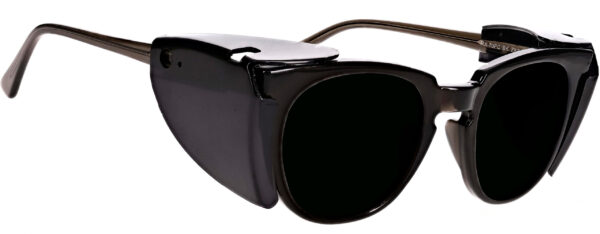
Unsafe Glasses

Glasses that do not fit properly may fall off or slide down the nose, rendering them ineffective at critical moments. Employees who view their glasses as unreliable are less likely to wear them consistently.

Unattractive Glasses

Personal appearance plays a role in whether employees are willing to wear their safety glasses. If the glasses make them feel unattractive or “geeky,” they may resist wearing them. This issue can be addressed by offering a variety of styles that appeal to different tastes.
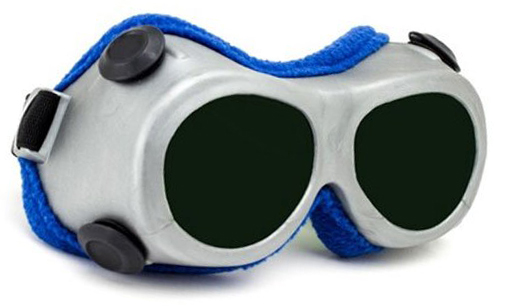
Finding the Right Fit

Providing a selection of laser safety glasses that cater to different face shapes, sizes, and style preferences can resolve many of these issues. At Phillips Safety Products, we offer a wide range of laser safety glasses that ensure a comfortable, secure fit and come in various attractive styles. Contact us to learn more about how our selection can meet your industrial safety needs.

If you still aren’t sure which laser safety products are right for you, it’s a good idea to give us a call at 1-866-575-1307 or talk to us through our chat or e-mail us at service@phillips-safety.com

Our experts will be able to tell you what you need for your application.

SHOP LASER SAFETY PRODUCTS

Shielding Your Vision: How Radiation Safety Glasses Help Reduce Cataract Risk

Certain eye injuries can occur abruptly and result in severe consequences, such as when an exposed eye is pierced by a fragment propelled from an exploding high-speed cutting wheel. The importance of wearing eye protection to mitigate such hazards is widely recognized. Conversely, there are also gradual eye dangers, such as those associated with the development of cataracts, which may take several years or even decades to exhibit noticeable symptoms.

As humans, we often underestimate long-term risks since problems that materialize in the distant future do not appear immediate or imminent. Cataracts, for example, represent a distant threat that even knowledgeable professionals might neglect to safeguard against. This negligence extends to highly trained doctors, researchers, and technicians who fail to wear appropriate eye protection while working with x-ray machines. The need for radiation safety glasses can easily be overlooked or forgotten, particularly when the typical levels of x-ray exposure do not manifest noticeable vision impairments for a considerable period.

Furthermore, the complex array of factors contributing to cataract development contributes to a diminished sense of urgency regarding its prevention. Some individuals may dismiss the importance of shielding against x-ray exposure, believing that other risk factors alone are sufficient to cause cataracts. However, many of these factors can be controlled, and their presence alone does not guarantee the development of cataracts later in life. In fact, by minimizing as many of these factors as possible, the overall risk of cataract formation can be significantly reduced.

Several controllable factors contribute to a reduction in the risk of developing cataracts. These factors include maintaining a healthy diet and lifestyle, quitting smoking, and taking specific medications prescribed by your doctor. Moreover, protecting the eyes from UV exposure by wearing sunglasses that block UVA rays is crucial, as prolonged exposure can gradually damage the lens and lead to cataracts. Lastly, consistent use of radiation safety glasses when exposed to x-rays effectively eliminates this specific risk factor.

CATARACTS EXPLAINED: UNDERSTANDING THE BASICS

In a healthy eye, the lens is transparent, allowing for clear vision. However, the presence of a cataract causes the lens to become clouded. In more advanced stages, the lens becomes completely opaque, resulting in blindness in that eye. In less severe cases, individuals may experience blurred vision, faded colors, and difficulties with night vision. These visual impairments are akin to viewing the world through a frosted glass pane. The perception of lighting is dimmer, and individuals may notice the appearance of halos or starbursts around lights. Moreover, double vision may occur from the affected eye. These effects occur due to the scattering or diffusion of light as it passes through the clouded portion of the lens.

While individuals with mild cataract development may still have sufficient vision to navigate their surroundings without assistance, night driving can become challenging and hazardous. The clouded lens blocks a portion of incoming light, resulting in a darker perception of nighttime scenes. Furthermore, road glare, particularly from oncoming vehicles, is intensified by the presence of cataracts. As a result, individuals with cataracts not only put themselves at risk but also endanger others on the road. It is important to note that simply changing glasses prescriptions cannot counteract the long-term effects of lens clouding. The most effective treatment for cataracts typically involves surgical intervention, wherein the affected lens is replaced with an artificial lens.

CLEAR VISION, SAFE ENVIRONMENT: X-RAY PROTECTION WITH RADIATION SAFETY GLASSES

The level of x-ray exposure experienced by individuals without eye protection varies depending on their specific work circumstances. For instance, industrial applications of x-rays, such as inspecting machine parts, pipelines, or welds for defects, can expose technicians to varying degrees of x-ray scatter based on the testing setup and geometry of the object being tested. In some cases, technicians may be able to conduct tests from a protected control room, but this is less likely when examining outdoor objects in the field.

A similar variability in exposure exists among healthcare professionals. Dentists and orthopedists, for example, often capture multiple x-ray images of their patients. Unless they are working in a remote and shielded room, they may be exposed to low doses of scattered x-rays. Over the course of a long career, years of exposure to these previously considered safe low doses can contribute to the development of cataracts.

However, the situation becomes more severe for professionals who rely on real-time x-ray imaging, such as fluoroscopy radiologists who observe the movement of contrast dyes in the gastrointestinal tract. Interventional surgery also necessitates continuous x-ray imaging to visualize the insertion of catheters through blood vessels or the heart in real-time. In these cases, doctors cannot be situated in a remote control room since they need to be in close proximity to the patient during the procedure. Consequently, nearby nurses and technicians also experience significant exposure to low-level x-rays.

It is evident that professionals involved in fluoroscopy and interventional surgery should prioritize the use of radiation safety glasses to mitigate the risk of developing cataracts later in life. On the other hand, safety guards employed by professionals who capture x-ray images may not always function as intended. In such instances, x-ray exposure can be unexpectedly higher. Radiation safety glasses serve as the final line of defense, ensuring protection when worn.

ALARA PRINCIPLE IN ACTION: ENHANCING RADIATION SAFETY WITH PROTECTIVE GLASSES

The ALARA principle, which stands for “as low as reasonably achievable”, emphasizes the importance of minimizing radiation exposure to the lowest feasible levels. According to this safety principle, even small amounts of radiation have the potential to cause harmful effects. If the radiation exposure from a procedure is already within a deemed “safe” threshold, the ALARA principle dictates that further reduction should be pursued if it is reasonably attainable.

There are three primary approaches to reducing exposure. The first is to reduce the duration of exposure. The total amount of radiation received is determined by the average dose rate multiplied by the exposure time. By decreasing the exposure time, the overall dosage is reduced. Since radiation damage to human tissue accumulates over time, minimizing exposure helps mitigate potentially harmful effects.

Another effective approach is to increase the distance between oneself and the radiation source. Similar to other forms of electromagnetic waves, the intensity of x-rays diminishes exponentially with the square of the distance from the source. For instance, by tripling the distance from the source, the exposure is reduced by a factor of nine. In medical settings, healthcare professionals should aim to maximize their distance from x-ray devices with potential leakage and from sources of x-ray scatter, which are typically the patients themselves.

Furthermore, the use of shielding is crucial. Employing lead radiation shielding in the form of enclosures and barriers can effectively reduce exposure. Additionally, healthcare professionals can wear protective gear such as neck collars, aprons, and radiation safety glasses to provide personal shielding against radiation hazards.

The ALARA principle further emphasizes the importance of wearing radiation safety glasses consistently, even when x-ray exposure levels are deemed safe. By adhering to this principle, individuals can reduce the unnecessary risk of developing eye cataracts later in life. The solution to this potential hazard is as straightforward as wearing protective eyewear during x-ray procedures.

By implementing these measures, individuals can significantly minimize their exposure to radiation and reduce the associated risks to their health and well-being.

If you still aren’t sure which radiation glasses are right for you, it’s a good idea to give us a call at 1-866-575-1307 or talk to us through our chat or e-mail us at service@phillips-safety.com

Our radiation experts will be able to tell you what you need for your application.

SHOP RADIATION GLASSES

Laser Safety Glasses Frequently Asked Questions

Laser safety starts with knowledge. Without it, blindness can happen in the blink of an eye. Lasers span distances at the speed of light, which, according to physics, is the fastest speed possible. There will be no warning before a laser beam does its damage. One instant, you are fine, and the next, you aren’t. Besides their near instantaneous speed, laser light is collimated. That is, their rays of light are nearly parallel. This means the energy intensity of a beam diminishes little with distance. Depending on the laser, its beam may spread out by only a tenth of an inch after traveling ten feet.

This is quite different from ordinary light, which diminishes in intensity with the square of its distance. For example, its intensity diminishes by a factor of four when its travel distance is doubled. This is why a one watt laser can blind you from tens of feet away, while a 100 watt LED light won’t.Eye exposure to a laser does not necessarily cause blindness, however. Lasers in the class 1 & 2 categories are generally considered safe, unless you deliberately stare into the beam for lengthy periods. This is especially true of class 2, which is safe if your blink reflex causes you to look away. Class 3B & 4 lasers will damage the eye and potentially cause blindness if the laser’s wavelength allows it to penetrate past your cornea and lens. Visible light and short wavelength infrared do this.

Laser Safety FAQs

In terms of laser safety, the above facts mean that your eye health hinges on knowledge and the willingness to act on it so that you never make that one mistake that could cost you your vision. Here are seven frequently asked questions and answers about laser safety and laser safety glasses that might save your vision:

1. When Should I Wear Laser Safety Glasses?

Wear laser safety glasses when using or when you are with others using class 3B and class 4 lasers. Class 3B lasers have sufficient power to damage the eye when viewing the beam directly, even for a brief instant. Beam reflections off specular (shiny, mirror-like) surfaces are also harmful, while diffuse reflections from coarse, rough, or any non-shiny surface, such as concrete, are safe. With class 4 lasers, looking at any kind of reflection including diffuse reflections will injure your eyes. That means looking at the spot where the beam hits the target is harmful.

Of course, you should wear laser safety glasses whenever the rules or protocol require it, such as when you are in an area with signs requiring their use.

2. How Long Will My Laser Safety Eyewear Last?

This depends on the wear and tear process. The more effort in taking proper care of the glasses, the longer they will last. Avoid scratching the lenses by not dropping or placing them lens-down on any hard or abrasive surfaces. Do not place them in areas full of dust, dirt, or grit.

To avoid accidentally dropping your glasses, hold them carefully and put them on deliberately — not while multitasking. Never leave them unattended in areas where they may be knocked to the floor, sat on, or stepped on. Keep them clean by washing with water and a non-alkali/acidic soap or detergent. Use a lint free cloth. Note that environmental conditions can degrade your safety eyewear. Avoid keeping them in places that see extreme heat, such as the inside of your car on a hot day, or in a hot garage or attic.

3. Are There Laser Safety Glasses That Protect Against All Types of Lasers?

No. Laser safety eyewear will filter out a wavelength of light specific to the laser used. For example, a blue laser will require different safety glasses than that required by a red laser. Some laser safety glasses are designed to filter out multiple wavelengths, which provide protection from the corresponding types of lasers. However, glasses that protect against all lasers (all wavelengths) would filter out all light. This means no light reaches your eyes, making it impossible to see.

4. Is Laser Eye Protection Needed When No Laser Beam Is Visible?

Inability to see a beam does not mean you are safe from laser exposure. The laser beam may be hidden from your line of sight. Changing your position may expose you to the beam or a reflection. In addition, some lasers are invisible, such as ultraviolet and infrared. Always follow established safety protocol about when to wear laser eye protection and when it is safe to remove them.

To avoid accidentally dropping your glasses, hold them carefully and put them on deliberately — not while multitasking. Never leave them unattended in areas where they may be knocked to the floor, sat on, or stepped on. Keep them clean by washing with water and a non-alkali/acidic soap or detergent. Use a lint free cloth. Note that environmental conditions can degrade your safety eyewear. Avoid keeping them in places that see extreme heat, such as the inside of your car on a hot day, or in a hot garage or attic.

3. Are There Laser Safety Glasses That Protect Against All Types of Lasers?

No. Laser safety eyewear will filter out a wavelength of light specific to the laser used. For example, a blue laser will require different safety glasses than that required by a red laser. Some laser safety glasses are designed to filter out multiple wavelengths, which provide protection from the corresponding types of lasers. However, glasses that protect against all lasers (all wavelengths) would filter out all light. This means no light reaches your eyes, making it impossible to see.

4. Is Laser Eye Protection Needed When No Laser Beam Is Visible?

Inability to see a beam does not mean you are safe from laser exposure. The laser beam may be hidden from your line of sight. Changing your position may expose you to the beam or a reflection. In addition, some lasers are invisible, such as ultraviolet and infrared. Always follow established safety protocol about when to wear laser eye protection and when it is safe to remove them.

To avoid accidentally dropping your glasses, hold them carefully and put them on deliberately — not while multitasking. Never leave them unattended in areas where they may be knocked to the floor, sat on, or stepped on. Keep them clean by washing with water and a non-alkali/acidic soap or detergent. Use a lint free cloth. Note that environmental conditions can degrade your safety eyewear. Avoid keeping them in places that see extreme heat, such as the inside of your car on a hot day, or in a hot garage or attic.

5. What Are the Signs of Worn or Damaged Laser Safety Eyewear?

Look for signs of lens damage such as scratches, cracks, discoloration, gouges, or holes. Never wear laser safety glasses with damaged frames or straps, even if the lenses are in good condition. You can not count on them to reliably hold the lenses in place. If the wavelength and optical density labeling on the glasses is worn off or is otherwise missing, replace the labeling or discard the glasses. Even if you know this information, someone else won’t and may use the glasses with lasers that they won’t protect against. Of course, one should never use laser safety eyewear without knowing the type of laser light it’s supposed to filter out.

6. Will Laser Safety Glasses Protect Against Impact?

They are only meant as protection against laser light. The lenses of some laser safety glasses are made of polycarbonate. Although this plastic is very tough, don’t assume the glasses are impact resistant if the labeling makes no mention of this. If you require this kind of protection, wear suitably sized impact resistant goggles over your laser safety glasses.

7. How Do I Select the Right Laser Safety Eyewear?

The optical density and wavelength marking on your glasses must be correct for the laser you are using. The optical density indicates the beam energy intensity that the glasses can safely attenuate. If the wavelength does not match that of your laser, the beam will pass through the glasses with little if any attenuation. Getting either of these two requirements wrong can cause injury and possibly blindness.

Talk to your laser safety officer and contact us at Phillips Safety Products for information on this and to obtain the right pair of laser safety glasses.

If you still aren’t sure which laser safety glasses are right for you, it’s a good idea to give us a call at 1-866-575-1307 or talk to us through our chat or e-mail us at service@phillips-safety.com

Our experts will be able to tell you what you need for your application.

SHOP LASER SAFETY GLASSES

Key Reasons to Replenish Your Stock of Radiation Safety Glasses

Radiation safety glasses play a pivotal role in enhancing ocular protection. Even minimal exposure to radiation emanating from x-ray machines, fluoroscopes, and certain orthopedic surgical instruments can result in the development of cataracts and visual impairments. However, merely possessing a limited number of safety glasses within your laboratory or hospital solely for high-risk tasks is insufficient. It is imperative to ensure that all members of your staff are adequately equipped with appropriate safety gear to execute their responsibilities with utmost security and diligence.

Furthermore, it is advisable to maintain an additional supply of safety glasses to address unexpected circumstances.

NAVIGATING BUSINESS EXPANSION, REGULAR INSPECTIONS, AND ADDRESSING EQUIPMENT BREAKAGE

Effective preparation for business expansion, routine inspections, and instances of breakage is of utmost significance. Throughout the course of daily laboratory operations and x-ray examinations, unexpected situations can arise. It is not uncommon for older radiation safety glasses to fracture or for existing cracks to reach a critical size. Moreover, outdated equipment may prove inadequate in adequately mitigating the effects of newer, more potent equipment. Alternatively, a diminished supply of radiation safety glasses may result from either a reduction in stock or an increase in the size of the employee base. However, maintaining a surplus of radiation glasses readily available on-site consistently proves beneficial in such circumstances.

While the United States government does not enforce a universal requirement for radiologists, fluoroscope technicians, and other professionals working in high-radiation environments to wear eye protection, numerous large medical corporations and hospital conglomerates have implemented private policies mandating its usage. If your laboratory adheres to such a policy, insufficient availability of radiation safety glasses can significantly impede workflow.

Estimating the precise quantity of glasses required can prove challenging, particularly when working within a constrained budget. However, it is advisable to strive for a minimum of one pair of glasses per staff member in need, and if that proves unfeasible, aim for an inventory size capable of accommodating your largest shift plus an additional fifty percent. This approach provides a substantial safety buffer, even if not all individuals are scheduled to work or utilize the glasses simultaneously, effectively addressing unforeseen circumstances, including sudden departmental expansion or inventory reallocation within larger organizations, inspections involving onsite guests who require eye safety equipment, and instances of broken equipment. By having an adequate backup supply, dedicated employees won’t be compelled to compromise on their eye safety.

Maintaining an additional pair of radiation safety glasses also allows for the option of repairing lenses instead of having to purchase them at a premium cost. Businesses often experience the financial strain of acquiring necessary items at inflated prices to ensure uninterrupted operations. In the event that your laboratory or facility urgently requires new radiation safety glasses, there may not be sufficient time to wait for sales or engage in cost negotiations. However, having extra inventory provides ample time to identify suitable suppliers for your business. If your staff can promptly replace a broken pair of glasses with a new set and inform the equipment manager, they gain leverage in negotiations. They can order a replacement pair without the urgency, explore new technologies that offer enhanced user protection, or send the glasses for repair when feasible. While the value of eye safety is immeasurable, maintaining a backup supply helps mitigate the overall annual expenses involved.

Having extra radiation safety glasses also facilitates seamless laboratory expansion. In the case of large hospital chains, the Human Resources department is typically located in a separate building, resulting in potential challenges in keeping all staff fully informed about the hiring of new technicians, particularly once the interview process is concluded and paperwork becomes the primary focus. However, on the first day of a new technician or researcher, it is crucial to establish a culture that prioritizes safety. The most effective approach is to have leaded vests, gloves, and radiation safety glasses readily available for them. This not only fosters a sense of procedural routine, especially if the new employee previously worked in an organization that did not require such safety measures, but also projects professionalism. Just as you and your staff are eager to assess the capabilities of the new employee, they are equally curious about whether your facility is a suitable fit for them.

THE RISE OF MOBILE SOLUTIONS IN THE MEDICAL INDUSTRY

The advent of mobile companies, spurred by the vast market of Internet services and the proliferation of small businesses, has made a significant impact across the nation. Initially focused on services such as landscaping, repairs, and delivery, these companies have expanded their reach into the realms of technology and medicine. The possibilities now include mobile veterinary clinics and optical offices, among others, resulting in a flourishing industry.

If your medical business is contemplating a move towards mobility, it is crucial to address the equipment aspect. While the advancements in mobile data, third-party services, and sophisticated software have enabled the replacement of certain physical office requirements with tablets, it is essential to recognize that technical equipment and safety gear cannot be overlooked. Hence, ensuring the availability of radiation glasses becomes indispensable to support the transition effectively.

Even when your business ventures into mobile operations, it is essential to acknowledge that certain customers may exhibit a level of skepticism towards mobile enterprises compared to their trust in traditional brick-and-mortar establishments. Overcoming the enduring notion of the deceitful salesperson can be a challenge. To effectively address this perception, it is imperative to align with customers’ expectations regarding professionalism and appearance. Even if your company does not have a mandatory requirement for radiation safety glasses, wearing them is a valuable practice to meet the standards of technical safety that potential customers appreciate. Beyond being a prudent business practice, incorporating radiation glasses serves as an effective marketing strategy, demonstrating your commitment to safety and enhancing the reputation of your mobile business.

Maintaining complete control over the environment is often unattainable in certain situations. For instance, when utilizing a portable x-ray machine, it may be necessary to set it up in an available conference room or any spare space enclosed by four walls. However, once the office space no longer allows for complete control to keep visitors’ and patients’ eyes shielded from radiation, it becomes imperative to rely on policy implementation to ensure safety. It is crucial to consistently equip nearby individuals, particularly children who may not always adhere to instructions, with radiation glasses.

Exposure to radiation can result in varying degrees of ocular problems, and the tolerance levels of different individuals are unknown. Carrying additional glasses is essential to protect not only those nearby but also your staff and the reputation of your business. Regardless of whether you operate a stationary laboratory, a chain of surgical hospitals, or a mobile veterinary service, prioritizing radiation safety should always be a top concern. Ensuring that your inventory of safety equipment aligns with your business’s growth is a fundamental aspect of safeguarding the well-being of your employees and third parties.

Visit Phillips Safety’s collection of radiation glasses to access the eyewear you need to ensure the protection of your staff. Our product range offers reliable protective lenses and comfortable frames that can replenish your inventory or replace any outdated pairs.

Make sure to click here to read the second part of this article, with more key reasons to replenish your stock of radiation safety glasses.
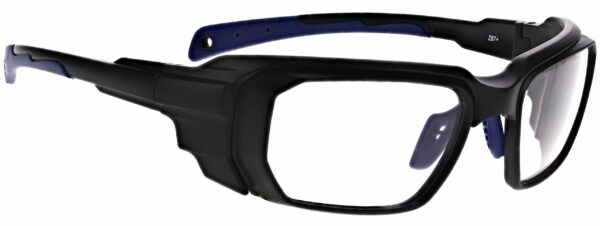
If you still aren’t sure which radiation glasses are right for you, it’s a good idea to give us a call at 1-866-575-1307 or talk to us through our chat or e-mail us at service@phillips-safety.com

Our radiation experts will be able to tell you what you need for your application.

SHOP RADIATION GLASSES

Become a Distributor

Volume Discount