What Type of Glasses Do I Need to Work Near a Holmium Laser?

Holmium YAG lasers are fairly new to the medical field, but their popularity is growing extremely fast. This is because they offer several advantages over other types of lasers for certain procedures. One of the big ones is that they work well in fluid-filled environments, so they’re perfect for operations involving parts that can’t be drained of blood. The same feature makes them good for dental procedures since they work even while saliva is present.

WHAT MAKES A HOLMIUM LASER DIFFERENT?

One of the main differences is that they can be used for more applications. Two power levels are in common use: a low-power laser and a high-power one. The low-power version is good for office use, where it can be used for procedures involving the head, neck, or small joints. Operations that require more power are done with the higher-strength version and are more typically performed in a hospital setting.

The underlying difference, however, is what makes it important for health care personnel to know what type of glasses are needed for use with a holmium laser. This difference is the wavelength that is produced by the device. Laser-attenuating safety glasses are made according to the wavelengths that need to be blocked, so it’s important to get ones that are specifically made for use with holmium lasers.

WHO NEEDS HOLMIUM LASER SAFETY GLASSES?

The obvious answer is that all personnel who work with or around active holmium lasers need protection. However, thanks to the fast rise of this machine’s popularity, many health care workers may not even realize that they’re being exposed to a new kind of light. In busy environments, it’s not unusual for information that should be passed around to end up forgotten about regardless of an institution’s policy on such matters. This is especially true in dentist’s offices, where it is unfortunately common for hygienists and assistants to work near machines that they don’t really understand. Usually this is no problem since these people won’t be operating that equipment, but in the case of lasers and other radiation-producing machinery, more care needs to be taken. If the office doesn’t immediately provide the needed information, it’s up to individual workers to take it upon themselves to find the necessary details.

Because of situations like these, your first step in ensuring your safety should be to find out whether a new machine that has arrived at your workplace is a holmium laser. Don’t accept vague answers like “it’s our new laser” as identification. Ask specifically what kind of laser it is if your supervisor’s original answer isn’t sufficiently detailed. They should have no problem telling you. Usually, supervisors are vague merely because they don’t see the importance of the details to someone who isn’t directly using a machine, not because they think it’s a secret. Once you know what kind of laser might be in operation near you, you can find the right kind of protective glasses to wear. As noted, for a holmium laser, you need glasses that block (“attenuate”) light at 2100nm. These glasses must also be made so that they block entry of the light from the sides as well as the front. They also need an optical density of at least 7.

WHAT TYPES OF HOLMIUM LASER SAFETY GLASSES?

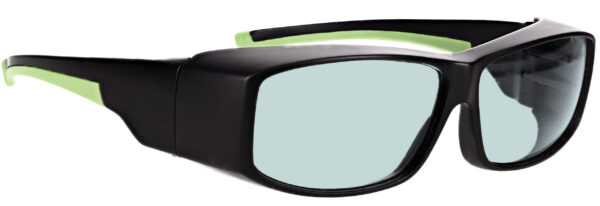
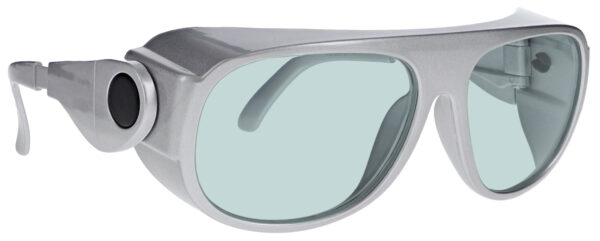
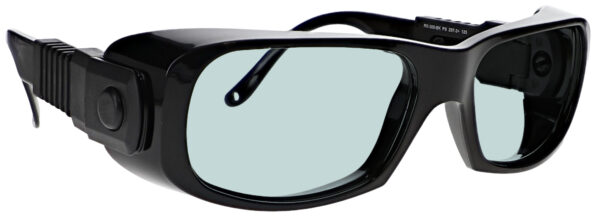
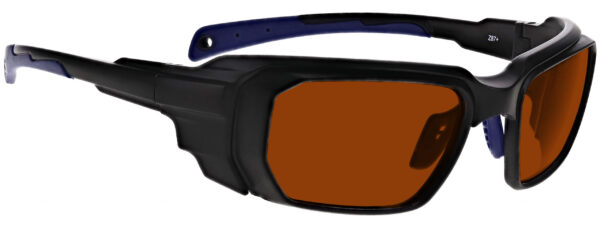
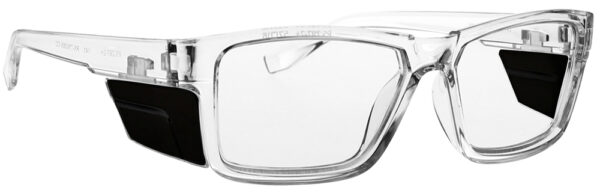
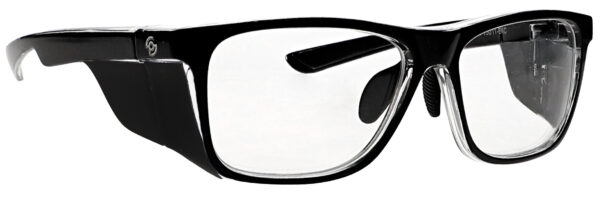
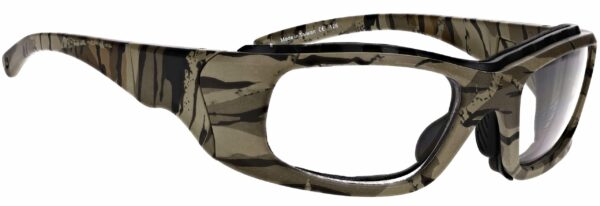
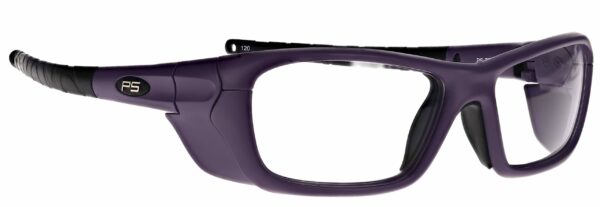
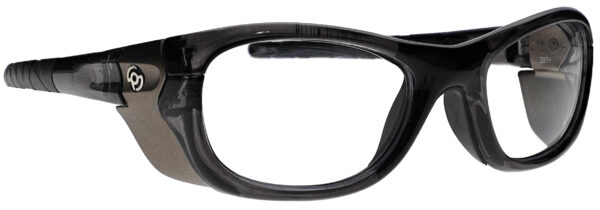
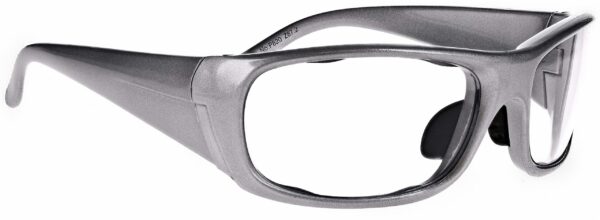
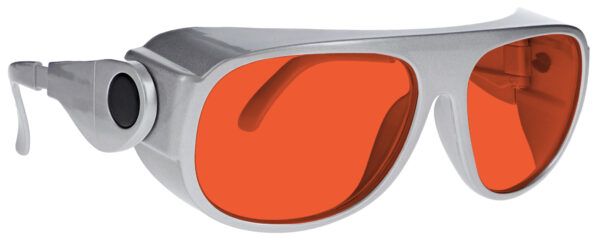
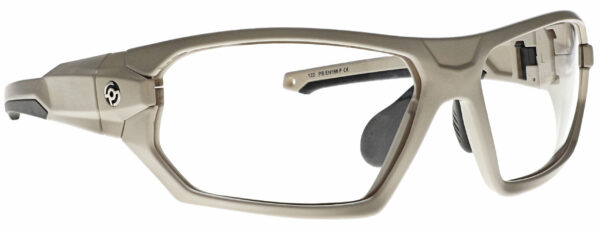
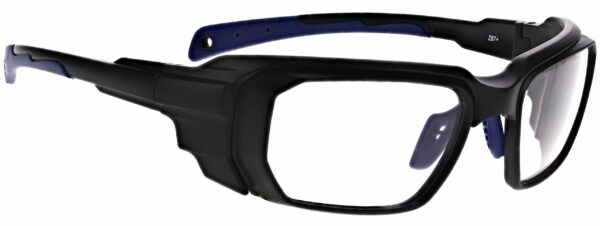
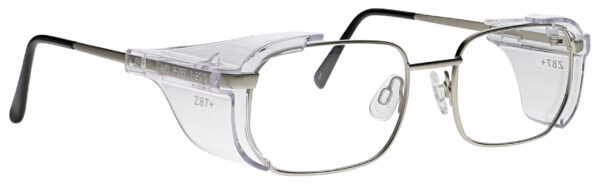
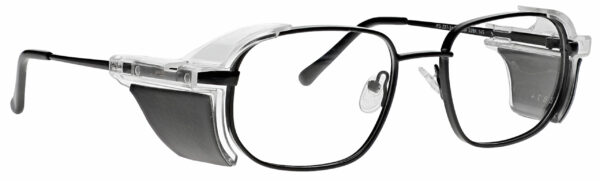
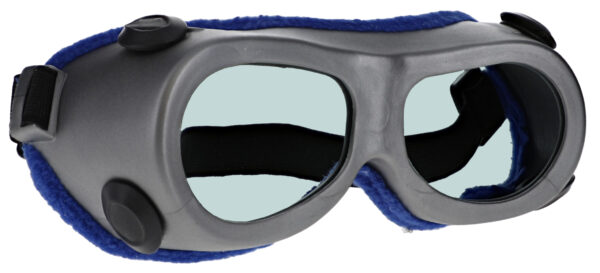
Phillips Safety caters to the specific safety needs of those working with Holmium lasers by providing two distinct options: KG5 and KG5+ laser safety glasses. On one hand, the regular KG5 model ensures robust protection during standard Holmium laser procedures. On the other, the KG5+ model for high-powered applications offers enhanced shielding against the laser’s potent output, granting peace of mind to professionals working with these lasers.

KG5

Regular model. Ensures robust protection during standard Holmium laser procedures

High powered model. Offers enhanced shielding against Holmium laser potent output
Which Glasses Should I Choose?

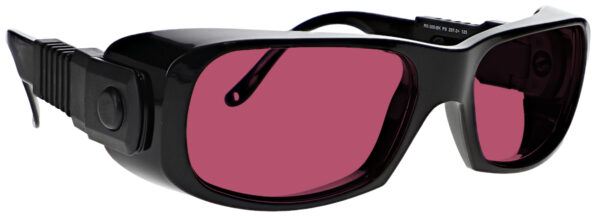
Since holmium laser light is invisible, the lenses used to block it can appear almost clear as well. However, they must be made to block light in the 2100nm range. They also should have an optical density of at least 7. This is a high optical density, meaning that it blocks a large amount of the light in the targeted range. However, since visible light isn’t targeted, the glasses can let plenty of useful illumination through.

WHICH FRAME SHAPE IS BEST FOR EYE PROTECTION AGAINST LASER LIGHT?

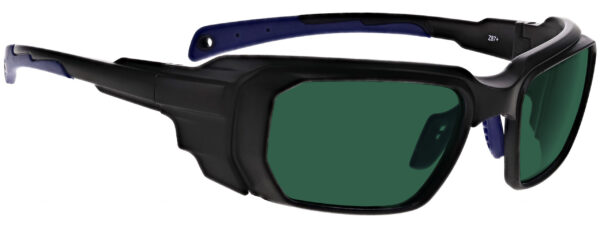
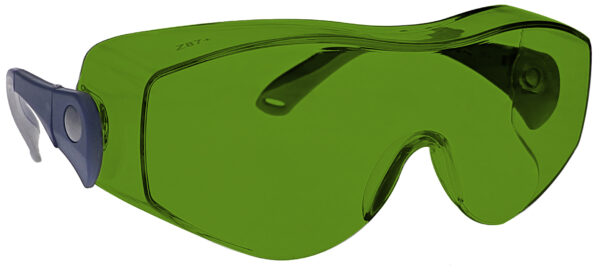
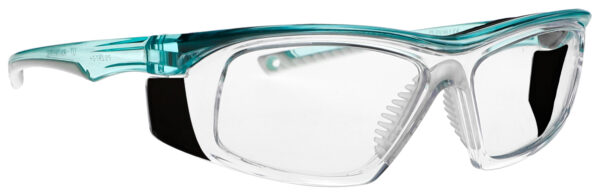
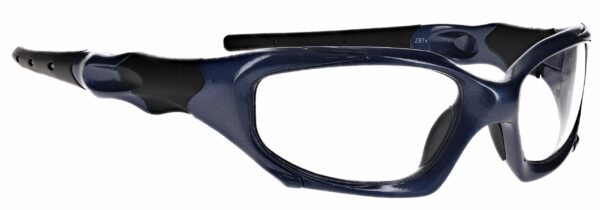
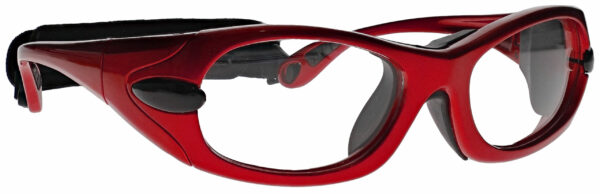
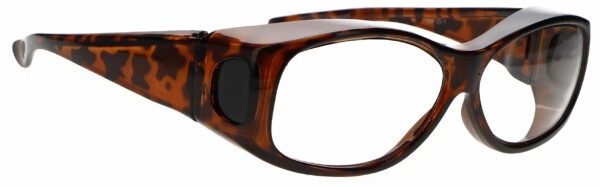
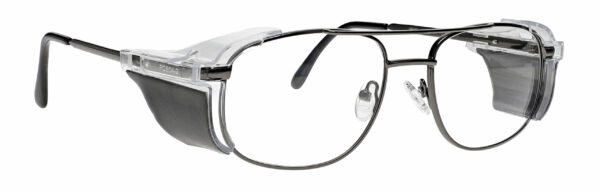
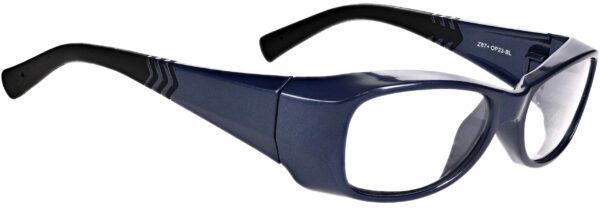
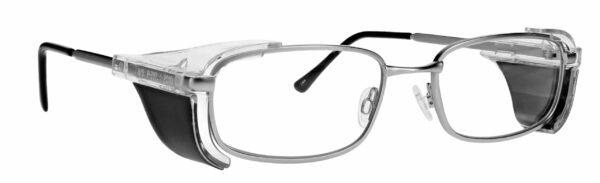
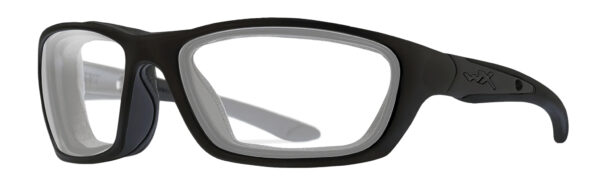
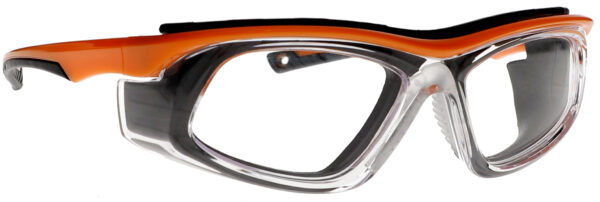
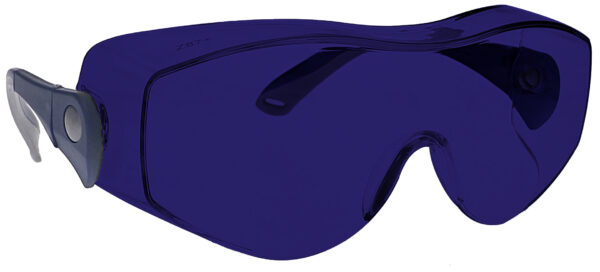
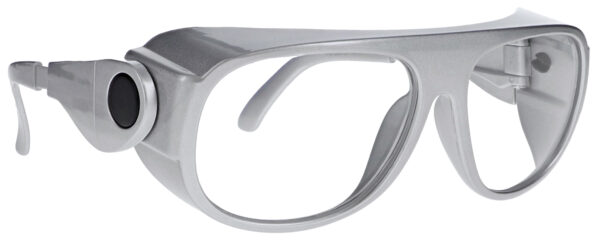
The safest eyewear for protection against holmium laser light isn’t glasses, but instead, goggles. Our goggles have solid tops, bottoms, and sides – only the front contains lenses you can see through. This is the safest because it totally blocks most of the points of entry for the light, leaving only what you really need to get the job done. Eyeglasses, however, are fine for most personnel. They should still have wide, solid temples that stop light from infiltrating from the side, which is second only to the front when it comes to exposure. The open tops and bottoms of laser-protective eyeglasses aren’t a problem in most situations. These openings also allow for plenty of airflow around the eyes. Most people prefer eyeglasses thanks to the increased comfort when compared to goggles.

Is it Possible to Get Stylish Anti-Laser Glasses?

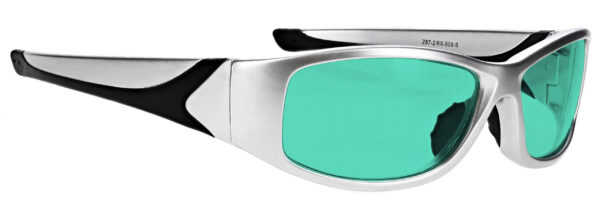
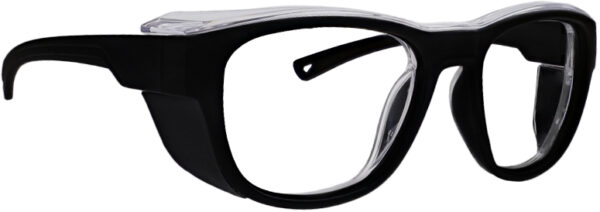
It certainly is! We offer several glasses suitable for protecting your eyes from holmium laser emissions, and some of the frames definitely qualify as being on the stylish side. All of our glasses do have thick temples, but our model 808 line is made with a sleeker look than you’d find with purely utilitarian pairs. This line comes in black and silver, white, and red. While we doubt that you’d want to wear safety glasses to a club, you’ll definitely be the talk of the lab with these flashier and sleeker pairs.

Whether you want fancy glasses or just want to get the job done, we have the holmium laser safety eyewear for you. We also carry safety glasses for other types of lasers, so you can cover all of your needs with one-stop. If you’d like help choosing eyewear, just contact us. We’ll make sure you’re properly protected.

HOW TO CHOOSE
LASER SAFETY GLASSES

Watch video

If you still aren’t sure which laser glasses are right for you, it’s a good idea to give us a call at 1-866-575-1307 or talk to us through our chat or e-mail us at service@phillips-safety.com

Our experts will be able to tell you what you need for your application.

SHOP HOLMIUM LASER GLASSES

Elevate Patient Care: Enhancing Mobility with Cutting-Edge Transfer Boards

Patient transfer boards have quickly become indispensable equipment in the medical field, revolutionizing the way patients are moved from one surface to another. With minimal effort required from the medical team, these boards significantly reduce the risk of injury or trauma to both patients and medical professionals involved in the transfer process. While patient transfers may seem like short distances, the choice of a top-of-the-line transfer board can make all the difference in simplifying the job.

When selecting a patient transfer board for your medical practice or hospital, it’s crucial to consider more than just basic functionality. The comfort and well-being of your patients, as well as the safety of your medical staff, should be prioritized. Our boards at Phillips Safety, a reputable name in safety for over 110 years, are meticulously designed to be lightweight, durable, efficient, and meet the highest safety standards.

In this article, we will discuss the distinctive qualities that distinguish our transfer boards from the competition, emphasizing the exceptional features and benefits they offer. Prepare to elevate your patient transfers to an unprecedented level of efficiency and ease with the unmatched performance of Phillips Safety’s patient transfer boards.

NEXT-LEVEL PATIENT TRANSFERS: PHILLIPS SAFETY’S TRANSFER BOARDS

High-Quality Design: Phillips Safety’s patient transfer boards are constructed from semi-rigid polyethylene plastic, resulting in a remarkably lightweight design. Despite the material’s thinness, it boasts exceptional strength and has undergone rigorous stress-testing to ensure optimal performance. Our patient transfer boards are versatile, enabling smooth transfers in various positions and scenarios. Moreover, we offer options that are pre-treated with an anti-static compound, minimizing static buildup and preventing patients’ clothing from adhering to the surface.

Comfort and Convenience: Our patient transfer boards are meticulously designed to prioritize both the comfort of patients and the ease of medical personnel during transfers. Besides their lightweight yet highly durable material, these boards offer exceptional comfort without compromising on strength. Hanging the boards using any of their handles ensures effortless storage, eliminating the need for extra space or constant hauling from one location to another. The anti-static surface also guarantees secure transfers over uneven surfaces, minimizing stress and ensuring a seamless experience. Additionally, the strategically placed handles alleviate lower back strain by providing multiple handhold options.

Perfected for Medical Efficiency: Designed to meet the needs of medical facilities, our patient transfer boards feature a moisture-proof design and an anti-static coating. Many are MRI safe and fully radiolucent, allowing them to be left on the table during diagnostic imaging and procedures, thus reducing patient transfer time. At Phillips Safety we have strived to perfect them by prioritizing comfort, functionality, and resilience.

HIGH-QUALITY TRANSFER BOARDS

Patient transfer boards have revolutionized the medical field, providing a safer and more efficient method for moving patients between surfaces. Phillips Safety offers high-quality transfer boards that prioritize comfort, convenience, and medical efficiency. Constructed from durable yet lightweight materials, our boards ensure ease of use for both patients and medical staff. With features such as anti-static surfaces and strategically placed handles, our boards provide optimal comfort and convenience during transfers. Moreover, our boards are designed to meet the specific needs of medical facilities, with options that are MRI safe and radiolucent.

Here at Phillips Safety we have perfected our transfer boards to deliver exceptional performance and meet the highest safety standards. Elevate your patient transfers to new levels of efficiency and ease with our outstanding patient transfer boards.

If you still aren’t sure which patient transfer boards are right for you, it’s a good idea to give us a call at 1-866-575-1307 or talk to us through our chat or e-mail us at service@phillips-safety.com

Our experts will be able to tell you what you need for your application.

SHOP PATIENT TRANSFER BOARDS

6 Tips on How to Select the Best Laser Safety Eye Wear Products

Certain jobs, particularly in the medical realm, in every military branch, and in different industrial fields, require performing certain tasks that cannot safely be done without the right protection. One crucial aspect of safeguarding oneself is protecting the eyes, especially when working with lasers. 

Investing in a high-quality pair of laser safety glasses is the key to ensuring optimal eye protection. However, for those new to purchasing protective eyewear, the process of finding the right pair can initially appear daunting and confusing.  But it doesn’t have to be when you are equipped with the right information on purchasing your own protective eyewear. 

In this post, we will uncover the top six tips on how to select the best laser safety eyewear products.

1. Think About The Brand:

Like any other kind of product, finding exceptional, durable laser safety glasses will depend on the brand. Many brands are reputable, of course, and others would be considered good enough to get the job done by some people, but not as high quality as other people might prefer. Shop around and look at different brands. Consider how much you are willing to spend on the protective eyewear as well.

Phillips Safety is a reputable brand that stands out for its commitment to providing high-quality safety products. With a strong emphasis on safety, the company offers a wide range of products that meet the highest industry standards. From laser safety glasses to all protective eyewear, Phillips Safety ensures that customers have access to reliable and durable products that prioritize their well-being. 

This diverse selection allows customers to choose from a variety of trusted brands, catering to individual preferences and ensuring a comprehensive range of options for optimal eye protection.

2. Ask Yourself if You Need Prescription Lenses:

Naturally, everyone’s eyesight is different. If you are nearsighted or farsighted, have an astigmatism, or wear bifocal glasses, you will need prescription lenses in your laser safety glasses. Many manufacturers include this option, so if a prescription is what you need, make this known before buying anything.

3. Prioritize Which Features Are Important to You:

Of course, the most important feature for anyone who is investing in a pair of laser safety glasses is protection for their eyes. But after that, there are several other things they probably care about, and what those things are will differ from person to person. Is style important to you? Or maybe comfort and the fit of the glasses? Perhaps you care more about durability or the material used to make the glasses. Decide which features are most important to you and buy your laser safety eyewear according to those features.

4. Think About The Frame:

The frame of the laser safety glasses you purchase plays a significant role in the quality of your eyewear and your overall experience wearing them on the job. Picking the right frame style is important for three big reasons. 

First, you want to pick a frame style that works best for your unique facial features. If your laser safety glasses do not fit you correctly and securely sit on your nose, it will result in poor protection, leaving you susceptible to serious eye injury. 

Secondly, you want to pick frames that match your personal style. With so much variety in style and contemporary looks, you no longer have to compromise safety for style. 

Lastly, you need to pick out frames that match your application requirements, depending on the industry you work in. There are many different options to choose from, including wrap-around designs, lightweight frames, and everything in between.

5. Pick The Right Filter:

Not every filter offers the same amount of protection. Try to find out the wavelength of the laser that you are exposed to when you are working and pick a filter based on that. It is also important to keep in mind that if you are exposed to several wavelengths when you are working, you may need more than just one pair of laser safety glasses.

6. Look Into Optical Density:

This won’t be required for every type of job, but it might be needed for your work. You might need optical density if there is a certain kind of laser that you use. Whether or not you need optical density also depends on how the laser is used. 

When shopping for laser safety glasses, explain to the staff what kind of work you do so they can help you determine if optical density will be necessary. If you ever use a laser for alignment purposes, the beam of the laser will have to be visible, and in this situation, optical density will be required for optimum eye protection.

Looking for more advice on picking out the right pair of laser safety glasses for you? Don’t hesitate to contact us today with any questions or continue reading our blog. We provide lots of valuable information on safety eyewear and are passionate about helping you find the best protection for you.

If you still aren’t sure which laser safety glasses are right for you, it’s a good idea to give us a call at 1-866-575-1307 or talk to us through our chat or e-mail us at service@phillips-safety.com

Our laser experts will be able to tell you what you need for your application.

SHOP LASER SAFETY GLASSES

Phillips Safety on Welding Safety: Sodium Flare Reduction

Welding has always been considered something of a dangerous occupation due to the high percentage of eye and face related work injuries reported to the Bureau of Labor Statistics. It goes without saying that safety equipment is a must in the industry, but not all products are created equal. With the proper use of today’s most advanced safety technology, the modern welder can achieve maximum protection from exposure and injury.

Phillips Safety Products, Inc. is committed to researching and developing the very best in safety materials that provide protection without hindering the ability to work. Though we are a manufacturer and distributor of eye safety for a variety of fields we pride ourselves on updating our products to reflect the latest safety selections of the highest quality. As a result of our efforts, advances have been made in welding eye safety lenses that focus on filtering and deflecting harmful light wavelengths while increasing the level of contrast for a clearer field of vision. Read on to learn more about the latest advancements in sodium orange flare reduction in welding.

Why Eye Safety?

One of the greatest risks that welders face on a daily basis is exposure to invisible wavelengths of light (UV rays). Because UV rays are not visible to the eye, exposure can be particularly dangerous, causing conditions such as photokeratitis (sometimes referred to as welder’s flash or arc eye), which causes the cornea to swell, and creates sensitivity to light and pain. Of course, UV exposure and eye damage are common knowledge in the world of welding so most eye safety products are already equipped to handle these particular wavelengths of light. As a general rule, eye safety products are tested and verified for shade, UV transmissions, infra-red transmissions, and blue light transmissions. However, even visible light in the middle of the wavelength spectrum can be harmful to the eyes with repeated exposure. Sodium orange flare is one such emission that is visible to the eye and potentially dangerous due to its increased brightness.

What is Sodium Orange Flare?

Sodium orange flare is produced by welding and brazing fluxes which contain alkaline metal salts such as sodium chloride. When the flux is heated in open flame welding it emits an exceedingly bright yellow-orange incandescence commonly referred to as “sodium orange flare”. Additionally, the production of sodium orange flare is particularly prevalent when welding aluminum, stainless steel, and cast iron.

How Do Our Products Prevent Sodium Flare Exposure?

All of our welding products are tested and verified to filter and block UV and infrared light, but now our line of sodium flare reduction lenses offers the ability to replace your existing lenses or simply add an additional layer of safety. With three state-of-the-art varieties of sodium-flare reduction lenses, you can be sure that you are protected from all potential threats to your eyes.

Our Sodium Flare Reduction Collection

Below, you will find a complete breakdown of product statistics for each of the three varieties currently available in our line of sodium-flare reduction lenses.

Our AlloWeld aluminum glass welding lenses are made of a composite material that combines the ability to filter out UV and infrared lights with a combination of earth metals that increase flare reduction as well as color contrast for enhanced vision. Because of this dual ability, these lenses have been designed to replace your existing welding lenses. With the ability to block invisible light threats as well as its excellent results of eliminating the welding arc, they provide an unparalleled vision of both the weld puddle and your work environment. Made from high-quality German glass that is heavily inspected to ensure no distortions, these lenses offer immense durability and scratch resistance. The lenses also meet the ANSI welding lens standards so you can be sure you are buying the highest quality product available. AlloWeld lenses completely eliminate sodium flare during welding and brazing and are recommended for work on aircraft, boats, radiators, and refrigeration units.

While AlloWeld is designed to replace your current safety glasses, our Super Blue drop-in lenses are an addition to your current lenses. Use Super Blue in combination with your welding lenses to cut down on flare from your torch or arc. These drop-in lenses are made of high-end optical-quality polycarbonate for clarity and durability. These lenses should be fitted behind your primary lens for the best results.

Like the Super Blue variety, Super Magenta drop-ins are also designed to be an addition to your current welding glasses. These are also designed to be fitted behind your current lenses and offer a highly specific reduction of certain wavelengths. Super Magentas are targeted to reduce and eliminate wavelengths in the yellow spectrum while increasing visual acuity, enhancing contrast, and drastically improving color discernment.

If you would like more information about sodium flare reduction or any of our other welding safety products, please feel free to contact us. We are excited to share our fantastic inventory of safety and knowledge with you, while simultaneously offering the best in comfort and visual acuity. Our staff is ready and waiting to help. We look forward to helping you meet your safety needs!

If you still aren’t sure which welding lenses are right for you, it’s a good idea to give us a call at 1-866-575-1307 or talk to us through our chat or e-mail us at service@phillips-safety.com

Our experts will be able to tell you what you need for your application.

SHOP WELDING LENSES

Safety First, Durability Always: Selecting the Best Stylish Radiation Safety Glasses for the Lab

Working in a laboratory that utilizes radiation may seem routine for those who work with it daily, but the risks involved remain significant for employees. While radiation safety glasses are commonly used in various industries, finding durable eyewear that also meets style preferences can be challenging. It’s essential to address the concerns of your workers regarding aesthetic quality and provide them with attractive radiation eyewear options.

Fortunately, a wide range of stylish glasses suitable for labs working with radiation are available at Phillips Safety. These glasses are necessary in various lab settings, and it’s important to collaborate with your employees to identify eyewear styles that best suit their specific environments. Whether working alongside colleagues or interacting with the public, workers will appreciate glasses that are both visually appealing and comfortable for long days in the lab.

ESSENTIAL EYE PROTECTION FOR FLUOROSCOPY LABS

Fluoroscope labs remain the central hub for careers in diagnostic radiology. However, over the past two decades, fluoroscopic procedures have become increasingly complex, necessitating longer exposure to radiation. As a result, it is crucial to provide your workers with the best available radiation protective eyewear. Whether you prefer renowned brands like Nike or our very own Phillips Safety Products, you can discover a wide range of styles suitable for your work environment.

For professionals conducting daily radiology on patients, stylish wraparound designs are often preferred in protective eyewear. These styles have gained popularity due to their practicality, aesthetic appeal, and additional lateral protection. Many wraparounds feature sleek and lightweight frames, ensuring optimal comfort without adding unnecessary weight. Furthermore, you’ll find wraparounds constructed with high-impact TR-90 nylon, providing ultimate durability. Additionally, they come with distortion-free lenses and offer a variety of frame colors.

ENHANCING SAFETY IN CATH LABS

Catheterization laboratories rely on radiation for diagnostic purposes, specifically for imaging the heart. In such an environment, it is common for staff to interact with patients, engaging in extended conversations and explaining procedures in detail. Consequently, wearing non-distracting eyewear becomes crucial to facilitate effective face-to-face communication.

Your employees will value having a variety of stylistic options available for their eyewear, extending beyond traditional wraparound designs. Additionally, the option of utilizing fitover radiation glasses provides a comfortable fit when worn over existing prescription eyewear, ensuring convenience for your staff. You don’t have to compromise on comfort or style when it comes to radiation glasses. They are available in a range of color options and are designed to be lightweight, ensuring that they don’t add unnecessary weight to your employees’ eyewear.

Alternatively, employees may opt for economy frames, which not only offer affordability but also resemble regular glasses in appearance. Many of these frames come with side shields for enhanced lateral protection. Moreover, employees can find exceptional comfort in these frames, thanks to features like adjustable nose pads. Additionally, economy frames cater to different head sizes, providing options for medium or large sizes.

RADIATION EYEWEAR OPTIONS FOR DIFFERENT LAB APPLICATIONS

Radiation usage extends beyond the medical field and finds applications in various sectors such as academia, industry, and nuclear power plants. These environments expose employees to similar potential risks associated with radiation exposure in its diverse forms. In settings like these, it is crucial to carefully consider the type of radiation glasses that your workers should wear. While prioritizing functionality and protection, it is equally important to offer eyewear options that reflect personal style, avoiding the perpetuation of stereotypes associated with lab workers.

For instance, metal frames offer a balance of high-caliber durability without appearing bulky. They come in different lens shapes, allowing workers to express their individuality through their eyewear style. Many metal frames incorporate nickel alloy materials for a lighter feel.

When it comes to radiation goggles, they don’t have to be excessively large on someone’s face. Fitover goggles are designed with soft foam on the inside coating, ensuring all-day comfort for workers. Vented frames help reduce lens fogging, preventing vision obstruction during critical procedures. Some goggles closely resemble regular glasses, featuring neoprene foam on the inside to prevent sweat splashing.

A notable feature of quality radiation glasses is the use of Schott glass radiation-reducing lenses. Phillips Safety’s radiation lenses are exclusively made of these high-quality German glass Schott SF-6 radiation-reducing lenses, ensuring comprehensive protection and avoiding subpar products. Make sure to explore our collection of radiation glasses and find your next pair of protective eyewear.

If you still aren’t sure which radiation glasses are right for you, it’s a good idea to give us a call at 1-866-575-1307 or talk to us through our chat or e-mail us at service@phillips-safety.com

Our radiation experts will be able to tell you what you need for your application.

SHOP RADIATION GLASSES

Finding the Right Type of Laser Safety Glasses for Your Work Environment

When it comes to working in environments that involve laser technology, finding the right type of laser safety glasses can be a challenge. Comfort, quality, field of view, and style are all factors that need to be considered. At Phillips Safety, we understand the importance of providing laser safety glasses that meet your specific needs. Let’s explore the different types of laser glasses available and how you can find the perfect fit for your work environment.

ENSURING PROTECTION AND COMFORT:

One of the primary concerns when selecting laser safety glasses is finding a pair that offers both protection and comfort. Our glasses are designed to safeguard your employees’ eyes from reflected, scattered, or direct laser light, preventing extensive eye damage. Whether you need glasses for Class 3R, Class 3B, or Class 4 laser systems, we have options that provide optimal protection. Additionally, our glasses are designed for comfort, ensuring that your employees can wear them for extended periods without discomfort.

CHOOSING THE RIGHT FILTER:

Selecting the appropriate filter is crucial to ensure the effectiveness of laser safety glasses. Consider the operating wavelength and power level of your lasers to determine the filter required. At Phillips Safety, we offer four types of filters to meet your specific needs:

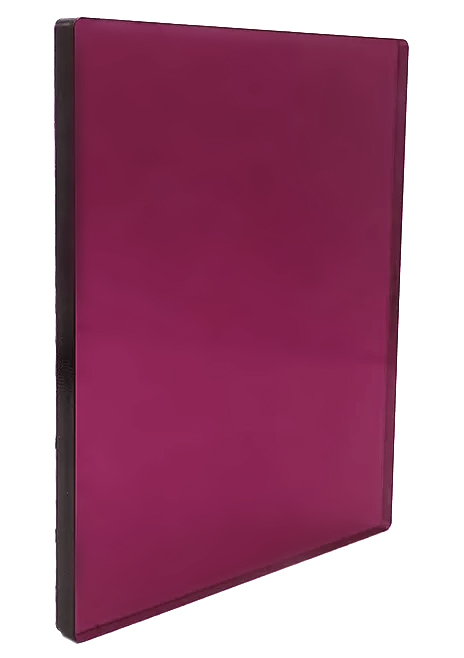
Glass Filters: Our glass filters provide excellent visibility and offer the most protection for various laser wavelengths. They come in different colors, including grey and purple, as well as clear options.

Polycarbonate Filters: Lightweight and affordable, polycarbonate filters are scratch-resistant and provide thorough laser protection. They come in a variety of color tint styles, including red.

Alignment Filters: Ideal for aligning lasers, alignment filters provide comprehensive protection from dangerous radiation. They come in various colors, such as red and dark orange.

IPL Filters: For intense pulse light lasers, we offer polycarbonate filters with customization options. Brown Contrast Enhancement filters improve color distinction, while green IPL filters are commonly used in laser cosmetic work.

STYLISH AND FUNCTIONAL OPTIONS:

We understand the importance of aesthetics, especially when your employees interact with others. Our laser safety glasses come in a range of stylish designs, allowing your employees to express their personalities while maintaining safety. Aviator styles, featuring thin and lightweight frames with side shields, are a popular choice. Glasses with wraparound nylon frames, rubberized temple bars, and nose pads offer comfort and functionality. Fitover designs are also available for those who need to wear laser glasses over their regular glasses, providing a lightweight solution.

PRESCRIPTION LASER EYEWEAR:

For employees who require prescription glasses, we offer the option to create prescription laser glasses. This ensures that they can wear their glasses comfortably throughout the day without compromising on protection. Our prescription laser glasses are compatible with a variety of laser safety filters, including those with high diode light transmission.

Finding the right laser safety glasses for your work environment is essential for protecting your employees’ eyes from potential hazards. At Phillips Safety, we provide a collection of laser safety glasses that combine comfort, quality, and style. By choosing the appropriate filter and considering your employees’ specific needs, you can ensure optimal protection without sacrificing comfort or aesthetics. Contact us at Phillips Safety Products to learn more about our laser safety eyewear options and make informed decisions for your industry. Your employees’ safety is our top priority.

If you still aren’t sure which laser glasses are right for you, it’s a good idea to give us a call at 1-866-575-1307 or talk to us through our chat or e-mail us at service@phillips-safety.com

Our laser experts will be able to tell you what you need for your application.

SHOP LASER SAFETY GLASSES

Choosing the Right Laser Safety Windows: A Comprehensive Guide

In industries where lasers are extensively used, ensuring the safety of individuals exposed to laser beams is paramount. Laser safety windows play a crucial role in protecting against the harmful effects of lasers, creating a secure environment even in high-risk situations. However, selecting the right windows is essential to provide optimal protection for employees. This article explores the significance of laser safety windows and highlights the options available for different needs.

UNDERSTANDING YOUR OPTIONS:

ACRYLIC WINDOWS: THE CLEAR CHOICE

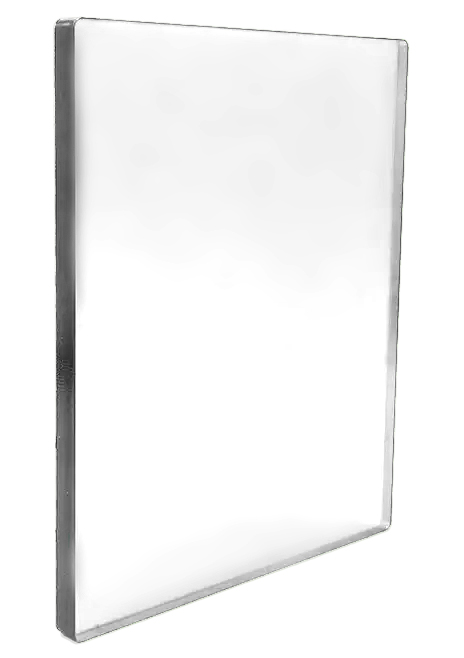
When it comes to selecting the ideal material for laser safety windows, acrylic stands out. Acrylic windows offer exceptional clarity and durability, both essential factors for safety windows. Additionally, they are scratch-resistant and can be customized to meet specific requirements. Available in larger sizes, up to two by three feet and beyond, acrylic windows are not only cost-effective but also maintain safety standards, making them an excellent choice, especially for bulk orders or when working within a limited budget.

GLASS WINDOWS: BALANCING CLARITY AND DURABILITY

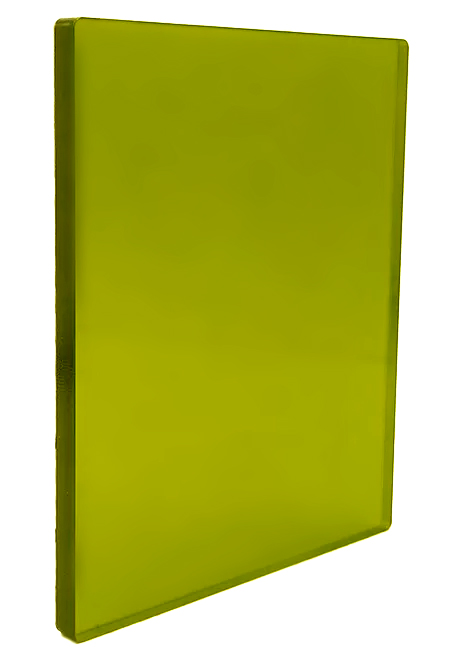
Glass windows, although smaller in size (typically 6.5 by 6.5 inches), provide superior visual light transmission (VLT) and optimal protection against optical density (OD). Compared to acrylic windows, glass ensures clearer visibility, offering a safer viewing experience. Moreover, glass has a higher melting point than acrylic, enabling it to withstand direct exposure to laser beams for longer durations. However, it’s important to note that glass safety windows tend to be relatively more expensive due to their smaller size.

ACRYLIC VS. GLASS: WHICH IS BEST FOR YOU?

The choice between acrylic and glass laser safety windows ultimately depends on your specific situation. Rather than advocating for one over the other, it is crucial to evaluate your unique needs and goals. Consulting a safety expert, particularly someone with expertise in laser safety, can provide valuable guidance in selecting the most suitable material.

FOUR KEY CONSIDERATIONS FOR ENSURING SAFETY:

To ensure the reliability and effectiveness of your laser safety windows, it’s important to keep the following guidelines in mind:

Understand Your Needs: Identify the specific purpose of your laser safety windows. The applications may vary widely, ranging from manufacturing facilities to medical environments. Tailoring your choice to your unique situation is essential.

Conduct Thorough Research: Prioritize comprehensive research when exploring different options. Familiarize yourself with safety ratings, window strengths, and other relevant variables that influence the quality of the product you intend to purchase.

Complement, Don’t Replace: Remember that laser safety windows should never replace safety glasses or goggles. Protecting the most vulnerable part of your body, the eyes, requires specialized eyewear. Instead, laser safety windows provide an additional layer of safety for environments involving lasers and UV light.

Seek Expert Advice: Engage with experts who possess extensive experience in laser safety. Consult with a laser safety officer or reach out to the manufacturer and seller directly. Their insights can help you make informed decisions based on your specific requirements.

FINDING THE RIGHT LASER SAFETY WINDOWS FOR YOUR NEEDS:

Selecting laser safety windows is a decision that should be approached diligently. The multitude of options available, including different materials, strengths, and sizes, can be overwhelming. To simplify the process and ensure you find the perfect fit for your safety needs, seek guidance from your laser safety officer or get in touch with us. With our extensive experience in laser and industrial safety, we can assist you in finding the precise products that meet your requirements.

As a trusted provider of high-quality safety products, Phillips Safety offers a wide range of laser safety windows to suit your specific needs. Whether you require acrylic windows or glass windows, our extensive selection ensures you can find the ideal solution. With our expertise in laser and general industrial safety, Phillips Safety is committed to helping you achieve optimal protection for yourself and your employees. Visit our website today to explore our comprehensive collection of laser safety windows and make an informed choice that prioritizes safety without compromising on quality. Trust Phillips Safety to deliver the peace of mind you need in high-risk laser environments.

If you still aren’t sure which welding glasses are right for you, it’s a good idea to give us a call at 1-866-575-1307 or talk to us through our chat or e-mail us at service@phillips-safety.com

Our welding experts will be able to tell you what you need for your application.

SHOP WELDING WINDOWS

Properly Care For Your Radiation Safety Glasses And Protect Your Eyes

The significance of maintaining optimal eye health cannot be overstated. Given the importance of protecting our eyes from radiation, wearing appropriate protective eyewear is essential. Especially when working in proximity to radiation, it is fundamental to consistently wear radiation safety glasses to ensure the continued well-being of our eyes.

Adhering to the appropriate radiation safety protocol involves a fundamental aspect – wearing the suitable eye protection. By diligently maintaining and caring for your radiation safety glasses, you ensure continuous protection for your eyes. These glasses are available at Phillips Safety in diverse shapes and sizes, catering to the unique requirements of each individual. When you follow the proper maintenance steps, you can extend the longevity of your radiation safety glasses, allowing them to serve you effectively for many years to come.

TIP #1: BE CAREFUL WHEN REMOVING YOUR GLASSES

Many radiation safety glasses typically possess a heavier build compared to conventional eyewear due to the presence of lead glass, which adds to their mass. When taking off these glasses, it is advised to utilize both hands. Employing both hands allows for proper alignment of the hinges and shields during removal. Avoid attempting to remove the glasses from your face or case using just one hand, as this may lead to misalignment and potential damage to the eyewear. Opting for a two-handed approach ensures the careful and precise handling of your radiation safety glasses.

TIP #2: AVOID WEARING THE GLASSES ON YOUR HEAD

While it may be a common habit for many of us to place our glasses on top of our heads, it is crucial to resist doing so when wearing radiation safety glasses. As previously mentioned, these safety glasses are notably heavier than conventional eyeglasses. Placing radiation safety glasses on your head increases the risk of accidental falls to the floor due to their added weight. Considering the significant mass of the lead glasses lenses, such an incident could potentially result in damaging your radiation safety glasses. It is advisable, thus, to refrain from using your head as a resting spot for these glasses to ensure their proper protection and longevity.

TIP #3: PROPERLY STORE YOUR LEAD GLASSES

Properly storing our glasses, whether traditional or safety glasses, is an important practice that can sometimes be overlooked. However, it is crucial to ensure adequate storage when not in use. By storing your radiation safety glasses correctly, you actively contribute to shielding them from potential damage caused by dirt, scratches, smudges, and other particles. Preventing such issues is essential as scratches or chips can compromise the effectiveness of your radiation safety glasses when you need them most.

TIP #4: CLEAN YOUR LENSES WITH THE RIGHT MATERIALS

Proper care of our eyeglass lenses is essential regardless of the type of glasses we wear. Dirty lenses can significantly impair our vision, making it crucial to maintain their cleanliness. Especially when performing critical procedures or operations, having dirty lenses can pose significant challenges and difficulties. To clean your lenses effectively, it is recommended to use a microfiber cleaning cloth specifically designed for your style of radiation safety glasses. This ensures the lenses are cleaned with precision and care, allowing you to maintain optimal visual clarity and ensure the smooth execution of tasks and responsibilities.

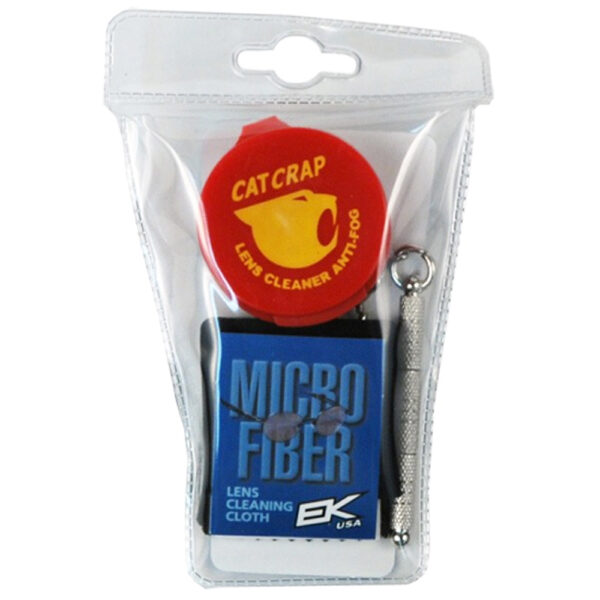
When cleaning your glasses, ensure you have a secure grip on them with one hand. Next, gently rinse the lenses under warm water to remove any dirt or particles that may have accumulated. Once the initial cleaning with water is complete, use your other hand to meticulously clean the lenses with a microfiber cleaning cloth until you are satisfied that your radiation safety glasses are thoroughly cleaned. It is important to resist the temptation of using your shirt or a paper towel for cleaning, as these materials can potentially damage the lenses instead of effectively cleaning them.

TIP #5: SPRAY YOUR LENSES

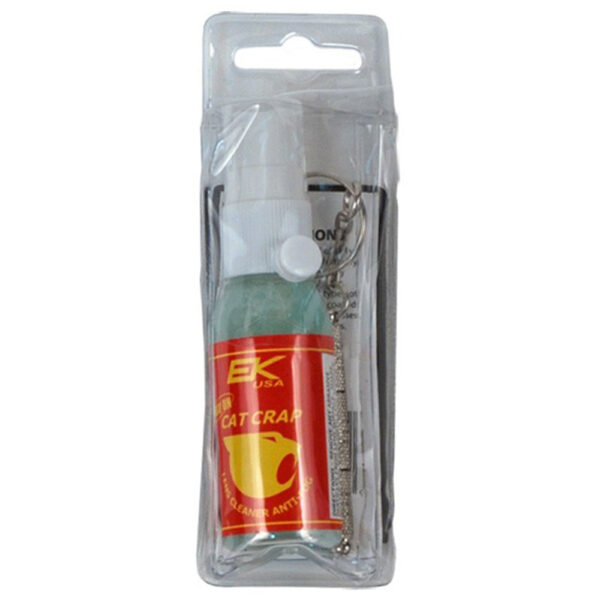
Utilizing a lens cleaner spray is an efficient method for effectively cleaning your lenses, but it is essential to ascertain the compatibility of the cleaner with your radiation safety glasses. Specifically, if your radiation safety glasses feature coated lenses, it is advisable to avoid using a spray cleaner to prevent any potential damage to the lens coatings and ensure the optimal maintenance of your radiation safety glasses.

TIP #6: REPAIR YOUR RADIATION SAFETY GLASSES

While we make every effort to safeguard our glasses from damage, there may come a time when minor adjustments are necessary. Hence, it is prudent to invest in a dedicated repair kit for your glasses. Occasionally, you may need to loosen a few screws on your safety glasses to ensure a comfortable fit. Having your own safety glasses repair kit empowers you to perform these minor repairs independently, obviating the need to visit an eyeglasses store for assistance.

In conclusion, ensuring optimal eye health and protection from radiation is paramount. Wearing suitable radiation safety glasses and adhering to proper care and maintenance are essential elements in safeguarding our eyes. Phillips Safety offers a diverse selection of radiation safety glasses tailored to individual needs.

By following tips such as careful removal, avoiding head placement, proper storage, and using appropriate cleaning methods, we can enhance the longevity and effectiveness of our radiation safety glasses. Moreover, having a repair kit on hand allows us to make minor adjustments independently, ensuring continuous eye protection. For any inquiries or guidance on selecting the right radiation safety glasses, feel free to contact us for assistance.

If you still aren’t sure which radiation glasses are right for you, it’s a good idea to give us a call at 1-866-575-1307 or talk to us through our chat or e-mail us at service@phillips-safety.com

Our radiation experts will be able to tell you what you need for your application.

SHOP RADIATION GLASSES

Radiation Hazards and Eye Protection: Critical Tips for Radiation Safety Glasses

Ensuring the protection of your eyes against radiation threats is of utmost importance. This necessitates finding suitable glasses that can safeguard you from potential harm in environments where such dangers exist. Whether during leisure activities or while working, implementing a few precautionary measures can significantly mitigate radiation-related concerns.

Protecting yourself from ionizing radiation requires special attention, particularly when it comes to safeguarding your eyes. While other protective devices may cover various parts of your body, radiation glasses play a crucial role, as they provide additional coverage that might otherwise be overlooked. Leaded glasses are generally considered the optimal choice for enhancing protection against ionizing radiation.

Research indicates that these glasses can significantly reduce the lens dose rate from ionizing radiation by up to 10 times. This remarkable improvement in safety should not be underestimated. Therefore, when dealing with ionizing radiation, it is advisable to prioritize leaded glasses as your primary option, regardless of the specific circumstances. It is always recommended to consult your employer or adhere to safety guidelines specific to your work environment. However, if no superior alternatives are available to meet your desired safety standards, investing in leaded glasses independently becomes a prudent choice to ensure your personal well-being.

SAFELY HANDLING LEADED GLASSES FOR MAXIMUM PROTECTION

As a heavy element, lead effectively acts as a barrier against the transmission of radiation. Studies consistently demonstrate the efficacy of leaded glasses in preventing eye damage. Consequently, it is essential to acquire glasses that are specifically recommended for your particular circumstances. Alternative eyewear options are unlikely to offer comparable levels of protection, underscoring the necessity of using the appropriate glasses tailored to the task at hand. In essence, ensuring the right glasses are utilized for the specific job is of paramount importance.

When it comes to handling leaded glasses, it is crucial to break free from habits developed with other types of glasses, including safety glasses. For instance, the common practice of placing safety glasses on the top of one’s head while transitioning between areas that do not require safety measures may seem convenient. However, this approach is not suitable for leaded glasses. Unlike traditional glasses, the lenses of leaded glasses are notably heavier. Consequently, if placed on top of the head and walked around with, there is a high risk of them falling off. This not only jeopardizes their safety function when needed but also increases the likelihood of damage upon impact. Given the weight of leaded glasses, even a minor fall can potentially deform the frames, rendering them ill-fitting and necessitating the acquisition of a new pair.

It is equally important to exercise caution when removing leaded glasses. Due to their weight, they can easily slip from one’s grasp if not handled carefully. It is advisable to use both hands when removing them to prevent any accidental dropping. Therefore, due to the unique characteristics and weight of leaded glasses, it is imperative to adopt a mindful approach in their handling, ensuring they are neither placed on the head nor carelessly removed with a single hand.

PREVENTING DAMAGE TO LEADED RADIATION GLASSES

When it comes to cleaning leaded glasses, there are specific considerations to ensure they remain clean and maintain their optimal safety performance. Unlike other glasses, leaded glasses cannot be cleaned in the same manner due to the softness of the lead material. It is recommended to use a microfiber cloth, which is suitable for cleaning various glasses but particularly important for leaded glasses. It is crucial to avoid any rough surfaces such as paper towels, as they can potentially damage the glasses.

When making adjustments to leaded glasses, it is essential to exercise caution as the bridge is not the ideal point for adjustments. Unlike other glasses that suggest adjusting by pushing on the bridge, doing so with leaded glasses can misalign the nose pads and potentially cause frame damage. Instead, it is recommended to handle the top and bottom of the frame to make adjustments. Misaligned nose pads can compromise the efficiency of leaded glasses, hindering their intended protective capabilities.

Other maintenance considerations include obtaining a repair kit specifically designed for these glasses and ensuring they are stored in their designated case when not in use. Neglecting proper maintenance can significantly reduce their effectiveness, which is particularly undesirable when dealing with ionizing radiation.

In conclusion, leaded glasses have proven to be highly effective in reducing lens dose rate and shielding against potential eye damage. While it is important to adhere to safety guidelines and consult with relevant authorities, choosing leaded glasses as your primary option is recommended when dealing with ionizing radiation. Developing new habits specific to leaded glasses, such as avoiding placing them on top of your head and using both hands when handling them, will help preserve their functionality and prevent accidental damage. Additionally, following proper cleaning and maintenance procedures, including the use of a microfiber cloth and careful adjustments, will ensure their longevity and optimal performance. By prioritizing the well-being of your eyes and employing these precautions, you can confidently protect yourself from radiation risks and maintain your visual health.

If you still aren’t sure which radiation glasses are right for you, it’s a good idea to give us a call at 1-866-575-1307 or talk to us through our chat or e-mail us at service@phillips-safety.com

Our radiation experts will be able to tell you what you need for your application.

SHOP RADIATION GLASSES

6 Things to Look For When Purchasing Laser Safety Glasses

Purchasing laser safety glasses requires careful consideration, especially if you’re new to the process. Unlike buying standard sunglasses or high-end outdoor eyewear, laser safety glasses protect your eyes from specific hazards. With the right information, selecting the right pair becomes easier and ensures that your eyes are well-protected. Below are six critical factors to keep in mind when choosing laser safety glasses.

1. Viewing Conditions

When choosing laser safety glasses, it’s essential to first understand your viewing conditions. These conditions generally fall into two categories: diffuse viewing and direct viewing.

Diffuse Viewing

In environments where laser radiation is scattered, such as in laboratory settings or industrial applications, you’ll need laser safety glasses designed for diffuse viewing. This type of protection shields your eyes from secondary, scattered beams rather than direct exposure. The glasses for diffuse viewing are typically less intense in terms of optical density (OD) but still offer adequate protection from reflected laser light.

Direct Viewing

In contrast, direct viewing involves environments where the risk of exposure to the primary laser beam is present. This exposure could be partial or full, and protection is critical because direct laser exposure can cause severe eye damage, including permanent blindness. Laser safety glasses for direct viewing require higher optical density (OD) and are specifically rated to protect against direct laser beams at the wavelengths you’re exposed to.

Determining whether your work environment involves diffuse or direct viewing is the first step in narrowing down your eyewear options.

1. Viewing Conditions

When choosing laser safety glasses, it’s essential to first understand your viewing conditions. These conditions generally fall into two categories: diffuse viewing and direct viewing.

Diffuse Viewing

In environments where laser radiation is scattered, such as in laboratory settings or industrial applications, you’ll need laser safety glasses designed for diffuse viewing. This type of protection shields your eyes from secondary, scattered beams rather than direct exposure. The glasses for diffuse viewing are typically less intense in terms of optical density (OD) but still offer adequate protection from reflected laser light.

Direct Viewing

In contrast, direct viewing involves environments where the risk of exposure to the primary laser beam is present. This exposure could be partial or full, and protection is critical because direct laser exposure can cause severe eye damage, including permanent blindness. Laser safety glasses for direct viewing require higher optical density (OD) and are specifically rated to protect against direct laser beams at the wavelengths you’re exposed to.

Determining whether your work environment involves diffuse or direct viewing is the first step in narrowing down your eyewear options.

2. Field of View

Your field of view (FOV) is crucial when working in environments where peripheral vision is important. Laser safety glasses can sometimes include additional side shields to block stray radiation. While these shields add a layer of protection, they can also restrict your peripheral vision, which may pose its own risks depending on your work.

Wide FOV

If your job requires a full range of vision to monitor surroundings or operate machinery, it’s important to choose laser safety glasses that minimize blind spots. A restricted FOV could make it harder to detect peripheral hazards or navigate your workspace safely. For these scenarios, glasses with a wraparound design can offer both protection and a broader FOV.

Limited FOV

In some highly specialized work environments, you may prioritize extra protection over peripheral vision. In these cases, side shields or other features that reduce your FOV may be acceptable, particularly if you’re working in an area where you’re more stationary and focused on specific tasks.

Your job requirements and workspace layout should guide your decision on how much FOV restriction you can safely tolerate while still ensuring adequate laser protection.

3. Comfort

Comfort plays a significant role in your ability to perform your job effectively, especially if you wear your laser safety glasses for extended periods. Discomfort can lead to distractions, reducing productivity and possibly compromising safety. A few factors affect the comfort of laser safety glasses:

Weight

Heavier glasses can cause fatigue, particularly around the nose bridge and ears. Materials like glass filters, which are often heavier, provide excellent protection but might not be ideal for long-term wear. Polycarbonate lenses, in contrast, are lightweight and generally more comfortable for extended use, though they may offer lower optical density (OD).

Fit and Adjustability

A proper fit is essential for both comfort and safety. Glasses that are too tight can cause headaches or discomfort around the temples, while loose-fitting glasses may not provide adequate coverage. Many laser safety glasses come with adjustable arms or nose pieces to customize the fit.

Breathability and Padding

Some laser safety glasses feature padded nose bridges or temples, which can help reduce pressure points. Additionally, breathability around the eye area is important, especially if you work in warm or humid environments where lenses can fog up.

Choosing a pair that balances weight, fit, and padding will allow you to stay comfortable and focused during long work sessions.

3. Comfort

Comfort plays a significant role in your ability to perform your job effectively, especially if you wear your laser safety glasses for extended periods. Discomfort can lead to distractions, reducing productivity and possibly compromising safety. A few factors affect the comfort of laser safety glasses:

Weight

Heavier glasses can cause fatigue, particularly around the nose bridge and ears. Materials like glass filters, which are often heavier, provide excellent protection but might not be ideal for long-term wear. Polycarbonate lenses, in contrast, are lightweight and generally more comfortable for extended use, though they may offer lower optical density (OD).

Fit and Adjustability

A proper fit is essential for both comfort and safety. Glasses that are too tight can cause headaches or discomfort around the temples, while loose-fitting glasses may not provide adequate coverage. Many laser safety glasses come with adjustable arms or nose pieces to customize the fit.

Breathability and Padding

Some laser safety glasses feature padded nose bridges or temples, which can help reduce pressure points. Additionally, breathability around the eye area is important, especially if you work in warm or humid environments where lenses can fog up.

Choosing a pair that balances weight, fit, and padding will allow you to stay comfortable and focused during long work sessions.

4. Wavelength Protection

One of the most critical aspects of laser safety glasses is ensuring that they are rated to protect your eyes from the specific wavelengths of the laser you’re working with. Lasers emit light at specific wavelengths, which are typically measured in nanometers (nm).

Operating Wavelength

This is the primary wavelength of the laser you’re working with, and it is the most hazardous to your eyes. It’s vital to select glasses that are rated for this wavelength to ensure adequate protection.

Aiming Beam Wavelength

Some lasers also have a secondary, lower-power aiming beam that operates at a different wavelength. While this beam is typically safer, it can still cause eye damage under certain conditions. If you’re exposed to both an operating and an aiming beam, you’ll need glasses that can protect against both wavelengths.

Multiple Wavelengths

In some work environments, you might be exposed to lasers operating at multiple wavelengths. In these cases, you’ll either need multiple pairs of glasses rated for different wavelengths or custom-made laser safety glasses that cover a broader range of protection.

Always verify the wavelength ratings of your glasses to ensure they align with the specific lasers in your environment.

5. Color Visibility

When wearing laser safety glasses, the lenses can impact your ability to perceive colors accurately. This is because the lenses block specific wavelengths of light, which can alter how you see certain colors.

Visible Light Transmission (VLT%)

The VLT% refers to the amount of light that passes through the lenses, allowing you to see clearly while still being protected from harmful radiation. A higher VLT% generally allows more light through, improving visibility and color perception, which can be especially important in tasks that require color differentiation.

Impact on Color Recognition

Some laser safety glasses can significantly affect your ability to distinguish between colors. This is particularly critical in environments where color accuracy is important, such as in medical or precision manufacturing fields. Selecting glasses with an appropriate VLT% ensures that you can still work effectively without sacrificing safety.

Balancing protection with visibility is key—look for glasses that offer a good VLT% while still providing the necessary laser protection.

5. Color Visibility

When wearing laser safety glasses, the lenses can impact your ability to perceive colors accurately. This is because the lenses block specific wavelengths of light, which can alter how you see certain colors.

Visible Light Transmission (VLT%)

The VLT% refers to the amount of light that passes through the lenses, allowing you to see clearly while still being protected from harmful radiation. A higher VLT% generally allows more light through, improving visibility and color perception, which can be especially important in tasks that require color differentiation.

Impact on Color Recognition

Some laser safety glasses can significantly affect your ability to distinguish between colors. This is particularly critical in environments where color accuracy is important, such as in medical or precision manufacturing fields. Selecting glasses with an appropriate VLT% ensures that you can still work effectively without sacrificing safety.

Balancing protection with visibility is key—look for glasses that offer a good VLT% while still providing the necessary laser protection.

6. Laser Power or Energy

The power or energy output of the laser you work with is another important factor in selecting the right eyewear. Lasers can vary widely in power levels, and the energy they emit determines the level of protection you need.

Pulsed Lasers

If you’re working with pulsed lasers, the repetition rate, pulse duration, and energy per pulse are critical factors in determining the necessary protection level. Higher energy pulses typically require glasses with a higher optical density (OD) to block intense, short bursts of laser light.

Continuous-Wave Lasers

For continuous-wave lasers, the overall power output is more important. Lasers that operate continuously over time may not have the same peak intensity as pulsed lasers, but they can still pose significant eye hazards. You’ll need to match the OD of your glasses to the power level of the laser to ensure full protection.

Understanding the type of laser and its power or energy output will guide you to the correct level of protection.

Final Thoughts on Selecting Laser Safety Glasses

By considering these six key factors you’ll be able to make an informed decision when purchasing laser safety glasses. Each of these elements plays a critical role in ensuring that your eyewear offers optimal protection while allowing you to work comfortably and efficiently.

For personalized advice or help selecting the best glasses for your needs, feel free to reach out to our team of experts.

If you still aren’t sure which laser safety glasses are right for you, it’s a good idea to give us a call at 1-866-575-1307 or talk to us through our chat or e-mail us at service@phillips-safety.com

Our experts will be able to tell you what you need for your application.

SHOP LASER SAFETY GLASSES

Radiation Safety Glasses: Your Ultimate Workplace Eye Protection Companion

Radiologists and fluoroscope technicians prioritize protection against harmful radiation by utilizing leaded vests, aprons, and gloves. However, the importance of safeguarding their eyes has only recently gained recognition. Medical professionals who work with radiation commonly experience early-onset cataracts and other eye issues, some as early as their 30s.

Fortunately, addressing these concerning eye conditions is simple with the use of radiation safety glasses. While Europe and several developed nations have swiftly enacted laws to tackle this workplace hazard, the United States does not mandate this essential safety equipment. Regardless of whether safety glasses are explicitly mentioned in workplace policies, individuals whose work involves repeated exposure to x-rays or other types of radiation must prioritize selecting high-quality radiation safety glasses. Doing so can effectively prevent serious eye problems that may lead to blindness. In this article, we delve into who needs these safety glasses and provide guidance on choosing the appropriate radiation safety glasses for your specific needs.

WHO SHOULD WEAR RADIATION SAFETY GLASSES?

If you find yourself regularly exposed to x-rays, the use of radiation safety glasses is imperative. This safety equipment holds significant benefits for doctors and technicians who work with a fluoroscope. While some hospitals in the US have specific policies requiring radiation safety glasses for certain workers, radiology technicians in Europe are obligated by law to wear them.

It’s crucial to note that regular glasses do not offer protection against radiation, underscoring the necessity of the right protective gear. A wide range of occupations necessitate the use of radiation safety glasses, including catheter and urology lab employees, orthopedic surgeons, veterinarians, and even certain pain management doctors.

HOW RADIATION SAFETY GLASSES PROVIDE EFFECTIVE EYE PROTECTION

Radiation lenses are meticulously crafted using specialized radiation safety glass. These lenses offer protection equivalent to a 0.75 mm thick lead sheet, effectively attenuating x-ray radiation that would otherwise pass through the lens and expose the eyes. This crucial protection helps prevent the development of cataracts and other vision problems caused by radiation exposure.

Since vision issues often arise from cumulative exposure, it is vital to safeguard your eyes each time you encounter radiation. Even professionals who engage in radiology and fluoroscopy procedures on an occasional basis require ocular protection. The materials used in radiation safety glasses are highly specialized, allowing them to maintain clarity while providing the necessary radiation protection.

CHOOSING THE RIGHT RADIATION SAFETY GLASSES

When it comes to the effectiveness and comfort of your radiation safety glasses, selecting the ideal frame style for your work is essential. When evaluating your work, it’s important to reflect on the nature of your tasks. If you find yourself frequently entering and exiting a radiation room or handling equipment that exposes you to radiation from various angles, it may be beneficial to consider additional protective measures. In such cases, a radiation face mask can offer enhanced safety.

Face masks are designed for easy on-and-off usage and can be comfortably worn over your glasses or in combination with contact lenses as needed. On the other hand, if your exposure to radiation does not come from varied angles, standard frames provide adequate protection for the procedures you perform.

Besides the nature of your tasks, consider other aspects like prescription availability and comfort. Radiation glasses with prescription lenses, for example, allow you to wear them all day at work without having to constantly change glasses. Wrap-around frames or goggles can provide more comfort as well as additional lateral protection.

Last but not least, it is advisable to opt for lightweight frames that offer a snug fit, alleviating any additional strain on your nose or ears. Fortunately, our frame styles not only offer a pleasing aesthetic but also feature lightweight designs that ensure comfort for individuals of all preferences.

PHILLIPS SAFETY: YOUR TRUSTED SOURCE FOR RADIATION GLASSES

Protecting your eyesight is crucial, particularly for individuals engaged in radiation-related tasks. Professionals like doctors, medical technicians, and others working with this technology experience improved vision and fewer eye complications by wearing radiation safety lenses. Even if your employer doesn’t mandate these protective measures, using radiation safety glasses can save you significant expenses associated with cataract surgery and other eye issues.

Phillips Safety provides every kind of option you might need for radiation protection. If you require radiation face masks, check our collection. If you need radiation glasses with prescription lenses, select your preferred frame and click on the “select prescription lens” button. For wrap-around frames or goggles, check the wide range of options in our radiation glasses collection. For additional details on our options and to determine its suitability for you, please get in touch with us for more information about radiation safety glasses.

If you still aren’t sure which radiation glasses are right for you, it’s a good idea to give us a call at 1-866-575-1307 or talk to us through our chat or e-mail us at service@phillips-safety.com

Our radiation experts will be able to tell you what you need for your application.

SHOP RADIATION GLASSES

The Importance of Radiation Safety Glasses in Your Workplace

When working in a catheterization lab or with a fluoroscope, it is absolutely critical to have the appropriate pair of radiation safety glasses at all times. In the medical field, it is essential to prioritize the care of both your patients and yourself. By obtaining the correct pair of radiation safety glasses, you can confidently perform your job, knowing that your eyes are adequately protected.
As medical imaging technology continues to advance, we gain improved opportunities to acquire life-saving information about the human body. However, it is crucial to acknowledge the associated risks, particularly the ever-present risk of radiation exposure. Whether you are the patient, the doctor, or the technician conducting these tests, there is potential for exposure. Therefore, it is vital to take precautions and prioritize your safety.

Radiation refers to the transmission of energy through space and exists in two forms: non-ionizing radiation and ionizing radiation. Ionizing radiation, which is commonly used in generating x-rays and gamma rays, possesses sufficient energy to destabilize molecules and can cause damage to cells and tissues. This is precisely why it is imperative to adhere closely to all safety protocols and ensure the proper use of protective eyewear.

RADIATION GLASSES: ESSENTIAL SAFETY GEAR IN THE CATHETERIZATION LAB

Catheterization labs play a critical role in the analysis, evaluation, and treatment of heart conditions. These specialized spaces involve inserting a catheter through the skin and into an artery, which then navigates through the arterial track until it reaches the heart. During this procedure, a contrast dye is injected to enhance visibility and identify any blockages that require intervention or repair.

In the cath lab, professionals frequently perform procedures such as the placement of stents in blocked arteries to restore proper blood flow and ensure optimal heart function. Additionally, a range of other treatments, including angioplasty and various interventions, can be conducted within this specialized environment.

For professionals working in cath labs, the use of radiation glasses is of utmost importance. As these individuals are exposed to radiation during the imaging and intervention processes, it is crucial to prioritize eye protection. Radiation glasses provide the necessary shielding to safeguard the eyes from potential radiation hazards, ensuring the safety and well-being of medical personnel throughout their work in cath labs.

SHIELDING EYES FROM RADIATION IN FLUOROSCOPY EXAMINATIONS

Medical professionals are well aware of the significance of fluoroscopy, a specialized form of medical imaging. It involves the continuous projection of an X-ray image onto a monitor, creating a dynamic visual representation similar to an X-ray movie. By passing an X-ray beam through the body, fluoroscopy enables technicians to observe the movement of instruments, body parts, or contrast agents in real-time. This advanced imaging technique enhances diagnostic capabilities, providing a more comprehensive understanding of the area under examination.

Given that fluoroscopy involves the use of multiple types of radiation, it is essential to prioritize radiation protection. This is not only crucial for patients undergoing the procedure but also for the professionals administering it. By adhering to proper safety precautions, including the use of appropriate radiation protection equipment, such as radiation glasses, the eyes of healthcare providers can be effectively shielded from potential radiation hazards. Ensuring the implementation of these safety measures is vital to protect the well-being and long-term eye health of medical professionals involved in fluoroscopy procedures.

RADIATION GLASSES IN WORKPLACE SAFETY

Procedures such as dental x-rays, chest x-rays, mammograms, and various other medical tests rely on radiation elements to function effectively. While some tests, like nuclear medicine stress tests, may carry a higher risk, it is crucial to recognize that radiation is involved in a wide range of procedures. Healthcare professionals who administer these tests must have a comprehensive understanding of the radiation strength and possess the necessary skills to handle the equipment safely.

For individuals working in the field of medical imaging, it is imperative to prioritize the use of appropriate eyewear to ensure optimal protection. While patients are exposed to radiation during a single test, healthcare professionals who perform medical imaging procedures are exposed to radiation multiple times a day and throughout the week, significantly increasing their overall risk of radiation exposure.

By wearing proper eyewear, professionals in medical imaging can enhance their personal safety and minimize the potential long-term effects of radiation exposure. It is a crucial aspect of their commitment to providing high-quality care while safeguarding their own well-being.

NAVIGATING THE EFFECTS OF RADIATION EXPOSURE

Failure to wear appropriate eyewear in the presence of radiation can lead to detrimental effects and severe damage to the eyes. The impact of radiation on the body can cause burns and tissue damage, making it crucial to prioritize eye protection due to their delicate nature.

Interestingly, the eyelids are particularly vulnerable to radiation damage because of their thin composition. Even minimal exposure can result in the loss of eyelashes and the formation of scarring. Additionally, radiation can hinder the production of mucus and disrupt the lacrimal gland ducts, leading to dry eye symptoms.

Furthermore, prolonged radiation exposure to the eyes can contribute to lens opacities and the development of cataracts over time. These conditions can significantly impair vision and require medical intervention. To prevent these potential problems, it is absolutely essential to prioritize the use of proper eyewear designed for radiation protection.

FINDING THE RIGHT RADIATION GLASSES FOR EYE PROTECTION

When searching for the appropriate radiation safety glasses, it’s important to take into account your level of movement while your eyes are at risk. For instance, if you anticipate performing tasks that involve head movement in various directions, it’s crucial to select safety glasses that offer protection not only in the center of your vision but also on the sides of your eyes. These peripheral areas should not be overlooked since radiation can be equally harmful, even though protecting them may not immediately come to mind. Make sure to explore all available options at Phillips Safety and consider the specific tasks you will be performing while exposed to radiation to inform your decision.

It’s important to note that eyewear alone is just one aspect of radiation safety. Equally vital is receiving proper education, training, and understanding of how to work with radiation. While radiation can serve as a powerful diagnostic tool that can save lives, it can only be utilized effectively if you possess the knowledge to use it correctly while safeguarding yourself and others from prolonged exposure. To find the ideal pair of radiation safety glasses for your needs, make sure to browse through Phillips Safety’s collection.

If you still aren’t sure which radiation glasses are right for you, it’s a good idea to give us a call at 1-866-575-1307 or talk to us through our chat or e-mail us at service@phillips-safety.com

Our radiation experts will be able to tell you what you need for your application.

SHOP RADIATION GLASSES

Why Radiation Safety Glasses Are So Important For Medical Professionals

Radiation safety glasses play a critical role in protecting the eyes of medical professionals who work in environments where they are exposed to harmful radiation. While pediatricians and general physicians may not require this specialized eyewear, those in fields such as radiology or frequenting exam rooms must prioritize the health of their eyes to ensure their well-being and longevity in the medical profession. In this article, we will delve into the significance of radiation safety glasses and why they are crucial for certain medical professionals.

FULL PROTECTION FOR EVERY PART OF YOUR BODY​

When working in an environment where radiation exposure is a regular occurrence, it is essential to safeguard every part of your body, including your eyes. Simply donning a protective apron, thyroid collar, and lead gloves while leaving your eyes exposed would be illogical. By employing multiple protective measures, you can work with confidence, knowing that you are shielding your entire body. Neglecting eye protection not only poses a significant risk to your eye health but also jeopardizes your ability to continue working in your field when vital organs have been compromised.

UNINTERRUPTED FOCUS AND PRECISION

Regardless of your specific medical field, precision and finesse are paramount. Any distractions must be minimized to ensure the safety of your patients, colleagues, and yourself. Without proper eye protection in a radiation-exposed environment, you may be preoccupied with the worry of irreversible eye damage, leading to distractions that hinder your performance. 

By wearing radiation safety glasses, you can eliminate concerns about eye health and work without unnecessary anxiety. A calm and focused mind enables you to carry out your tasks with ease and accuracy.

SAFETY FOR YOU AND YOUR PATIENTS

Radiation safety glasses not only protect your eyes but also contribute to a safer environment for both you and your patients. When your safety or vision is compromised due to the absence of protective eyewear in a radiation-filled room, the well-being of your patients is immediately at risk. Equipping yourself with appropriate safety gear, including radiation safety glasses, ensures a safer medical setting for everyone involved. 

These glasses act as a crucial barrier, shielding your eyes from harmful radiation exposure, allowing you to focus on delivering the best possible care. 

PRESERVING EYE HEALTH FOR THE LONG TERM​

Exposure to radiation is a well-documented concern in the medical field, often leading to long-term eye health issues among medical professionals. Thankfully, routine exposure no longer necessitates sacrificing eye health for the sake of work. Radiation safety glasses provide a simple, fast, and effective solution. By incorporating protective eyewear into your routine when working around radiation, you significantly increase your chances of maintaining good eye health throughout your life. Medical professionals who neglect safety glasses face a significantly higher risk of developing cataracts, skin cancer around the eyelids, and macular degeneration due to short-term and long-term exposure to radiation.

THE SENSITIVITY OF EYES TO RADIATION

While the brain is relatively less sensitive to radiation, the eyes are highly vulnerable to its effects. Cells on the eye lenses make them particularly susceptible, leading to a decrease in vision when exposed to high levels of radiation over extended periods. Poor vision and compromised eye health impede optimal performance in any profession, especially in the medical field.

WHERE DO I PURCHASE HIGH-QUALITY RADIATION SAFETY GLASSES?

To ensure the utmost protection for medical professionals, it is crucial to invest in high-quality radiation safety glasses. At Phillips Safety, we offer a wide range of radiation safety glasses designed to meet the rigorous demands of the medical field. Our collection features innovative designs and advanced lens technologies to provide optimal eye protection against harmful radiation. Visit our website today to explore our full collection and equip yourself with the necessary safety gear to safeguard your eye health and excel in your profession. Your safety is our priority, and we are here to help you make the right choice.

For more information on the importance of proper eyewear in specific medical settings or to explore other benefits offered by radiation safety glasses, feel free to contact us today. Our team is ready to address any inquiries you may have!

If you still aren’t sure which radiation glasses are right for you, it’s a good idea to give us a call at 1-866-575-1307 or talk to us through our chat or e-mail us at service@phillips-safety.com

Our experts will be able to tell you what you need for your application.

SHOP RADIATION GLASSES

Radiation Safety Glasses Unveiled: Top Picks for Maximum Protection

If you’re new to purchasing radiation safety glasses and are unsure about what to look for in a high-quality pair, you’ve come to the right place. It’s essential to explore different eye protection products and their features before making a decision. 

In this blog post, we will provide an in-depth overview of ten of the best radiation glasses currently available on the market. By understanding their unique features, you’ll be better equipped to choose the perfect pair for your needs.

Radiation Glasses 15011:

The Radiation Glasses 15011 are one of our top-selling products, offering exceptional eye protection. These glasses are equipped with high-quality SF-6 Schott glass lenses, ensuring distortion-free vision and 0.75mm Pb lead equivalency protection. With a clear CE Certified Lens and weighing 88g, they provide comfort during extended wear. The 15011 radiation glasses feature a durable and lightweight rectangular frame made of high-quality plastic, ensuring longevity and comfort. 

Additional features include adjustable nose pads and permanent side shields for added convenience. Available in a variety of colors, the Radiation Glasses 15011 provide both functionality and safety. Prescription options are available, ensuring personalized visual clarity for those with specific vision needs.

Radiation Goggles RK2:

The Radiation Goggles RK2 provide exceptional functionality and maximum protection against radiation. With their large lenses, these goggles offer excellent visibility. The adjustable flame-resistant straps ensure a comfortable and secure fit, while the built-in ventilation and foam pads prevent fogging and discomfort caused by sweat. 

These RK2 radiation goggles feature high-quality SF-6 Schott glass lenses, offering distortion-free vision and 0.75mm Pb lead equivalency protection. Weighing 85g, they are lightweight and comfortable for extended wear. The durable plastic frame adds to their longevity, while the foam eyecup and strap enhance comfort. Available in black, these Phillips Safety prescription radiation goggles provide reliable eye protection for various applications.

Radiation Glasses Nike Brazen:

The radiation glasses Nike Brazen are a top-of-the-line choice for individuals seeking exceptional eye protection. These glasses feature high-quality SF-6 Schott glass lenses, renowned for their distortion-free clarity and radiation-reducing properties with 0.75mm Pb lead equivalency protection. With a clear CE Certified Lens and weighing 80.5g, these glasses provide both visual clarity and comfort during extended wear. 

Made of a durable and lightweight rectangular wrap-around frame made of high-quality plastic, the Nike Brazen radiation glasses combine durability and style. The rubberized nose pads and temple bars enhance comfort and ensure a secure fit. Available in black and matte black/military blue, these Nike lead glasses offer both functionality and aesthetic options. Prescription options are also available.

Fit Over Radiation Glasses 33:

For those who wear prescription glasses, the fit over radiation glasses 33 are an ideal choice. These glasses are sturdy, lightweight, and designed to fit comfortably over regular prescription eyewear. Constructed with durable nylon frames and radiation-reducing lenses, these fitover glasses accommodate various head sizes while providing reliable protection. 

The fit over radiation glasses 33 feature high-quality SF-6 Schott glass lenses with 0.75mm Pb lead equivalency protection for optimal radiation reduction. They also offer 0.50mm Pb lead equivalency lateral protection. With a clear CE Certified Lens and weighing 90g, these glasses ensure visual clarity and comfort during extended wear. Made of high-quality plastic, the fit-over frame is durable and lightweight. 

The radiation glasses 33 also feature adjustable temples and integrated side shields for added convenience. Available in black and tortoise, these Phillips Safety radiation glasses offer a range of style options. Please note that the RG-33 fit-over glasses are non-prescription.

Radiation Glasses EGM:

Designed for maximum security, durability, and protection, the Model EGM Wraparound Radiation Glasses feature high-impact nylon frames. Comfort is not compromised, as these glasses are equipped with rubber temple bars, a rubber saddle bridge nose pad, and a rubber soft grip temple bar to ensure a secure and comfortable fit. Available in black, gray, and red, these glasses are suitable for small to medium-sized heads and provide a secure and comfortable fit while offering distortion-free lenses that reduce radiation.

In addition, the EGM radiation glasses boast high-quality SF-6 Schott glass lenses, renowned for their distortion-free clarity and radiation-reducing properties with 0.75mm Pb lead equivalency protection. With a clear CE Certified Lens and weighing 87.8g, these glasses provide both visual clarity and comfort during extended wear. Prescription options are also available.

Oakley Lead Glasses Holbrook:

The Oakley Holbrook radiation glasses offer superior eye protection with high-quality SF-6 Schott glass lenses, providing distortion-free vision and 0.75mm Pb lead equivalency protection. Weighing just 74g, these glasses are lightweight and comfortable for extended wear. 

Crafted with a durable and lightweight rectangular frame made of high-quality plastic, the Oakley Holbrook radiation glasses combine style and durability. Available in matte black/red, matte black/silver, and black camo, these glasses offer various stylish options to suit individual preferences. Prescription options are also available, ensuring optimal visual clarity for those with specific vision needs.

Radiation Glasses T9538S:

The T9538S radiation glasses are a reliable choice for top-quality eye protection. With SF-6 Schott glass lenses offering distortion-free vision and 0.75mm Pb lead equivalency protection, these glasses prioritize safety. Weighing only 76g, they provide comfort during extended wear. 

The T9538S radiation glasses feature a durable rectangular frame made of high-quality plastic, offering durability and style. Available in black, clear, and brown, these glasses provide options for individual preferences. Prescription options are also available, ensuring personalized visual clarity for those with specific vision needs.

Radiation Glasses 600:

The Aviator Metal 600 Radiation Glasses are the perfect choice for individuals seeking a combination of durability and style. With a sturdy metal frame, these glasses feature side shields, a double bridge bar, and an adjustable nose pad for comfort and a secure fit. The SF-6 Schott glass lenses provide distortion-free vision and 0.75mm Pb lead equivalency protection. Weighing 95g, these glasses offer clarity and comfort during extended wear. 

These metal radiation glasses 600, features a removable side shield made of high-quality plastic, which adds a stylish touch without compromising durability. Available in gold and pewter, these glasses offer aesthetic options. Prescription options are available, ensuring personalized visual clarity for those with specific vision needs.

Radiation Glasses Wiley X Brick:

The Wiley X Brick radiation glasses are a top-notch choice for individuals seeking reliable eye protection. With their high-quality SF-6 Schott glass lenses, these glasses offer distortion-free vision and provide 0.75mm Pb lead equivalency protection. Weighing just 79.5g, they are lightweight and comfortable for extended wear. 

The durable rectangular wrap-around frame, made of high-quality plastic, combines durability and style. Additional features like a foam eyecup, rubberized temple bars, and a removable facial cavity seal enhance functionality. Available in matte black, crystal metallic, and gloss black, these Wiley X lead glasses offer both functionality and aesthetic options. They are also prescription available.

Radiation Glasses EX601:

The EX601 radiation glasses offer exceptional eye protection with SF-6 Schott glass lenses. Weighing only 76.3g (or 88.3g with the foam gasket), these lightweight glasses prioritize safety and comfort. The rectangular frame, made of high-quality plastic, ensures durability. Additional features such as a foam eyecup, rubberized nose pads, temples, leaded side shields, and name engraving enhance the functionality. 

Available in black, black with foam gasket, and matte apple green with foam gasket, these lead glasses provide aesthetic options. Prescription options are also available, ensuring optimal visual clarity and protection for those who require corrective lenses. 

Find Your Perfect Radiation Safety Glasses at Phillips Safety!

With this comprehensive review of the top-rated radiation safety glasses on the market, you can now make an informed decision when choosing eye protection against radiation. 

If you want to explore more high-quality safety eyewear options or need protection against lasers and other harmful elements, feel free to contact us or continue reading our blog for additional information. Prioritize your eye safety and find the perfect pair of radiation safety glasses that meet your specific requirements.

If you still aren’t sure which leaded glasses are right for you, it’s a good idea to give us a call at 1-866-575-1307 or talk to us through our chat or e-mail us at service@phillips-safety.com

Our Radiation experts will be able to tell you what you need for your application.

SHOP RADIATION GLASSES

Protecting Your Workforce: Investing in Your Employees’ Eye Safety

If you’re a manager in a laboratory, worksite, or any high-risk workplace, ensuring the safety of your staff should be a top priority. Neglecting safety policies is not an option, as the health and well-being of your employees directly impact the success of your company. It’s crucial to prioritize employee safety to avoid accidents and injuries, which can lead to decreased productivity and increased costs.

As a manager, you understand that an injury at your workplace can have detrimental effects on your company’s reputation. Not only does it make it harder to attract future employees, but it can also result in the loss of a valuable team member, along with serious personal and professional consequences. Additionally, neglecting safety measures can lead to legal action, which is something that no company wants to deal with. Therefore, it is imperative to prioritize employee health and safety to avoid such negative outcomes.

The consequences of a single mistake can be severe, which is why it is important to establish clear and consistent safety protocols in your workplace. When employees are familiar with the rules and regulations from the outset, complying with them will become second nature, reducing the likelihood of accidents caused by simple oversights. By implementing a robust safety plan, you can help prevent injuries, protect your employees’ well-being, and avoid costly legal battles.

This article will focus on the changes, habits, and regulations that can be implemented to protect employees’ eyes. Although safety rules and routines should be established to protect employees in every way, vision is often overlooked, and eye protection is essential since it is essential to most individuals.

BEST PRACTICES FOR ENSURING EMPLOYEE HEALTH AND WELLBEING

Minimize Hazards: Unstable objects and poorly maintained tools can pose a significant risk of injury. Sadly, these are just a few examples of the numerous preventable hazards that exist on job sites and in workplaces across the country every day. To minimize these risks, it’s critical to identify and address potential hazards before they cause harm. By routinely inspecting the work environment for potential hazards during each shift, you can foster a safer working environment for your employees.

Ensure Employees are Trained and Informed: Employees need to be properly trained and informed about the workplace, safety rules, and equipment usage to minimize the risk of accidents. Even highly educated individuals may require training specific to your workplace. By offering paid safety training and regular staff meetings, you can demonstrate that you prioritize the health and safety of your team. These meetings can serve as a helpful reminder of any forgotten rules, prevent safety issues, and provide an opportunity for employees to discuss any concerns they may have, potentially bringing hazardous situations to your attention.

Require Specific Safety Eyewear: It’s important to require specific safety eyewear for different types of work. Laser safety glasses are necessary for those working with laser beams, while radiation-specific safety eyewear is required for medical workers who spend a lot of time around radiation. With so many different types of safety glasses available, and many employees being new to the world of safety eyewear, it’s necessary to specify which type they should be wearing.

While specifying a particular brand may seem unnecessary, it’s actually recommended. Opting for a high-quality brand ensures your employees have the best protection possible, which is a wise investment in their safety. Phillips Safety is a leading brand in the safety market, offering a wide range of high-quality safety glasses that are designed to meet various safety standards and requirements.

Insist on Prescription Safety Glasses: It is important to require your employees who wear glasses to order prescription safety glasses. The reason behind this is that wearing standard safety glasses over regular glasses can diminish their effectiveness. On the other hand, taking off prescription glasses to wear safety glasses can create a hazardous situation, as it impairs the employee’s vision. Thus, prescription safety eyewear is the safest and most effective option, and it should be mandated for those who wear prescription glasses.

Create a Suitable Storage Space for Eyewear: It is not advisable to allow employees to take their safety glasses home since there is a risk that they may forget to bring them or break them during transportation. To prevent such scenarios, it is better to ask the employees to store their safety eyewear at work. However, if you mandate at-work storage for the glasses, it is important to provide a suitable storage space. Ideal options include individual cubbies or small, soft storage bags for each worker, as these can protect the glasses from damage.

Encourage Proper Care of Safety Glasses and Goggles: Regular maintenance and proper storage are essential aspects of owning safety eyewear, whether your employees take their glasses home or not. It is important to maintain the glasses by regularly polishing them with a soft, lint-free cloth, occasionally washing them with warm water and dish soap, and tightening hinge screws when necessary.

Institute Eyewear Inspection Meetings: Even with careful handling, safety glasses must be replaced periodically to avoid the risk of serious injury. Thus, it is important to implement regular safety glasses inspections. These inspections can be conducted during safety meetings or scheduled separately, but they should involve a comprehensive check of each pair of glasses to ensure proper fit and to identify any scratches or other issues that may impair an individual’s vision.

SAFETY IN THE WORKPLACE

We trust that these suggestions will assist you in creating a workplace environment that is free of injuries and safeguards your employees’ eyes. We are confident that by implementing these measures, you will observe a greater level of concern for workplace safety from your team and a reduction in work-related eye injuries.

If you are searching for the ideal eye protection solution for your employees, make sure to browse Phillips Safety collection of protective products. We provide information and high-quality products for laser safety, radiation safety, welding safety, glassworking safety, and many other options.

If you still aren’t sure which safety glasses are right for you, it’s a good idea to give us a call at 1-866-575-1307 or talk to us through our chat or e-mail us at service@phillips-safety.com

Our experts will be able to tell you what you need for your application.

SHOP SAFETY GLASSES

Knowing When to Replace Your Laser Safety Glasses

Workplace safety is paramount, especially in environments where hazardous equipment like lasers are used. Whether you’re in a medical setting, a research lab, or any other place where lasers are present, ensuring that you and your employees are protected is a critical part of the job. One essential piece of protective gear is laser safety glasses, which should always be worn when there’s a risk of exposure to direct or scattered laser radiation.

However, not all laser safety glasses offer the same level of protection, particularly if they are old, damaged, or poorly maintained. Knowing when to replace your laser safety glasses is crucial to maintaining optimal eye safety. This article will guide you through the signs that indicate it’s time for a replacement.

Signs It's Time to Replace Your Laser Safety Glasses

Foggy-lens-icon
1. Lens Damage

The lenses are your first line of defense against laser radiation. Scratches and scuffs reduce clarity, which can impair your ability to work safely with lasers. Cracks are even more dangerous, as they can allow harmful laser beams to penetrate, leading to serious eye injuries. In all these cases, replacing the lenses is crucial to maintaining both clear vision and effective protection.

Scratch-lens-glasses-Icon
2. Frame Issues

The frame’s integrity is essential for ensuring a secure fit and consistent protection. Damaged frames or broken arms can lead to improper lens positioning or even cause the lenses to fall out, increasing the risk of laser exposure. Rather than trying to fix these issues with tape, it’s safer to replace the glasses altogether.

safety-glasses-front-icon
3. Fit and Wear

Over time, your laser safety glasses may stretch or become misshapen, leading to a loose fit. A poor fit can result in gaps that allow laser beams to reach your eyes, compromising your safety. If tightening screws or straps doesn’t restore a secure fit, it’s time for a new pair of glasses.

protection-icon
4. Protection Levels

Laser safety glasses are required to have clear Optical Density (OD) and wavelength markings to verify their protection levels. Over time, these markings can fade, making it difficult to ensure that the glasses still meet safety standards. If you notice the markings are no longer visible, it’s a sign that the glasses should be replaced to guarantee continued protection.

Proactive Eye Safety Management

Regular inspections are essential for maintaining the effectiveness of your laser safety glasses. Incorporating monthly checks into your safety routine enables you to detect early signs of wear and damage, ensuring that you replace your eyewear before it fails to provide adequate protection. During these inspections, look for issues such as lens scratches, frame damage, and fading markings, and address any problems promptly. 

Additionally, it’s beneficial to provide ongoing safety training for employees. Educating your team on how to inspect their own eyewear and recognize signs of damage will help them take proactive steps in maintaining their safety. Empowering employees with knowledge about the importance of eyewear integrity can lead to quicker identification of issues and a safer working environment.

Partnering with Phillips Safety Products for Maximum Protection

Ensuring the safety of your team in environments with laser exposure requires reliable and high-quality protective equipment. At Phillips Safety Products, we specialize in offering top-tier laser safety glasses that meet rigorous safety standards. Our products are meticulously designed to deliver the highest level of protection, ensuring that you and your employees can work safely in hazardous conditions.

By partnering with us, you gain access to expert guidance and premium products tailored to your specific needs. Whether you’re updating your current eyewear or investing in new safety solutions, we are here to help.

Contact us today to learn more about our laser safety solutions and how we can help you maintain a safe workplace.

If you still aren’t sure which laser safety glasses are right for you, it’s a good idea to give us a call at 1-866-575-1307 or talk to us through our chat or e-mail us at service@phillips-safety.com

Our experts will be able to tell you what you need for your application.

SHOP LASER SAFETY GLASSES

Preserving Visual Health: The Importance of Protecting Your Eyes in Radiation-Intensive Work

If you are employed in the medical field or regularly deal with radiation, you are well aware of the significance of safeguarding yourself during instances of radiation exposure. It is common practice to utilize a leaded apron and other protective equipment to shield your body from the potential harms associated with repeated exposure to radiation. These precautionary measures are essential for mitigating the adverse effects that can arise from regular contact with radiation.

However, it is conceivable that you may not fully grasp the extent of damage that radiation can inflict upon your eyes. While you may have come across scattered information on this subject, the lack of comprehensive knowledge until recent times, coupled with the historical discomfort associated with heavy radiation safety glasses, has hindered the widespread adoption of eye protection measures in radiation-related work settings.

Today, there exists a wealth of knowledge about the negative effects of radiation on ocular health. Consequently, the importance of wearing protective eyewear and implementing other safety precautions is increasingly recognized and anticipated. Thankfully, radiation safety glasses have undergone significant advancements, both in terms of comfort and aesthetics.

WHY ACTIVE EYE PROTECTION IS VITAL IN RADIATION-INVOLVED TASKS

By procuring a pair of these enhanced safety glasses and incorporating additional precautionary measures, you can effectively safeguard your eyes during your regular activities. The significance of actively protecting your eyes when engaged in tasks involving radiation exposure should not be underestimated. To grasp the importance of safety eyewear and dissuade any reluctance towards its adoption, it is crucial to comprehend the three primary adverse effects of radiation on ocular health.

Among the three prevalent conditions frequently observed in individuals working with radiation, cataracts are the most frequently encountered. This ocular ailment arises when proteins within the eye aggregate, impairing vision as these clusters progress. As cataracts advance, surgical intervention becomes necessary to prevent eventual blindness. Addressing this condition promptly is crucial to maintaining optimal vision.

Another eye condition that can arise from radiation exposure is chronic dry eye, which, although less severe, can be bothersome and potentially hazardous. This condition often manifests as persistent itching and redness in and around the eyes, necessitating the regular use of lubricating eye drops. The absence of normal tear production in chronic dry eye can also increase the risk of bacterial infection, as the natural eye fluids are insufficient to wash away bacteria. Therefore, mitigating this issue through appropriate eye protection measures is crucial to maintain ocular health and prevent complications.

While less prevalent than the aforementioned conditions, permanent blindness is a potential consequence of regular radiation exposure. The profound impact of losing one’s vision underscores the importance of adhering to recommended safety protocols. Preventing the occurrence of such a life-altering condition through the observance of safety instructions becomes paramount, as preserving the invaluable sense of sight is undoubtedly a worthwhile endeavor. By prioritizing eye protection measures, individuals can significantly reduce the risk of enduring the irreversible consequences of radiation-induced blindness.

HOW CAN I EFFECTIVELY PROTECT MY EYES WHEN WORKING WITH RADIATION?

Being aware of the potential harm that radiation can inflict on your eyes, you are probably seeking the most effective means to ensure their safety during your work activities. The good news is that by implementing the appropriate preventive measures, you can alleviate concerns regarding the eye conditions mentioned earlier. Consider adopting these straightforward steps to maximize the safety of your eyes in the workplace.

As our understanding of radiation and its impact on the human body evolves, staying informed about the latest information and safety practices becomes crucial for ensuring a safe working environment. To achieve this, it is essential to keep up with current knowledge and protocols. Valuable resources for staying updated include up-to-date publications by authoritative bodies such as the Occupational Safety and Health Administration and the American Optometric Association. Additionally, participating in safety workshops and accessing informative videos can serve as valuable tools for continuously advancing your safety education.

After familiarizing yourself with the latest recommendations from reputable sources, it is imperative to diligently follow those guidelines. This entails ensuring that outdated tools and equipment are updated and incorporating additional safety measures into your routine as needed. By conscientiously observing these recommendations, you prioritize the safety of yourself and those around you.

Undoubtedly, safety goggles or glasses are a necessity in your line of work. However, it is vital to recognize that not all eyewear will suffice. It is essential to find the right type of eyewear tailored to your specific needs to ensure comprehensive protection. This involves prioritizing a proper fit for optimal comfort and effectiveness. If you require prescription eyewear, investing in prescription safety glasses becomes imperative to maintain clear vision during tasks. Lastly, ensure that the lenses of your chosen eyewear possess a minimum lead equivalency of .75mm, as this parameter guarantees adequate shielding.

The last crucial measure in ensuring eye safety while working with radiation involves maintaining regular appointments with your optometrist. Despite adhering to safety protocols and utilizing reliable safety glasses, it is advisable to monitor your eye health closely, promptly addressing any potential abnormalities. Recognizing the significance of preserving your vision, regular optometric check-ups offer invaluable insights and early detection of any emerging concerns. By prioritizing the well-being of your eyes, you demonstrate a steadfast commitment to safeguarding your precious sense of sight.

If you are seeking premium radiation safety glasses or goggles, make sure to explore Phillips Safety’s extensive collection. With a diverse range of options, we are dedicated to assisting you in finding the ideal set of safety eyewear tailored to your specific requirements. Your eye protection is our priority, and we strive to offer exceptional quality and functionality.

If you still aren’t sure which radiation glasses are right for you, it’s a good idea to give us a call at 1-866-575-1307 or talk to us through our chat or e-mail us at service@phillips-safety.com

Our radiation experts will be able to tell you what you need for your application.

SHOP RADIATION GLASSES

6 Examples of Lasers and How to Use Them Safely

Lasers are all around us. In fact, we use many kinds of lasers on a daily basis without ever even thinking about it, while other types are used to create products we use regularly. Some lasers are even used to help keep our bodies healthy and strong. Unfortunately, despite the fact that lasers are so helpful in so many ways, they can also be extremely damaging. In fact, some lasers are so powerful that they can burn skin, cause fires, and even cause permanent blindness when used incorrectly and without the proper safety precautions.

For this reason, it is crucial that everyone who spends time working with lasers in any capacity knows and understands the safety rules associated with whichever laser they use. In order to help these individuals gain a better understanding of the various types of lasers and the risks they pose, we have compiled a list of six of the most common types of lasers. In this list, we have included the kinds of damages that can be caused by such a beam and how to prevent those damages from occurring.

#1: Lasers in Printers, CD players, and DVD players

These are lasers that you likely use every single day. You have probably never even considered the lasers in these devices to be safety hazards, which is understandable since they generally aren’t. That said, one should never look at the laser beam emitted by these electronics through a magnifying glass or binoculars, as it could potentially cause eye damage.

#2: Barcode Scanners

From supermarkets to big box stores, barcode scanners are absolutely everywhere. Fortunately, these devices don’t pose much of a risk either. While staring directly at the laser beam each of these scanners puts out is definitely not a good idea, using one in the way it was intended to be used is perfectly harmless. Therefore, you can go about your grocery shopping without fear of the lasers at the end of the shopping trip.

This is where things start to get a little more dangerous. Depending on the laser pointer in question, these bad boys can actually cause a fair amount of damage to the eye. This is especially true of green laser pointers, but applies to laser pointers of other colors as well. For this reason, laser pointers should never be given to children. Additionally, they should not be pointed at the face of any person or animal, nor should they be used as toys. Finally, it is important to note that laser pointers should never be aimed toward flying vehicles, as the beam has the potential to harm the pilot and create a dangerous situation. Because of this fact, aiming a laser pointer at aircraft is now illegal and punishable by law.

#4: Light Show Projectors

Here is where it becomes necessary for laser users and anyone nearby to don the proper eye protection. While light show projectors can put on an amazing performance during a concert or outdoor event, they are also incredibly strong and could easily blind a person for life. Even a mere reflection of one of these beams is hazardous. If you are going to be using laser lights for a show, be sure you have the proper training, practice, and gear before showtime arrives. Otherwise, you could easily harm yourself, another staff member, or even a member of the audience.

#5: Industrial Lasers

Another type of laser that requires the user to be extra cautious is the industrial laser. These beams are incredibly helpful tools when it comes to cutting, drilling, and welding, but they can also be incredibly hazardous in the wrong hands. If you will be working in a location where industrial lasers are used, proper training and laser safety eyewear are a must. This is true whether or not the beam is on, as accidents do happen and your vision is never something to be taken lightly.

#6: Lasers for Medical Use

Isn’t it awesome that lasers can help keep our bodies healthy and strong? From therapies to surgeries, laser healthcare is an amazing technology that has been life-changing and even life-saving for a great number of people. Unfortunately, just as these beams can do some wonderfully good things, they can also do some terribly bad things when used improperly. The good news? Those terribly bad things can easily be avoided through proper training, continuous education, and of course, the proper safety equipment.

Of course, this is a just a small sampling of the many uses for lasers. Therefore, it is important to always be aware of the presence of lasers and properly protect yourself if there is even a remote possibility of being exposed to a laser, whether direct, scattered, or reflected. Not sure if you need to wear safety glasses for your laser-related job? If it involves working in the same room as a laser, the answer is probably a resounding “yes”.

So what are you waiting for? Start shopping for the perfect safety glasses or goggles today so you can be safe on the job tomorrow. Here at Phillips Safety Products we have a wide variety of high-quality eyewear to choose from, so you can find the option that is best for you and your situation. Need help finding what you’re looking for? We would be thrilled to help! Please contact us with questions or comments and we will get back with you as soon as we can.

If you still aren’t sure which laser safety products are right for you, it’s a good idea to give us a call at 1-866-575-1307 or talk to us through our chat or e-mail us at service@phillips-safety.com

Our experts will be able to tell you what you need for your application.

SHOP LASER SAFETY PRODUCTS

Don’t Compromise on Safety: Avoid These Four Safety Glasses Mistakes

If you are investing in safety glasses, such as those designed for laser or radiation protection, you likely want a durable and high-quality pair that can provide you with optimal visual clarity and protection over an extended period. However, individuals who wear safety glasses regularly for work may develop habits that compromise the glasses’ quality, reducing their longevity and increasing the risk of injury in hazardous environments.

This article highlights some common mistakes that people make when wearing safety glasses, and provides guidance on how to avoid them to ensure maximum protection and longevity of your safety glasses.

COMMON SAFETY GLASSES MISTAKES TO AVOID

The first common mistake is wearing safety glasses for prolonged periods without cleaning them. This is a relevant issue because doing so can lead to both immediate and long-term issues. In the short term, dirty glasses can compromise your vision, reducing clarity and potentially causing problems in hazardous environments. Over time, neglecting to clean your safety glasses can lead to faster wear and tear on the lenses, requiring earlier replacement or forcing you to work with glasses that provide unclear, distorted vision.

To avoid these issues, it is recommended to clean your safety glasses at the end of each workday with a soft, microfiber cloth. While there is no need to clean them multiple times during the day, if they become too dirty to provide clear vision, take a break from your work and quickly clean them to ensure optimal clarity and protection.

The second mistake to be avoided is cleaning the safety glasses with inappropriate materials. It’s important to clean your safety glasses regularly, but you need to be mindful of what you use to clean them. Using anything other than a soft, microfiber cloth can result in scratches on the lenses, which can compromise your vision. Avoid the temptation to use your shirt or a dirty rag found at your work setting to clean your glasses. Instead, keep a microfiber cloth handy at all times for convenient cleaning.

When it comes to washing your safety glasses, you should avoid using harsh cleaning solutions like window cleaner, as they can damage the lenses. Instead, opt for a cleaning solution designed specifically for safety glasses or wash them with warm water and dish soap at the end of the day. This will help maintain the integrity of your safety glasses and ensure that they continue to provide optimal protection and clarity.

Moving forward, the third common mistake is not properly storing the safety glasses when they are not being used. Properly storing safety glasses when not in use is crucial to maintaining their integrity and ensuring they are readily available for the next workday. While it may be tempting to simply leave them on a workbench or counter, this can increase the risk of them getting misplaced, stolen, or broken.

To avoid this, it’s recommended to store safety glasses in a protective hard case or a soft, microfiber bag. Many safety glasses come with some form of storage, so it’s wise to take advantage of it. At the end of each workday, make sure to store your safety glasses in their designated case or bag to protect them from damage and ensure they are easily accessible for the next time you need them.

Last but not least, the fourth common mistake we want to address is not replacing the safety glasses when the time comes. No matter how well you take care of your safety glasses, there will come a time when they need to be replaced. While safety glasses can last for several years, it’s important to recognize when it’s time to buy a new pair. Continuing to work with old, scratched, or damaged safety glasses can strain your vision and leave you without the necessary protection when working in hazardous environments. If you notice significant scratches or damage, it’s time to start shopping for a new pair.
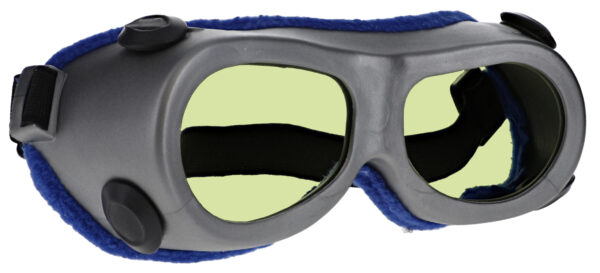
MAXIMIZING THE LIFESPAN OF YOUR SAFETY GLASSES

Safety glasses are a critical component of personal protective equipment that plays a crucial role in preventing eye injuries and ensuring workplace safety. By wearing safety glasses, workers can reduce the risk of eye injury and potential blindness, allowing them to work with confidence and focus on their tasks at hand.
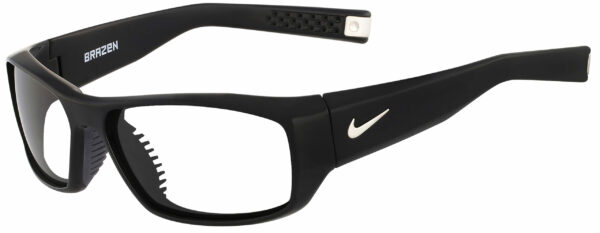
In that sense, maintaining the quality of safety glasses is of utmost importance for anyone who works in hazardous environments. Dirty or scratched lenses can significantly compromise vision, leading to a greater risk of injury on the job. As such, it is crucial to develop good habits when it comes to caring for safety glasses.
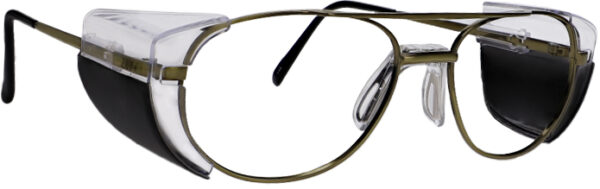
By following the care tips mentioned above and taking preventative measures, such as storing the glasses properly and replacing them when necessary, you can extend their lifespan and ensure they provide the necessary protection for as long as possible.

If you still aren’t sure which safety glasses are right for you, it’s a good idea to give us a call at 1-866-575-1307 or talk to us through our chat or e-mail us at service@phillips-safety.com

Our experts will be able to tell you what you need for your application.

SHOP SAFETY GLASSES

Laser Safety Glasses: The Dangers of Consumer Lasers

The human eye is particularly vulnerable to damage, both from physical injuries and certain wavelengths of electromagnetic radiation. Before 1960, when the first laser was created, exposure to artificial radiation like welding flash diminished rapidly as you moved away from the source. Additionally, light within the visible spectrum was generally not hazardous. However, the advent of lasers, especially high-powered versions, changed this, as they can now inflict significant damage even over long distances. The coherent, focused light of lasers means that even visible light can be harmful if delivered with enough power.

What makes lasers even more dangerous today is their widespread availability. No longer confined to research labs as they were in the 1960s, lasers are now easily accessible to consumers for recreational use as well as industrial applications. This has resulted in numerous laser-related accidents affecting a broad range of people, particularly those who use lasers without adequate precautions. Below are two key consumer laser risks:

RISKS FROM INEXPENSIVE GREEN LASER POINTERS

One common consumer device is the 5 mW green laser pointer, which falls under the Class 3R category. While direct eye exposure should be avoided, the risk of injury is low for individuals with a normal blink reflex—provided the laser is manufactured to specification. Unfortunately, many laser pointers sold online, especially from questionable sources, may pose significant hazards.

Green laser pointers work by generating an infrared beam, which is then converted into visible green light. During this process, some infrared light remains and is typically blocked by an infrared filter. However, cheaper green laser pointers often lack effective infrared filters, either due to design flaws, manufacturing shortcuts, or poor quality control. This can lead to the emission of much higher levels of infrared light, which is invisible to the human eye and places users at risk of unknowingly exposing themselves to dangerous radiation. A faulty or missing filter can make a laser pointer far exceed its Class 3R rating, multiplying the risk of injury.

MISUSE OF HANDHELD LASERS

Handheld lasers, ranging from 25 mW to 1000 mW, are classified as Class 3B (avoid beam exposure) and Class 4 (avoid both direct and scattered radiation to eyes and skin). These powerful devices, sometimes reaching up to 3500 mW, are available to consumers online. Lasers of this power are capable of igniting fires in combustible materials, and in the hands of untrained individuals, the risk of accidents increases dramatically. For instance, some users casually engage in activities like targeting balloons for practice, unaware of the potential dangers.

Accidents often occur when laser beams reflect off metallic, glass, or crystalline surfaces, scattering the light back into the user’s eyes. In some cases, people have been injured by shining laser beams into mirrors. Tragically, many of these incidents involve children or teenagers, who may treat these devices as harmless toys. Any laser powerful enough to pop balloons or start fires can cause immediate and irreversible eye injuries if it strikes the eye directly.

Another issue is that high-powered handheld lasers are sometimes misleadingly advertised as laser pointers. People may use them inappropriately, such as for presentations in crowded spaces, potentially exposing large groups to accidental laser radiation.

LASER SAFETY TIPS

To help prevent potential injuries when using lasers, it’s essential to follow a set of important safety precautions. These guidelines are designed to minimize the risks associated with laser exposure and ensure the safe handling of these powerful devices. Whether you’re using a laser for recreational, industrial, or presentation purposes, adhering to these safety measures can significantly reduce the chance of accidents or harm to yourself and others.

Safety-glasses-icon_2
Wear certified laser safety glasses

Always wear certified glasses designed for your specific laser type, and make sure others around you are protected as well. Consult a reputable source to ensure you have the correct protection, as using the wrong glasses can still result in injury.

reliability-icon
Handle lasers with care

Like any dangerous tool, never point a laser at people, animals, or reflective surfaces. The beam can easily redirect, causing unintended harm.

store-with-care_Icon
Store lasers securely

Keep your lasers in a safe, child-proof location, with batteries stored separately. This reduces the chance of accidental use, especially by children or unauthorized users.

blurry-vision-icon
Avoid direct exposure

Never look directly into the laser beam, even if it appears non-functional. Some beams are invisible but still harmful. Always handle laser malfunctions cautiously.

Away-from-children_Icon
Supervise use

Lasers are not toys. Avoid letting children handle them, even under supervision, as curiosity can lead to unsupervised use later.

binoculars_icon
Avoid optical instruments

Never look at a laser beam through devices like binoculars or telescopes, as this can amplify the beam and increase the risk of injury.

flammable_icon
Be cautious around volatile materials

Lasers should never be used around flammable substances like gasoline or solvents, as they could ignite dangerous fires.

laser-icon
Understand laser specifications

Don’t base your decisions solely on labels. Ensure you understand the power level and intended use of the laser. A device capable of burning materials is far too strong for casual applications like presentations.


By adhering to these safety precautions, you can significantly mitigate the risk of laser-related injuries. For enhanced protection, we encourage you to explore our Phillips Safety collection of laser safety glasses, which are specifically designed to offer superior defense against various types of laser exposure. Our range includes options suited for different applications and power levels. Should you have any questions or require assistance in choosing the most suitable safety glasses for your needs, please don’t hesitate to reach out to us. Our experts are here to provide personalized guidance and ensure you have the right equipment to stay safe.

If you still aren’t sure which laser glasses are right for you, it’s a good idea to give us a call at 1-866-575-1307 or talk to us through our chat or e-mail us at service@phillips-safety.com

Our experts will be able to tell you what you need for your application.

SHOP LASER SAFETY GLASSES

Become a Distributor

Volume Discount