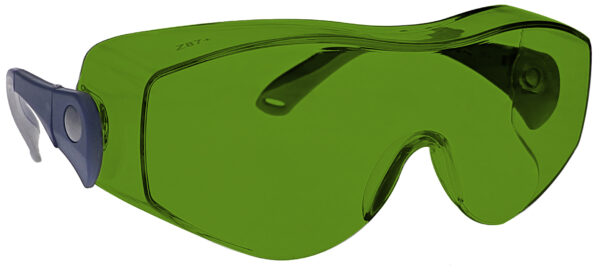
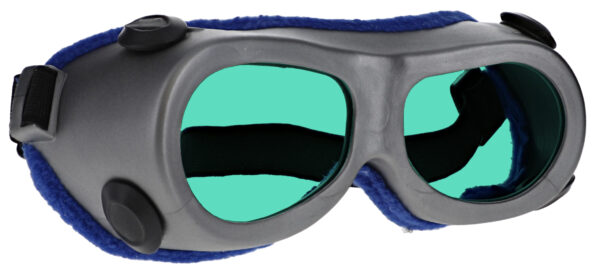
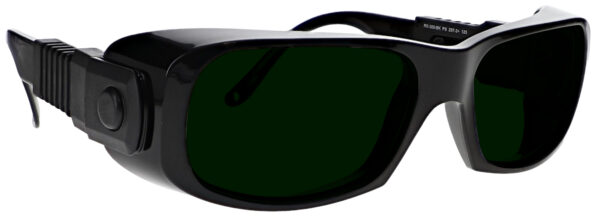
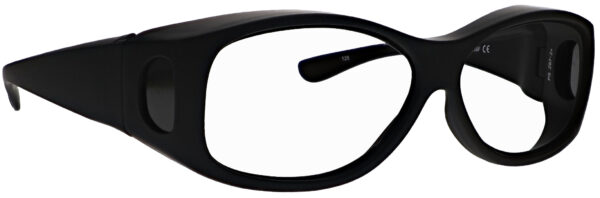
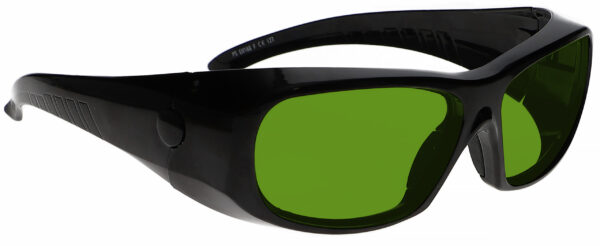
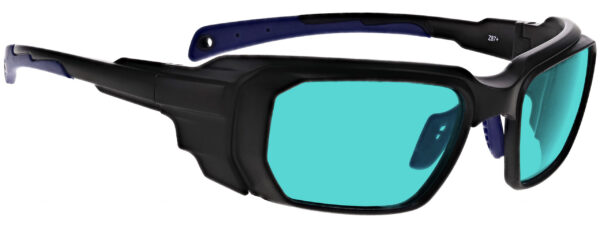
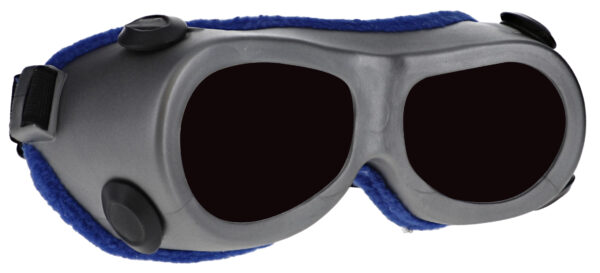
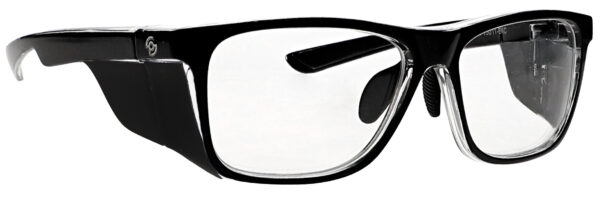
Matching the Right Goggles for Safe Laser Hair Removal

Laser hair removal is a popular cosmetic treatment that involves using a laser to target hair follicles and prevent future hair growth. While it is generally safe, there are some risks associated with the treatment, such as skin damage and eye injury. This is why it is important to use proper eye protection during laser hair removal.

When it comes to eye protection, not all goggles are created equal. Standard safety glasses or goggles may not offer enough protection against the specific wavelengths of light used in laser hair removal. Therefore, it is important to use goggles that are specifically designed for this purpose.

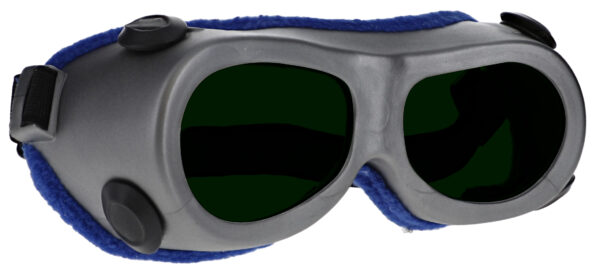
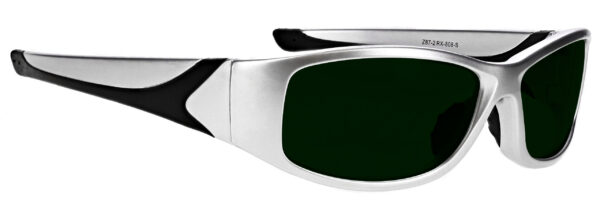
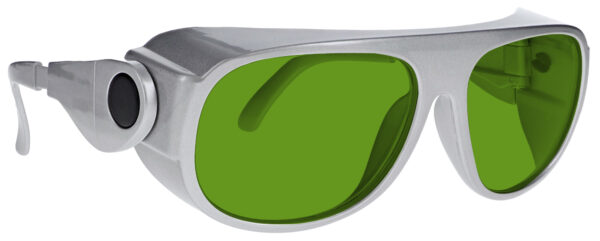
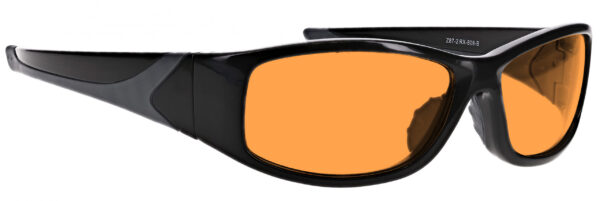
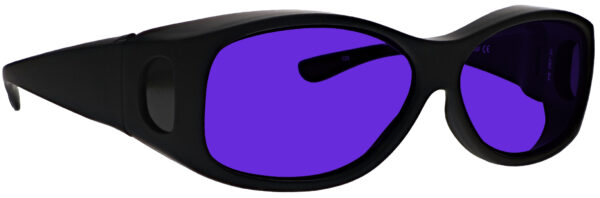
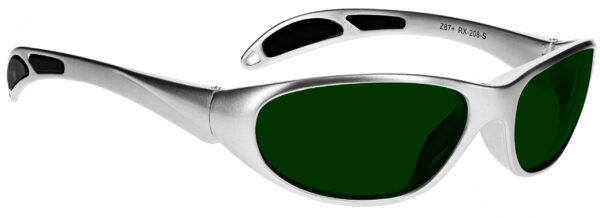
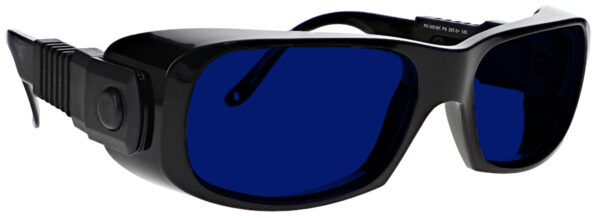
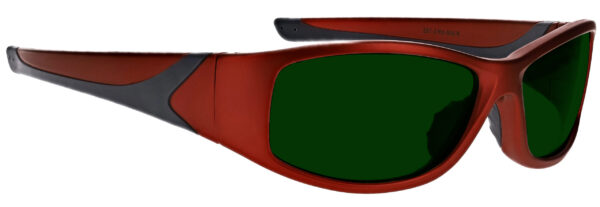
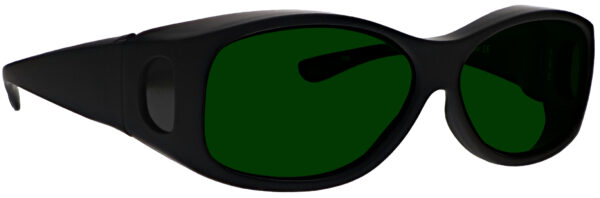
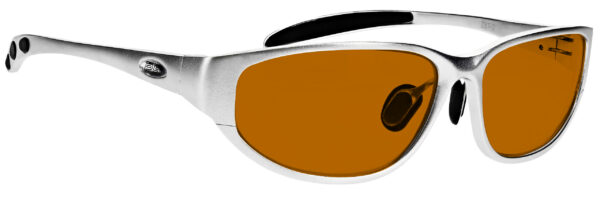
At Phillips Safety, we offer a range of laser safety glasses that are ideal for use during laser hair removal. Our IPL eye protection goggles are designed to block out specific wavelengths of light while still allowing you to see clearly. They are also comfortable to wear and fit securely, ensuring that they stay in place during your treatment.

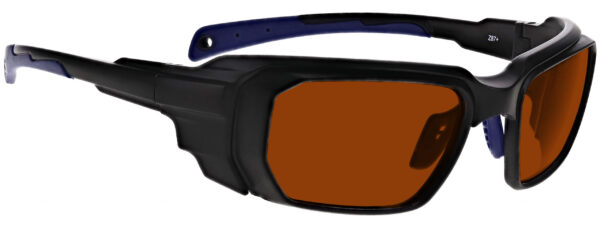
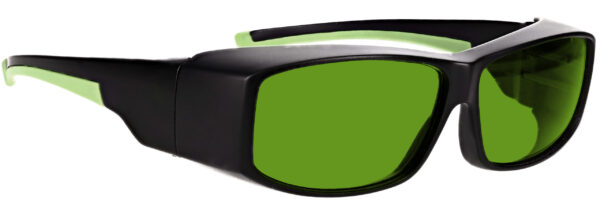
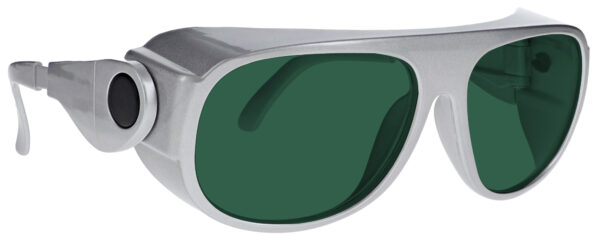
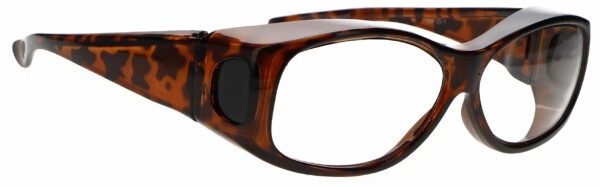
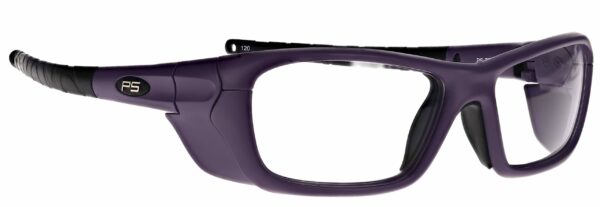
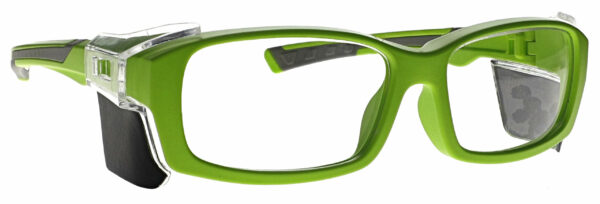
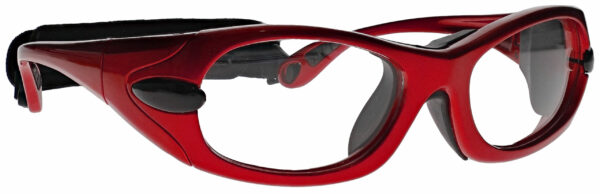
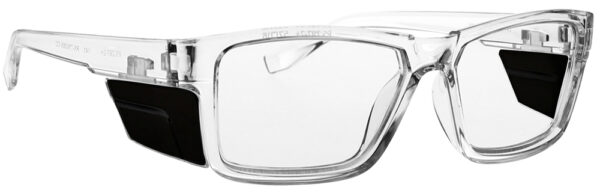
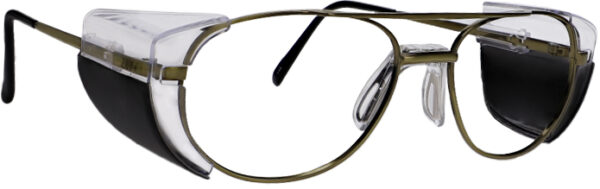
Our laser safety goggles are available in a variety of styles and colors to suit your preferences. Whether you prefer wraparound goggles or glasses with side shields, we have a style that will work for you. We also offer prescription laser safety goggles for those who need corrective lenses.

When choosing laser safety goggles for your laser hair removal treatment, it is important to select goggles that are appropriate for the specific type of laser being used. Our knowledgeable staff can help you determine which laser goggles are best suited for your treatment.

What type of laser safety glasses are worn during laser hair removal?

When choosing laser safety glasses for laser hair removal, it’s essential to select the right type for the specific laser being used. Different types of lasers are used for laser hair removal, and each requires a specific type of laser safety glasses. The most commonly used lasers for this procedure are Alexandrite, Diode, YAG, and even IPL glasses

Alexandrite lasers emit light in the 730-855nm wavelength range, while Diode lasers emit light in the 800-810nm range. YAG lasers emit light in the 1064nm range, while IPL lasers emit light at various wavelengths.

In order for safety goggles to be effective during laser hair removal, they also must have a Visible Light Transmission rating that is appropriate for the wavelength of the laser being used. The VLT rating indicates the amount of light that can pass through the goggles, and it is important that the goggles block enough light to protect the eyes from harm.

In other words, if the VLT rating of the safety goggles is too low, too much light can pass through, and the eyes may be damaged. If the VLT rating is too high, the goggles may be too dark to see through properly, making it difficult for the technician performing the procedure to see the area being treated.

For example, Alexandrite and Diode laser safety glasses should have a typical VLT of around 30% to protect against the 730-855nm and 800-810nm wavelengths, respectively. YAG laser safety glasses, on the other hand, should protect against 1064nm, although most models protect against 900-1,100nm, and have a VLT of around 60%. IPL laser safety glasses have no specific protection range, as they are designed to limit visible light and reduce the brightness of the light emitted by the IPL laser. Typically, they have a VLT of around 10%.

In conclusion, protecting your eyes during laser hair removal is essential to prevent eye injury and ensure a safe and successful treatment. By choosing the right laser safety goggles, you can enjoy the benefits of laser hair removal with confidence and peace of mind. Contact us today to learn more about our laser safety goggles and find the perfect pair for your needs. Our team of laser experts will make sure you get the right glasses to keep you safe and give you the best VLT for ease of work.

If you still aren’t sure which laser safety goggles are right for you, it’s a good idea to give us a call at 1-866-575-1307 or talk to us through our chat or e-mail us at service@phillips-safety.com

Our laser experts will be able to tell you what you need for your application.

SHOP LASER SAFETY GOGGLES

Clearer Imaging, Safer Practice: Explore Lead Markers at Phillips Safety

In the world of radiology and medical imaging, precision and safety are paramount. Radiologists and technicians rely on a range of tools and accessories to ensure accurate diagnoses and protect patients from unnecessary exposure to radiation. Among these essential accessories are lead markers, small but crucial items that play a significant role in improving image clarity and enhancing safety during radiographic procedures.

Lead markers are small markers typically made of lead or a lead-based material. These markers are placed on the edges of X-ray films or digital images to provide essential information about the imaging procedure and patient orientation. Let’s delve into the features and advantages of lead markers and explore the selection of high-quality lead markers offered by Phillips Safety.

FEATURES AND ADVANTAGES OF LEAD MARKERS

Lead xray markers play a vital role in enhancing image clarity in both X-ray films and digital images. Their lead-based composition ensures the production of sharp and clear markings, making critical information readily discernible to radiologists. This heightened visibility is crucial for accurate diagnoses and streamlined medical interpretations, ultimately benefiting patient care.

In addition to image clarity, lead markers offer a significant advantage in radiation protection. Leveraging the excellent radiation shielding properties of lead, these markers enable radiology professionals to minimize radiation exposure to patients. By reducing the need for retakes caused by inadequate image annotations, Pb lead markers contribute to safer practices in the field of medical imaging.

Beyond radiation protection, xray lead markers streamline the imaging process and improve workflow efficiency. They provide essential information, such as patient identification, left or right side indicators, anatomical markers, and positioning references. With these markers, radiologists can quickly and accurately interpret images, saving valuable time and ensuring precision in their diagnoses.

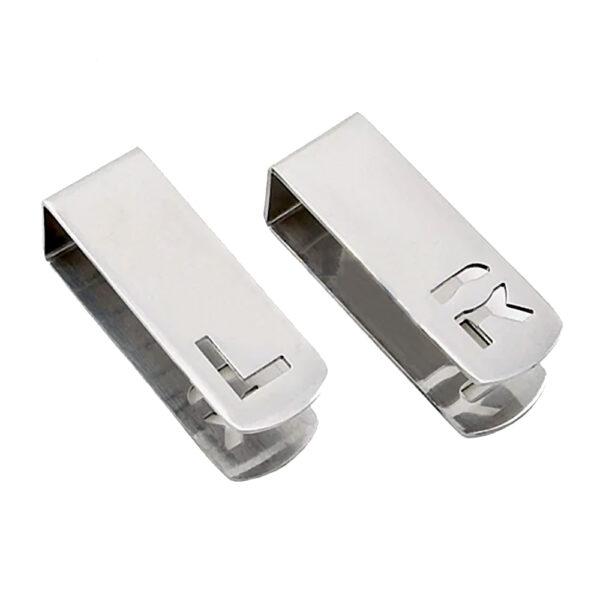
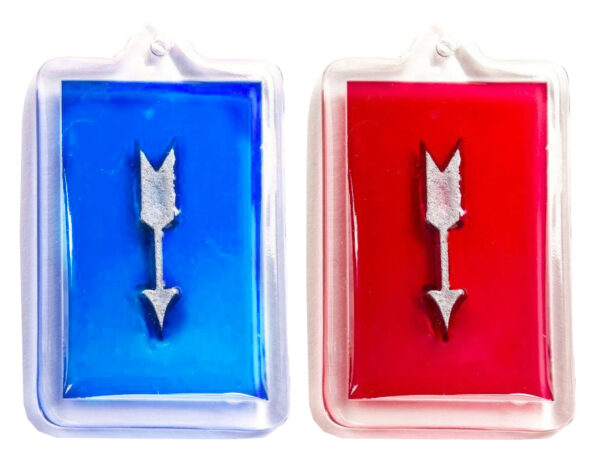
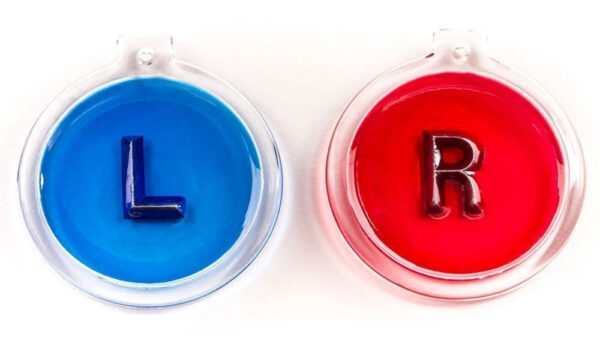
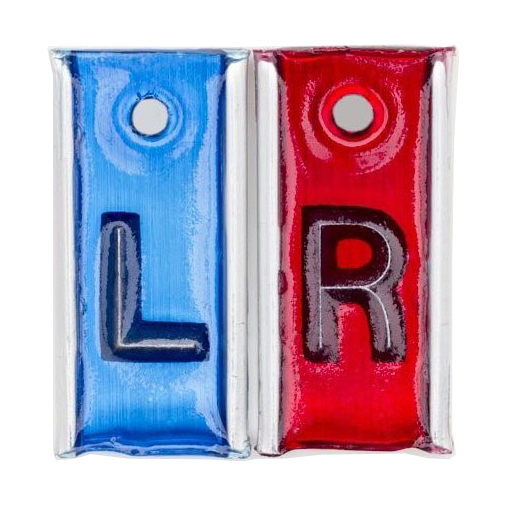
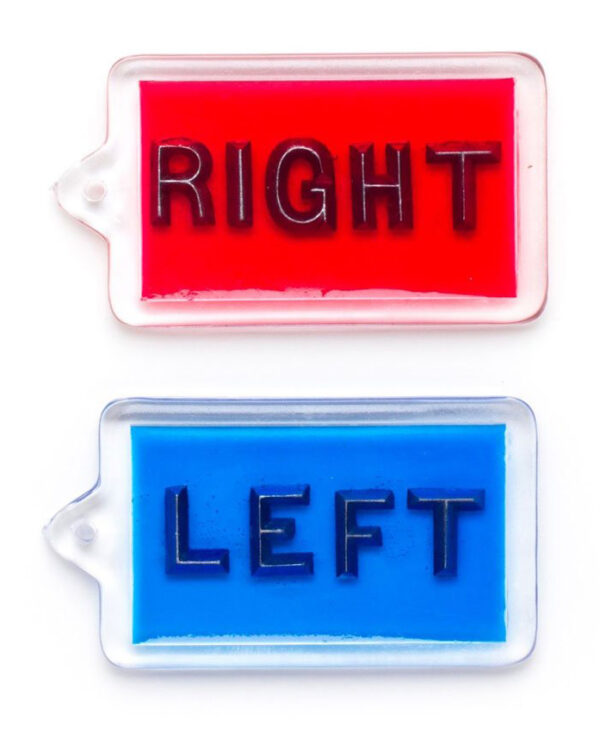
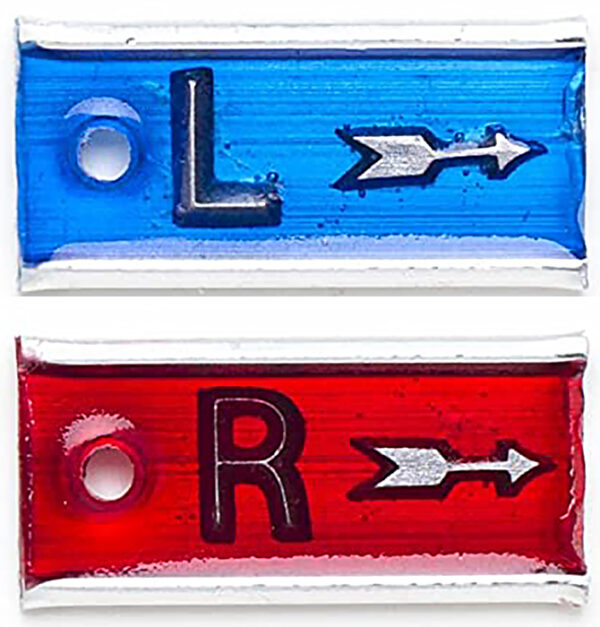
Phillips Safety stands at the forefront of offering a diverse array of lead markers, catering to various needs and preferences. Our extensive selection includes markers in different shapes and sizes, with the majority color-coded in blue or red for easy left and right side distinction. Moreover, the markers feature various symbols, such as arrows, L and R indicators, “left” and “right” labels, and initials with arrows, providing users with options for customization to suit specific imaging scenarios.

When it comes to clearer imaging and safer practice in radiology, lead letters for xray markers are indispensable accessories. Phillips Safety offers a diverse range of high-quality lead markers with features such as color-coding and various symbols, making them efficient and user-friendly for radiology professionals. By incorporating lead markers into their practice, radiologists and technicians can ensure accurate image annotations and improve patient safety.

If you’re looking to upgrade your radiology equipment and accessories, including lead markers, Phillips Safety is your go-to destination. Alongside lead markers, we offer a wide variety of radiation products designed to meet the needs of medical professionals. Visit our radiation collection today and explore the extensive range of products to enhance your radiology practice. Your patients and your team will thank you for it.

If you still aren’t sure which lead markers are right for you, it’s a good idea to give us a call at 1-866-575-1307 or talk to us through our chat or e-mail us at service@phillips-safety.com

Our experts will be able to tell you what you need for your application.

SHOP LEAD MARKERS

Protecting Your Eyes from DYH Laser with Laser Safety Glasses

Are you working with a Diode Yag Harmonics laser and concerned about eye safety? When working with DYH lasers, it’s crucial to prioritize safety by utilizing laser safety glasses specifically designed to block the emitted wavelengths. If your laser demands protection across a broader spectrum of wavelengths, our DYH laser safety glasses are a reliable choice. This ensures the safety of individuals handling or working in proximity to the laser, effectively safeguarding their eyes from the potential harm associated with laser exposure.

At Phillips Safety, we offer the DYH laser safety glasses that can provide the optimal protection that you need. Here’s what you need to know about these laser safety glasses:

PROTECTION RANGE: 

Our DYH laser safety glasses offer protection from 190-534nm at a minimum optical density (OD) of 5 or greater. Additionally, they provide protection from 830-1090nm at an OD of 5 or greater. For the 1064nm wavelength, the OD exceeds 7.

VISIBLE LIGHT TRANSMISSION: 

Semi-rimless safety glasses provide a balance between protection and aesthetics. They have a partial frame on the top, allowing for a broader field of vision. 

ANSI Z87.1 PLUS ANSI Z136.1 COMPLIANCE:

Our DYH laser safety glasses feature polycarbonate lenses and are compliant with ANSI Z87.1 plus ANSI Z136.1 safety standards. This ensures their quality, durability, and effectiveness in safeguarding your eyes.

With their high VLT, ANSI certification, and a wide range of frame choices, our DYH laser safety glasses provide comprehensive protection for those working with Diode Yag Harmonics lasers.

APPLICATIONS ACROSS INDUSTRIES:

DYH lasers are commonly used in various medical and industrial applications. Whether you’re in a medical setting or an industrial environment, our DYH laser safety glasses provide the necessary protection.

ADDITIONAL OPTIONS:

Beyond DYH laser safety glasses, we have an extensive selection of laser protection glasses to explore. If your laser requires safeguarding from a broader range of wavelengths distinct from DYH, browse through our wide range of options here. For instance, you may consider DH83 laser safety glasses and DFIU laser safety glasses.

When it comes to laser safety, there’s no compromise. Your eyes deserve the best protection available, and that’s exactly what you’ll find with Phillips Safety. With our extensive range of laser safety glasses, including our top-of-the-line DYH laser safety glasses, we are committed to providing unparalleled protection for professionals working with DYH lasers.

If you have any questions about DYH laser safety glasses or require guidance on the appropriate protection for your specific laser, please contact our customer service department or leave a comment below. Your safety is our priority. Stay safe!

If you still aren’t sure which laser glasses are right for you, it’s a good idea to give us a call at 1-866-575-1307 or talk to us through our chat or e-mail us at service@phillips-safety.com

Our experts will be able to tell you what you need for your application.

SHOP LASER SAFETY GLASSES

Laser Glasses for Cosmetic Work: Choosing the Best Pair for Your Needs

When it comes to work in a cosmetic laser spa or department, laser safety glasses are an indispensable part of ensuring both safety and efficiency. These glasses play a crucial role in safeguarding your eyes and protecting you from any harm caused by the laser. With cosmetic lasers commonly used for hair and vein removal, laser safety glasses come in various styles that cater to these specific applications.

If you’re operating a laser spa or cosmetic laser department and are unsure about which laser glasses to use, we’ve got you covered. Phillips Safety’s laser glasses are available in a wide variety of laser filters, some of which are specially designed for cosmetic laser work, providing optimal laser safety for your employees and clients. With our glasses, you can ensure that your cosmetic laser work is performed with precision and care while prioritizing the safety of everyone involved.

FROM ALEXANDRITE TO IPL: A GUIDE TO LASER SAFETY GLASSES FOR COSMETIC LASER WORK

The most commonly used lasers in cosmetic laser work are Alexandrite, Diode, YAG, Ruby, and Intense Pulsed Light (IPL) lasers, each requiring different laser safety glasses for their operation. If you’re on the lookout for reliable laser safety glasses for cosmetic laser work, Phillips Safety has many alternatives for you.

Since Alexandrite and Diode lasers emit light at similar wavelengths, they can both be shielded with the same type of laser safety glasses. Alexandrite/Diode laser safety glasses provide protection from 730-855 nm and typically have a visible light transmission (VLT) of approximately 30%. These glasses are ideal for use in cosmetic laser procedures such as hair or vein removal.

For hair or vein removal, YAG lasers are considered the most advanced option available. Laser safety glasses designed for these cosmetic lasers protect the eyes from 900-1100 nm wavelengths, even though the laser itself operates at 1064 nm. Typically, these glasses have a visible light transmission approaching 60%.

Ruby lasers are more commonly used for laser vein removal as they are for hair removal, and their usage is not as frequent as that of Alexandrite or Diode lasers. For Ruby lasers, laser safety glasses protect against wavelengths ranging from 692-714nm, with a VLT of 62%.

IPL lasers differ from true lasers as they emit intense light at various wavelengths, and protecting against them requires IPL laser safety glasses that block a portion of the visible light spectrum, rather than a specific range of light wavelengths. Generally, IPL glasses have a visible light transmission of around 10%.

ENSURING SAFE AND EFFICIENT COSMETIC LASER WORK

Before selecting laser safety glasses for your cosmetic laser, it is crucial to identify the specific type of laser being used in the procedure. This will help determine which laser safety glasses are required to ensure optimal safety and protection. These laser safety glasses come in various types, although most laser spas only use one laser system. As such, they require a specific type of laser safety glasses that correspond to their laser’s wavelength.

Whether you’re looking for stylish or professional frames or goggles, Phillips Safety has numerous options available. Popular styles of laser safety glasses that are also suitable for patients are also offered. If you’re unsure which laser safety glasses are best for your cosmetic laser, our laser experts are available to provide guidance on the perfect glasses that will keep you safe, comfortable, and productive.

If you still aren’t sure which laser safety glasses are right for you, it’s a good idea to give us a call at 1-866-575-1307 or talk to us through our chat or e-mail us at service@phillips-safety.com

Our laser experts will be able to tell you what you need for your application.

SHOP LASER SAFETY GLASSES

Where to Buy Laser Safety Glasses

Laser safety glasses are essential for anyone working with lasers. These safety glasses protect the eyes from the intense light that lasers emit, which can cause permanent damage to the eyes.

When purchasing laser safety glasses, it is important to consider several factors, such as the type of laser you are working with, the level of protection you need, and the number of employees you need to protect. 

In addition to considering these factors, finding the right place to purchase your laser safety glasses is just as important. With so many options available, it can be challenging to know where to turn. This blog post aims to provide you with tips on where to buy laser safety glasses and what to look for in a reputable seller.

Shop Online for More Options

While you may be able to find laser safety glasses at a medical supply store, shopping online gives you access to a wider range of options. Online stores often carry a variety of frame choices and filter options for each frame, allowing you to choose what works best for you based on VLT (visible light transmission), frame comfort and appearance, and lens material.

In addition to the wider range of options, shopping online for laser safety glasses is also convenient. You can browse and compare products from the comfort of your own home or office, without having to physically go to a store. This can save you time and hassle, especially if you have a busy schedule. Plus, online stores often offer competitive pricing and free shipping options, which can make your purchase more affordable.

Another advantage of shopping online for laser safety glasses is the ability to easily find and compare customer reviews. This can provide valuable insights into the quality and effectiveness of different products. You can also research the reputation of different online stores and ensure that you are buying from a reputable and reliable seller. With all these benefits, it’s clear that shopping online is the way to go when it comes to purchasing laser safety glasses.

Choose a Reputable Company

It’s essential to choose a reputable company that specializes in laser safety eyewear. Look for companies that manufacture their own glasses and filters and distribute them to medical resellers. This ensures that you’re getting high-quality, reliable products.

At Phillips Safety, we specialize in laser safety eyewear for both common and rare or unique lasers. We manufacture a variety of laser filters and glasses, which are distributed to medical resellers all over the country. Our online store gives you access to a wide range of options, and we can create custom filters and combinations of filters to meet your specific needs.

Not only do we specialize in laser safety eyewear for both common and rare or unique lasers, but our company does the assembly and manufacturing of a variety of laser filters and glasses which are distributed to medical resellers all over the country. With us, you are getting it directly from the source.

Specialty Laser Safety Glasses

We also carry a range of specialty laser safety glasses to accommodate various types of lasers. Our options include wraparound, goggle, and standard glasses-style frames made from glass and polycarbonate lens materials. We also offer ANSI and CE-approved eyewear, glasses in flat glass for specialized applications, and combination filters. At Phillips Safety, we have the right laser safety glasses to suit your needs.

In conclusion, buying laser safety glasses requires knowledge of your laser and protection needs, as well as consideration of style and comfort. Shopping online gives you access to a wider range of options, and choosing a reputable company ensures you’re getting high-quality, reliable products. At Phillips Safety, we have everything you need to ensure the safe operation of your laser.

Whether you need glasses for a new laser or need to outfit multiple employees with the right gear, we are here to help. Shop our online store or give us a call to learn more about our laser safety glasses and how we can help you stay safe while working with lasers.

If you still aren’t sure which laser glasses are right for you, it’s a good idea to give us a call at 1-866-575-1307 or talk to us through our chat or e-mail us at service@phillips-safety.com

Our laser experts will be able to tell you what you need for your application.

SHOP LASER SAFETY GLASSES

Didymium Safety Glasses

Looking for safety glasses for use with soft glass?

Didymium Safety Glasses

Didymium safety glasses are known by a lot of names: rose didymium, rose glass, ACE, ACE 202, Phillips 202, even “purple glass,” but these all refer to the same didymium lenses.Didymium safety glasses protect your eyes from harmful UV rays and sodium flare, both of which are associated with torch work when bead making and silver soldering.Sodium flare is emitted by soft glass as well as borosilicate glass (pyrex) during torch work, but borosilicate releases IR in addition to UV and sodium flare. If you are working with both types of glass, you can use a green shade 2, 3, or 5 plastic clip-on flip-up to augment your didymium safety glasses. Our Green Ace Shade 3 and 5 work best for those doing torchwork exclusively with borosilicate or pyrex (scientific) glass.

If you’re shopping for didymium safety glasses, here’s what you need to know:

  • Didymium safety glasses are known as rose glass, rose didymium, ACE, Phillips Ace 202, and purple glass. These are all the same thing.
  • Didymium safety glasses protect you from UV radiation and sodium flare caused by beadmaking and silver soldering as well as other torchwork with soft glasses.
  • Didymium safety glasses will not protect you from IR emitted during torch work with borosilicate (pyrex; scientific) glass and during kiln observation. For these and other situations involving IR, you should augment your didymium glasses with plastic green IR clip-on flip-ups.
  • Didymium safety glasses are available in wraparound, prescription, standard, economy, and several other frame types.
  • Didymium safety glasses are also available with plastic lenses (traditionally, they are glass) and in plastic clip-on flip-ups.

If you are doing any type of torchwork with soft glass or silver soldering, didymium safety glasses are for you.

Didymium safety glasses are found in most art glass shops and many other artists’ shops. If you are working with any type of soft glass, you probably have a use for these safety glasses.If you have any questions about didymium safety glasses or what type of safety glasses you need for your work, give us a call or leave a comment below. There are those working in neon lighting who use didymium safety glasses, as well as a few other special needs that didymium safety glasses fill. We’ll let you know which safety glasses are best for you. Thanks for reading, and stay safe!

Radiation Safety for Fluoroscopy

Need a pair of radiation safety glasses for fluoroscopy? In the fast-paced environment of medical procedures, it’s easy to overlook the long-term effects of repeated exposure to radiation, particularly for professionals working with fluoroscopy. The necessity of radiation safety glasses in this field cannot be overstated. These specialized glasses, equipped with lead lenses, serve as a crucial barrier against the potentially harmful x-ray radiation emitted by fluoroscopy machines. Not only do they safeguard against immediate risks, such as cataracts—a known consequence of prolonged exposure—but they also mitigate the cumulative effects of radiation, preserving eye health over a practitioner’s career.

In this article, we delve into the significance of radiation safety for fluoroscopy, outlining the key benefits and considerations surrounding the use of protective eyewear. Whether you’re a seasoned specialist or a novice practitioner, prioritizing your ocular health is paramount in maintaining a safe and sustainable career in medicine.

Fluoroscopy and Radiation Safety

Safety glasses for fluoroscopy have lead in the lenses to attenuate, or absorb, the dangerous x-ray radiation that is emitted by these life-saving machines.

If you are a doctor working in fluoroscopy, it is very important that you wear radiation safety glasses. Radiation safety for fluoroscopy protects you from potentially debilitating health risks which are associated with a career’s worth of exposure to x-ray radiation from working in fluoroscopy.

If you are a heart specialist or another health professional working in fluoroscopy, you should know that early-onset cataracts has been associated with repeated use of a fluoroscope, even in patients with no family history of cataracts. The result can be the need for surgery and possibly even permanent damage to the eyes that could ultimately end a career in medicine.

If you’re wondering whether you should wear radiation safety glasses for fluoroscopy, here’s what you need to know:

eye-icon

Radiation safety glasses reduce or eliminate your risk of developing cataracts from working with a fluoroscope by attenuating the x-ray radiation your eyes would otherwise be exposed to.

Radiation safety for fluoroscopy is important because, even though fluoroscopes emit a small amount of radiation, x-ray radiation exposure is cumulative and can have long-term effects. This is even (or especially) true for doctors who, after decades of work without eyewear, have had no eye problems.

radiation-symbol-icon
safety-glasses-front-icon

Radiation safety glasses, or x-ray safety glasses, are available in a variety of frame types to ensure that you can get a pair that is comfortable and useful to you.

Our radiation safety lenses are made of Schott SF-6 radiation safety glass, which offer 0.75mm Pb equivalency and the clearest glass on the market, totally free of defects and imperfections.

0.75mm-pb-icon
prescription-icon

We make prescription radiation safety glasses for fluoroscopy in our own in-house prescription optical lab. If you need prescription x-ray safety glasses, we can make them for you.

If you’re wondering whether you should wear radiation safety glasses for fluoroscopy, here’s what you need to know:

eye-icon

Radiation safety glasses reduce or eliminate your risk of developing cataracts from working with a fluoroscope by attenuating the x-ray radiation your eyes would otherwise be exposed to.

radiation-symbol-icon

Radiation safety for fluoroscopy is important because, even though fluoroscopes emit a small amount of radiation, x-ray radiation exposure is cumulative and can have long-term effects. This is even (or especially) true for doctors who, after decades of work without eyewear, have had no eye problems.

safety-glasses-front-icon

Radiation safety glasses, or x-ray safety glasses, are available in a variety of frame types to ensure that you can get a pair that is comfortable and useful to you.

0.75mm-pb-icon

Our radiation safety lenses are made of Schott SF-6 radiation safety glass, which offer 0.75mm Pb equivalency and the clearest glass on the market, totally free of defects and imperfections.

prescription-icon

We make prescription radiation safety glasses for fluoroscopy in our own in-house prescription optical lab. If you need prescription x-ray safety glasses, we can make them for you.

If you are working in fluoroscopy without radiation safety glasses, we urge you to consider radiation safety for fluoroscopy where your eyes are concerned. Most doctors wear leaded gloves, aprons, thyroid collars, and other equipment during fluoroscope procedures. Additionally, personnel in the room not involved with the operation often stand behind leaded shields to protect themselves from radiation. Why shouldn’t you protect your eyes, arguably your most valuable sense and one of your most amazing organs? Radiation safety for fluoroscopy is essential and something that should not be overlooked. If you have any questions about radiation safety, what you can do to protect yourself, or what we have to offer as far as eyewear, dont hesitate to contact us!

If you still aren’t sure which radiation glasses are right for you, it’s a good idea to give us a call at 1-866-575-1307 or talk to us through our chat or e-mail us at service@phillips-safety.com

Our experts will be able to tell you what you need for your application.

SHOP RADIATION GLASSES

Lead Glasses Buying Guide: What to Consider for Optimal Eye Protection

When it comes to protecting your eyes from radiation, lead glasses are a crucial safety accessory. Whether you work in medical imaging, radiology, or any field that involves exposure to harmful x-ray radiation, selecting the right lead glasses is essential. 

At Phillips Safety, we understand the importance of finding the perfect pair that offers both optimal protection and personal comfort. In this guide, we’ll explore the key factors to consider when selecting lead glasses to ensure you make an informed decision.

Protection Level:

All leaded eyewear available at Phillips Safety offers a consistent 0.75mm lead equivalency, effectively attenuating harmful x-ray radiation. It’s important to note that while some manufacturers may offer lower levels of protection, our store exclusively stocks eyewear that meets this high standard of radiation shielding.

Factors to Consider:

Weight: While larger lenses may seem appealing, remember that the weight of the glasses increases with size. Prioritize the protection of your eyes and choose a frame that strikes a balance between size and comfort.

Sizing: Pay attention to the frame sizing and select a pair that fits securely without sliding off. Finding the right fit is essential for both protection and comfort.

Comfort: Since you may wear your lead glasses for extended periods, prioritize ergonomics and lasting comfort. Ensure the glasses sit comfortably on your nose and ears, reducing any potential discomfort or fatigue.

Color: Opt for lead glasses with a color that suits your work environment. Feeling confident and comfortable while wearing your glasses is crucial for compliance.

Durability: Choose lead eyewear frames that are built to last. Investing in a durable pair of glasses ensures long-term use without the need for frequent replacements.

Side Protection: Confirm that your lead glasses have either wraparound lenses or lead side shields to provide appropriate protection from all angles.

Prescriptions: If you wear prescription glasses, consider either getting a pair of prescription lead glasses or fitover lead glasses designed to be worn over your existing eyewear. Your vision should never be compromised when it comes to radiation safety.

In Conclusion:

Selecting radiation safety glasses requires careful consideration of various factors to ensure the optimal combination of protection and comfort. At Phillips Safety, we prioritize your safety and offer a wide range of lead glasses that meet the highest standards. 

Don’t take any risks when it comes to your eyesight. Invest in radiation glasses that are not only functional but also comfortable, durable, and visually appealing. If you have any questions or need further guidance, please feel free to ask in the comments below. Your safety is our priority. Stay protected, stay safe!

If you still aren’t sure which leaded glasses are right for you, it’s a good idea to give us a call at 1-866-575-1307 or talk to us through our chat or e-mail us at service@phillips-safety.com

Our Radiation experts will be able to tell you what you need for your application.

SHOP RADIATION GLASSES

Visible Light Laser Safety Glasses

If you are trying to protect yourself from visible light lasers, visible light laser safety glasses are what you need. Laser safety glasses that protect from invisible or UV light tend to be much lighter in color and offer a more extensive range of protection. Still, they usually do not block wavelengths in the visible spectrum (roughly between 400 and 700nm wavelengths of light). On the other hand, visible light laser safety glasses protect from lasers that operate in the visible spectrum. Because of this, they tend to have a darker lens color to protect you against these lasers. 

THE CORE FEATURES OF VISIBLE LIGHT SPECTRUM LASER SAFETY GLASSES

  • Visible light laser safety glasses protect from laser beams within the visible spectrum, roughly between 400nm and 700nm wavelengths of light.

  • Visible light laser safety glasses are never clear because if they were, they wouldn’t be protected from visible beams!

  • Laser safety glasses for visible light are the opposite color of the beam they protect against. This is directly from the principles of what a “color” really is: if it reflects or transmits a specific color, it will appear to be that color. If it absorbs a color, that color will NOT appear through or reflected from the material.

  • Laser safety glasses that protect from blue light are generally red.

  • Laser safety glasses that protect from red light will generally be blue or green.

  • Laser safety glasses that protect from colors in the middle of the visible spectrum, such as yellow beams, will generally be dark purple or brown.

  • Visible light transmission (VLT) is correlated roughly with how much protection you have in the visible spectrum. The more wavelengths you protect from, the higher the optical density (OD) and the darker the lenses will be.

laser-wavelength-icon
IDENTIFY THE
LASER'S WAVELENGTH

To choose the right safety glasses, you must know your working laser’s specific wavelength(s).

laser-icon
CHOOSE THE
APPROPRIATE OD

Ensure the glasses have a high enough OD for the laser’s power output. This should be printed on the side of the laser machine or in the Laser Operating Manual.

comfort-icon
‎‎‎‎‎‎‎‎ㅤ
COMFORT AND FIT

Since you might be wearing these glasses for extended periods, choose a comfortable, well-fitting pair that doesn’t interfere with your vision or work.

lens-icon
‎‎‎‎‎‎‎‎ㅤ
LENS COLOR

The color of the lens can affect color perception and visibility. Ensure the lens color is suitable for your work environment and tasks.

certifications-icon
CERTIFICATION
AND STANDARDS

Look for glasses that meet international safety standards, such as ANSI Z136 in the United States or EN207/EN208 in Europe, ensuring adequate protection against laser exposure.

Laser safety glasses for visible light lasers are necessary for personal protective equipment for individuals working with or in the same room as these lasers. By understanding and adhering to the specifications and safety standards, you can protect your eyes from potential harm while ensuring you can perform your work effectively and safely. If you have any questions about laser safety glasses or goggles or visible light laser safety glasses, please get in touch with our team of laser safety specialists.

If you still aren’t sure which laser safety glasses are right for you, it’s a good idea to give us a call at 1-866-575-1307 or talk to us through our chat or e-mail us at service@phillips-safety.com

Our experts will be able to tell you what you need for your application.

SHOP LASER SAFETY GLASSES

What to Wear During Fluoroscopy

Fluoroscopy is a crucial medical imaging technique that grants real-time visualization of internal structures using X-rays. While immensely valuable diagnostically, it also poses risks due to radiation exposure, not just to patients but also to the technicians performing the procedure. Ensuring adequate protection through appropriate attire and gear is paramount in minimizing these risks.

Understanding Radiation Exposure

Unlike conventional X-ray imaging, fluoroscopy involves prolonged exposure to radiation, elevating the absorbed dose for both patients and technicians. Therefore, investing in radiation protective wear is indispensable for those involved in conducting these procedures.

Essential Protective Gear

Lead Apron: A lead apron is the cornerstone of radiation protection attire for fluoroscopy technicians. Its dense material effectively shields against harmful radiation, safeguarding vital organs from potential damage.

Thyroid Shield: Given the proximity of the thyroid gland to the radiation source, wearing a leaded thyroid shield is imperative. This specialized gear provides targeted protection to this sensitive area, reducing the risk of radiation-induced thyroid disorders.

Lead Gloves: Hands are particularly vulnerable to radiation exposure during fluoroscopy procedures. Lead gloves offer crucial protection, preventing radiation from penetrating through the skin and causing harm.

Leaded Eyewear: Eyes are highly susceptible to radiation damage. Hence, wearing leaded eyewear is non-negotiable for fluoroscopy technicians. These specialized glasses effectively block radiation, shielding the eyes from potential harm.

When it comes to outfitting your medical facility with radiation protection gear, Phillips Safety Products stands out as a trusted provider offering a comprehensive range of high-quality products:

Phillips Safety Products offers an extensive selection of radiation-blocking eyewear, including metal frames, plastic frames, wrap-around frames, and more. With CE-approved options available, you can ensure compliance with European safety standards.

These innovative barriers feature leaded windows mounted on rolling frames, providing on-the-go protection wherever it’s needed. Available in various sizes, they offer versatility without compromising safety.

Custom-made radiation shielding glass tailored to your specifications ensures optimal protection while maintaining clarity for effective visualization during procedures.

Organizational accessories such as apron and coat racks streamline workflow and ensure the proper storage of radiation protection equipment. Additionally, lead markers facilitate precise imprinting on X-ray images, enhancing diagnostic accuracy.

Conclusion

In the realm of fluoroscopy, prioritizing radiation safety is paramount for both patients and healthcare professionals. Equipping technicians with adequate protective gear not only mitigates the risks associated with radiation exposure but also fosters a culture of safety within the medical facility. With Phillips Safety Products’ comprehensive range of radiation protection solutions, you can uphold the highest standards of safety and ensure optimal outcomes for all involved.

If you still aren’t sure which radiation safety products are right for you, it’s a good idea to give us a call at 1-866-575-1307 or talk to us through our chat or e-mail us at service@phillips-safety.com

Our experts will be able to tell you what you need for your application.

SHOP RADIATION SAFETY PRODUCTS

Welding Vision: Auto Darkening vs Passive Lens Choices

Choosing the right eye protection is paramount in welding, where the intensity of light and potential hazards demand careful consideration. When it comes to selecting between auto darkening and passive welding lenses, understanding their differences is crucial. This guide aims to shed light on the considerations between auto darkening and passive welding lenses, aiding in a well-informed decision that prioritizes safety, efficiency, and cost-effectiveness.

Auto darkening vs passive lenses

What is the difference between auto darkening and passive welding lenses?

The obvious difference is that auto-darkening welding lenses get dark as soon as you start your torch and turn clearer when the torch isn’t in use, while passive lenses are made of a colored glass and don’t change colors. There are positives and negatives to both types of eyewear. Auto-darkening lenses are obviously more convenient than standard passive glass welding lenses. While wearing auto darkening lenses, you do not need to take your helmet off to see your work. Passive welding lenses, on the other hand, are generally more optically clear (giving you better vision while torching) and much cheaper than auto-darkening lenses. Glass welding lenses are easily replaced and discarded because they’re cheap, and you still get better vision with them.

Auto darkening lenses

◼ Instant adjustment to darkness levels upon torch activation.

◼ Revert to clarity when torch is not in use.

◼ Eliminate the need to lift the helmet for visibility.

◼ Offer unparalleled convenience during welding tasks.

passive lenses

◼ Consist of tinted glass maintaining a constant shade.

◼ Generally provide superior optical clarity.

◼ Enhance vision during welding tasks.

◼ More cost-effective compared to auto-darkening lenses.

◼ Easy replacement and disposal due to affordability.

Choosing the Right Welding Lens

Wondering what kind of welding eye protection to get? If you’re having trouble deciding between auto darkening vs passive welding lenses, here’s what you should know:

  • Experienced welders should have no problem with passive lenses, but new welders may find that they have bad starts with their welds because they cannot see the electrode / tip of the torch when they’re starting the weld.
  • Auto darkening welding helmets are generally slightly less optically sound compared to some of the German glass passive welding lenses on the market today.
  • Unless you invest in an adjustable shade auto darkening helmet, you are typically stuck with a shade 10 darkness while welding and a shade 3 or 4 darkness when not welding. Passive welding lenses can be swapped out, so you can have as many shades as you need right at your fingertips.
  • Many lead welding companies do not use passive welding helmets because they commonly cause repetitive stress injuries. These come from the motion of snapping the helmet down, which requires a flick or nod of the head.
  • Passive welding lenses have withstood the test of time and are still widely used in all welding and manufacturing industries.
  • Passive welding lenses are cheap and easy to replace, whereas auto darkening helmets are expensive to replace if damaged.

As a welder deliberating between auto darkening and passive welding lenses, rest assured, you’re not alone. Numerous individuals delve into this subject online daily.

PS-VERTICAL_1-blog-banner-auto-darkening-vs-passive

Hopefully this guide helps you decide which welding lens type to purchase for the type of welding you do. It is always important to consider safety, working environment, and cost factors when deciding between auto darkening vs passive welding lenses. If you have any questions about welding helmets, welding lenses, or what type of helmet is right for you, please don’t hesitate to contact us. As always, thanks for reading, and stay safe!

If you still aren’t sure which welding lenses are right for you, it’s a good idea to give us a call at 1-866-575-1307 or talk to us through our chat or e-mail us at service@phillips-safety.com

Our experts will be able to tell you what you need for your application.

SHOP WELDING LENSES

Prism Glasses: A Must-Have for Your Bucket List

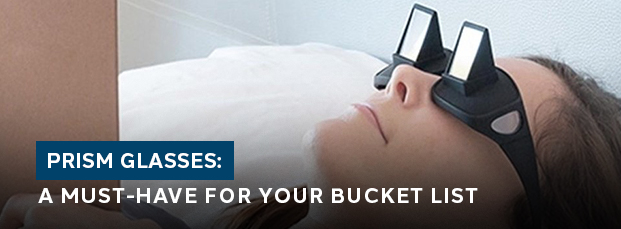
Have you ever heard of Prism Glasses? Also known as MRI Glasses, these innovative glasses utilize the same principle as a periscope, using a prism mirror to reflect an image and invert it so that it appears right-side-up to the viewer. The prism mirrors are mounted on the glasses’ frames, allowing the wearer to see clearly at a 90-degree angle.

Prism glasses are perfect for anyone who suffers from mobility limitations, back issues or wants to prevent neck and eye strain. They are an affordable and proactive method to prevent neck cramps and back spasms that often occur while reading or watching television in bed. 

Prism glasses also work to alleviate neck and eye strain by allowing the wearer to read or watch television without propping their head up at a strange angle. They are a fantastic addition to any bucket list, providing a unique and exciting experience. Imagine lying in bed, watching a movie, or reading a book with ease and without any discomfort.

Moreover, since prism glasses are non-magnetic, they can be perfectly used to alleviate the feeling of claustrophobia that many people experience while taking an MRI. 

Our Prism glasses come in two different models to suit your taste and needs. They are an ideal choice for anyone who wants to enjoy reading, watching television, or using a computer comfortably while lying down. Moreover, they are an excellent option for those who have a medical condition or limited mobility that restricts their ability to move around easily.

Adding prism glasses to your bucket list is a smart decision for several reasons. Firstly, they are a practical item that will improve your quality of life. Secondly, they are a unique and exciting item to check off your list. Lastly, prism glasses will add a sense of adventure to your bucket list, allowing you to try new and exciting things.

In conclusion, whether you are suffering from mobility limitations or want to prevent neck and eye strain, prism glasses are an excellent choice. If you frequently read or watch television in bed, prism glasses are a surprisingly affordable option for bunched pillows and a proactive method of heading off neck cramps or back spasms. So, add prism glasses to your bucket list and start experiencing the many advantages that they offer!
If you still aren’t sure which MRI Glasses are right for you, it’s a good idea to give us a call at 1-866-575-1307 or talk to us through our chat or e-mail us at service@phillips-safety.com

Our medical safety experts will be able to tell you what you need for your application.

SHOP PRISM GLASSES

Why Do We Have to Use Laser Safety Glasses?

As technology continues to advance, lasers have become a crucial tool in a variety of industries. From industrial and academic research to medical applications, lasers are an important part of our lives. However, these powerful beams of light can be dangerous if not handled properly. This is why laser safety glasses are an essential tool for anyone working with lasers.

Understanding Why Laser Safety Glasses Are Essential

The primary purpose of laser safety glasses is to protect the eyes from harmful laser beams and scattered laser radiation. The lenses in laser safety glasses are designed to filter the wavelengths of light that the laser produces while allowing as many other wavelengths as possible through the lens. This means that the glasses are colored or clear depending on the laser type being used.

If you work with lasers, chances are you have had to wear laser safety glasses at some point in your career. In fact, if you are in an area where a laser could potentially harm your eyes or even permanently blind you, you are required to wear laser safety glasses. These precautions are necessary to ensure that you do not suffer permanent vision damage.

It’s important to note that laser safety glasses are required in certain areas even when the beam is not capable of coming in contact with your eyes. This is because reflected beams and scattered laser radiation can still cause serious and permanent harm to your eyes, even if they are not visible.

Even with all the precautions that facilities put in place to keep their workers safe from their lasers, there are still cases of people being injured and blinded by lasers every year. Wearing laser safety glasses is essential to the safe and healthy operation of a dangerous laser. Ignoring the precautions laid out for your safety could result in permanent injury or blindness.

The retina is an extremely sensitive and easily-damaged area of tissue on the human body, and only laser safety glasses can ensure its protection during a laser accident. It takes most lasers a small fraction of a second to do permanent damage to your retina. Our sense of sight is our most-used sense as human beings, and losing vision is one of the most debilitating injuries that a human being can face.

In conclusion, laser safety glasses are an essential tool for anyone working with lasers. They protect the eyes from harmful laser beams and scattered laser radiation that could potentially cause permanent vision damage. Even if you are in an area where the beam is not capable of coming in contact with your eyes, reflected beams and scattered laser radiation can still cause serious and permanent harm. Ignoring the precautions laid out for your safety could result in permanent injury or blindness. Always be sure to practice responsible laser safety and wear your laser safety glasses whenever they are required.

At Phillips Safety, we offer a vast selection of laser safety glasses, including customized options and specialty glasses, to provide the necessary protection for your unique situation. Whether you need glasses for a new laser or need to outfit multiple employees with the right gear, we are here to help. Shop our online store or give us a call to learn more about our laser safety glasses and how we can help you stay safe while working with lasers.

If you still aren’t sure which laser glasses are right for you, it’s a good idea to give us a call at 1-866-575-1307 or talk to us through our chat or e-mail us at service@phillips-safety.com

Our laser experts will be able to tell you what you need for your application.

SHOP LASER SAFETY GLASSES

Gold-Coated – The Gold Standard of Welding Lenses

Many activities call for the use of proper eye protection. Nowhere is this more prevalent than in welding. In dealing with flying sparks, bits of molten slag jumping up from the work area, and the intensely bright light of the arc, welders need to protect their eyes from both debris and damaging radiation.

GOLD COATING ON WELDING LENSES

Welding helmets cover your face and provide eye protection by utilizing special protective lenses. As in the eyeglass industry, lenses are available in both plastic and glass. And just as some sunglasses are tinted to absorb light and others mirrored or polarized to reflect light, welding lenses are available either in various colors or coated in a mirrored gold finish.

Colored lenses absorb incoming light but do not absorb all frequencies equally, and can distort colors. Gold lenses reflect rather than absorb light. They restrict light from passing through the lens and give you a truer color palette. Both types will prevent damaging levels of UV light from reaching your eyes, so usage generally amounts to a matter a personal preference.

Our athermal gold lenses are made of the highest quality glass by Schott, the renowned German manufacturer. They offer high optical quality, dimensional stability, resistance to radiation, and are scratch resistant. They reflect 90% of infrared radiation (radiated heat), greatly reducing the heat to which a welder’s eyes are exposed. For convenience and variety, our gold-coated lenses are available in shades 9, 10, 11, 12, and 14, and in two sizes: small (2” x 4.25”) and large (4.5” x 5.25”).

GOLD COATED VS. ALLOWELD GOLD COATED

Phillips Safety offers both gold coated welding lenses and AlloWeld gold coated glass welding lenses, each with unique features tailored to meet the diverse needs of welders.

Manufactured from High-Grade European Welding Glass: Phillips Safety Products’ Gold Coated Welding Lenses are crafted from top-quality European welding glass, known for its exceptional clarity and durability.

Pure Gold Mirror Coating: These lenses are then coated with a pure gold mirror coating, enhancing their durability and ensuring clarity even after prolonged use.

Composite Lens Technology: The AlloWeld Gold Coated Welding Lens is a composite lens that combines the IR and UV protection of standard gold-coated green welding glass with special flare-reducing and contrast-enhancing earth metals.

Improved Vision: By reducing the harsh yellow flare common in most welding procedures, the AlloWeld Gold Coated Lens enhances vision, practically eliminating the arc during welding and allowing welders to see the weld puddle and their work clearly.

We know our Schott lenses are a superior product, but don’t just take our word for it. Read some excerpts from comments left by our satisfied customers:

“I have used athermal gold lens[es] for over 10 years. The clearest lens I have ever found. No distortion or double images.”

– J. Smith

“What an awesome product! The visibility and clarity is great!”

– C. Fraser

“These gold glass athermal lenses are great! They are very clear and [offer] high visibility…thanks, Phillips, for supplying these. I have Googled these lenses and you are the only web site I can find.”

– A. Johnson

CUSTOMER FEEDBACK

Visit our website to read more about our gold-coated welding lenses. To the serious welder, these could be worth their weight in gold.

If you still aren’t sure which gold welding lenses are right for you, it’s a good idea to give us a call at 1-866-575-1307 or talk to us through our chat or e-mail us at service@phillips-safety.com

Our experts will be able to tell you what you need for your application.

SHOP GOLD WELDING LENSES

Shades of Protection: A Guide to Choosing the Right Shade for Your Welding Safety Glasses

If you work with welding equipment, it’s essential to wear appropriate protective gear, including welding safety glasses. But with different types of welding processes producing various levels of light and radiation, it can be challenging to determine which shade of lens is suitable for your tasks.

Welding safety glasses come in a range of shades, from clear to very dark. The shade number indicates the degree of darkness of the lens, with higher numbers indicating darker lenses. The American National Standards Institute (ANSI) and the Occupational Safety and Health Administration (OSHA) provide guidelines on the recommended shade number for specific welding processes.

IMPORTANT FACTORS TO CONSIDER WHEN CHOOSING WELDING SAFETY GLASSES

Before purchasing any lenses or glasses for torching, ensure they provide the necessary infrared (IR) protection. Since most torches emit harmful IR radiation, green lenses are ideal for protecting your eyes.

Your choice of shade will depend on your torch and personal preferences. While different individuals may use varying shades for the same torch, the shades will generally be in the same range.

Once you have a shade to start with, it’s essential to test it out and see if it suits your needs. Many people try a few different shades before settling on the one that works best for them. Don’t hesitate to experiment until you find the perfect shade.

It’s important to note that the shade number recommendations are not absolute, and other factors can influence the selection of welding safety glasses. For instance, if you have sensitivity to light or a pre-existing eye condition, you may require a darker shade lens than what’s recommended for the welding process.

GREEN LENSES VS COBALT BLUE LENSES: WHICH ONE IS RIGHT FOR YOU?

Welding green lenses and welding cobalt blue lenses are both options for protecting your eyes while torching or welding. However, they differ in their purposes and applications.

Green lenses are the most common type of lenses used in welding safety glasses. They protect against harmful UV and IR radiation emitted by torches and are ideal for general welding and torching tasks. They allow for better color recognition, making them useful for welders who need to see their workpiece’s natural colors accurately. Green lenses come in various shades, with darker shades offering more protection.

Cobalt blue lenses, on the other hand, are less common than green lenses but provide better protection against bright flashes of light, particularly in gas welding or brazing. They provide InfraRed and UV radiance protection and are commonly used for molten metal, observation, foundries, steel, glassworks, and fiberglass. They also improve color perception and reduce eye strain, making them a great option for workers who need to perform detailed work.

When deciding between welding green lenses and welding cobalt blue lenses, consider the specific task you will be performing and the type of radiation you will be exposed to.

CHOOSING THE RIGHT WELDING GLASSES

In addition to selecting the appropriate shade of welding safety glasses, it’s crucial to ensure that the glasses fit well and are comfortable to wear. Ill-fitting glasses can cause discomfort, distortion, or gaps that allow harmful radiation to enter the eyes. Here at Phillips Safety you find a wide collection of welding glasses with various shapes, sizes, and features to choose from.

In conclusion, selecting the right shade of welding safety glasses is vital for protecting your eyes from the hazards of welding. By following the ANSI and OSHA guidelines and considering your specific work conditions and eye health, you can choose the appropriate lens shade and minimize the risk of eye injuries.

We are confident that at Phillips Safety you will find the perfect welding glasses for your needs with the features and specifications you will love. If you need help or more information about our welding glasses and how to choose the ideal pair for you, we are just one click away: talk to us through our chat, e-mail us at service@phillips-safety.com, or call us at 1-866-575-1307.

If you still aren’t sure which welding shade is right for you, it’s a good idea to give us a call at 1-866-575-1307 or talk to us through our chat or e-mail us at service@phillips-safety.com

Our welding experts will be able to tell you what you need for your application.

SHOP WELDING GLASSES

Photochromic Lenses: A Closer Look at the Positives and Negatives of Light-Adaptive Eyewear

The introduction of photochromic lenses, also known as Transition lenses, in the eyewear industry has offered remarkable transformation. These lenses possess the incredible ability to darken when exposed to ultraviolet (UV) light from the sun, while effortlessly transitioning back to a clear state when indoors or during nighttime.

This revolutionary feature has effectively eliminated the need for individuals who require corrective eyewear to invest in two separate pairs of glasses—one for regular use and another specifically designed to shield their eyes from intense sunlight. As a result, transition lenses have not only simplified the eyewear selection process but also spared users the inconvenience and financial burden of managing multiple pairs of glasses.

Although photochromic lenses have brought significant advancements to the eyewear industry, they have not rendered traditional lenses obsolete. It is important to carefully consider the benefits of photochromics in comparison to their potential drawbacks, as they may not be the ideal choice for everyone. To determine if transitions lenses are the right fit for you, let’s evaluate their pros and cons.

EXPLORING THE BENEFITS OF PHOTOCHROMIC LENSES

Photochromic lenses offer effortless adjustment to changing lighting conditions, requiring no action from the wearer. Available in two different colors, brown and gray, both variations function equally, allowing individuals to choose based on personal preference.

Regardless of their tint level, photochromic lenses provide complete protection against UVA and UVB rays, ensuring optimal eye safety. These lenses react exclusively to ultraviolet light, eliminating the risk of accidental darkening when exposed to most forms of artificial lighting, whether indoors or outdoors.

Moreover, transition lenses seamlessly integrate with Anti-Reflective coatings and are compatible with various lightweight lens materials and designs, providing flexibility and customization options. They are widely accessible in both prescription and non-prescription forms, catering to diverse needs, including specialty applications like bifocals and progressive lenses.

CONSIDERING THE CONS OF PHOTOCHROMIC LENSES

It’s important to note that transition lenses do not adjust instantaneously. When transitioning from sunlight to a darkened room, or vice versa, there is a brief period where your eyes are exposed or shaded, respectively. While the majority of the darkening process occurs within the first minute, it can take up to fifteen minutes for photochromic lenses to reach their maximum tinted state and an additional fifteen minutes to completely clear again.

When wearing transitions lenses inside a vehicle, their darkening ability is often limited due to the ultraviolet-blocking properties of many automobile windshields. As a result, achieving the desired level of darkness may require a separate pair of sunglasses or clip-ons specifically designed for driving.

Furthermore, the reaction of photochromic lenses varies in different climates. In colder temperatures, these lenses tend to darken more extensively compared to warmer temperatures. This temperature dependency can affect the overall performance and level of tint achieved by photochromic lenses.

DECIDING IF PHOTOCHROMIC LENSES ARE FOR YOU

In conclusion, photochromic lenses have revolutionized the eyewear industry by offering the convenience of light-adaptive eyewear. They eliminate the need for multiple pairs of glasses, provide protection against UVA and UVB rays, and seamlessly integrate with various lens materials and designs. However, it’s important to consider their drawbacks.

By carefully evaluating the pros and cons, you can determine if photochromic lenses are the right choice for your specific needs. Ultimately, the decision rests on finding the perfect balance between the benefits and limitations of light-adaptive eyewear.

If you still aren’t sure which transition safety glasses are right for you, it’s a good idea to give us a call at 1-866-575-1307 or talk to us through our chat or e-mail us at service@phillips-safety.com

Our experts will be able to tell you what you need for your application.

SHOP TRANSITION SAFETY GLASSES

Blue Beam Defense: Laser Safety Glasses 445nm

Looking for a pair of laser glasses tailored for a 445nm wavelength? Look no further than our laser pointer safety glasses with blue green beam lenses. These specialized glasses are designed to shield against the hazards posed by blue laser pointers, which have become increasingly prevalent in today’s market.

SAFETY GLASSES FOR LASER WAVELENGTH 445NM

As high-powered blue laser pointers typically emit light at a 445nm wavelength, the need for adequate eye protection has never been more crucial. Pilots and operators of large vehicles often encounter the alarming scenario of laser pointers being directed at their eyes, leading to flash blindness and posing serious risks of injury or even fatality.

Our laser strike eyewear is meticulously crafted to provide comprehensive protection, specifically targeting the risks associated with blue laser pointers. If you are concerned about protecting yourself from blue lasers, or if you are interested in laser safety glasses for 445nm laser pointers, then you should take a look at our laser pointer safety glasses collection.

WHAT YOU SHOULD KNOW
ABOUT LASER STRIKE EYEWEAR

  • Laser strike eyewear comes in three types of protection: green laser pointers, green and blue laser pointers, and green, blue, and red laser pointers.
  • If you are worried about blue lasers, our laser strike PSPBG eyewear will protect you from blue and green laser pointers while offering an amazing 43.0% visible light transmission (VLT).
  • Laser strike eyewear uses specially formulated dyes in the lenses to ensure that pilots can see all their controls and into the sky while still protecting against laser pointer attacks.
  • Every year, thousands of pilots have a laser pointer shined into their eyes. Such an incident can result in flash blindness, where the pilot is not able to see for anywhere from a few minutes to hours. This is obviously devastatingly dangerous during the landing of a plane.
  • If you are a pilot or heavy machinery operator at risk of having a laser pointer attack, or if you need laser safety glasses for 445nm laser pointers for another reason, laser strike eyewear is right for you.

WHY OUR LASER STRIKE EYEWEAR STANDS OUT

protection-icon

Tailored Protection

Laser strike eyewear offers three levels of protection, catering to various laser pointer wavelengths. Whether it’s green, blue, or red laser pointers, our eyewear has you covered.

laser-icon

Advanced Technology

The laser strike PSPBG eyewear, in particular, is adept at shielding against blue and green laser pointers, boasting an impressive 43.0% visible light transmission (VLT). This ensures adequate protection without compromising visibility of controls or the surrounding environment.

safety-glasses-front-icon

Specialized Formulation

Our laser strike eyewear utilizes specially formulated dyes in the lenses, allowing pilots and operators to maintain visibility of their controls and surroundings while effectively safeguarding against laser pointer attacks.

Laser safety glasses for laser pointers are a relatively new occurrence because laser pointers never used to be so powerful and easy to get on the internet. As such, protection against these lasers is hard to find. We are proud to offer laser strike eyewear for pilot and laser pointer protection, and we are also proud to be one of the only laser safety manufacturers in the United States doing it. If you need laser pointer protection or 445 wavelength laser protective eyewear, take a look at our Laser Pointer Safety Glasses collection.

If you still aren’t sure which laser safety glasses are right for you, it’s a good idea to give us a call at 1-866-575-1307 or talk to us through our chat or e-mail us at service@phillips-safety.com

Our experts will be able to tell you what you need for your application.

SHOP LASER POINTER SAFETY GLASSES

Radiation Safety Products for Interventional Cardiology

ENSURING RADIATION SAFETY IN INTERVENTIONAL CARDIOLOGY SETTINGS

Interventional cardiology environments pose significant risks due to exposure to x-ray radiation. Safeguarding personnel is paramount, necessitating the use of appropriate radiation safety equipment. These products include radiation safety glasses, lead aprons, lead gloves, x-ray mobile barriers, and other attenuating gear, tailored to the specific requirements of different areas within interventional cardiology.

Here’s an overview of the radiation safety products we offer for interventional cardiology:

Our x-ray mobile barriers are available in diverse sizes and shapes, catering to the needs of various fluoroscopy labs and areas where x-ray radiation permeates the space. These barriers provide comprehensive protection, meeting or exceeding 0.75mm Pb equivalency standards.

Crafted with optical-quality German leaded glass lenses offering 0.75mm Pb equivalency, our leaded glasses are customizable in prescription or non-prescription options.

Utilizing skilled metalworkers, we fabricate lead apron, glove, and other clothing racks in-house, ensuring efficient storage and accessibility.

Equipped with a full glass cutting and finishing area, we produce custom windows and sheet glass using defect-free leaded glass, meeting stringent safety standards.

Our selection includes items such as Porta Shield, Lead aprons, Disposable Hats, and more, providing reliable protection for healthcare professionals, technicians, and individuals exposed to ionizing radiation.

While primarily employed to shield against x-rays emitted by fluoroscopes, our radiation safety products cater to a broad spectrum of radiation protection needs.

Manufactured and/or finished in the United States, our facilities encompass a full prescription optical lab, non-prescription eyewear assembly areas, and glass finishing area. This allows us to deliver high-quality radiation safety products, proudly made by American workers for both domestic and international customers.

For specialized requirements, we offer custom-designed or sourced specialty radiation safety products for interventional cardiology. Reach out to us via comment or call for any inquiries or special requests. Your safety is our priority.

If you still aren’t sure which products are right for you, it’s a good idea to give us a call at 1-866-575-1307 or talk to us through our chat or e-mail us at service@phillips-safety.com

Our experts will be able to tell you what you need for your application.

SHOP RADIATION SAFETY PRODUCTS

Enhance Efficiency and Safety with the Five-Arm Lead Apron Wall Rack

In the field of radiology and cardiology, having a convenient and organized storage solution for aprons is essential. At Philips Safety, we understand the needs of professionals in these fields and we are thrilled to introduce our latest addition to the product line — the Five-Arm Lead Apron Wall Rack

This heavy-duty metal rack offers excellent storage capacity, easy access, and space-saving features. In this review, we’ll explore the impressive qualities of this rack and why it’s a must-have for any department prioritizing efficiency and safety.

Easy Access and Storage:

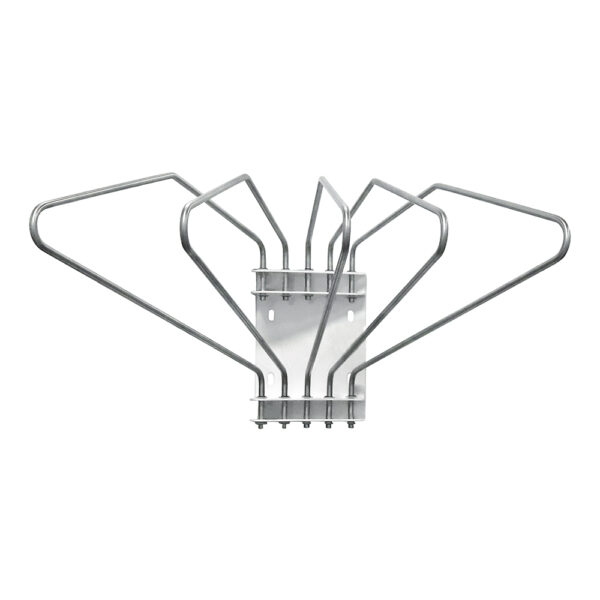
The Five-Arm Lead Apron Wall Rack has been thoughtfully designed to ensure easy access and efficient storage of aprons. The rack features five chromium-plated pivoting hangers that can flatten out nearly 180 degrees. This feature allows the rack to be conveniently placed behind doors, equipment, or any space where aprons can be stored compactly. The swinging arms of the rack also allow for easy retrieval of aprons, reducing time wasted searching for the required protective equipment.

High-Quality Construction:

At Philips Safety we prioritizes quality, and it shows in the craftsmanship of the Five-Arm Lead Apron Wall Rack. Manufactured in the USA, this rack guarantees superior craftsmanship and durability. The rack is constructed from heavy-duty metals and is powder-coated for an elegant finish. This not only enhances the appearance of your department but also allows for easy sterilization, ensuring a clean and hygienic storage solution for your aprons.

Secure Apron Storage:

The angled design of each arm of the Five-Arm Lead Apron Wall Rack ensures that your aprons remain securely in place. This thoughtful design prevents accidental slippage and ensures that your protective equipment stays in top condition. With a maximum suggested weight capacity of 110 lbs, this rack provides ample storage space for up to five aprons.

Space-Saving Design:

Space is often a valuable commodity in medical facilities. The Five-Arm Lead Apron Wall Rack has dimensions carefully designed to optimize space utilization. The arms extend perpendicularly from the wall, with a maximum extension of 22.5″, providing ample room to hang aprons. When stored flat, the arms measure 25.5″ from left to right, minimizing the rack’s footprint. Additionally, the overall height when flat is just 10″, allowing the rack to be mounted in areas with limited vertical space.

Invest in the Five-Arm Lead Apron Wall Rack

The Five-Arm Lead Apron Wall Rack is a remarkable addition to our radiation line. With its swinging arms, high-quality construction, secure storage, and space-saving design, this rack offers convenience, efficiency, and safety for professionals in radiology and cardiology departments. 

The craftsmanship and quality of this rack, manufactured in the USA, are evident, and it complements the look of most medical facilities. Invest in the Five-Arm Lead Apron Wall Rack and experience an organized and accessible storage solution that enhances the workflow of your department while ensuring the safety of your essential protective equipment.

If you have any questions or would like to learn more about the Five-Arm Lead Apron Wall Rack, dont hesitate to contact us today or leave a comment below. Prioritize efficiency and safety with this exceptional storage solution.

If you still aren’t sure which lead apron rack are right for you, it’s a good idea to give us a call at 1-866-575-1307 or talk to us through our chat or e-mail us at service@phillips-safety.com

Our Radiation experts will be able to tell you what you need for your application.

SHOP LEAD APRON RACKS

Beyond Protection: Cool Blue Welding Lenses and Their Impact

In the world of welding, few tools have garnered the legendary status of the Cool Blue lens, once produced by AO Safety. Renowned for its unparalleled clarity and ability to cut through the blinding glare of welding arcs, the Cool Blue lens transformed the welding experience for those lucky enough to possess one. However, as time marched on, production ceased, leaving welders in search of alternatives. At Phillips Safety Products, we delve into the rich history of the Cool Blue lens and unveil the journey from its iconic status to the development of superior alternatives. Join us as we explore the evolution of welding lens technology and the quest for clarity in the face of changing times.

The Legendary Cool Blue Welding Lens

AO Safety formerly produced a glass welding lens known as the Weld Cool filter plate, colloquially referred to as “Cool Blue.” Welders universally cherish this lens for its remarkable attributes. Peering through it while welding unveils a near-mythical clarity, transforming the welding experience. Its scarcity has escalated its value, with functional units fetching prices upwards of four or five hundred dollars.

But why the acclaim? The answer lies in the lens’s unique ability to mitigate the blinding yellow flare emitted by the welding arc. Even amidst the darkness of the filter, this flare often obscures the welder’s view. However, the Cool Blue Lens eradicates this hindrance, providing a crystal-clear perspective of the welding process in real-time.

Yet, if it’s so exceptional, why did production cease? Speculation abounds, but the truth lies in a business decision made by AO back in 1990. A former AO scientist, reflecting on the discontinuation, explained that it was driven by a mix of economic factors and manufacturing challenges related to the specialized cobalt glass used in the lens. Despite numerous theories circulating, the exact details remain elusive, encapsulated in the scientist’s email: “The reason for discontinuation was a combination of economics and a problem in the manufacturing and processing of the blue base glass… I could go into copious detail about both the economic and the blue base glass issues but it would serve no purpose.”

From Cool Blue to Superior Alternatives

At Phillips Safety Products, crafting welding filter plates is our specialty. Reflecting on the situation at AO and drawing from years of industry insights, it appears that AO faced a significant challenge necessitating the reformulation of their base glass—a costly endeavor. Ultimately, they opted against this investment, a pragmatic business move made in 1990. This decision coincided with the rise of auto-darkening lenses introduced in 1981, gradually supplanting traditional ‘passive’ filter lenses as welders sought more efficient and safer alternatives.

As time progresses, so does technology. Consider the antiquated typewriter or the diminishing presence of standard light bulbs—examples abound of obsolete items replaced by superior, cost-effective, or safer alternatives. The landscape of dart sets for family use is another telling illustration of this evolution.

Although the Cool Blue lens is no longer in production, alternatives exist. While some may not match its quality, we pride ourselves on offering a viable substitute, if not an improvement. Our Cobalt Blue lens, tailored for furnace observation, torching, and brazing, differs from the Cool Blue but excels in its own right. However, these lenses aren’t suitable for providing adequate protection against the infrared levels typical of mainline welding, as emphasized by the AO scientist.

All our lenses boast superior optical clarity, being crafted from glass rather than plastic. Our standard green shades outperform plastic counterparts, with the addition of a Gold Mirror finish elevating visual quality comparable to the Cool Blue at a fraction of the cost.

Moreover, responding to demand, we now offer Alloweld lenses in darker shades suitable for mainline welding operations. The Alloweld surpasses the Cool Blue in performance. While the color may differ, its transformative effect lies in completely eliminating the yellow/orange arc flare. Having tested all three lenses, we can attest that the Alloweld provides unparalleled clarity, enabling welders to observe the weld puddle formation, electrode wear, and overall work progress with remarkable precision. Testimonials from welders who’ve trialed these lenses echo this sentiment—they’ve been reluctant to part with them, opting to keep them for their continued use and safety assurance, providing 100% IR and UV protection for peace of mind regarding long-term vision health.

Looking Ahead: Advancements in Welding Lens Materials

Looking towards the future, as time inevitably progresses, there may come a day when obtaining glass welding lenses becomes increasingly challenging. In anticipation of this, we are actively engaged in research and development to create non-glass lenses with optical characteristics akin to those of contemporary glass lenses. Your assistance in this endeavor would be invaluable. If you possess a damaged or unusable Cool Blue lens that you would be willing to provide for the development of a replacement, please reach out to us. We are committed to ensuring that no functional lens is taken out of use unnecessarily, as every piece contributes to our analysis and replication of its unique characteristics. Whether it’s broken, pitted, or scratched, as long as there’s enough material for us to study and emulate its properties, your contribution would be greatly appreciated.

If you still aren’t sure which welding lens is right for you, it’s a good idea to give us a call at 1-866-575-1307 or talk to us through our chat or e-mail us at service@phillips-safety.com

Our experts will be able to tell you what you need for your application.

SHOP WELDING LENSES

Become a Distributor

Volume Discount