When is a Laser Safety Officer Required?

Laser technology has become integral to various industries, from healthcare and manufacturing to research and entertainment. While lasers offer numerous benefits, they also pose significant safety risks. Ensuring the safety of personnel working with or around lasers is critical, and this is where the role of a Laser Safety Officer (LSO) becomes essential. But when exactly is an LSO required? This blog will delve into the circumstances that necessitate an LSO and provide resources for further information.

Understanding Laser Classes

Lasers are classified into different categories based on their potential to cause harm. The classifications range from Class 1, which is generally safe under normal operating conditions, to Class 4, which can cause severe eye and skin injuries and pose fire hazards. The need for an LSO is particularly relevant for higher-class lasers (Class 3B and Class 4), which require strict safety controls.

Regulatory Requirements

OSHA and ANSI Standards

The Occupational Safety and Health Administration (OSHA) and the American National Standards Institute (ANSI) provide guidelines and standards for laser safety. According to the ANSI Z136.1 standard, an LSO is required for any organization using Class 3B or Class 4 lasers. The LSO oversees the laser safety program, ensures compliance with safety standards, conducts hazard evaluations, and implements control measures.

FDA Regulations

The U.S. Food and Drug Administration (FDA) also regulates laser products through its Center for Devices and Radiological Health (CDRH). Organizations using medical lasers must comply with FDA regulations, including having an LSO to manage laser safety and compliance.

Situations Requiring an LSO

industrial-and-manufacturing-icon

Industrial and Manufacturing Settings: Industries that use high-powered lasers for cutting, welding, or marking materials need an LSO to manage risks associated with laser use. The LSO ensures that safety protocols are followed and workers are trained in proper laser handling techniques.

medical-facilities-icon

Medical Facilities: Hospitals and clinics using lasers for surgeries, dermatological treatments, or ophthalmic procedures must have an LSO to protect patients and staff from laser hazards. The LSO conducts safety audits, monitors laser usage, and ensures that the medical personnel are adequately trained.

research-academic-institutions-icon

Research and Academic Institutions: Universities and research labs frequently use lasers in experiments and studies. An LSO is essential in these settings to evaluate potential hazards, implement safety measures, and ensure compliance with relevant standards and regulations.

stage-entertainment-industry-icon

Entertainment Industry: Using lasers in light shows, concerts, and other entertainment events requires an LSO to manage the risks to performers and audiences. The LSO ensures that the laser displays are safely designed and operated.

Responsibilities of a Laser Safety Officer

Hazard Evaluation

Assessing laser environments and identifying potential hazards.

Safety Training

Educating laser users and personnel on safe practices and procedures.

Compliance

Ensuring laser operations comply with OSHA, ANSI, and FDA regulations.

Incident Investigation

Investigate any laser-related incidents and implement corrective actions.

Safety Audits

Regularly reviewing and updating laser safety programs and protocols.

Conclusion

The role of a Laser Safety Officer is critical in any setting where high-powered lasers are used. LSOs play a vital role in protecting individuals from laser hazards by ensuring compliance with safety standards and implementing effective safety measures. For organizations using Class 3B or Class 4 lasers, having an LSO is not just a regulatory requirement but a crucial component of a comprehensive laser safety program.

By staying informed and utilizing resources from organizations like the Laser Institute of America, businesses and institutions can maintain high safety standards and effectively protect their personnel.

For more information on laser safety products and solutions, visit Phillips Safety at phillips-safety.com.
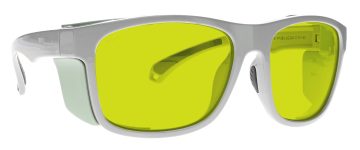
If you still aren’t sure which safety products are right for you, it’s a good idea to give us a call at 1-866-575-1307 or talk to us through our chat or e-mail us at service@phillips-safety.com

Our experts will be able to tell you what you need for your application.

SHOP LASER SAFETY PRODUCTS

Why You Need to Wear Glasses When Glassblowing

Glassblowing is a mesmerizing art but comes with hazards, particularly to your eyes. The intense heat and light from the furnace emit harmful ultraviolet (UV) and infrared (IR) radiation, which can cause serious eye problems over time. This is why wearing protective glasses is essential for anyone involved in glassblowing.

The Dangers of UV and IR Radiation

When gathering glass from the furnace, your eyes are exposed to UV and IR radiation. Prolonged exposure to these types of radiation can lead to a range of eye issues, including:

Photokeratitis: A painful condition similar to sunburn but affecting the cornea.

Cataracts: Clouding of the eye’s lens, which can lead to blindness if untreated.

Macular Degeneration: Damage to the retina, leading to loss of central vision.

Retinal Burns: Permanent damage to the retina caused by intense IR radiation.

Protection with Phillips Safety Glasses

At Phillips Safety, we have developed a range of glasses specifically designed to protect your eyes from these dangers while allowing you to work efficiently and safely.

Our Light Green lenses are perfect for basic glassworking. They offer excellent UV and IR protection without being too dark, so you can move away from the furnace and still see what you’re working on without having to remove your glasses. The Light Green lenses provide balanced protection and visibility, making them an excellent choice for general glassblowing activities.

  • UV and IR Protection: Shields your eyes from harmful radiation.
  • Clarity: Allows you to see clearly while working.
  • Comfort: Lightweight and comfortable for prolonged use.

You can explore our Light Green lenses here.

Our Borotruview 2.0 lenses are the ideal solution for those needing more advanced protection. These lenses not only provide excellent UV and IR protection but also include sodium flare absorption. This feature is crucial for seeing details in the furnace, as it filters out the bright sodium light emitted during the glassblowing process.

  • Enhanced Protection: Superior UV and IR shielding.
  • Sodium Flare Absorption: Allows you to see fine details inside the furnace.
  • Versatility: Suitable for detailed and high-temperature glassworking.

You can find more information about our Borotruview 2.0 lenses here.

Conclusion

Protecting your eyes while glassblowing is not just a precaution—it’s a necessity. The harmful UV and IR radiation emitted by the furnace can cause severe and long-lasting damage to your eyes. You can ensure that your eyes are shielded from these dangers by choosing the right protective glasses, such as the Light Green or Borotruview 2.0 lenses from Phillips Safety. These lenses allow you to work safely and efficiently, providing the protection you need without compromising visibility.

Remember, safeguarding your vision is an investment in your long-term health and ability to continue creating beautiful glass art. Choose the proper protection and work confidently knowing your eyes are well-protected.

If you still aren’t sure which glassblowing glasses are right for you, it’s a good idea to give us a call at 1-866-575-1307 or talk to us through our chat or e-mail us at service@phillips-safety.com

Our experts will be able to tell you what you need for your application.

SHOP GLASSBLOWING GLASSES

Introducing the New Borotruview 2.0 Lenses at Phillips Safety

We are excited to announce the arrival of the new Borotruview 2.0 lenses at Phillips Safety. These advanced lenses are a perfect blend of the Phillips sodium flare filter and the Borotruview 3.0, designed specifically for those working with borosilicate glass. Whether you’re a professional glassblower, lampworker, or simply passionate about working with glass, these lenses offer unparalleled protection and clarity.

Comprehensive UV and IR Protection

One of the standout features of the Borotruview 2.0 lenses is their superior UV and IR protection. These lenses offer protection equivalent to a Green IR 2.0 welding shade, making them ideal for various glassworking environments. This protection is crucial for safeguarding your eyes from harmful ultraviolet (UV) and infrared (IR) radiation, which can cause long-term damage.

Ideal for Lampworking and Detailed Borosilicate Work

For lampworkers who handle soft glass, the Borotruview 2.0 lenses provide an extra layer of IR and UV protection. This is particularly beneficial for those who want to ensure their eyes are protected from the intense light and heat produced during their work. Additionally, these lenses are perfect for detailed borosilicate work, offering clarity and protection without compromising on precision.

A Must-Have for Glassblowers

Glassblowers will find the Borotruview 2.0 lenses indispensable. These lenses protect your eyes from the heat of the furnace and filter out the sodium flare, allowing you to see clearly inside the furnace. This clarity is crucial when gathering and shaping glass, ensuring you can work safely and efficiently.

Why Choose Borotruview 2.0?

visibility-icon
Enhanced Clarity

Filters out sodium flare for a clear view.

protection-icon
UV and IR Protection

Equivalent to Green IR 2.0 welding shade.

versatile-icon
Versatile Use

Suitable for soft glass and borosilicate work.

durability-icon
Durability

Built to withstand the rigors of glassworking environments.

The Perfect Combination for Glassworkers

The Borotruview 2.0 lenses are a unique combination that caters to a wide range of glassworking activities. Here’s what makes them stand out:

a combination of

This feature is essential for soft glass working. It effectively filters out the yellow sodium flare that emanates from the glass when exposed to a torch. This ensures a clearer, more comfortable view, allowing for precise and detailed work.

Specifically designed for those working with borosilicate glass, these lenses provide excellent protection and visibility. They help reduce eye strain and enhance the quality of your work by offering a clearer view through the flame.

Conclusion

The new Borotruview 2.0 lenses at Phillips Safety are a game-changer for anyone working with glass. Combining advanced flare filtering with superior UV and IR protection, these lenses ensure that you can work safely and see clearly. Whether you’re a lampworker, glassblower, or working with borosilicate glass, the Borotruview 2.0 lenses are the perfect addition to your safety gear. Visit Phillips Safety today to get your pair and experience the difference!

If you still aren’t sure which BoroTruView 2.0 glasses are right for you, it’s a good idea to give us a call at 1-866-575-1307 or talk to us through our chat or e-mail us at service@phillips-safety.com

Our experts will be able to tell you what you need for your application.

SHOP BOROTRUVIEW 2.0 GLASSES

Do You Need Glasses for At-Home IPL?

If you’re using an at-home IPL (Intense Pulsed Light) machine, you might wonder whether you need to wear protective glasses. The short answer is absolutely yes. Here’s why.

THE SCIENCE BEHIND IPL MACHINES

IPL devices emit a high-intensity broad-spectrum light that can target various skin issues, from hair removal to treating pigmentation and acne. However, this powerful light releases significant amounts of UV (ultraviolet) and IR (infrared) radiation. UV and IR light can harm your eyes, potentially causing immediate discomfort and long-term damage.

RISKS OF UNPROTECTED IPL USE

Exposure to the intense light from an IPL machine without proper eye protection can lead to several eye issues, including:

1. PHOTOKERATITIS:​

This condition is similar to sunburn of the eye and can cause pain, redness, and temporary vision loss.

2. CATARACTS:

Over time, exposure to UV radiation can contribute to the development of cataracts, a clouding of the eye’s lens.

3. RETINAL DAMAGE:

Infrared light can penetrate deep into the eye and damage the retina, potentially leading to vision loss.

PROTECTIVE SOLUTIONS FROM PHILLIPS SAFETY

To ensure your eyes are safe during IPL treatments, Phillips Safety offers a range of protective eyewear designed specifically for IPL use. Here are two of our top filters that provide excellent protection:

Our IPLB filter glasses are designed to block the harmful UV and IR radiation emitted by IPL devices. They are suitable for any IPL machine and provide reliable protection.

Explore IPL Brown Glasses

The IPL Green glasses offer similar protection with a different filter option, catering to various user preferences and needs.

Explore IPL Green Glasses

Since many users require vision correction, Phillips Safety now offers the IPL filter in prescription lenses. This ensures you don’t have to compromise your vision clarity for safety.

Explore IPL Prescription Safety Glasses

For those who prefer not to wear dark lenses, we offer the innovative IPL Pulse glasses. These glasses darken automatically when the IPL device is used, providing protection only when necessary.

Explore IPL Pulse Glasses

CONCLUSION

Using an IPL machine at home can be safe and effective, but only if you take the necessary precautions to protect your eyes. With our range of IPL safety glasses, Phillips Safety ensures you can enjoy the benefits of IPL treatments without risking your eye health. Please browse our selection to find the perfect pair of protective glasses.

If you still aren’t sure which IPL safety glasses are right for you, it’s a good idea to give us a call at 1-866-575-1307 or talk to us through our chat or e-mail us at service@phillips-safety.com

Our experts will be able to tell you what you need for your application.

SHOP IPL SAFETY GLASSES

Choosing the Right Shade for Plasma Cutting Steel and reviewing Your safety options

When engaging in plasma cutting, one of the most crucial safety measures is protecting your eyes with the appropriate shade of lens. Plasma cutting can expose operators to intense bursts of light and UV radiation, which can cause serious eye damage if not properly shielded. At Phillips Safety Products, we offer a range of eye protection solutions tailored to meet the needs of plasma cutting professionals, ensuring safety without compromising on visibility.

Understanding Shade Numbers

The shade number of a lens indicates the level of darkness provided, which correlates to the protection offered against radiant energy during welding and cutting activities. Choosing the right shade number is vital to protect your eyes while allowing clear visibility of the workpiece. For plasma cutting steel, the recommended shade number varies depending on the amperage:

Below 20 Amps

Shade number 4

20 to 40 Amps

Shade number 5

40 to 60 Amps

Shade number 6

60 to 80 Amps

Shade number 8

Above 80 Amps

Shade number 10

These guidelines ensure that operators use a lens dark enough to prevent eye strain and damage, yet light enough to see the work clearly.

Phillips Safety's Welding Filter Plates (Shade 4-14)

Our welding filter plates are available in a range of shades from 4 to 14, making them highly versatile for various types of metalworking, including plasma cutting. These plates are designed to fit standard welding helmets and offer robust protection against UV and IR radiation. Whether you are working on low-amperage art projects or high-amperage industrial tasks, our filter plates provide the protection and clarity you need.

Universal Plastic Clip-On, Clip-Up Glasses (Shade 2-8)

For lighter plasma cutting tasks or when working in environments that require frequent transition between protection and normal vision, our universal plastic clip-on, clip-up glasses are an excellent choice. Available in shades 2 to 8, these glasses can be easily attached to your existing eyewear, providing a practical solution for varying levels of exposure. They are ideal for quick jobs or for supervisors who intermittently check on the progress of work.

IR Metal Working Glasses (Shade 2-10)

Our IR metal working glasses range from shade 2 to 10, offering flexibility for both low and moderate intensity plasma cutting. These glasses not only protect your eyes from harmful IR and UV radiation but also provide impact resistance, making them suitable for a wide range of industrial applications. With a comfortable fit and durable design, they are perfect for extended use in workshops and construction sites.

Conclusion

Selecting the right eye protection for plasma cutting is crucial for your safety and job performance. Phillips Safety Products offers a broad spectrum of protective eyewear tailored to meet the needs of this demanding task. Whether you choose our welding filter plates, clip-on glasses, or metal working glasses, you can be confident that you’re getting industry-leading protection designed with the needs of professionals in mind. Always refer to the specific requirements of your operation and ensure that your choice of shade and equipment is compliant with safety standards to maintain optimal protection while working.

If you still aren’t sure which welding glasses are right for you, it’s a good idea to give us a call at 1-866-575-1307 or talk to us through our chat or e-mail us at service@phillips-safety.com

Our experts will be able to tell you what you need for your application.

SHOP WELDING GLASSES

Fitover Lampworking Glasses or Prescription Lampworking Glasses from Phillips Safety Products

Lampworking, a form of glassblowing that uses a torch to melt glass, demands precision and safety, especially regarding eye protection. At Phillips Safety Products, we understand the unique needs of lampworkers and offer a range of prescription lampworking glasses designed to meet these demands. But do the benefits of investing in prescription glasses outweigh their cost? Let’s explore this question by examining the options available and their advantages over standard fitover glasses.

Specialized Prescription Filters for Every Need

At Phillips Safety Products, we offer prescription lampworking glasses in three specialized filters:

These are perfect for sodium flare filtration for people who work with soft glass. The Phillips202 or advanced didymium glass lenses have accurate color recognition, excellent optical clarity, and scratch resistance, making them a long-lasting investment. These lenses are an advanced version of the original didymium glasses.

Ideal for soft glass work, these glasses are lighter than the Phillips202 glass version and are impact-resistant, offering both comfort and safety. These lenses also tend to be slightly darker than the glass lenses.

These lenses are suited for those Lampworking with borosilicate glass types where you need sodium flare protection and IR and UV protection. They provide significant protection against sodium flare and UV light and enhance visual acuity.

Each option is available in single vision or progressive bifocals, ensuring that every lampworker can find the perfect match for their vision needs.

Cost vs. Benefit: Making the Investment

Investing in prescription lampworking glasses can seem like a significant upfront cost, but the benefits they provide make them worth every penny:

comfort-icon.png

Custom Fit and Comfort: Unlike generic safety glasses, prescription glasses are tailored to fit your face and vision, eliminating discomfort and distractions while you work.

Enhanced Safety: Properly fitted glasses provide better protection and reduce the risk of exposure to harmful rays or glass shards.

protection-icon
convenience-and-efficiency-icon

Convenience and Efficiency: With your prescription directly integrated into your safety glasses, you can work seamlessly without switching between multiple glasses.

Long-Term Savings: High-quality materials and construction mean your glasses can last for years, making the investment cost-effective.

long-term-savings-icon

Alternative Option: Fitover Glasses

For those needing more time to invest in prescription lampworking glasses, fitover glasses are an alternative. These are designed to be worn over your regular prescription glasses. However, there are pros and cons to consider:

comfort-icon.png

Custom Fit and Comfort: Unlike generic safety glasses, prescription glasses are tailored to fit your face and vision, eliminating discomfort and distractions while you work.

protection-icon

Enhanced Safety: Properly fitted glasses provide better protection and reduce the risk of exposure to harmful rays or glass shards.

convenience-and-efficiency-icon

Convenience and Efficiency: With your prescription directly integrated into your safety glasses, you can work seamlessly without switching between multiple glasses.

long-term-savings-icon

Long-Term Savings: High-quality materials and construction mean your glasses can last for years, making the investment cost-effective.

Alternative Option: Fitover Glasses

For those needing more time to invest in prescription lampworking glasses, fitover glasses are an alternative. These are designed to be worn over your regular prescription glasses. However, there are pros and cons to consider:

Pros of Fitover Glasses

Cost-Effective: They are generally cheaper than prescription safety glasses.

Flexibility: They can be easily put on or taken off as needed.

Cons of Fitover Glasses

Bulkiness: Fitovers can be bulky and uncomfortable, especially during long working sessions.

Reduced Field of Vision: They may restrict peripheral vision, which can impact safety and the quality of work.

Aesthetic Limitations: Fitovers typically have a more practical look, which might only appeal to some users.

Conclusion

While fitover glasses offer a budget-friendly alternative, the advantages of prescription lampworking glasses from Phillips Safety Products outweigh their cost. They provide customized protection, superior comfort, and long-term durability, enhancing both safety and productivity in the workshop. Investing in the proper protection for your eyes is not just necessary but an intelligent decision that pays dividends in health and craftsmanship. Choose wisely—your eyes deserve the best.

If you still aren’t sure which lampworking glasses are right for you, it’s a good idea to give us a call at 1-866-575-1307 or talk to us through our chat or e-mail us at service@phillips-safety.com

Our experts will be able to tell you what you need for your application.

SHOP LAMPWORKING GLASSES

Choosing the Right Safety Glasses for Hot Glass Bead Making

Glass bead making is a captivating art form, but it requires proper safety glasses to protect your eyes from the intense heat and light produced during the process. Whether you’re a seasoned artist or a beginner, understanding the type of glass you work with and the appropriate safety eyewear is crucial. Phillips Safety offers a range of products specifically designed to ensure maximum protection while you unleash your creativity.

Understanding the Basics: Glass Types and Corresponding Risks

The type of glass you use largely determines the risks involved and the kind of eye protection you need. The two common types of glass used in bead making are soft glass (like Moretti) and borosilicate glass, each posing different challenges:

Soft Glass (e.g., Moretti)

This type of glass typically melts at a lower temperature and is popular among hobbyists and professionals alike for its ease of use and vibrant colors. However, working with soft glass still requires protection against sodium flare, a bright yellow light emitted when sodium vaporizes during heating. Sodium flare can be harsh on the eyes and lead to discomfort or long-term damage if proper eyewear is not used.

Borosilicate Glass

Known for its durability and higher melting point, borosilicate glass is favored for more intensive bead-making projects, including larger beads and sculptures. This type of glass emits sodium flare and exposes the artist to harmful ultraviolet (UV) and infrared (IR) radiation, which can be detrimental to eye health.

Choosing the Right Safety Eyewear

To address these risks, Phillips Safety has developed specialized glasses that cater to different needs:

For Soft Glass Bead Making

The Phillips 202 Glass Lenses and Phillips Sodium Flare Polycarbonate Lenses are perfect choices if your work primarily involves soft glass. These glasses are designed to filter out the bright sodium flare, ensuring comfort and protection during long crafting sessions. The lenses are lightweight, durable, and offer excellent optical clarity, making them a go-to for glass bead artists.

For Borosilicate Glass Bead Making

Artists venturing into borosilicate glass bead making need eyewear that handles sodium flare and shields the eyes from UV and IR radiation. Phillips Safety recommends the BorotruView 3.0 lenses for standard projects, providing robust protection and accurate color recognition. For artists working on larger objects, where the heat and radiation are more intense, the BorotruView 5.0 lenses are the best option. These glasses offer superior protection and are designed to help you work comfortably under extreme conditions.

Why Choose Phillips Safety Products?

Phillips Safety has been a leader in protective eyewear for over a century, combining innovation with safety to meet the specific needs of various industries, including glass bead making. Here’s why our products stand out:

protection-icon
Tailored Protection

Our eyewear is specifically designed to meet the needs of different glass working environments.

comfort-icon.png
Comfort and Durability

We understand the importance of comfort, especially for artists who spend long hours at their craft. Our glasses are designed to be comfortable for prolonged use without compromising safety.

protection-icon
High-Quality Standards

All our products adhere to rigorous safety standards, ensuring you receive only the best protection available.

Whether you are just starting in glass bead making or are looking to upgrade your safety gear, Phillips Safety provides the reliable protection you need to create beautiful art safely. Explore our range of safety glasses tailored for glass bead making and find the perfect fit for your artistry. Remember, protecting your vision is as important as the beautiful art you create. Choose wisely, stay safe, and keep crafting fantastic beadwork with peace of mind.

If you still aren’t sure which lampworking glasses are right for you, it’s a good idea to give us a call at 1-866-575-1307 or talk to us through our chat or e-mail us at service@phillips-safety.com

Our experts will be able to tell you what you need for your application.

SHOP LAMPWORKING GLASSES

Platinum Melting and Soldering: Choosing the Correct IR Shade of Safety Glasses

When working with platinum, whether for melting or soldering, the intensity of the light and the heat produced require high-quality protective eyewear to ensure safety and compliance with occupational standards. The Occupational Safety and Health Administration (OSHA) provides guidelines to protect workers’ eyes from the risks associated with high-intensity operations like these.

Risks and Recommendations

UNDERSTANDING THE RISKS​

OSHA Recommendations

signs-and-labels-icon

Platinum melting involves temperatures exceeding 1,700°C (3,092°F), creating a bright and intense light that can cause damage to the eyes. Soldering, while generally involving lower temperatures, also produces high levels of ultraviolet (UV) and infrared (IR) radiation that can be hazardous. The proper lens shade in safety glasses is crucial in protecting against these risks.

According to OSHA, the appropriate shade of lens depends on the work performed. For soldering platinum, OSHA recommends a minimum of shade number 7, but shade seven isn’t standard and easy to buy in the marketplace, so we recommend you move up to shade 8. A higher shade number is necessary when dealing with the intense light from platinum melting. Typically, shades ranging from 8 to 12 are recommended, depending on the specific conditions, such as the arc current and the operation type.

OSHA-logo-icon

UNDERSTANDING THE RISKS​

signs-and-labels-icon

Platinum melting involves temperatures exceeding 1,700°C (3,092°F), creating a bright and intense light that can cause damage to the eyes. Soldering, while generally involving lower temperatures, also produces high levels of ultraviolet (UV) and infrared (IR) radiation that can be hazardous. The proper lens shade in safety glasses is crucial in protecting against these risks.

OSHA Recommendations

OSHA-logo-icon

According to OSHA, the appropriate shade of lens depends on the work performed. For soldering platinum, OSHA recommends a minimum of shade number 7, but shade seven isn’t standard and easy to buy in the marketplace, so we recommend you move up to shade 8. A higher shade number is necessary when dealing with the intense light from platinum melting. Typically, shades ranging from 8 to 12 are recommended, depending on the specific conditions, such as the arc current and the operation type.

Choosing the Right Glasses from Phillips Safety

Phillips Safety offers a range of welding and soldering glasses designed to meet these needs. For those engaged in high-intensity operations like platinum melting, choosing a higher-shade lens is essential for adequate protection.

Green Welding Fitover Glasses 9014: These glasses are ideal for those who need to wear prescription glasses while working. They are designed to fit over regular eyewear while providing the necessary protection from UV and IR radiation with their high-quality green lenses, available in various shades From 4-14, suitable for different intensity levels.

Green Welding Glasses 70-PC: These are perfect for workers looking for standalone protective eyewear with the same high standards. The green lenses not only reduce the brightness of the flame and protect it from radiation but also enhance visibility and reduce eye strain. These safety glasses are also available in welding shades 4-14

Technical Specifications and Compliance

Our glasses comply with ANSI Z87.1 standards, meeting rigorous safety requirements for personal eye and face protection devices. They are not only crafted to protect against high-intensity light and heat. Still, they are also durable and designed for comfort, allowing workers to wear them for extended periods without discomfort.

Choosing the Right Glasses from Phillips Safety

Phillips Safety offers a range of welding and soldering glasses designed to meet these needs. For those engaged in high-intensity operations like platinum melting, choosing a higher-shade lens is essential for adequate protection.

Green Welding Fitover Glasses 9014: These glasses are ideal for those who need to wear prescription glasses while working. They are designed to fit over regular eyewear while providing the necessary protection from UV and IR radiation with their high-quality green lenses, available in various shades From 4-14, suitable for different intensity levels.

Green Welding Glasses 70-PC: These are perfect for workers looking for standalone protective eyewear with the same high standards. The green lenses not only reduce the brightness of the flame and protect it from radiation but also enhance visibility and reduce eye strain. These safety glasses are also available in welding shades 4-14

Technical Specifications and Compliance

Our glasses comply with ANSI Z87.1 standards, meeting rigorous safety requirements for personal eye and face protection devices. They are not only crafted to protect against high-intensity light and heat. Still, they are also durable and designed for comfort, allowing workers to wear them for extended periods without discomfort.

Conclusion

When selecting the proper safety glasses for platinum melting and soldering, it is important to consider both the lens shade and the glasses’ quality. Phillips Safety’s range of welding glasses, like the Green Welding Fitover Glasses 9014 and the Green Welding Glasses 70-PC, offer both safety and comfort, ensuring that you meet OSHA recommendations and protect your vision during these high-risk jobs. Whether you need to cover prescription glasses or are looking for direct protection, Phillips Safety has options that will cover these needs effectively.

Choose the proper protective eyewear for your platinum working operations to stay safe and compliant. Visit Phillips Safety to explore our extensive range of protective eyewear tailored for various industrial applications.

If you still aren’t sure which welding glasses are right for you, it’s a good idea to give us a call at 1-866-575-1307 or talk to us through our chat or e-mail us at service@phillips-safety.com

Our experts will be able to tell you what you need for your application.

SHOP WELDING GLASSES

Enhancing Safety Standards: The Importance of Radiation Protection in Nuclear Medicine

Nuclear medicine is a critical field within modern healthcare, providing unique insights often unattainable through other imaging methods. It uses small amounts of radioactive substances to diagnose and treat various conditions, including cancer and heart disease. While these radioactive materials are invaluable for medical diagnostics and therapeutic procedures, they pose potential risks. Adequate radiation protection is essential to ensure the safety of both patients and healthcare professionals. In this context, selecting the proper shielding and storage solutions is crucial. Here’s a look at some specialized products from Phillips Safety Products that play a pivotal role in enhancing safety standards in nuclear medicine.

Essential Radiation Protection Products and Their Uses

Product Example: Phillips Safety Lead Lined Storage Container

Usage: These containers are used to store radioactive materials securely when not in use. The lead lining shields the surrounding environment from harmful radiation, ensuring that exposure levels are within safe limits. This is critical for compliance with health and safety regulations and minimizing occupational radiation exposure to staff.

Product Example: Phillips Safety Lead Lined Decay Drum

Usage: Decay drums are essential for safely disposing of used radioactive materials. They allow the radioactive decay process to occur in a controlled environment, significantly reducing the activity of the materials before disposal. This process is vital for managing radioactive waste safely and effectively.

Product Example: Phillips Safety Mobile Radiation Shield

Usage: Mobile radiation shields are versatile protective barriers used in various settings within a nuclear medicine facility. These shields provide a physical barrier between the radioactive source and the medical personnel, effectively reducing radiation exposure during procedures that require close proximity to radiation sources.

Product Example: Phillips Safety Lead Curtains

Usage: Lead curtains are used to shield doorways and other openings through which radiation might otherwise escape. They are particularly useful in facilities where permanent structural modifications are not feasible. Lead curtains can be easily installed and repositioned as needed, providing flexible and effective radiation protection.

Conclusion

The role of radiation protection in nuclear medicine cannot be overstated. It is fundamental to the safe operation of all facilities that use radioactive materials for medical purposes. By utilizing advanced shielding and storage solutions like those offered by Phillips Safety Products, healthcare facilities can maintain a safer working environment. This not only complies with regulatory requirements but also protects the health of patients and staff, ultimately enhancing the overall quality of medical care. Investing in high-quality radiation protection gear is a wise and necessary decision for any facility engaged in nuclear medicine.

If you still aren’t sure which nuclear medicine products are right for you, it’s a good idea to give us a call at 1-866-575-1307 or talk to us through our chat or e-mail us at service@phillips-safety.com

Our experts will be able to tell you what you need for your application.

SHOP NUCLEAR MEDICINE SHIELDING AND STORAGE

Why You Should Always Use Mobile or Wall-Mounted Apron Racks to Store Your Lead Aprons

Regarding radiological protection, every detail matters—right down to how you store your lead aprons. Radiological procedures are a daily reality in many medical settings, necessitating lead aprons to protect staff from X-ray radiation. However, the way these protective garments are stored can significantly impact their effectiveness and longevity.

The Risks of Improper Storage

Whether made from leaded or non-leaded materials, lead aprons are designed to block radiation and protect the wearer. But when folded, these heavy garments are prone to creases. Over time, these creases can turn into cracks, compromising the apron’s ability to shield against radiation. The material’s integrity is crucial for safety, and improper storage risks not only the health of the staff but also the financial cost of frequently replacing these essential items.

To avoid such costly damages, it’s advisable to invest in proper storage solutions. Mobile and wall-mounted apron racks offer the best conditions for storing lead aprons safely and effectively.

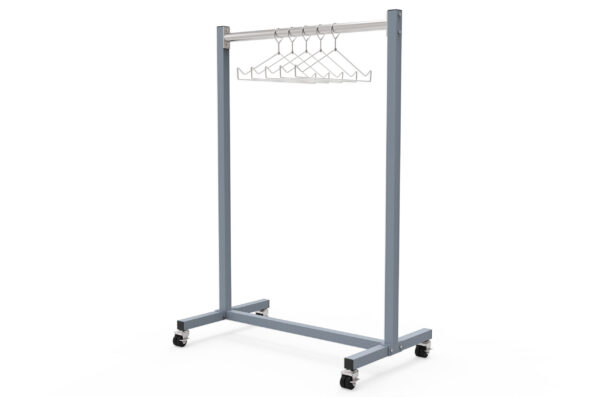
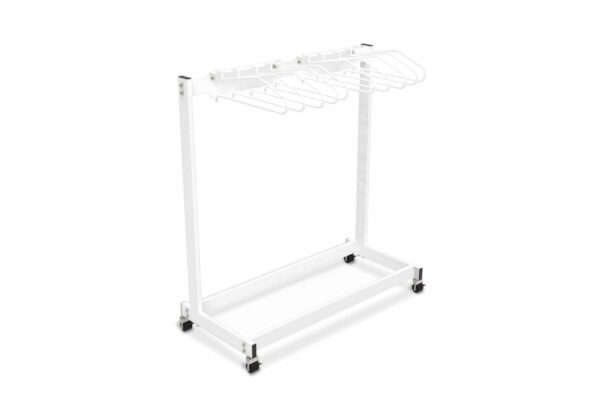
These racks provide a permanent solution where space is available. They keep aprons spread out, avoiding folds and creases. Here are a couple of options to consider:

RAR 1000 Front Render 2
RAR-P4 RENDER 1

This rack allows aprons to hang separately on individual rods that can swing out, making it easy to retrieve or store an apron without disturbing others. View Product

Perfect for smaller spaces or lower volume needs, this peg rack offers a straightforward, compact solution for hanging aprons vertically. View Product

Mobile racks are ideal for facilities where aprons must be moved between rooms or stored compactly when not in use.

RAR-MAR 36 With Hangers Spread .4
RAR-MSA10 Renders Updated.39

This valet rack is easily movable and accessible, making it a practical option for dynamic medical environments. View Product

Designed to store multiple aprons in a garment-style arrangement, this rack features arms extending to minimize contact between aprons, reducing wear and tear. View Product

These racks provide a permanent solution where space is available. They keep aprons spread out, avoiding folds and creases. Here are a couple of options to consider:

RAR 1000 Front Render 2

This rack allows aprons to hang separately on individual rods that can swing out, making it easy to retrieve or store an apron without disturbing others. View Product

RAR-P4 RENDER 1

Perfect for smaller spaces or lower volume needs, this peg rack offers a straightforward, compact solution for hanging aprons vertically. View Product

Mobile racks are ideal for facilities where aprons must be moved between rooms or stored compactly when not in use.

RAR-MAR 36 With Hangers Spread .4

This valet rack is easily movable and accessible, making it a practical option for dynamic medical environments. View Product

RAR-MSA10 Renders Updated.39

Designed to store multiple aprons in a garment-style arrangement, this rack features arms extending to minimize contact between aprons, reducing wear and tear. View Product

Conclusion

Choosing the correct storage method for your lead aprons extends their life and ensures they continue to provide maximum protection against radiation. Both mobile and wall-mounted racks serve this purpose effectively, accommodating different space and usage needs. By selecting a quality storage rack, you invest in the safety and efficiency of your radiology department, safeguarding both your staff and your bottom line.

If you still aren’t sure which lead apron racks are right for you, it’s a good idea to give us a call at 1-866-575-1307 or talk to us through our chat or e-mail us at service@phillips-safety.com

Our experts will be able to tell you what you need for your application.

SHOP LEAD APRON RACKS

Choosing the Right Safety Glasses for Kiln Work

Kiln work, whether it involves ceramics, glass, or metalworking, is an art form that requires precision, patience, and, above all, an unwavering commitment to safety. One of the most critical aspects of kiln safety is protecting your eyes from potential hazards such as radiant heat, bright light, flying particles, and harmful UV and IR radiation. This article explores the essential features to look for in safety glasses for kiln work. It offers guidance on selecting the proper eyewear to protect your vision as you bring your creative visions to life.

Understanding
the Risks

Working with kilns presents unique challenges to eye safety. The intense heat can cause damage over time, while the brightness of the kiln can lead to eye strain or even retinal damage. Additionally, loading and unloading materials can kick up dust and debris, posing a risk of physical injury to the eyes. To mitigate these risks, it’s crucial to choose safety glasses designed specifically for kiln work conditions.

Key Features of Kiln Safety Glasses

heat--resistance-icon
1. Heat Resistance

Safety glasses for kiln work must withstand high temperatures without melting, deforming, or releasing harmful fumes. Materials such as polycarbonate, treated for heat resistance, are often recommended for their durability and ability to maintain integrity in extreme conditions.

protection-icon
2. Radiation Protection

UV and IR radiation exposure is a significant concern when working with kilns. Look for glasses that offer protection against both types of radiation, ensuring that your eyes are shielded from the harmful effects of exposure. This is particularly important for those who spend long hours working near the intense light of a kiln.

protection-icon
3. Impact Resistance

Despite the controlled environment of kiln work, accidents can happen. Safety glasses should meet or exceed ANSI Z87.1 standards for impact resistance to protect against flying particles or accidental impacts. This ensures that your eyes are safe from physical harm during the loading and unloading or if an unexpected event occurs.

comfort-icon
4. Comfort and Fit

Comfort is critical when selecting safety glasses, especially for artists who wear them for extended periods. Look for glasses with adjustable features, such as nose pieces and temple arms, to ensure a snug and comfortable fit. Glasses that fit well are more likely to be worn consistently, providing uninterrupted protection.

optical-clarity-icon
5. Optical Clarity

Preserving the accuracy of your vision is crucial in kiln work, where precision is essential. Safety glasses should offer high optical clarity without distortion. This allows for accurate color perception and detail recognition, ensuring that your artistic work is not compromised.

Product Recommendations

For basic kiln work, we recommend safety glasses with a light green filter, which can be found here. These glasses are designed to provide general protection against UV and IR radiation while offering the durability and comfort necessary for extended use.

However, additional protection is needed for those working with materials that produce a sodium flare or bright orange light. In these cases, we recommend safety glasses equipped with the BorotruView 3.0 filter, available here. These glasses are specifically designed to filter out sodium flare and block harmful UV and IR radiation, offering superior protection for artists working under these conditions.

Product Recommendations

For basic kiln work, we recommend safety glasses with a light green filter, which can be found here. These glasses are designed to provide general protection against UV and IR radiation while offering the durability and comfort necessary for extended use.

However, additional protection is needed for those working with materials that produce a sodium flare or bright orange light. In these cases, we recommend safety glasses equipped with the BorotruView 3.0 filter, available here. These glasses are specifically designed to filter out sodium flare and block harmful UV and IR radiation, offering superior protection for artists working under these conditions.

PS-VERTICAL_1-blog-banner-radiation-safety-glasses-finding-the-best-frame-shape-for-your-face

Conclusion

The right safety glasses are a crucial investment in your art and your health, providing protection that enables you to focus on creating beautiful works without compromising your safety. By understanding the specific risks associated with kiln work and selecting eyewear that addresses those challenges, you can ensure that your vision remains protected for years to come. Remember, safety is not just a regulation; it’s a foundation for sustainable creativity and craftsmanship in any artistic endeavor.

If you still aren’t sure which kiln work safety glasses are right for you, it’s a good idea to give us a call at 1-866-575-1307 or talk to us through our chat or e-mail us at service@phillips-safety.com

Our experts will be able to tell you what you need for your application.

SHOP BOROTRUVIEW 3.0 GLASSES

Installing Lead-Lined Window Frames: A Step-by-Step Guide from Phillips Safety

Lead-lined window frames are essential components in constructing safe environments in medical, dental, and industrial settings where radiation protection is a priority. When used with leaded glass, these specialized frames shield personnel and patients adequately against X-ray radiation. Phillips Safety offers a comprehensive guide on installing these crucial safety features. Here’s your step-by-step guide to ensure a secure and effective installation.

Understanding the Basics

Before we delve into the installation process, it’s essential to grasp the fundamental aspects of lead-lined window frames. Typically, these frames are customized to fit the glass size, with specific attention to the leaded side alignment for optimal radiation protection.

Essential Measurements

Rough Opening: Glass Width + 1 ½” and Glass Height + 1 ½”

▪ Wall Thickness Compatibility: Minimum of + 4 ¼” and a Maximum of 6”

Overall Frame Dimensions: Glass Width + 4 ½” and Glass Height + 4 ½”

▪ Leaded Side Orientation: The leaded side of the frame should face the leaded side of the wall to ensure proper radiation shielding.

▪ Secure Fastening: The frame needs to be anchored securely through the jamb into the studs to maintain its position and effectiveness.

Key Considerations

Understanding the Basics

Before we delve into the installation process, it’s essential to grasp the fundamental aspects of lead-lined window frames. Typically, these frames are customized to fit the glass size, with specific attention to the leaded side alignment for optimal radiation protection.

Essential Measurements

Rough Opening: Glass Width + 1 ½” and Glass Height + 1 ½”

▪ Wall Thickness Compatibility: Minimum of + 4 ¼” and a Maximum of 6”

Overall Frame Dimensions: Glass Width + 4 ½” and Glass Height + 4 ½”

Key Considerations

▪ Leaded Side Orientation: The leaded side of the frame should face the leaded side of the wall to ensure proper radiation shielding.

▪ Secure Fastening: The frame needs to be anchored securely through the jamb into the studs to maintain its position and effectiveness.

Installation Guide

Step 1:
Preparing the Rough Opening

Based on the dimensions provided, prepare the rough opening in the wall where the lead-lined window frame will be installed. It’s crucial to allow a bit of extra space (1 ½” more than the glass dimensions) for the frame to fit comfortably.

Step 2:
Verifying Wall Thickness

Ensure that the wall where the frame will be installed meets the specified thickness requirements. This ensures the frame can be properly supported and secured within the wall structure.

Step 3:
Installing the Frame

Positioning: Place the frame in the prepared opening, ensuring the leaded side matches the leaded side of the wall.

Fastening: Secure the frame into place by fastening it through the jamb into the surrounding studs. This step is critical for stability and should be done carefully to prevent any frame movement.

Step 4:
Inspecting the Installation

Once the frame is installed, it’s essential to conduct a thorough inspection to ensure everything is aligned correctly and secured. This includes checking the fit of the leaded glass within the frame and ensuring there are no gaps or misalignments that could compromise the shielding effectiveness.

Final Thoughts

Installing lead-lined window frames is straightforward when you have clear guidelines and the right tools. Following the steps outlined by Phillips Safety, you can ensure a successful installation that provides the necessary radiation protection. Whether outfitting a new facility or updating an existing space, proper installation of lead-lined window frames is essential for maintaining safety standards and protecting the health of those within the environment.

Phillips Safety’s commitment to providing high-quality safety solutions extends to detailed guidance on product installation. Following these instructions, you can confidently install lead-lined window frames, ensuring a safe and secure environment in any setting requiring radiation protection.

If you still aren’t sure which lead-lined window frames are right for you, it’s a good idea to give us a call at 1-866-575-1307 or talk to us through our chat or e-mail us at service@phillips-safety.com

Our experts will be able to tell you what you need for your application.

SHOP LEAD-LINED WINDOW FRAME

Selecting the Right Safety Glasses for the IPG LightWeld Laser Welder

In the evolving landscape of manufacturing and fabrication, laser welding technology stands out for its precision, speed, and versatility. Among the leading tools in this arena is the IPG LightWeld Laser Welder, renowned for its ability to deliver high-quality welds with efficiency and reliability. However, with the power of laser technology comes the responsibility to ensure safety, particularly eye safety. The intense light and radiation emitted by laser welders can pose significant risks to the eyes, making the use of appropriate safety glasses not just a precaution but a necessity. In this blog, we’ll explore the correct safety glasses for operating the IPG LightWeld Laser Welder and recommend a specific solution from Phillips Safety Products.

Understanding the Risks

Laser welders, including the IPG LightWeld, emit concentrated beams of light that can cause severe eye injuries if proper precautions are not taken. Direct or even indirect exposure to laser beams can result in retinal burns, temporary or permanent vision loss, and other serious conditions. The nature of these hazards underscores the importance of selecting the right type of safety glasses, designed to protect against the specific wavelength of the laser in use.

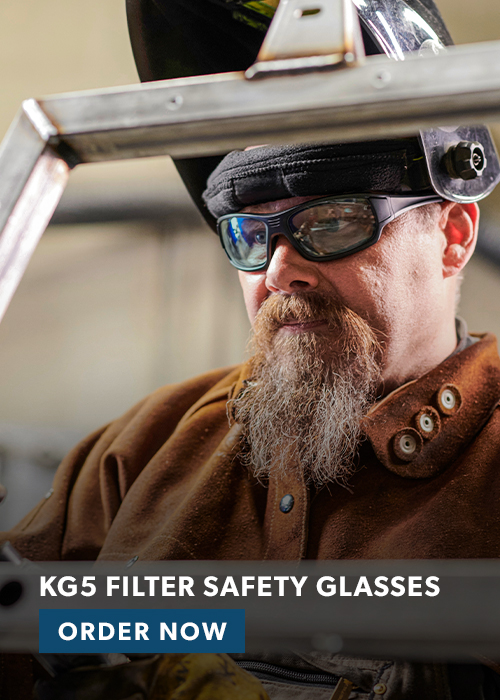
The Solution: KG5 Filter Safety Glasses

When it comes to safeguarding your eyes while using the IPG LightWeld Laser Welder, not all safety glasses will suffice. You need eyewear that specifically blocks or attenuates the laser’s wavelength while allowing sufficient visibility for the task at hand. Phillips Safety Products offers an ideal solution with their KG5 Filter Safety Glasses. These glasses are engineered to provide optimal protection for users of the IPG LightWeld, ensuring that operators can perform their tasks safely and efficiently.

Why Choose KG5 Filter Safety Glasses?

laser-icon.png

Targeted Protection

The KG5 filter is specifically designed to protect against the wavelengths emitted by the IPG LightWeld Laser Welder. This means you get protection precisely tailored to the risks associated with your equipment.

visibility-icon

Visibility Maintained

While safety is the primary concern, maintaining visibility during welding tasks is also crucial. KG5 filter glasses are crafted to reduce the laser’s harmful radiation without excessively dimming or distorting your vision, enabling you to work with precision and confidence.

comfort-icon

Comfort and Durability

Recognizing that comfort is key to compliance, these safety glasses are designed for a comfortable fit and are made from durable materials. This ensures that they can withstand the rigors of regular use in a demanding environment while encouraging consistent wear.

protection-icon

Compliance with Standards

Phillips Safety’s KG5 Filter Safety Glasses meet rigorous safety standards, offering reliable protection and peace of mind for laser welding operators.

Embracing Safety with the Right Equipment

Using the IPG LightWeld Laser Welder brings a host of advantages to manufacturing and fabrication processes, but it also necessitates a commitment to safety. By choosing KG5 Filter Safety Glasses from Phillips Safety Products, operators can protect their eyes from the potential hazards of laser radiation while maintaining the high standards of work that the LightWeld enables.

In conclusion, the importance of selecting the correct safety glasses for operating laser welding equipment cannot be overstated. With the KG5 Filter Safety Glasses, Phillips Safety Products offers a solution that combines protection, visibility, comfort, and compliance, ensuring that users of the IPG LightWeld Laser Welder can focus on their work, secure in the knowledge that their eyes are well protected. Let’s prioritize safety as we harness the power and precision of laser technology in our work.

If you still aren’t sure which safety glasses are right for you, it’s a good idea to give us a call at 1-866-575-1307 or talk to us through our chat or e-mail us at service@phillips-safety.com

Our experts will be able to tell you what you need for your application.

KG5 LASER SAFETY GLASSES

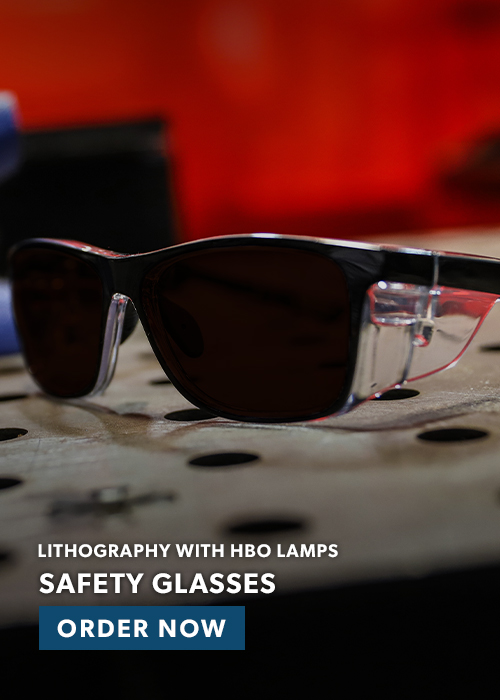
Selecting Safety Glasses for Lithography with HBO Lamps

In the intricate world of lithography, the use of HBO lamps stands as a cornerstone for achieving precise and detailed work. These high-intensity light sources, crucial for photolithography processes in semiconductor manufacturing and microscopy, emit a broad spectrum of ultraviolet (UV) light, primarily within the 190-450nm wavelength range. The intense light and UV radiation pose significant risks to eye safety, making the choice of proper protective eyewear not just a precaution but a necessity. This article guides you through selecting the correct safety glasses for lithography work involving HBO lamps, ensuring your eyes are shielded effectively.

Understanding the Risk:

HBO Lamps and UV Radiation

HBO lamps, known for their bright and concentrated output, are invaluable in photolithography for their ability to transfer microscopic patterns onto semiconductor wafers. However, the UV light emitted, especially in the 190-450nm range, can lead to serious eye injuries, including photokeratitis, a painful eye condition caused by UV exposure. The risk underscores the importance of choosing safety glasses that can filter out harmful UV rays while allowing enough visible light for the task at hand.

The Solution:

Filtered Safety Glasses for UV Protection

When it comes to protecting your eyes from the specific hazards posed by HBO lamps, not all safety glasses are equal. It’s crucial to select eyewear equipped with filters designed to absorb or block UV light in the critical 190-450nm range. Phillips Safety Products offers specialized solutions tailored to these requirements.

For Basic UV Protection:

For general lithography support where blocking UV light in the 190-450nm range is the primary concern, glasses equipped with the AKP filter are recommended. These lenses are designed to provide adequate protection against UV radiation, ensuring that your eyes are safeguarded from the potential harms of exposure during lithographic processes. You can explore options available with the AKP filter through Phillips Safety Products.

Enhanced Protection with Visibility Reduction:

In scenarios where there’s a need to not only block UV light in the 190-450nm spectrum but also to reduce visible light transmission, opting for glasses with the EVB5 filter is advisable. These lenses are specially formulated to offer comprehensive protection against UV radiation while cutting down on the brightness experienced from HBO lamps. This dual-action capability makes EVB5 filter glasses ideal for environments where intense light exposure is a concern, alongside the need for UV protection. To find suitable eyewear with the EVB5 filter, visit Phillips Safety Products.

Making the Right Choice

Selecting the appropriate safety glasses for lithography involving HBO lamps hinges on understanding the specific risks associated with your work environment. Consider the following when making your choice:

laser-icon
Assess the Intensity

Evaluate the intensity of light you’re exposed to during lithographic processes. If visibility reduction is as crucial as UV protection, EVB5 filter glasses may offer the comprehensive protection you need.

certifications-icon
Consult Safety Standards

Ensure that the safety glasses you choose comply with relevant safety standards for UV and laser protection.

comfort-icon
Comfort and Fit

Since protective eyewear is often worn for extended periods, consider comfort and fit. Look for adjustable and ergonomically designed frames to ensure they remain secure and comfortable throughout use.

By carefully selecting safety glasses with the appropriate filter for your lithography work with HBO lamps, you can protect your eyes from the potential hazards of UV radiation and intense light exposure. Whether you opt for the basic UV protection of AKP filter glasses or the enhanced visibility reduction and UV blocking capabilities of EVB5 filter glasses, the key is to ensure your eyes are adequately shielded, allowing you to focus on your precise and demanding work with peace of mind.

If you still aren’t sure which safety glasses are right for you, it’s a good idea to give us a call at 1-866-575-1307 or talk to us through our chat or e-mail us at service@phillips-safety.com

Our experts will be able to tell you what you need for your application.

SHOP SAFETY GLASSES FOR LITHOGRAPHY WITH HBO LAMPS

The Importance of Safety Glasses for UV Germicidal and Photocatalytic Environments

In our continuous battle against microscopic threats, technology such as UV germicidal lamps and photocatalytic oxidation (PCO) units stand as formidable weapons. These technologies harness the power of ultraviolet (UV) light to disinfect air, water, and surfaces, effectively destroying bacteria, viruses, and other harmful microorganisms. However, with great power comes the need for great responsibility—specifically, the responsibility to protect oneself from the potentially harmful effects of UV radiation. In this context, the importance of wearing safety glasses, specifically designed to guard against UV exposure, cannot be overstated.

UNDERSTANDING THE RISKS

UV radiation, particularly the UVC range (100-280nm), is renowned for its germicidal properties. While it’s highly effective at inactivating pathogens, it also poses significant risks to human health, particularly to the eyes. Exposure to UVC light can lead to conditions such as photokeratitis and photoconjunctivitis, painful and potentially damaging reactions akin to a sunburn, but affecting the corneas and conjunctivas of the eyes, respectively. Moreover, chronic exposure can lead to more severe outcomes, including cataracts and other vision impairments.

THE PROTECTIVE SHIELD: UVC SAFETY GLASSES

Given these risks, safeguarding one’s eyes during the operation or maintenance of UV germicidal lamps and PCO units is paramount. This is where UVC safety glasses come into play, serving as a crucial barrier between your eyes and the harmful rays. Phillips Safety Products recognizes the significance of this protection and offers a range of safety glasses specifically designed to filter out UVC radiation.

RECOMMENDED FILTER: UVC PROTECTIVE GLASSES

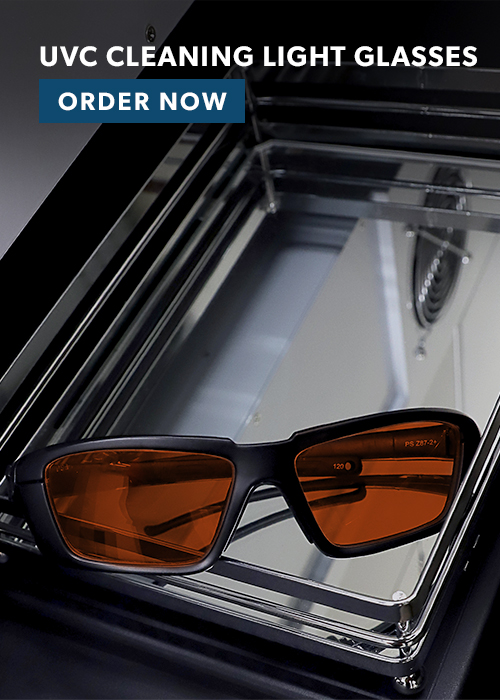
Phillips Safety’s UVC Cleaning Light Glasses are meticulously engineered to provide optimal protection against UVC exposure. These glasses are not only designed to block harmful UV rays but also to offer comfort and style, ensuring they can be worn for extended periods without discomfort. The lenses are crafted to absorb UVC, preventing it from reaching the eyes, while allowing enough visible light to ensure visibility during tasks.

THE IMPORTANCE OF CHOOSING THE RIGHT PROTECTION

When selecting safety glasses for UV germicidal and photocatalytic oxidation work, it’s vital to choose options that specifically mention UVC protection. Here’s why Phillips Safety’s UVC Cleaning Light Glasses stand out:

uvc-radiation-icon
Targeted Protection

These glasses are specifically designed to block UVC radiation, the range most commonly used in germicidal and photocatalytic applications.

protection-icon
Compliance with Standards

Phillips Safety’s eyewear meets rigorous safety standards, ensuring reliable protection against UV radiation.

comfort-icon
Comfort and Durability

Understanding that comfort is key to compliance, these glasses are designed for a comfortable fit, encouraging consistent use whenever exposure is possible.

EMBRACING SAFETY IN UV TECHNOLOGY USE

As we continue to rely on UV germicidal lamps and photocatalytic oxidation technologies for a cleaner and safer environment, the importance of personal protective equipment (PPE) escalates. Eye protection, in particular, becomes a non-negotiable aspect of operational safety protocols. By choosing Phillips Safety’s UVC Cleaning Light Glasses, individuals and organizations can take a significant step towards mitigating the risks associated with UV exposure, ensuring that the pursuit of cleanliness does not come at the cost of one’s health.

In conclusion, as the use of UV-based technologies grows, so does the need for appropriate protective measures. Investing in high-quality UVC safety glasses is an investment in health, safety, and peace of mind, ensuring that we can harness the power of UV light without compromising our well-being. Let’s prioritize safety as we embrace the benefits of UV germicidal and photocatalytic technologies.

If you still aren’t sure which UVC cleaning light glasses are right for you, it’s a good idea to give us a call at 1-866-575-1307 or talk to us through our chat or e-mail us at service@phillips-safety.com

Our experts will be able to tell you what you need for your application.

SHOP UVC CLEANING LIGHT GLASSES

Choosing Safety Glasses for Silver Soldering: A Guide by Phillips Safety

Silver soldering, a precision task demanding the utmost skill and care, also requires the best protective equipment. A crucial component of this equipment is the eyewear you choose. The intense light, potential for hazardous fumes, and the risk of metal splatter make it essential to protect your eyes with the right glasses. Phillips Safety Products is here to guide you through selecting the perfect glasses for silver soldering, ensuring your vision is safeguarded while enhancing your ability to perform detailed work.

UNDERSTANDING THE RISKS AND NECESSITIES

Silver soldering exposes you to various risks, including UV and IR radiation, intense light that can strain or damage your eyes, and the possibility of debris or splatter. To protect yourself from the risks effectively, it’s imperative to choose glasses that protect against impact and radiation and enhance your vision during the soldering process.

PHILLIPS SAFETY RECOMMENDATION

Phillips Safety recommends our Welding Shades 3-5 for basic silver soldering tasks. These glasses are designed to protect against UV and IR radiation and are suitable for low to medium-intensity soldering. They also adhere to ANSI Z87.1 standards for impact resistance, ensuring your eyes are shielded from physical hazards.

However, for artisans and professionals seeking protection, clarity, and color distinction in their work, Phillips Safety introduces the Borotrueview 3.0 and 5.0 lenses. These advanced lenses offer all the protective features of our standard welding shades, including UV and IR radiation protection and impact resistance. What sets them apart is their ability to filter out the sodium yellow light, a common issue in soldering environments. This filtration allows for a clearer view of your work, better color distinction, and the ability to perform more detailed tasks without straining your eyes.

WHY CHOOSE BOROTRUEVIEW LENSES?

eye-icon

ENHANCED VISIBILITY

By filtering out sodium yellow light, these lenses provide a clearer view of your workpiece, making it easier to solder with precision.

color-recognition-icon

IMPROVED COLOR DISTINCTION

The enhanced clarity and color distinction facilitated by the Borotrueview lenses mean you can perform detailed work more accurately.

shade-level-icon

VERSATILITY IN SHADE PREFERENCES

Whether you prefer the lighter Borotrueview 3.0 or the darker 5.0, you can choose based on your comfort and the specific requirements of your soldering tasks.

IN CONCLUSION

The proper protective eyewear is non-negotiable in silver soldering. You have the best options with Phillips Safety’s Welding Shades 3-5 and the advanced Borotrueview 3.0 and 5.0 lenses. Whether you prioritize essential protection or seek the enhanced visibility and color distinction needed for detailed work, our products are designed to meet your needs. Phillips Safety to protect your vision. At the same time, you bring your intricate metalwork to life.

If you still aren’t sure which safety glasses are right for you, it’s a good idea to give us a call at 1-866-575-1307 or talk to us through our chat or e-mail us at service@phillips-safety.com

Our experts will be able to tell you what you need for your application.

SHOP BOROTRUVIEW GLASSES

Intraocular Eye Shields: Essential Protection for Laser Procedures

INTRAOCULAR EYE SHIELDS: SAFEGUARDING VISION IN LASER PROCEDURES

In the realm of ophthalmic laser procedures, the safety and protection of the patient’s eyes are paramount. Intraocular eye shields play a critical role in ensuring this safety. Designed to protect the delicate structures of the eye from laser exposure, these shields are an indispensable tool in various laser treatments.

WHY INTRAOCULAR EYE SHIELDS ARE CRUCIAL

Intraocular eye shields are specifically crafted to shield the retina and other internal parts of the eye during laser procedures. These shields are placed inside the eye, offering direct protection against the intense light and heat generated by laser devices. Their use is essential in preventing accidental retinal damage, which can lead to severe visual impairment.

THE DESIGN AND APPLICATION OF EYE SHIELDS

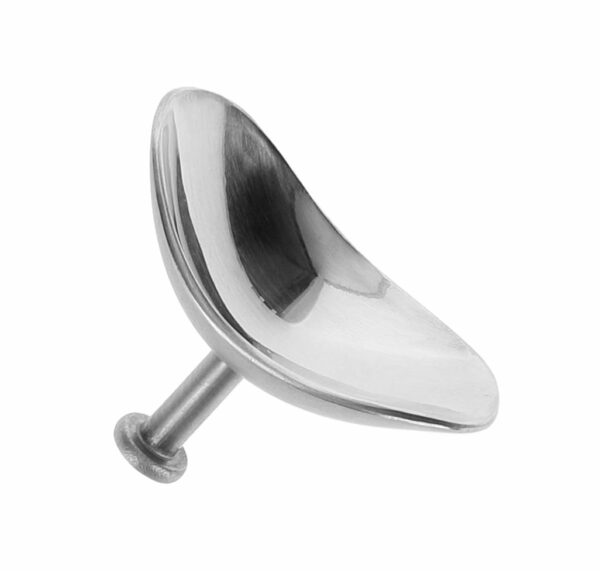
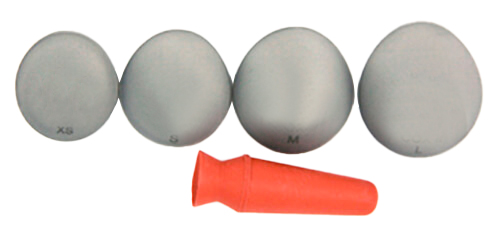
Typically made from medical-grade materials, intraocular eye shields are designed to be both safe and effective. They come in various sizes and shapes to accommodate different eye anatomies. During a procedure, the shields are carefully inserted into the eye, often using suction cups for precise placement and stability. This ensures that the entire area being treated is adequately protected.

THE ROLE OF OCULAR SHIELDS IN EYE SAFETY

Ocular shields, another term for intraocular eye shields, serve as a physical barrier between the laser and the eye’s internal structures. By absorbing or reflecting the laser’s energy, they prevent any harmful interaction with sensitive ocular tissues. Their use is standard practice in procedures like LASIK, photocoagulation, and other surgeries where lasers are involved.

REMOVAL AND AFTERCARE

After the completion of the laser procedure, the intraocular eye shields are removed with utmost care. Suction cups are often used for removal to minimize contact and potential damage to the eye. Proper removal is as crucial as the insertion, ensuring that the eye is not subjected to unnecessary stress or trauma.

CONCLUSION

Intraocular eye shields are a vital component in the field of ophthalmic laser surgery. Their proper use and handling not only ensure the safety of the patient’s eyes during the procedure but also contribute to the overall success of the treatment. Whether for corrective surgeries or therapeutic applications, these shields provide the necessary protection against the potential hazards of laser exposure.

In any laser procedure involving the eyes, the priority is always the safety and well-being of the patient. Intraocular eye shields are a testament to this commitment, offering peace of mind for both the practitioner and the patient. Their role in preserving vision and preventing complications is indispensable in the continuously advancing field of laser eye surgery.

If you still aren’t sure which intraocular eye shields are right for you, it’s a good idea to give us a call at 1-866-575-1307 or talk to us through our chat or e-mail us at service@phillips-safety.com

Our experts will be able to tell you what you need for your application.

SHOP LASER PATIENT PROTECTION

Harnessing Neutral Density Filters in Industrial Applications

WHAT ARE ND FILTERS?

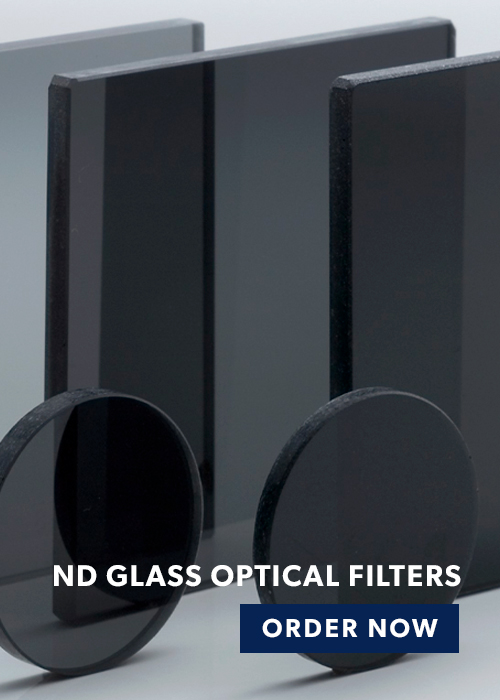
Neutral density (ND) filters are not just confined to the realm of photography; they are also crucial in various industrial applications. By controlling the amount of light entering a camera sensor or optical system, ND filters are instrumental in ensuring accuracy and consistency in environments where light conditions are critical.

VARIABLE ND FILTERS: ADAPTABLE LIGHT CONTROL​

In industrial processes, variable ND filters offer a significant advantage. Their ability to adjust optical density on the fly allows for precise control over the amount of light entering the camera or sensor systems. This is particularly useful in situations where light conditions fluctuate rapidly or need fine-tuning for optimal data acquisition.

ENHANCING MACHINE VISION SYSTEMS

ND filters play a vital role in machine vision systems used in automated manufacturing and quality control. By reducing glare and controlling the exposure, these filters enable cameras to capture clearer images, leading to more accurate measurements and better decision-making by automated systems.

PRECISION IN LASER APPLICATIONS

In laser-based industrial applications, controlling the intensity of light is crucial. ND filters are used to reduce the laser’s brightness without altering its path or properties. This is essential in applications like laser cutting, engraving, or welding, where precision and consistency are paramount.

IMPROVING SAFETY AND EFFICIENCY IN BRIGHT ENVIRONMENTS

In industries where operations occur under bright light or direct sunlight, ND filters can protect sensitive camera sensors and operators’ eyes from intense light exposure. This not only ensures the longevity of equipment but also enhances safety and efficiency.

BALANCING EXPOSURE IN HIGH-CONTRAST SETTINGS

In industrial settings with high-contrast lighting, ND filters help balance the exposure, preventing overexposure in bright areas while maintaining clarity in darker regions. This is critical in fields like aerospace, automotive testing, and scientific research, where accurate visual data is essential.

CONCLUSION

Neutral density filters are indispensable tools in the industrial sector. Their ability to control light exposure, reduce glare, and ensure precision makes them vital in numerous high-tech applications. From enhancing machine vision accuracy to ensuring safety in laser operations, ND filters contribute significantly to industrial efficiency and innovation.

By integrating ND filters into various industrial processes, companies can achieve greater control, precision, and quality in their operations. Whether it’s in manufacturing, scientific research, or high-tech development, the applications of neutral density filters are as diverse as they are impactful.

If you still aren’t sure which products are right for you, it’s a good idea to give us a call at 1-866-575-1307 or talk to us through our chat or e-mail us at service@phillips-safety.com

Our experts will be able to tell you what you need for your application.

SHOP GLASS OPTICAL FILTERS

What Glasses Prevent Welding Flash? Phillips Safety Has the Answer

WHAT GLASSES PREVENT WELDING FLASH? UNDERSTANDING YOUR SAFETY NEEDS

Welding is an indispensable skill across various industries, yet it poses significant risks, particularly to the eyes. The intense ultraviolet (UV) light emitted during welding can cause ‘welding flash’ or ‘arc eye’, leading to discomfort and potential eye damage. This concern brings us to a crucial question: What glasses prevent welding flash?

Phillips Safety has established itself as a leader in protective eyewear, specifically addressing this concern. They offer a range of welding flash glasses designed to shield your eyes from the harmful effects of UV and IR radiation emitted during welding processes.

THE RIGHT SHADE FOR MAXIMUM PROTECTION

The effectiveness of welding glasses depends heavily on selecting the correct shade. Phillips Safety provides glasses in various shades, ensuring that welders can find the perfect match for their specific needs. For most welding applications, a shade of 5 to 8 is sufficient, but for more intense welding, shades up to 14 may be required.

OPTIMAL UV AND IR RADIATION PROTECTION

The glasses are designed to filter out harmful radiation effectively, reducing the risk of welding flash.

UV-radiation-icon
comfort-icon
COMFORT AND DURABILITY

Crafted with the wearer’s comfort in mind, these glasses are not only protective but also comfortable for long-term wear.

VERSATILITY

Phillips Safety glasses cater to various welding environments, ensuring that every welder’s needs are met, regardless of the welding method or intensity.

Hard-hat-welding-glasses-PS-icon
certifications-icon
COMPLIANCE WITH SAFETY STANDARDS

All glasses meet rigorous safety standards, providing assurance of their protective capabilities.

INCORPORATING TECHNOLOGY AND INNOVATION

Phillips Safety doesn’t just stop at providing basic protection. They integrate the latest technology and innovation in their products, ensuring that welders have the most advanced protection available. This includes features like anti-fog coatings, scratch-resistant surfaces, and ergonomic designs.

CONCLUSION

In summary, when it comes to preventing welding flash, the right glasses are crucial. Phillips Safety offers a range of glasses in the necessary shades to provide optimal protection. By choosing Phillips Safety, welders can ensure they are adequately protected against the risks associated with their profession.

If you still aren’t sure which welding glasses are right for you, it’s a good idea to give us a call at 1-866-575-1307 or talk to us through our chat or e-mail us at service@phillips-safety.com

Our experts will be able to tell you what you need for your application.

SHOP WELDING GLASSES

How to Make DIY Solar Eclipse Glasses with Shade 14 Welding Circles 50mm

Eclipses are one of nature’s most spectacular displays, and watching a solar eclipse is a thrilling experience. However, the safety of your eyes should always be your top priority. You can’t look at the sun directly without serious risk to your eyesight. Commercially available solar eclipse glasses are a popular choice, but did you know you can make your own with shade 14 welding circles? Let’s dive into how you can do this.

PREPARATION CHECKLIST: WHAT YOU WILL NEED

material-icon

Heavy stock paper or cardboard

Scissors or a craft knife

tape-icon

Tape or glue

pen-marker-icon

A pen or marker

A ruler or straight edge

STEP BY STEP GUIDE

As you prepare for the next solar eclipse, use this step by step to make your DIY Solar Eclipse Glasses.

1: Gather Your Materials:

First, ensure you have all the necessary materials. The most crucial part is the shade 14 welding circles, as they are the only safe filter to look directly at the sun.

2: Design Your Frames:

Using heavy stock paper or cardboard, design the frames for your glasses. You can get creative here! They can be as simple or as fancy as you like. Just make sure they are sturdy enough to hold the welding circles securely.

3: Cut Out the Frames:

Once you have your design, use scissors or a craft knife to cut out the frames. If you’re doing this with children, adult supervision is essential.

4: Mark the Position for the Circles:

On the frames, mark where the welding circles will go. Ensure the circles will align with your eyes when you wear the glasses.

5: Attach the Welding Circles:

Carefully tape or glue the welding circles to the inside of the frames where you’ve marked. Be sure not to scratch or damage the circles.

6: Assemble the Glasses:

Once the circles are securely attached, finish assembling your glasses. If your design has arms, attach them securely so they can hold the glasses on your face.

7: Test Your Glasses:

Before the eclipse, test your glasses in a safe environment. Look at a bright light and ensure no light leaks through the material around the welding circles. Remember, safety is key!

SAFETY TIPS:

Scratch-lens-glasses-Icon

Do not use the glasses if the welding circles are scratched or damaged.

Prohibited-Icon

Do not substitute the shade 14 welding circles with any other material, as they may not provide adequate protection.

solar-eclipse-icon

Never look at the sun through binoculars, a telescope, or a camera while wearing these glasses.

CONCLUSION

Creating your own solar eclipse glasses can be a rewarding project, especially if you’re preparing for an eclipse viewing party or an educational event. Remember, while making your DIY glasses can be fun, ensuring they are safe is crucial. Enjoy the wonders of the solar eclipse safely with your custom-made glasses!

Remember, this blog is for informational purposes only. Ensure that any DIY solar eclipse glasses you make are safe and meet all necessary safety standards to protect your eyes from harm.
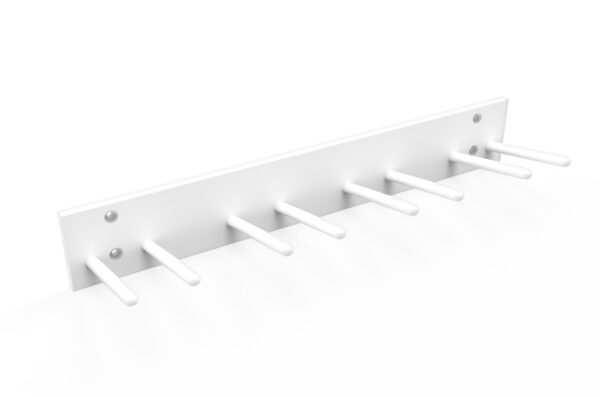
If you still aren’t sure which welding lenses are right for you, it’s a good idea to give us a call at 1-866-575-1307 or talk to us through our chat or e-mail us at service@phillips-safety.com

Our experts will be able to tell you what you need for your application.

SHOP WELDING LENSES

Become a Distributor

Volume Discount