
What Is Lead Lined Glass? A Guide to Radiation Shielding Glass
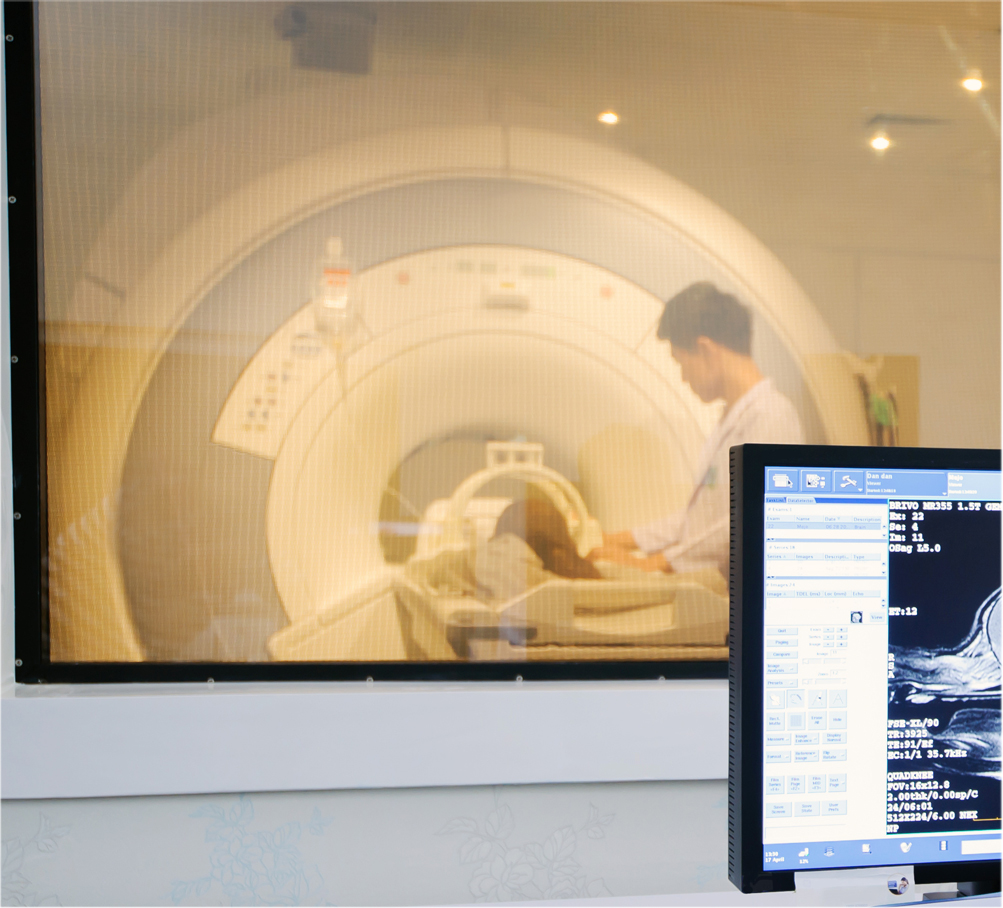
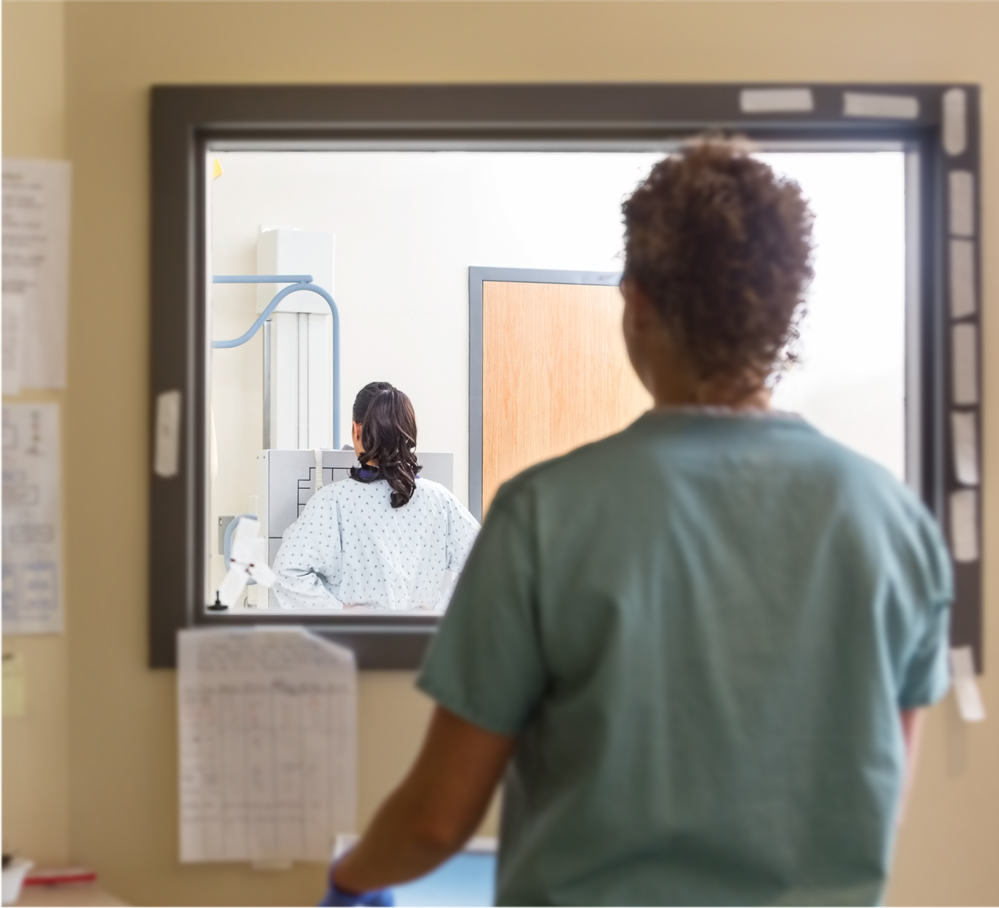

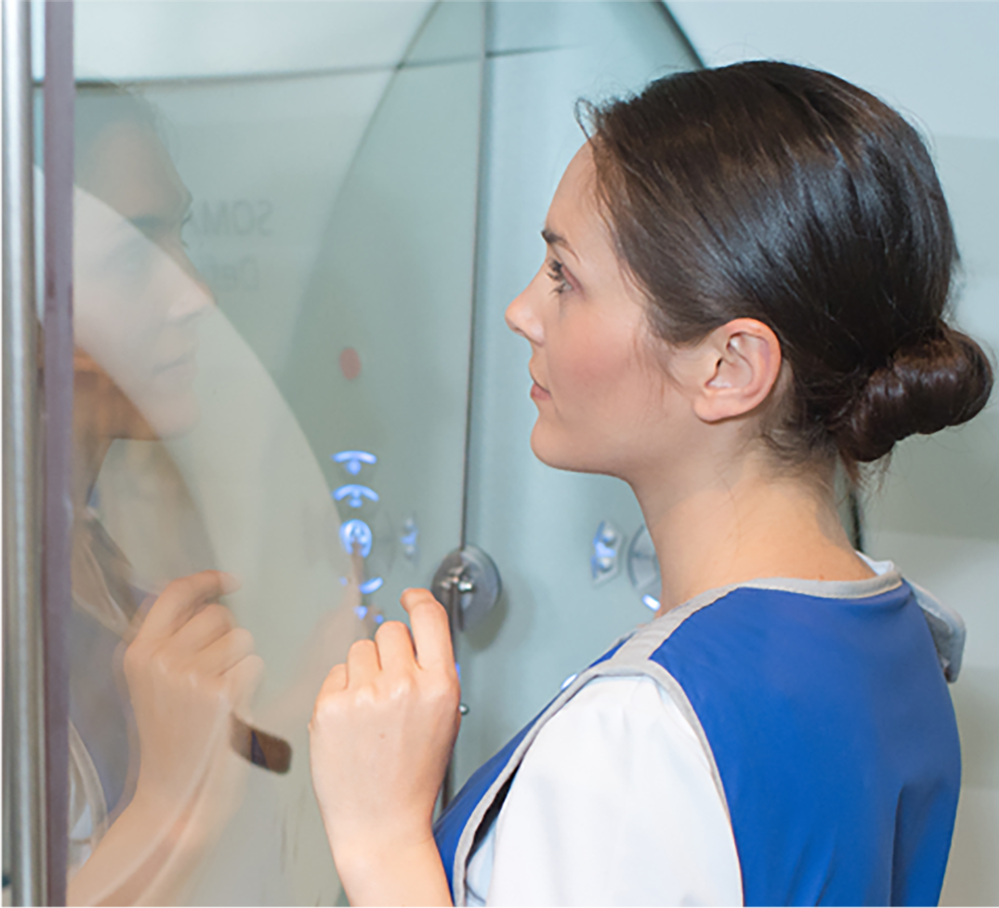
Lead lined glass, also known as lead glass or radiation shielding glass, is a specialized transparent material designed to help reduce exposure to X-ray and gamma radiation while maintaining clear visibility. It is commonly installed in medical, dental, laboratory, research, and industrial environments where professionals need to observe procedures or processes from behind a radiation-shielded barrier.
Unlike standard glass, radiation shielding glass contains lead oxide and other heavy elements that increase its density and allow it to attenuate ionizing radiation. This combination of radiation protection and optical clarity makes lead glass particularly useful for viewing windows in areas where both visibility and shielding are required.
Lead lined glass helps reduce radiation exposure by absorbing and attenuating radiation as it passes through the material. Its composition and density allow it to provide radiation shielding while remaining transparent enough for observation.
The amount of protection provided is commonly expressed as lead equivalency (Pb Eq). Lead equivalency compares the radiation attenuation of the glass with a specified thickness of lead. For example, radiation shielding glass measuring 8 mm thick (±1 mm) can provide 2.0 mm Pb lead equivalency.
The required shielding level varies by application and should be determined by a qualified radiation physicist or other appropriate radiation safety professional.
Lead glass provides a transparent viewing area within a radiation shielding barrier. This allows healthcare professionals, technicians, and researchers to observe patients, equipment, and procedures while remaining behind protective shielding.
Its combination of radiation attenuation and optical transparency makes it particularly valuable in environments where personnel need both protection and continuous visibility.
Lead lined glass is primarily used in medical and diagnostic imaging environments, but it can also be used in laboratory, research, and industrial applications.
Common applications include:
In each application, lead glass provides a transparent viewing area where both radiation shielding and visibility are required.
Choosing radiation shielding glass depends on factors such as the required lead equivalency, glass dimensions, radiation source, window construction, and overall shielding design.
The glass is only one component of a complete radiation shielding system. The surrounding frame, walls, and other materials should provide appropriate shielding based on the requirements established for the facility.
Phillips Safety offers stock and custom radiation shielding glass for a range of applications. For available sizes, lead equivalencies, and window solutions, explore our Lead Lined Glass collection.